Skip to content

Sea fish

Flathead grey mullet

Mugil cephalus

Get to know the species, pick your region, find your spot.

Other names: Topan kefal · Has kefal · Topan

Flathead grey mullet
Roberto Pillon (Wikimedia Commons) · source
Habitat
Harbour · lagoon · estuary
Method
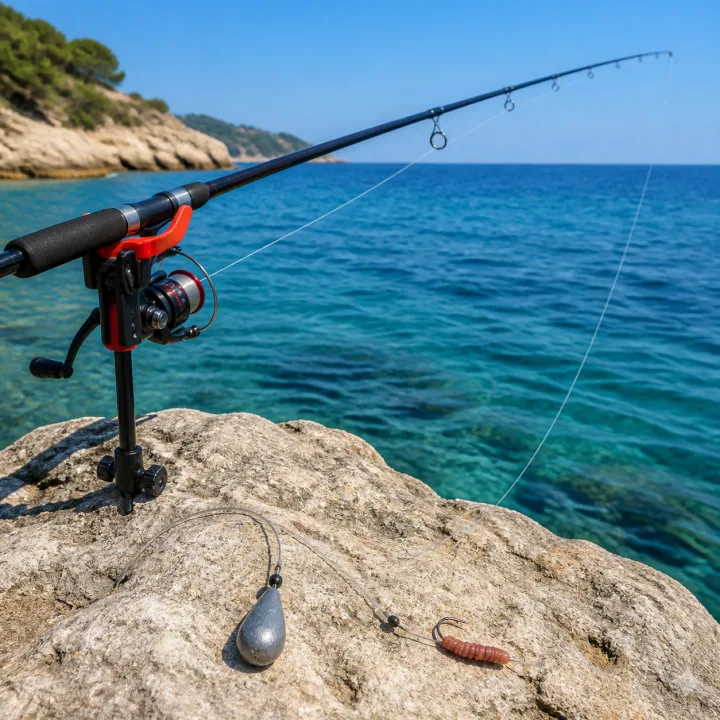
Float fishing · Bottom fishing
Family
Mugilidae

Choose your region

The information changes with the region you choose.

Where is Flathead grey mullet caught?

Explore the regions or go straight to the map.

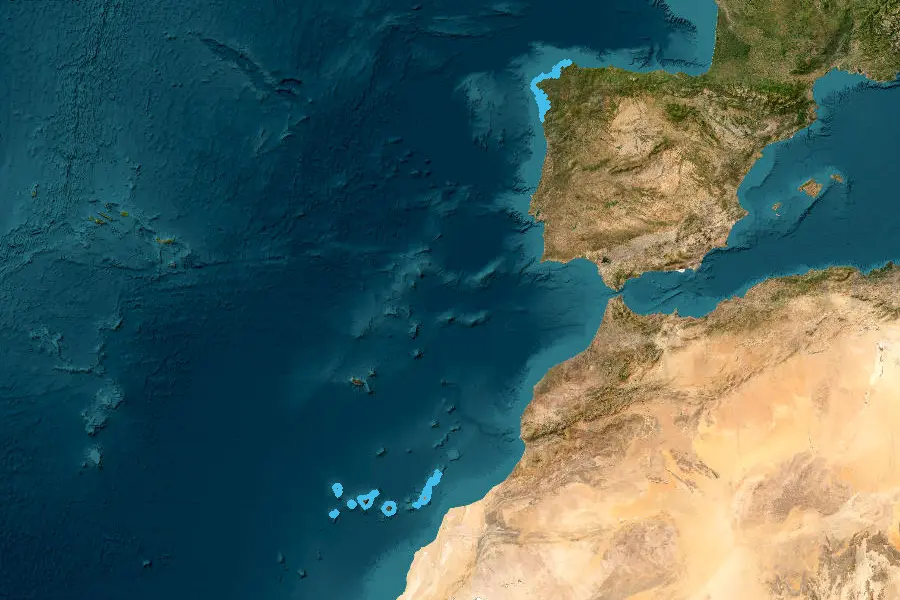
Atlantic fishing spots

435
Atlantic
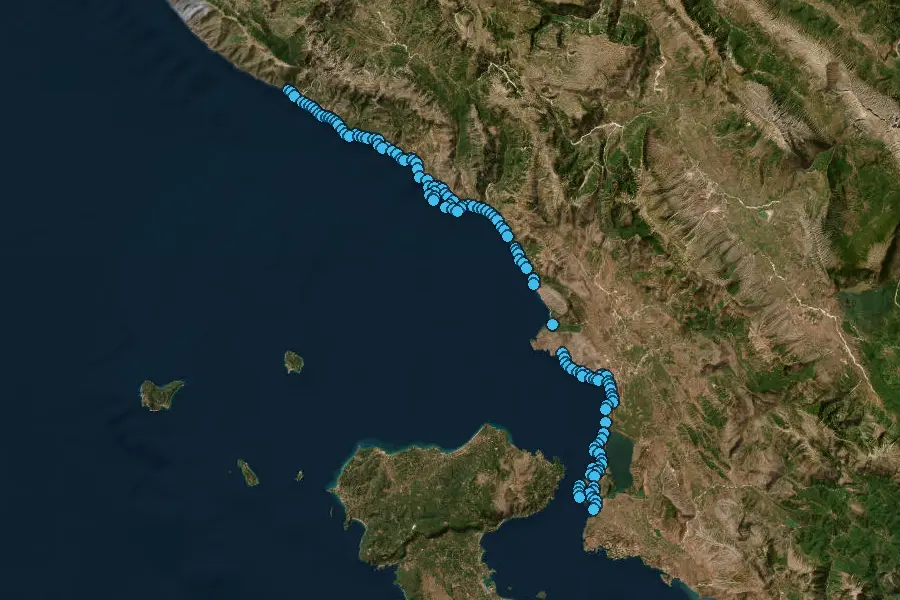
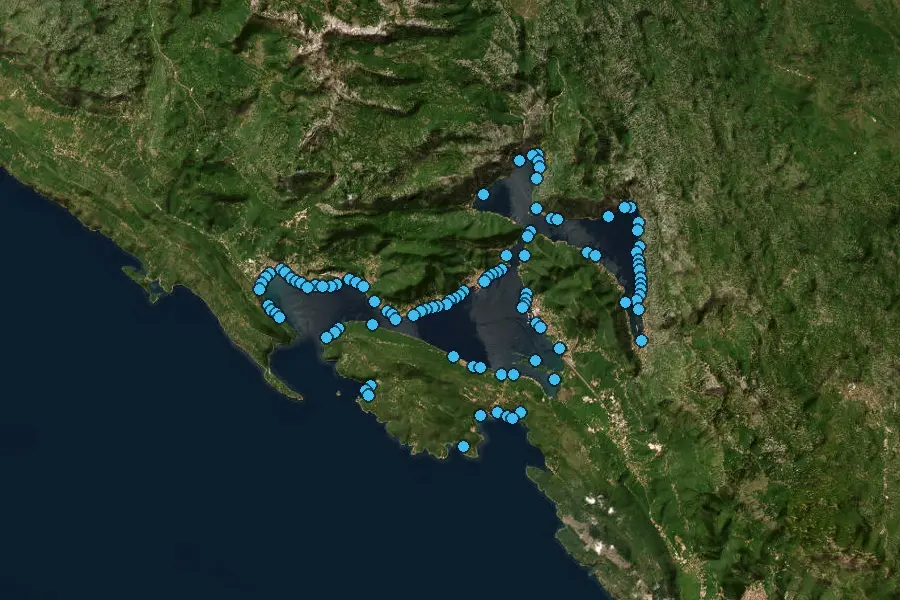
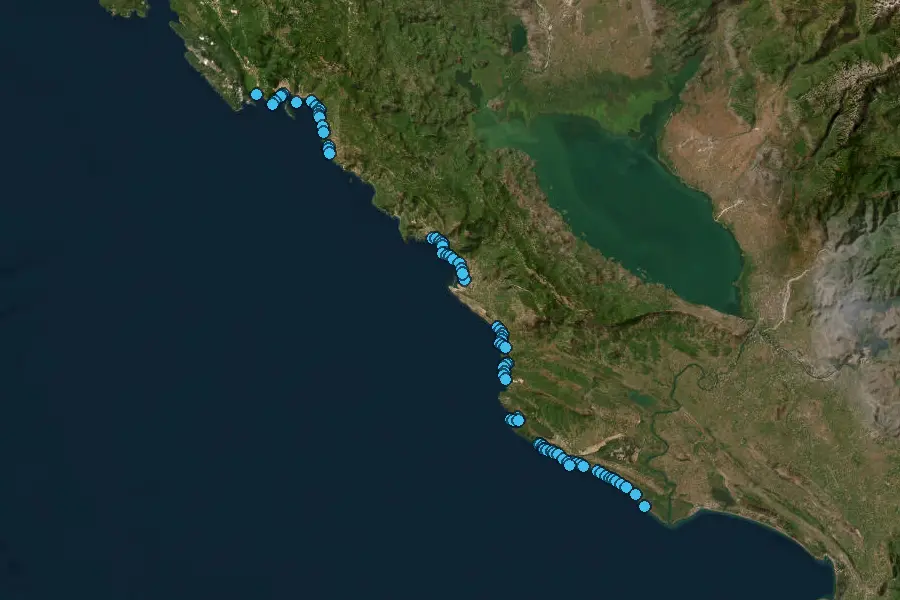
Map preview

Explore the coast on the map

Open map

A listed spot is not a guarantee of a catch.

Atlantic

Season and suitable conditions

Recorded all year round in this region; no distinct fishing season shows.

Season information is no guarantee of a catch.

Best spots in October

By month

Average monthly score of the spots in Turkey (0–100).

  1. 68 Jan
  2. 68 Feb
  3. 68 Mar
  4. 79 Apr
  5. 79 May
  6. 76 Jun
  7. 73 Jul
  8. 84 Aug
  9. 86 Sep
  10. 89 Oct
  11. 78 Nov
  12. 68 Dec

The best spot in each Turkish province, by this month’s score.

  1. Karacabey Boğazı Karacabey, Bursa 100/100 Very good
  2. Avcılar Sahil Parkı-1 Avcılar, İstanbul 100/100 Very good
  3. Armutlu Belediyesi Kadınlar Plajı Armutlu, Yalova 100/100 Very good
  4. Edincikaltı Plajı Bandırma, Balıkesir 95/100 Very good
  5. Biga Çayı Biga, Çanakkale 95/100 Very good

A 0–100 score from season, water temperature, habitat and local records; a general trend, not a guarantee.

Best times of day

When in the day it bites best, month by month.

  • Active day and night
  • Limited at night

In October

  1. Dawn 80

    0.5 h before sunrise → 2.5 h after

  2. Midday 60

    1.5 h before midday → 2 h after

  3. Dusk Best 85

    2 h before sunset → 1.5 h after

  4. Night 30

    0.5 h after sunset → 6 h before sunrise

Moon phase

Effect of the moon on night fishing; the scores compare the phases.

  1. New moon 45
  2. First quarter 45
  3. Full moon 55
  4. Last quarter 45

Best phase: Full moon

Windows across 12 months

Best times of day J F M A M J J A S O N D
Dawn 55 55 80 80 80 85 85 85 80 80 80 55
Midday 80 80 60 60 60 20 20 20 60 60 60 80
Dusk 75 75 80 80 80 85 85 85 85 85 85 75
Night 25 25 25 40 40 40 30 30 30

Windows follow sunrise and sunset; clock times change with place and date. Scores are relative within the month: 100 is the best window of the day.

6 sources · confidence medium

Habitat

Where it lives and in what kind of water: ranges compiled by the research.

Depth

0–120 m

mostly 0–10 m

Water temperature

2.7–33 °C

ideal 19–30 °C

Salinity

Migrates between fresh and salt water

0–126 ‰

Shore types

  • Sandy beach
  • Delta / alluvial shore
  • Cove / inner bay
  • Breakwater / jetty
  • Pier / quay
  • Around marinas
  • Promenade / seafront
  • River / stream mouth
  • Lagoon / weir mouth
  • Channel / strait link
  • Inside harbours
  • Tidal flat / marsh
  • Harbour mouth
  • Reclaimed shore

Bottom

Lives close to the bottom

  • Sand

Ranges from FishBase, AquaMaps and the literature; a general tendency, not a hard limit.

Confidence: shore type high, temperature medium

Bait and tackle suggestions

Recorded baits and fishing techniques.

Bait by month

Baits documented for shore fishing, month by month and by water clarity.

In October

Processed bait (all year)

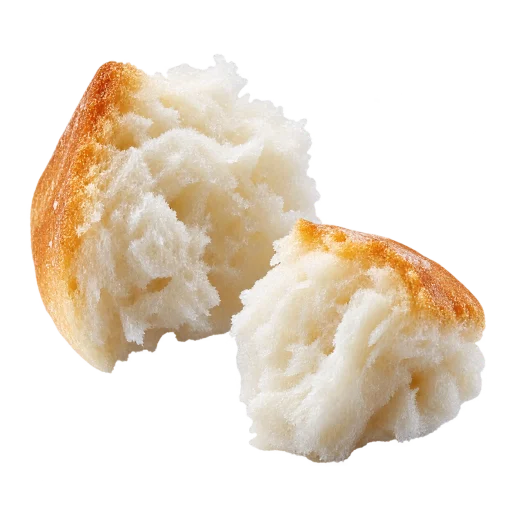
  • Bread

By water clarity

Herbivore / detritivore — Eats weed, algae and bottom mud. Rarely takes a lure.

Clear Visibility: over 8 m
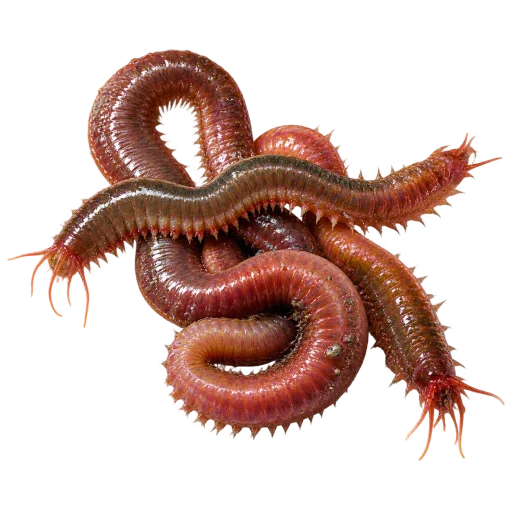
Natural bait First natural bait: Diopatra tube worm · Very suitable Usually in this water: Weed, sea lettuce, worm; very fine tackle; chum. First lure: LRF micro soft plastic · Very suitable Usually in this water: Only where it is known to work locally: weed or bread imitation fly, micro soft plastic. Colour: Clear
Slightly coloured Visibility: 4–8 m
Natural bait First natural bait: Diopatra tube worm · Very suitable Usually in this water: Weed, worm; chum. First lure: LRF micro soft plastic · Very suitable Usually in this water: Where it is known to work locally, a bread or weed fly. Colour: Clear
Moderately coloured Visibility: 2–4 m
Natural bait First natural bait: Fish guts · Very suitable Usually in this water: Worm with chum; stream or channel mouths. First lure: Spinner · Very suitable Colour: Gold
Murky Visibility: 1–2 m
Natural bait First natural bait: Fish guts · Very suitable Usually in this water: Worm, fish guts; chum; mullet feed in murky stream mouths. First lure: Spinner · Very suitable Colour: Gold
Very murky Visibility: under 1 m
Natural bait First natural bait: Fish guts · Very suitable Usually in this water: Worm, fish guts; chum. First lure: Spinner · Suitable
12-month bait calendar
January
Natural baits: Earthworm, Diopatra tube worm, Fish guts, Anchovy Lures: Spinner, LRF micro soft plastic
February
Natural baits: Earthworm, Diopatra tube worm, Fish guts, Anchovy Lures: Spinner, LRF micro soft plastic
March
Natural baits: Earthworm, Diopatra tube worm, Fish guts, Anchovy Lures: Spinner, LRF micro soft plastic
April
Natural baits: Earthworm, Diopatra tube worm, Fish guts, Anchovy Lures: Spinner, LRF micro soft plastic
May
Natural baits: Earthworm, Diopatra tube worm, Fish guts, Anchovy Lures: Spinner, LRF micro soft plastic
June
Natural baits: Earthworm, Diopatra tube worm, Fish guts, Anchovy Lures: Spinner, LRF micro soft plastic
July
Natural baits: Earthworm, Diopatra tube worm, Fish guts, Anchovy Lures: Spinner, LRF micro soft plastic
August
Natural baits: Earthworm, Diopatra tube worm, Fish guts, Anchovy Lures: Spinner, LRF micro soft plastic
September
Natural baits: Earthworm, Diopatra tube worm, Fish guts, Anchovy Lures: Spinner, LRF micro soft plastic
October
Natural baits: Earthworm, Diopatra tube worm, Fish guts, Anchovy Lures: Spinner, LRF micro soft plastic
November
Natural baits: Earthworm, Diopatra tube worm, Fish guts, Anchovy Lures: Spinner, LRF micro soft plastic
December
Natural baits: Earthworm, Diopatra tube worm, Fish guts, Anchovy Lures: Spinner, LRF micro soft plastic

This is the usual pattern; the water and weather on the day can change it. Colour is fine-tuning: bait type, size and action come first. Confidence: natural high, lures medium. Colour and presentation guide

Fishing technique

Tackle recipe

Bolognese

Trotting in current

Controlled float trotting with a long telescopic rod

  • Level: Intermediate–Advanced
  • Effort: Low
Rod
4.00–7.00 m; 5–30 g
Reel
2000–3000
Main line
0.16–0.22 mm mono
Leader/trace
0.12–0.20 mm
Hook/lure
#14–#6
Bait/lure
Bread flake
Connector
Swivel/clip; pick a suitable breaking strain

Watch out: Power line risk with long rods

Keep with you: Pliers, hook remover, glasses and first aid

Regulations: Communiqué 2024/21 Article 16 hook and line limits and place bans are checked
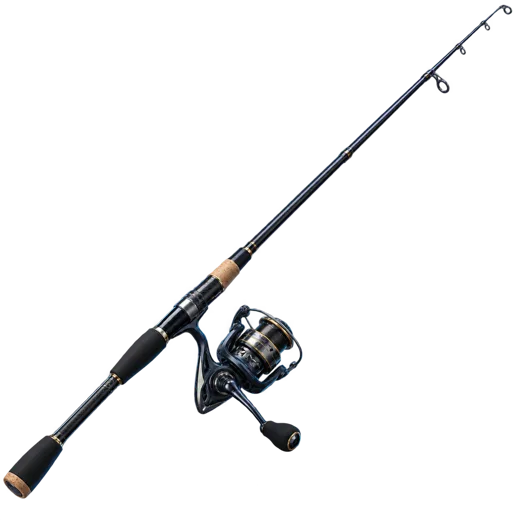
  • Rod

  • Reel

  • Line and leader

A setup to start from. Rod length, line diameter and drag are changed to suit the size of fish you are after and the current and bottom structure of the ground.

Tackle recipe

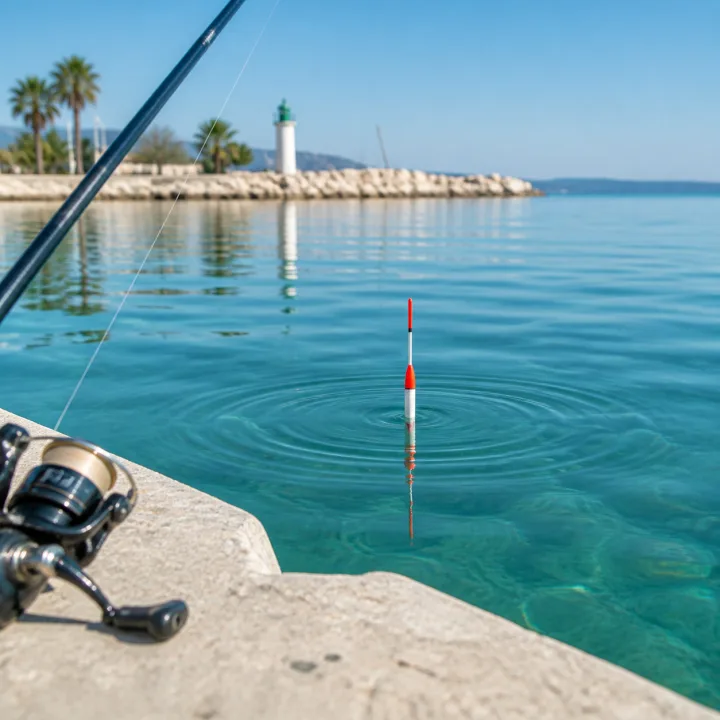
Float Fishing

Float fishing

Presenting the bait at a set water layer

  • Level: Beginner–Advanced
  • Effort: Low
Rod
3.60–6.00 m; 5–30 g
Reel
2000–3000
Main line
0.16–0.24 mm mono
Leader/trace
0.12–0.22 mm
Hook/lure
#12–#4
Bait/lure
Bread flake
Connector
Swivel/clip; pick a suitable breaking strain

Watch out: Current and line tangles with other anglers

Keep with you: Pliers, hook remover, glasses and first aid

Regulations: Communiqué 2024/21 Article 16 hook and line limits and place bans are checked
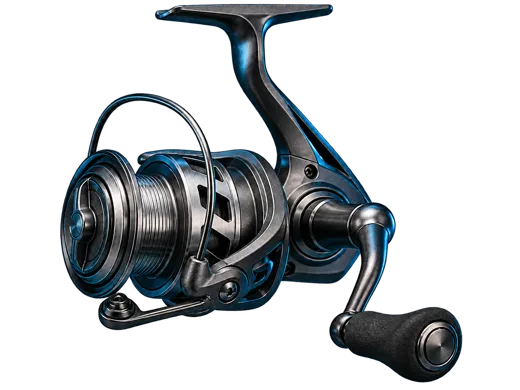
A setup to start from. Rod length, line diameter and drag are changed to suit the size of fish you are after and the current and bottom structure of the ground.

See tackle suggestions

Fishing rules for Türkiye

Türkiye

Minimum size
30 cm
Maximum quantity
5 kg

Single-species or mixed total; details and exceptions are in the regulation.

No species-specific closed season is listed; area and method rules still apply.

Legal basis: 2024/21 Çizelge 7 communiqué text

MVT0013

2024/21 Çizelge 7

No additional species note; the general provisions of 2024/21 apply No species-based time closure is stated; the area and method provisions are reserved

The table in our records

Minimum size
35 cm
Maximum quantity
5 kg

The article text is taken from the communiqué. The table above was carried into our own records from the relevant rows of the communiqué and may be abridged. The official publication is what binds. Official communiqué (PDF) →

Legal basis: 2024/21 Çizelge 7 communiqué text

MVT0014

2024/21 Çizelge 7

Species group No species-based time closure is stated; the area and method provisions are reserved

The table in our records

Minimum size
20 cm
Maximum quantity
5 kg

The article text is taken from the communiqué. The table above was carried into our own records from the relevant rows of the communiqué and may be abridged. The official publication is what binds. Official communiqué (PDF) →

Legal basis: 2024/21 Çizelge 7 communiqué text

MVT0015

2024/21 Çizelge 7

No additional species note; the general provisions of 2024/21 apply No species-based time closure is stated; the area and method provisions are reserved

The table in our records

Minimum size
30 cm
Maximum quantity
5 kg

The article text is taken from the communiqué. The table above was carried into our own records from the relevant rows of the communiqué and may be abridged. The official publication is what binds. Official communiqué (PDF) →

Before you go, check local area and method restrictions.

Species profile

Flathead grey mullet
Scientific name
Mugil cephalus
Family
Mugilidae
Order
Mugiliformes
Water type
Saltwater
Seas
Sea of Marmara, Black Sea, Aegean Sea, Mediterranean
Other names
Topan kefal, Kefal, Has kefal, Topan

Frequently asked questions

What is the minimum size for Flathead grey mullet?

In recreational angling the minimum catch size for Flathead grey mullet is 35 cm. Fish below that length have to be returned to the water. Legal basis: 2024/21 Çizelge 7.

When is Flathead grey mullet closed to fishing?

There is no closed season specific to Flathead grey mullet — the regulations set no time ban for this species. Area and gear rules still apply. The limit that applies all year is the minimum size: 35 cm. Legal basis: 2024/21 Çizelge 7.

Which seas is Flathead grey mullet found in?

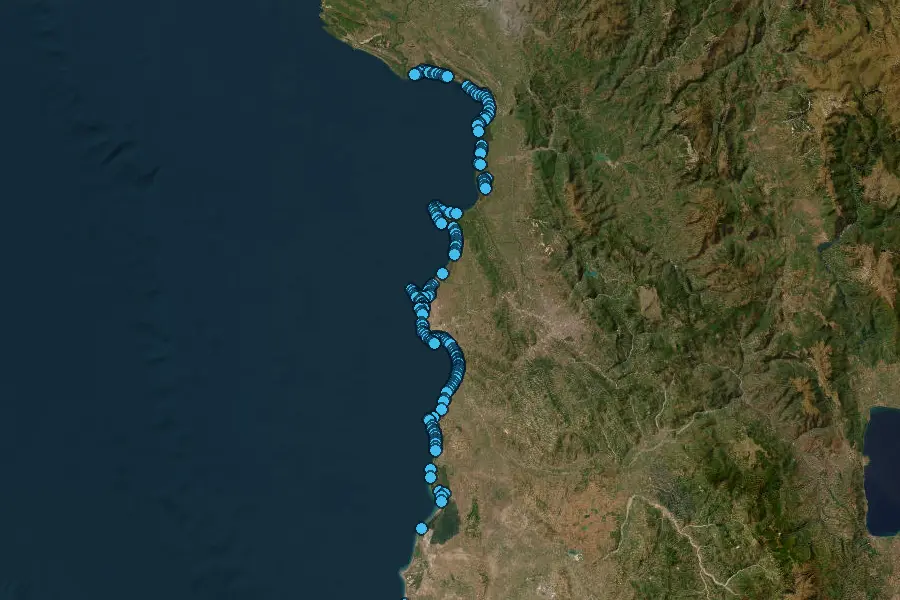
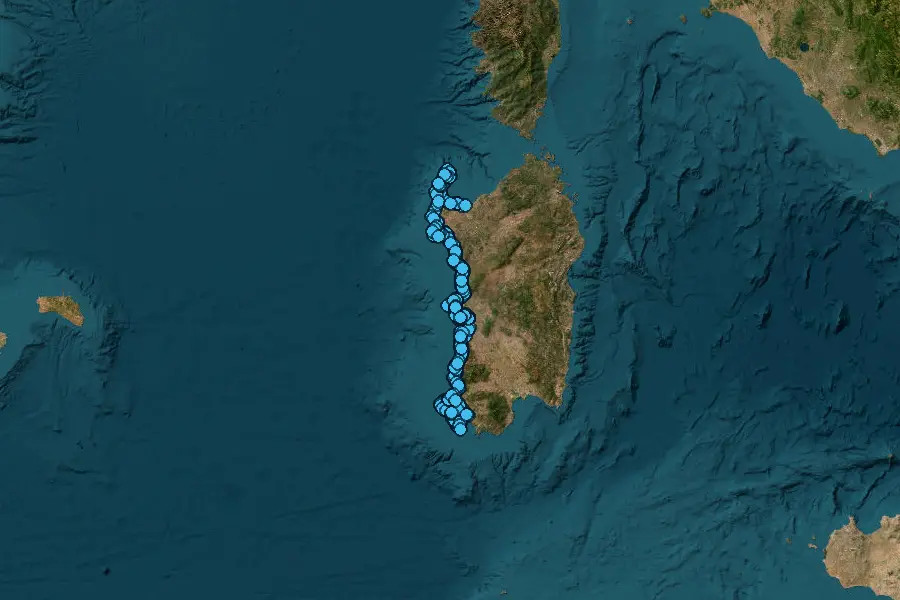
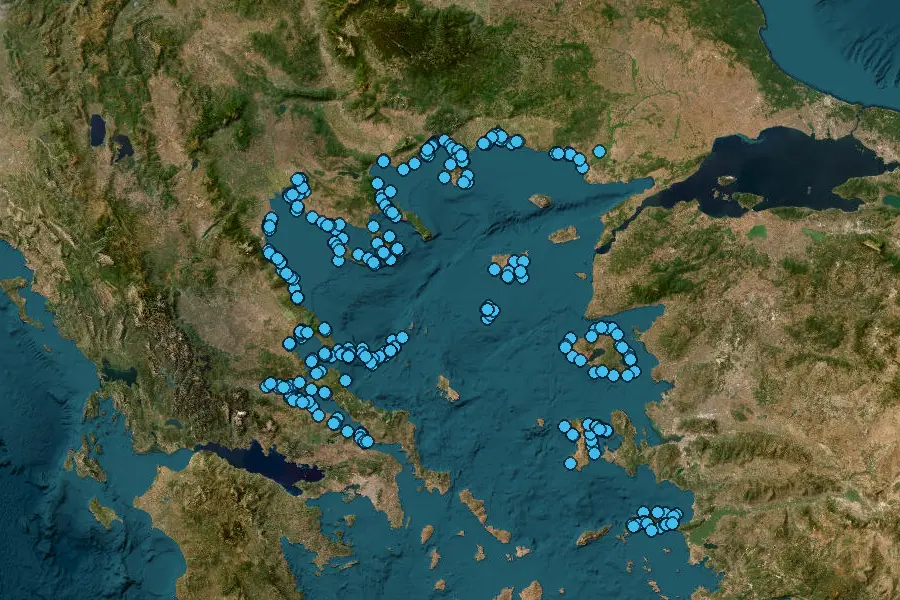
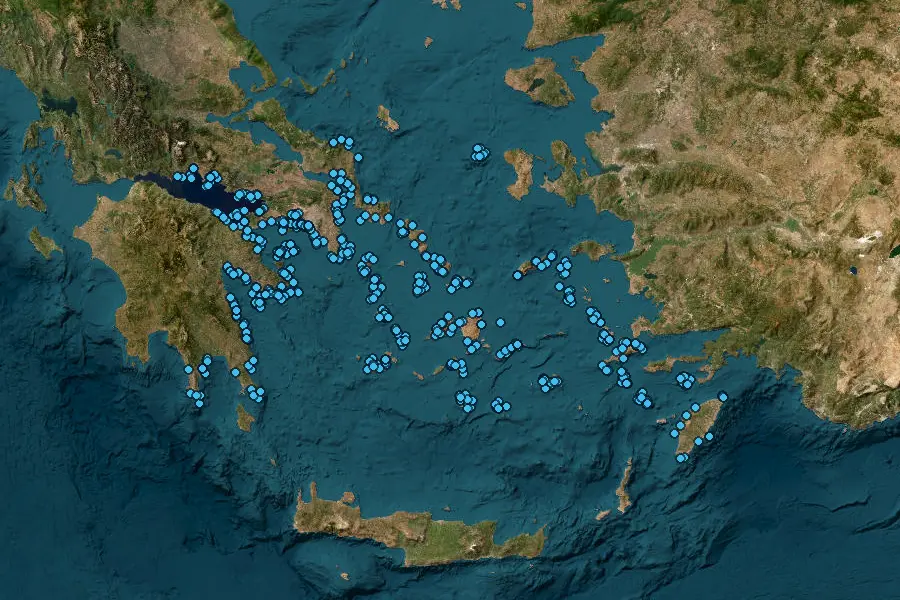
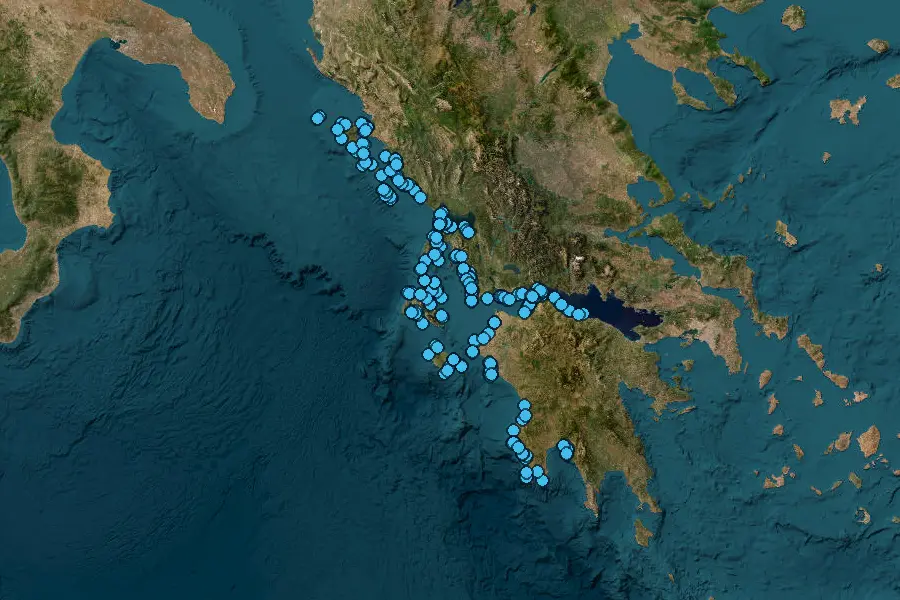
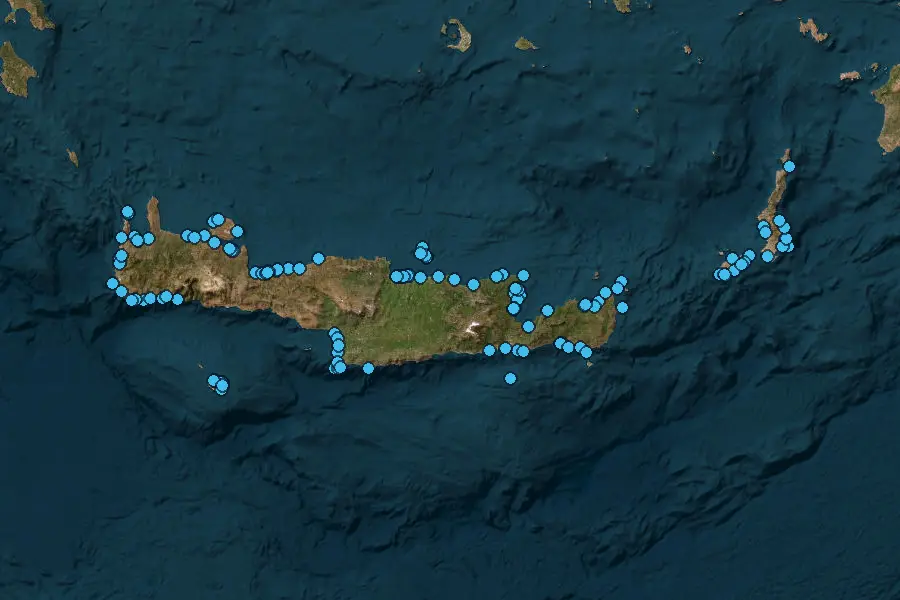
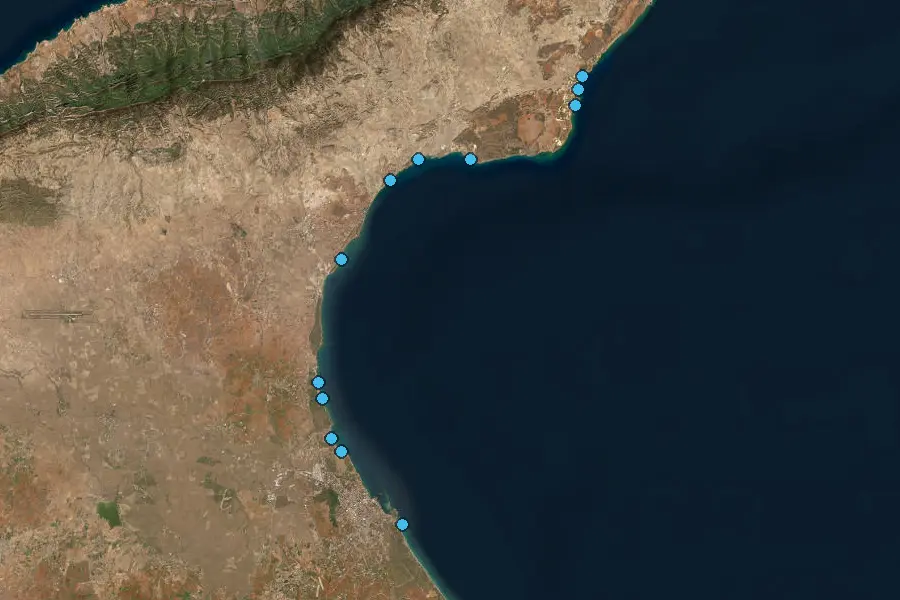
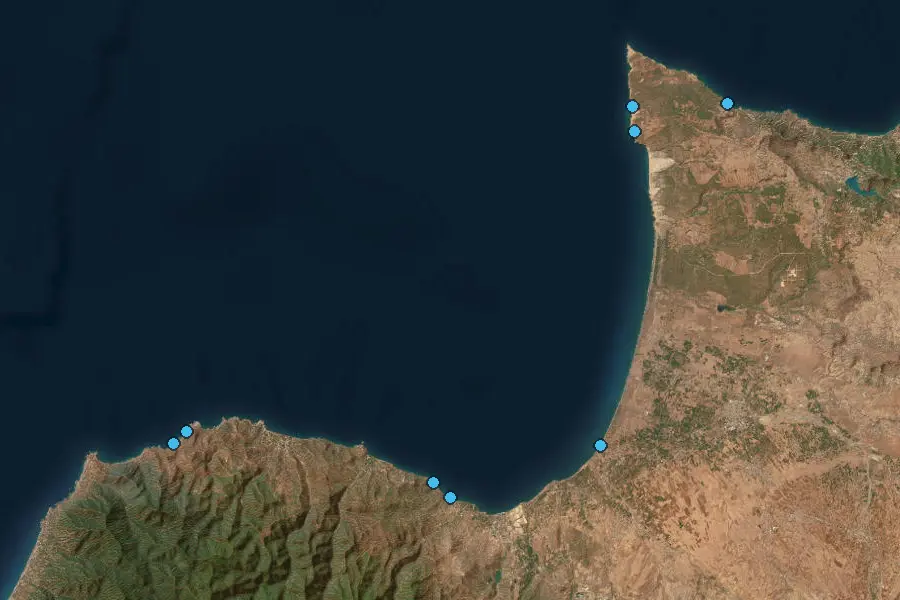
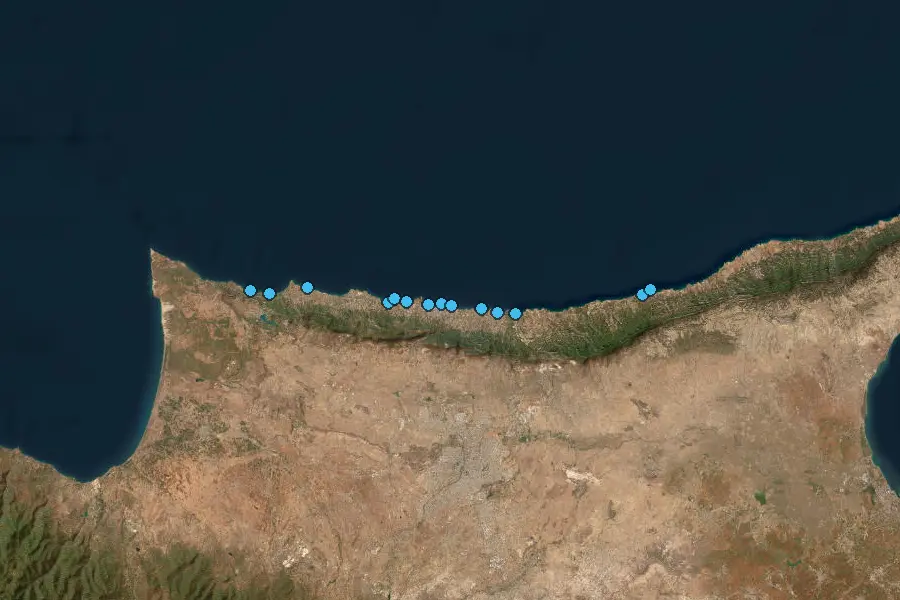
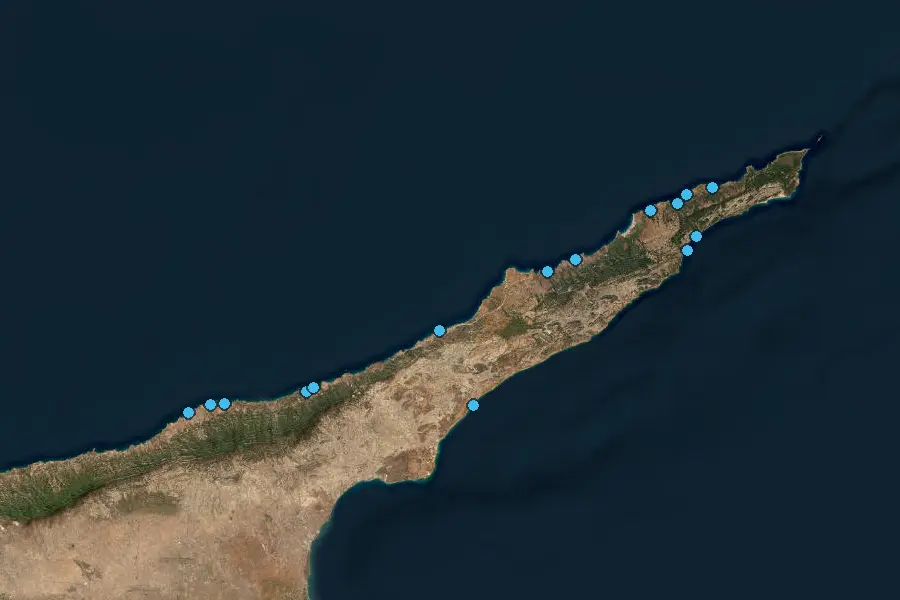
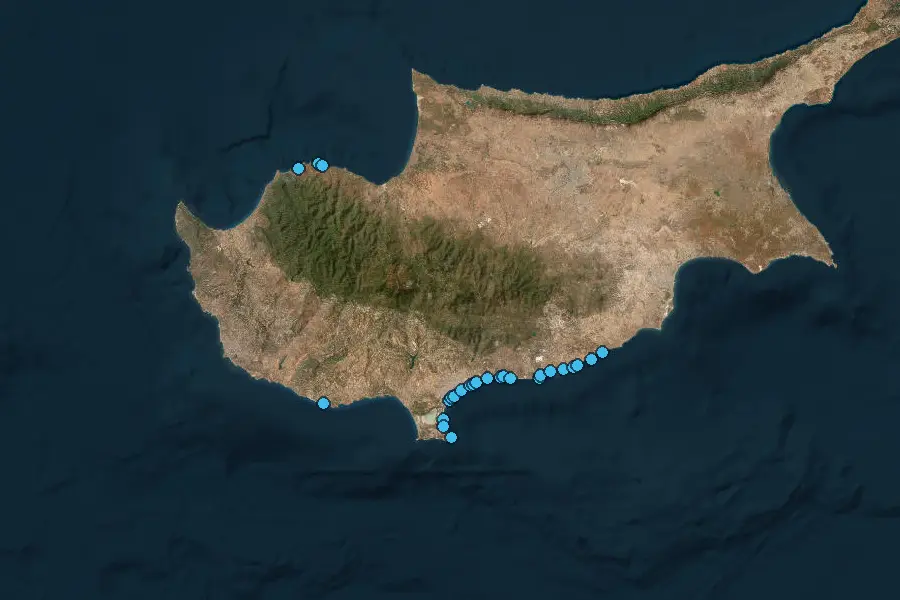
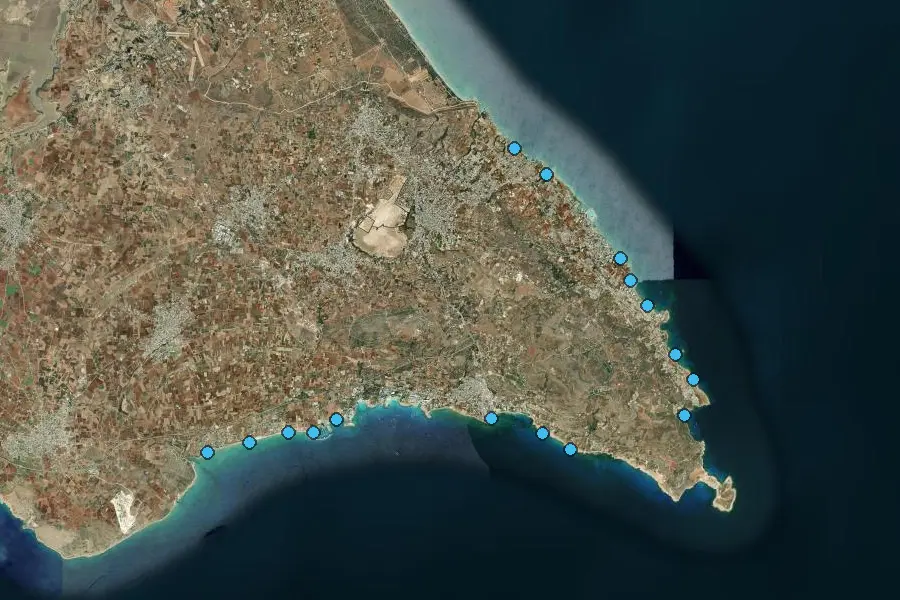
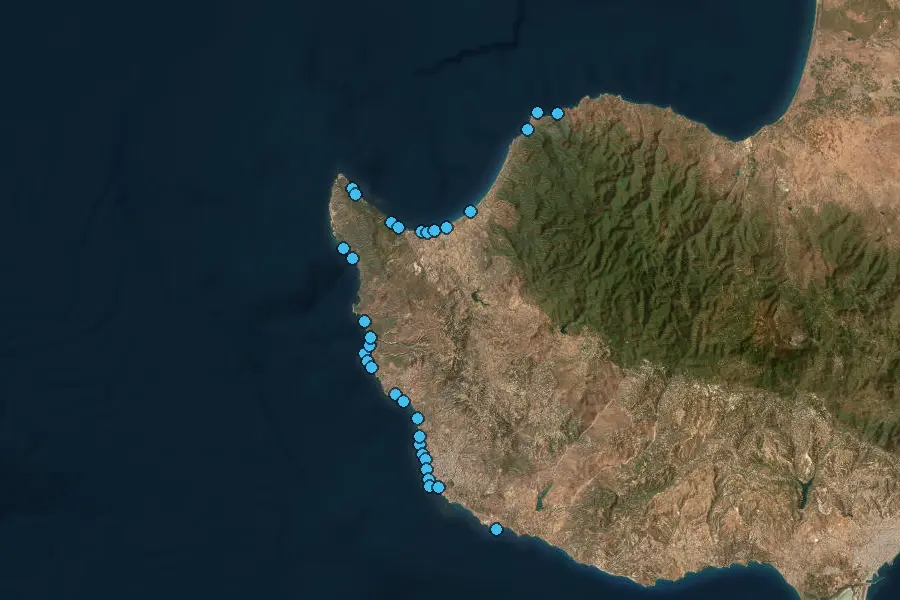
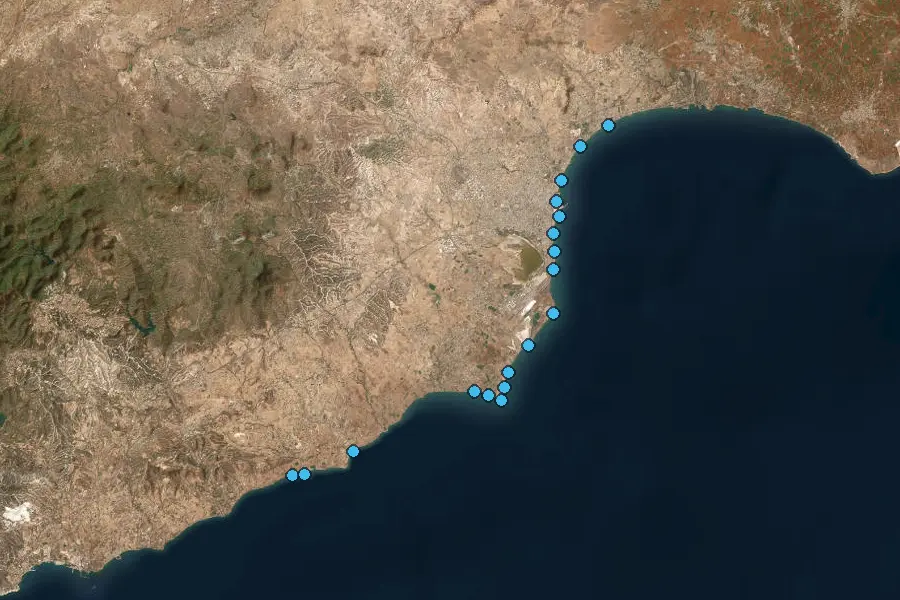
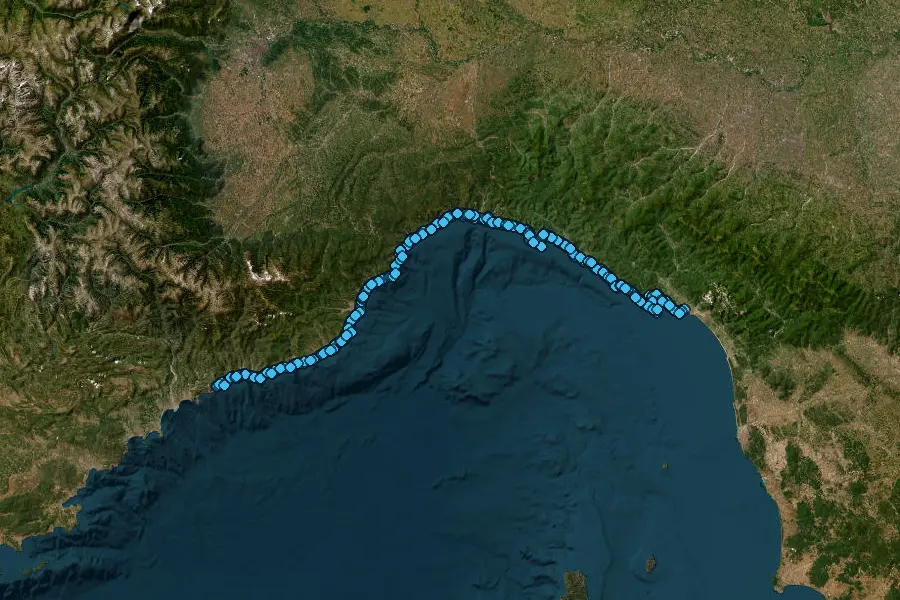
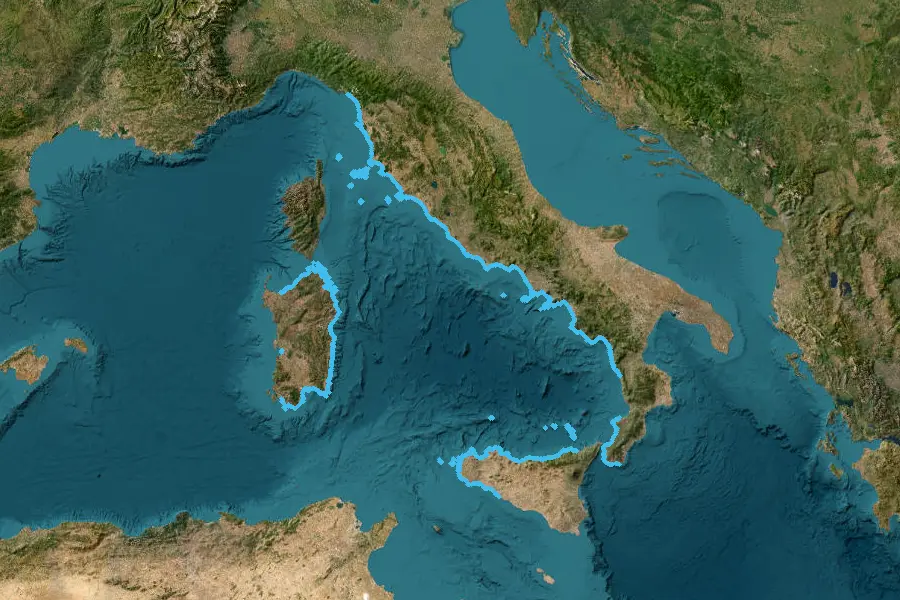
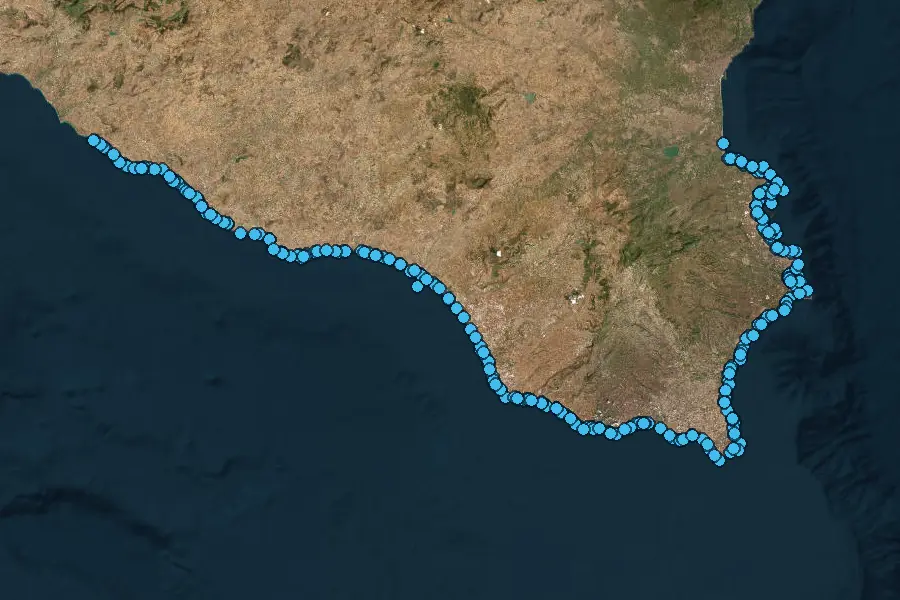
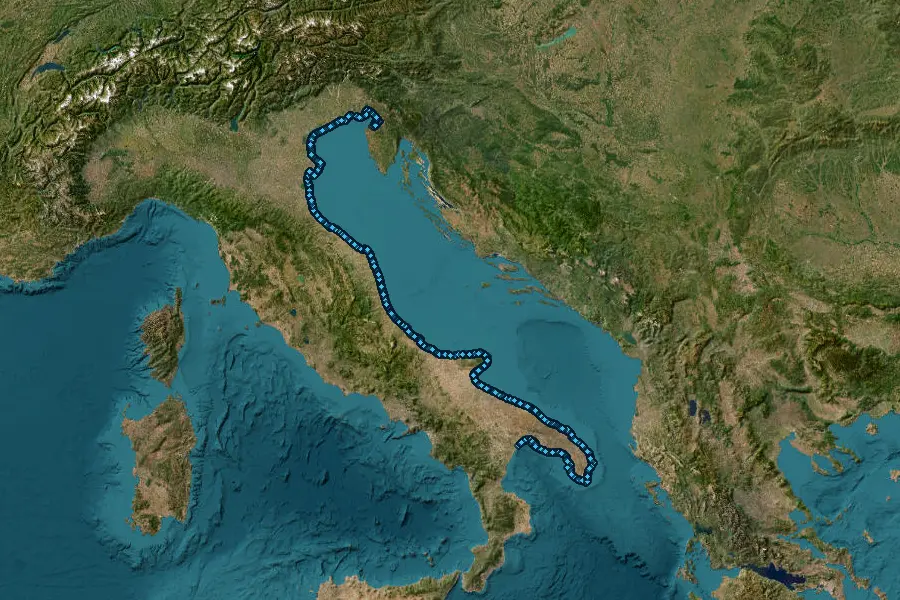
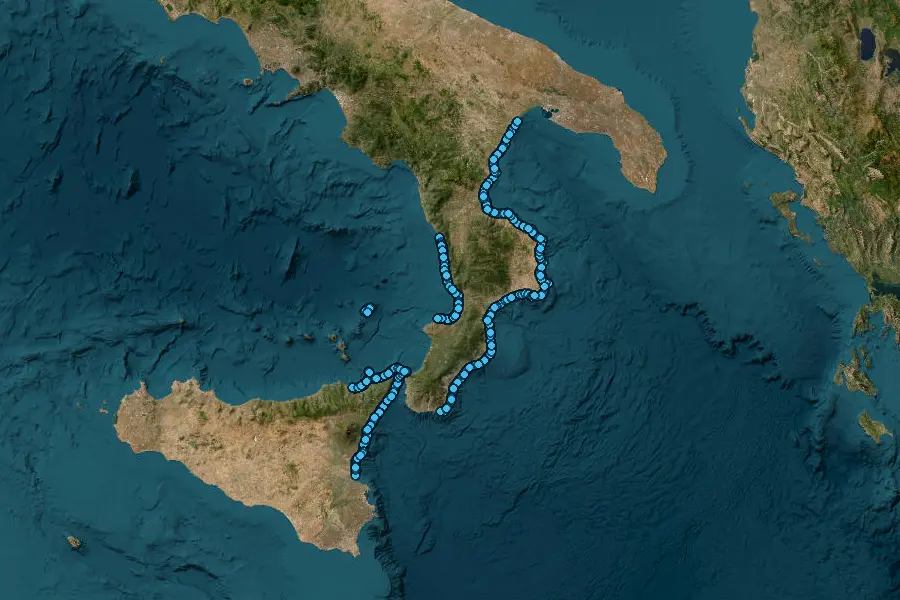
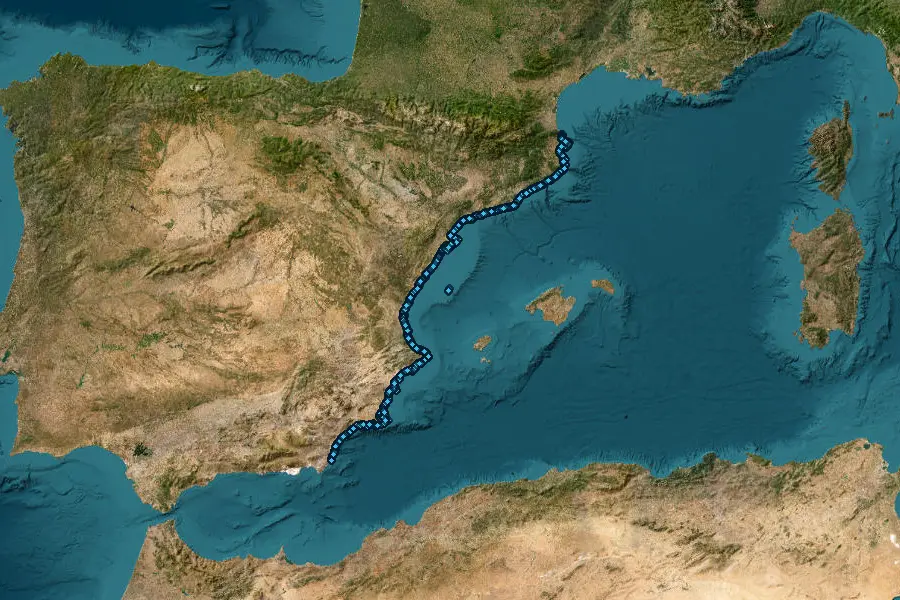
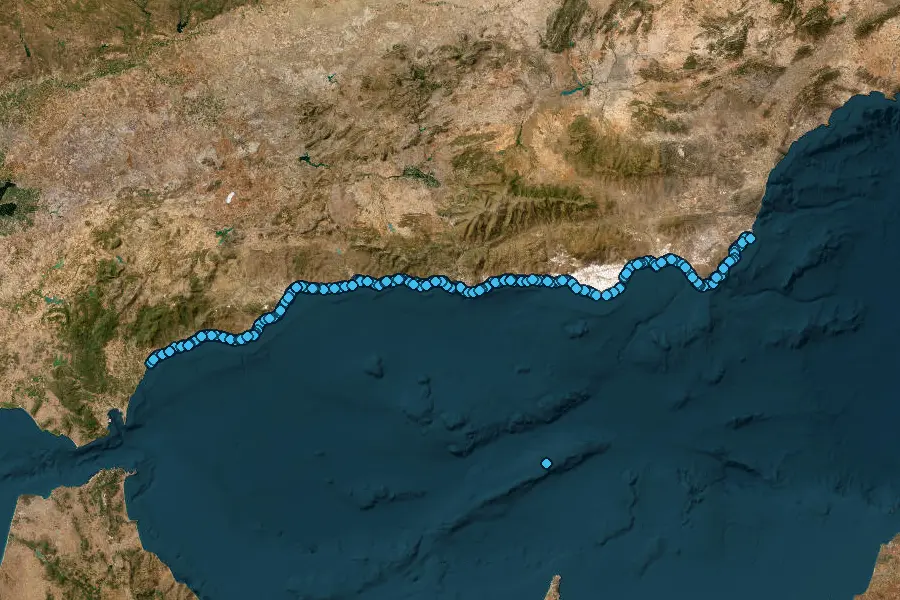
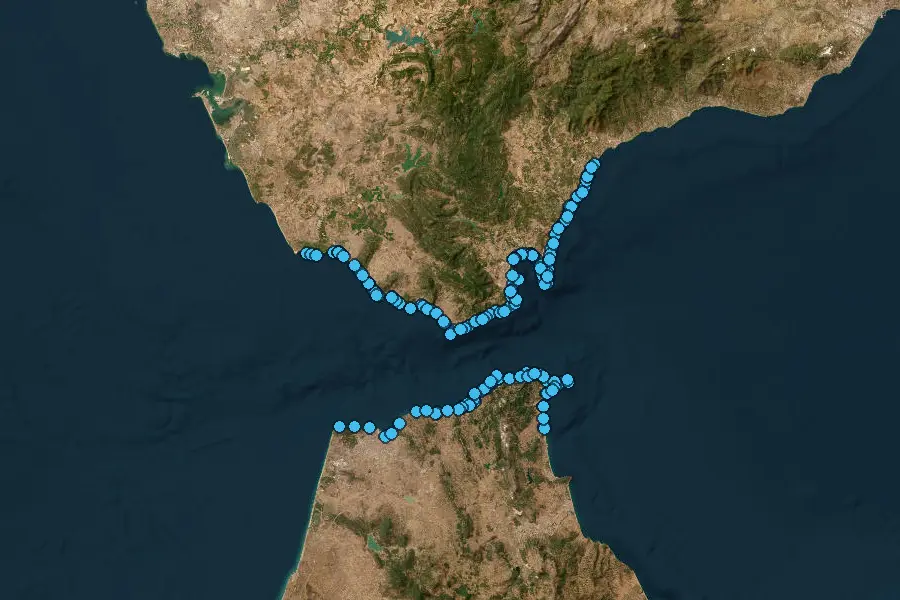
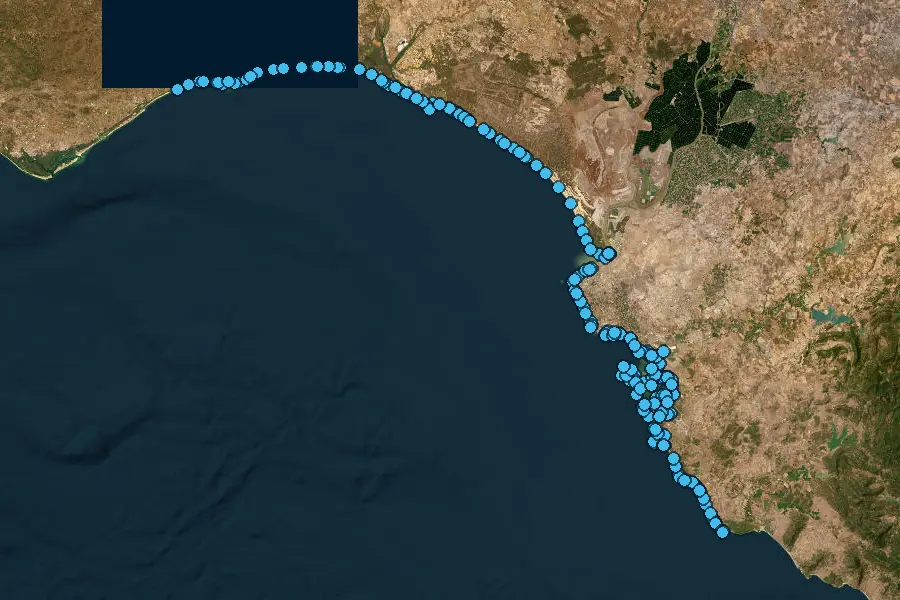
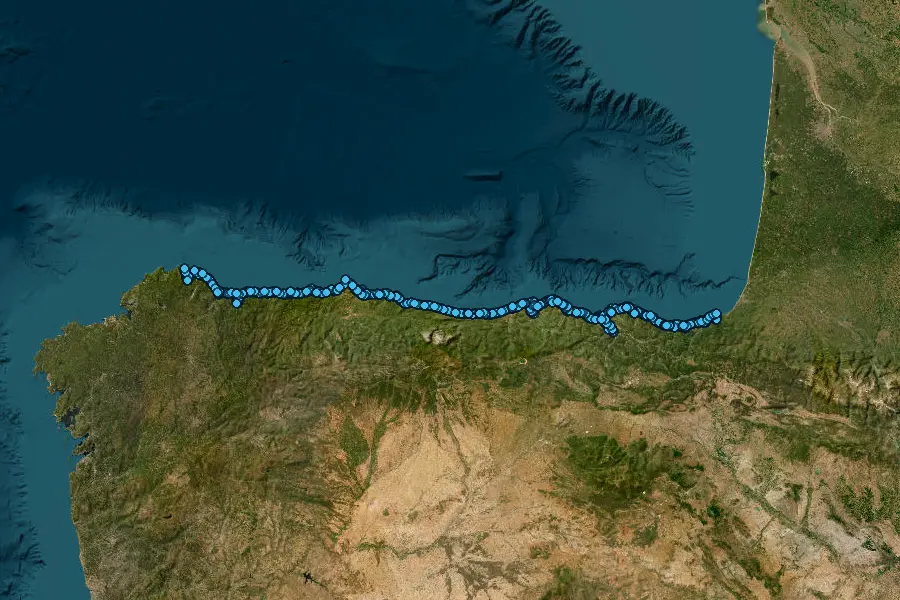
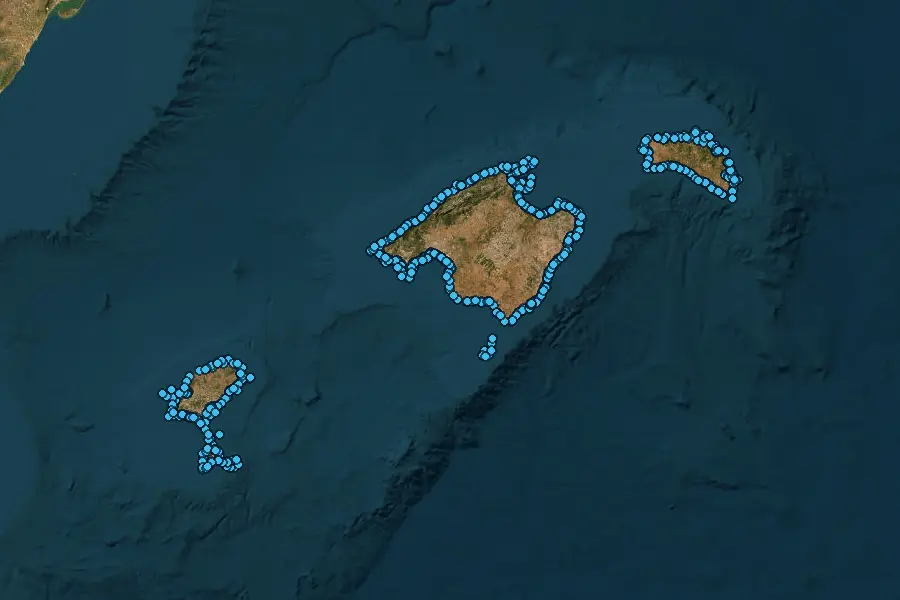
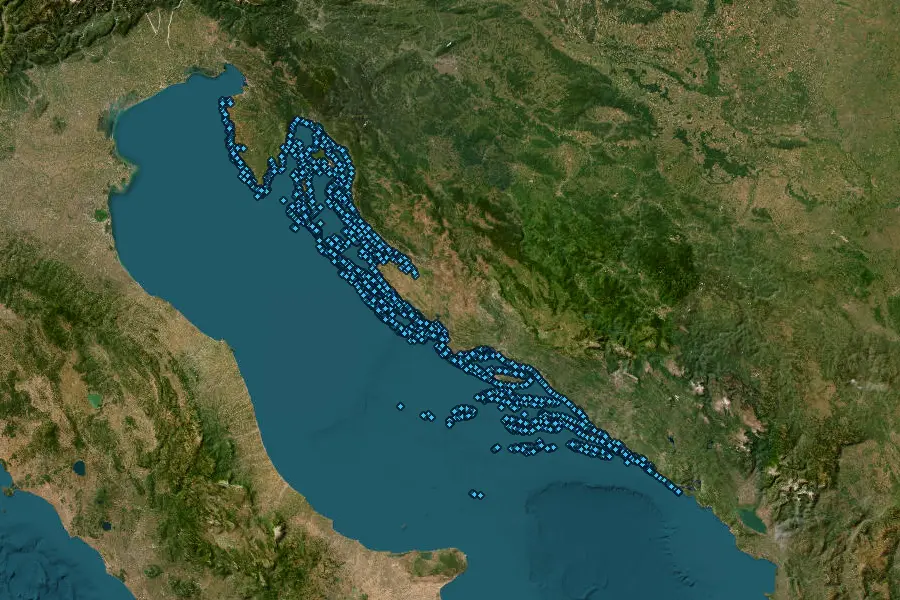
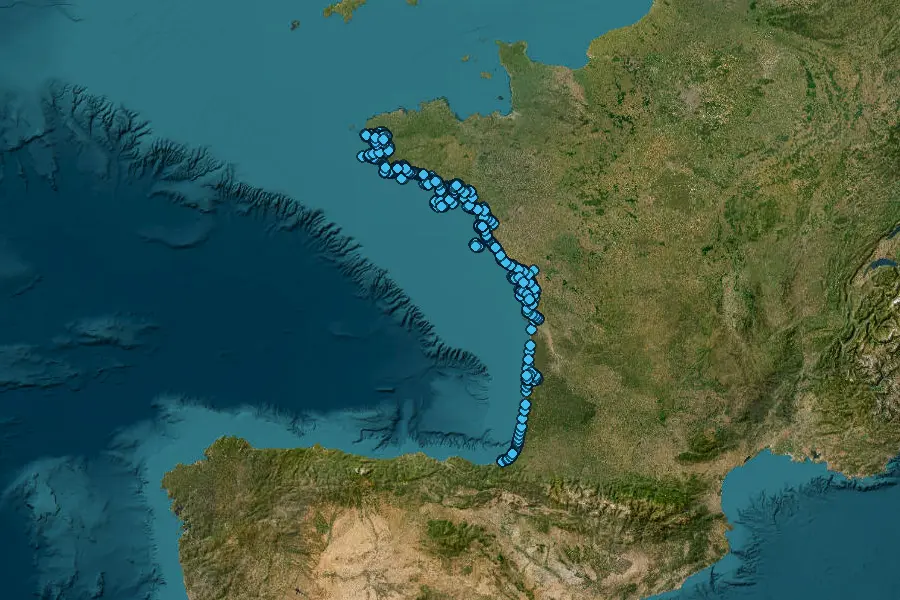
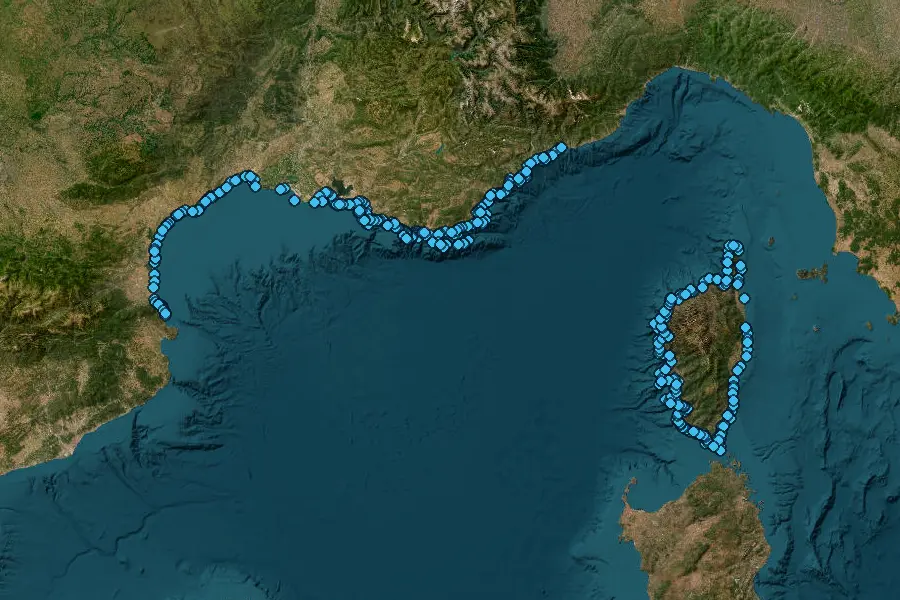
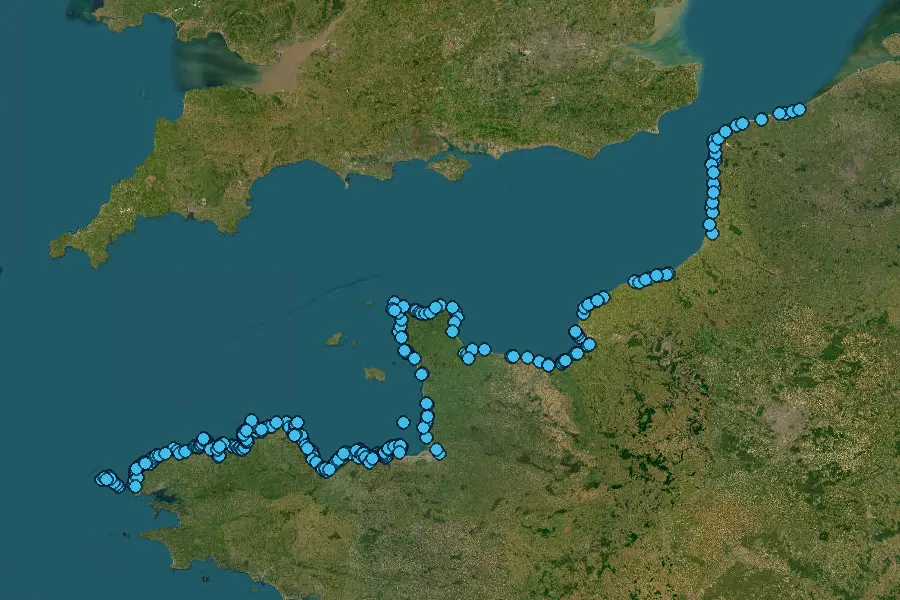
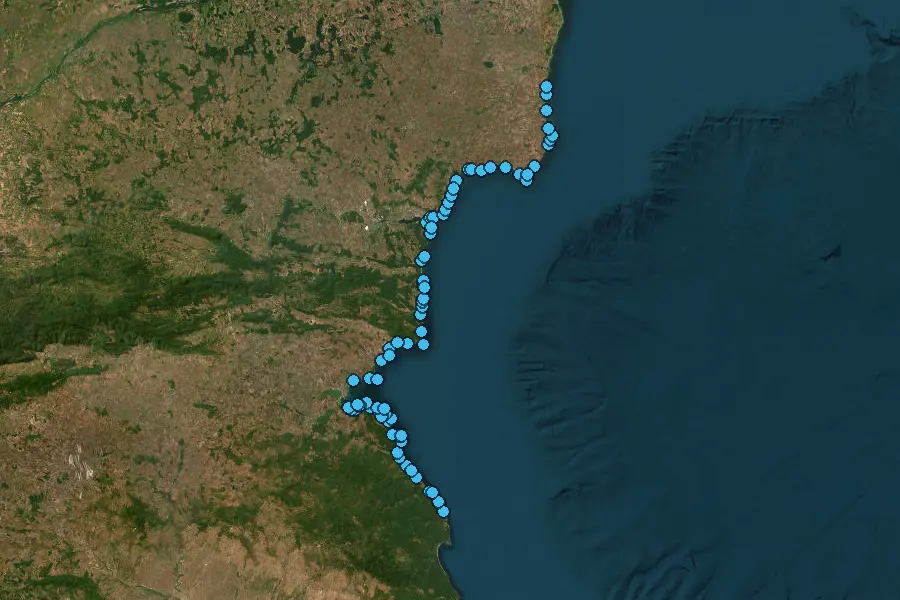
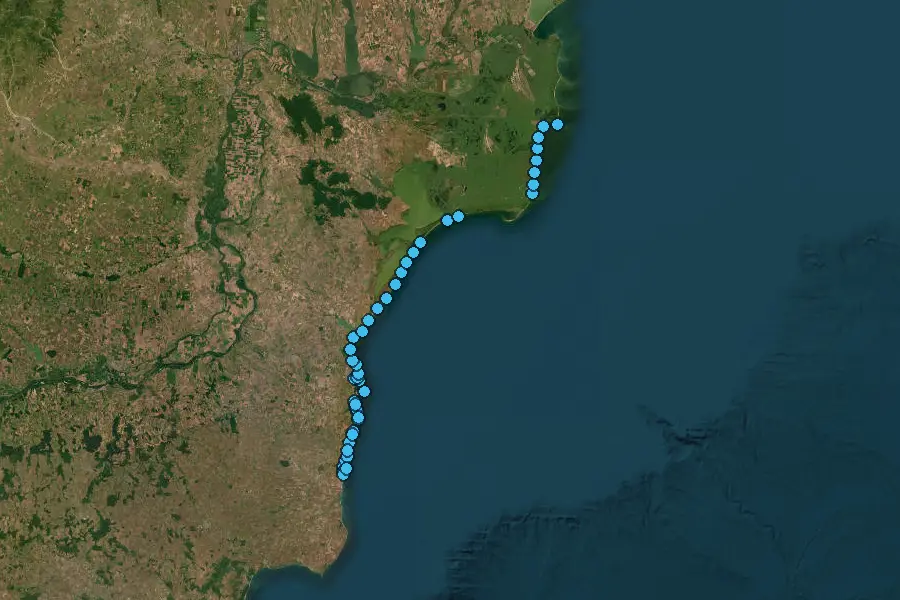
In our records Flathead grey mullet appears in these seas: Black Sea, Sea of Marmara, Aegean Sea, Mediterranean, Adriatic — Albania, Ionian Sea — Albania, North Aegean & Thrace — Greece, Central & South Aegean — Greece, Ionian Sea — Greece, Crete & Libyan Sea — Greece, Güzelyurt Bay — Northern Cyprus, Kyrenia north coast — Northern Cyprus, Famagusta–İskele — Northern Cyprus, Karpas Peninsula — Northern Cyprus, Akamas–Paphos west coast — Southern Cyprus, Paphos–Limassol south coast — Southern Cyprus, Larnaca southeast coast — Southern Cyprus, Ayia Napa–Protaras — Southern Cyprus, Ligurian Sea — Italy, Tyrrhenian Sea — Italy, Adriatic — Italy, Ionian Sea — Italy, Strait of Sicily — Italy, Sardinian Sea — Italy, Atlantic Ocean — Spain, Mediterranean — Spain, Cantabrian Sea — Spain, Balearic Sea — Spain, Alboran Sea — Spain, Gulf of Cádiz — Spain, Strait of Gibraltar — Spain, Adriatic — Croatia, Mediterranean — France, Atlantic — France, Channel & North Sea — France, Black Sea — Bulgaria, Black Sea — Romania.

In which months is Flathead grey mullet at its peak?

Peak periods by sea: Ionian Sea — Albania November–March; Adriatic — Albania November–March; Sea of Marmara all year; Black Sea all year; Aegean Sea all year; Mediterranean all year; Sardinian Sea — Italy March, April, May, September, October, November; North Aegean & Thrace — Greece October–April; Central & South Aegean — Greece October–April; Ionian Sea — Greece October–April; Crete & Libyan Sea — Greece September–June; Famagusta–İskele — Northern Cyprus December–February; Güzelyurt Bay — Northern Cyprus December–February; Kyrenia north coast — Northern Cyprus December–February; Karpas Peninsula — Northern Cyprus December–February; Paphos–Limassol south coast — Southern Cyprus December–February; Ayia Napa–Protaras — Southern Cyprus December–February; Akamas–Paphos west coast — Southern Cyprus December–February; Larnaca southeast coast — Southern Cyprus December–February; Ligurian Sea — Italy March, April, May, September, October, November; Tyrrhenian Sea — Italy March, April, May, September, October, November; Strait of Sicily — Italy March, April, May, September, October, November; Adriatic — Italy March, April, May, September, October, November; Ionian Sea — Italy March, April, May, September, October, November; Mediterranean — Spain March, April, May, September, October, November; Alboran Sea — Spain March, April, May, September, October, November; Strait of Gibraltar — Spain March, April, May, September, October, November; Gulf of Cádiz — Spain March, April, May, September, October, November; Cantabrian Sea — Spain February, March, April, August, September, October; Atlantic Ocean — Spain April, May, June, October, November, December; Balearic Sea — Spain March, April, May, September, October, November; Adriatic — Croatia May–October; Atlantic — France all year; Mediterranean — France all year; Channel & North Sea — France all year; Black Sea — Bulgaria June–September; Black Sea — Romania May–September.

Which bait is Flathead grey mullet caught with?

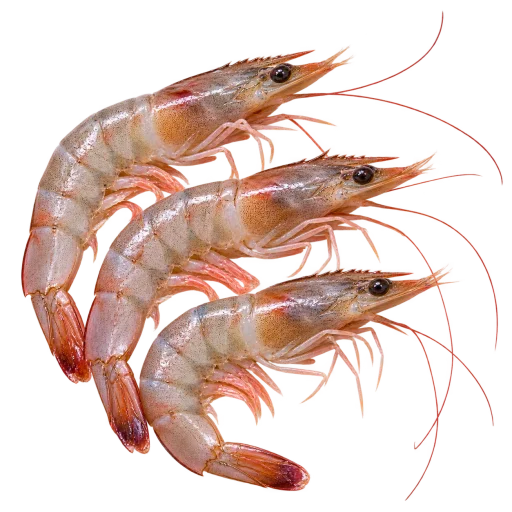
Baits and lures on record: bread, worm, shrimp, European anchovy, Atlantic horse mackerel, small soft plastic, European sprat, European sardine, mamun, sülünez, European squid.

Similar species

Pick your spot, check the conditions, then head out.

Open fishing grounds on the map

Pisca AI

Members only

Ask about this species

Flathead grey mullet · Mugil cephalus

Works with Piscatorium data: spot scores, seasonal species and tackle recipes. Type your question and the chat opens in the side panel.

What can you ask?

Weigh the answers together with their sources.

Ask Pisca AI

Pro membership

PRO MEMBERSHIP