











Skip to content

Sea fish

European seabass

Dicentrarchus labrax

Get to know the species, pick your region, find your spot.

Other names: Deniz levreği

European seabass
(c) Ruben Ciantia, some rights reserved (CC BY) · source
Habitat
Shore · lagoon · estuary
Method
Spinning · LRF · Bait fishing
Family
Moronidae

Choose your region

The information changes with the region you choose.

Where is European seabass caught?

Explore the regions or go straight to the map.

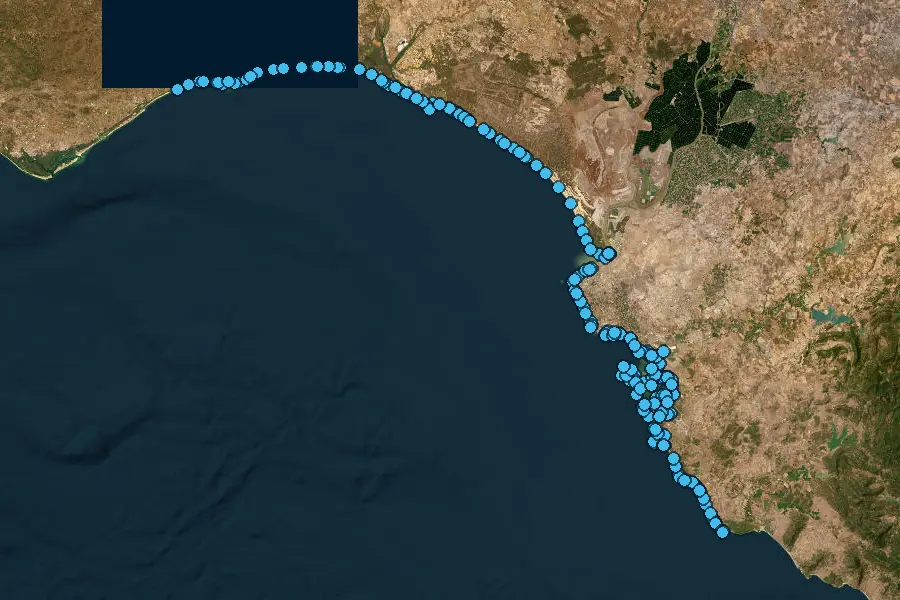
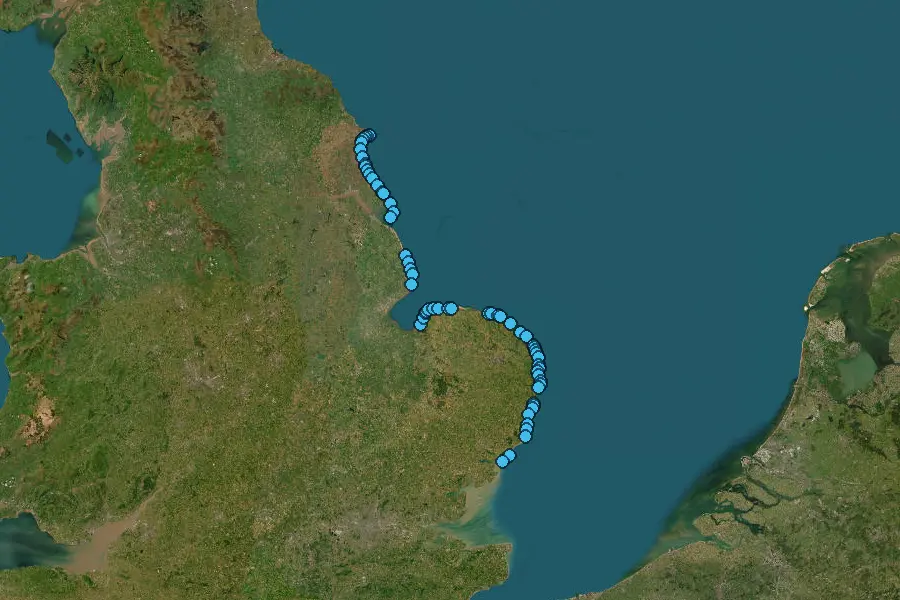
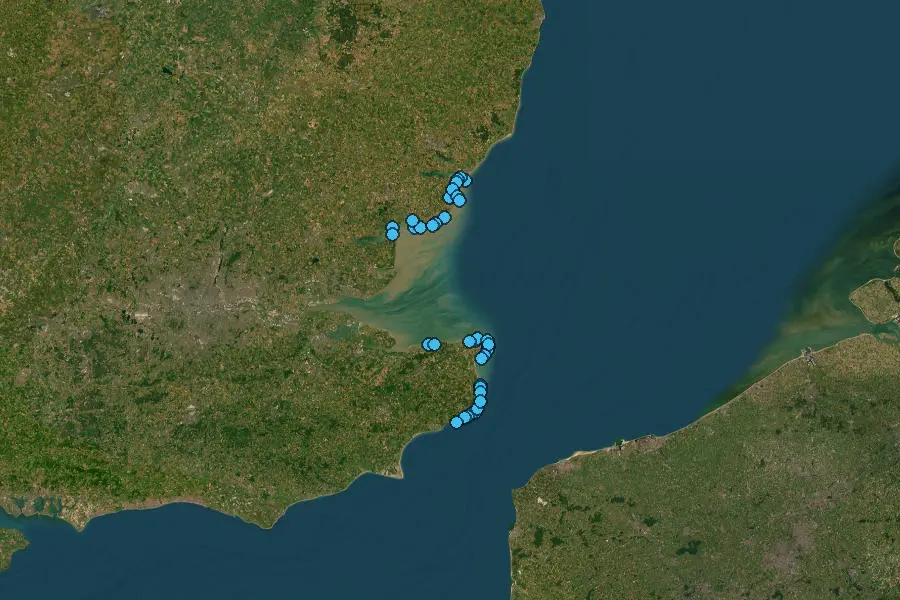
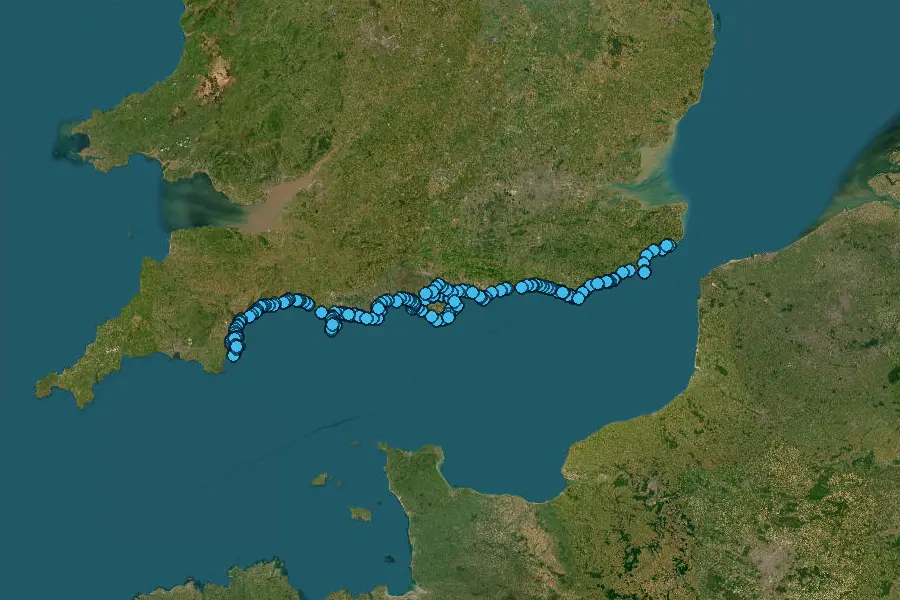
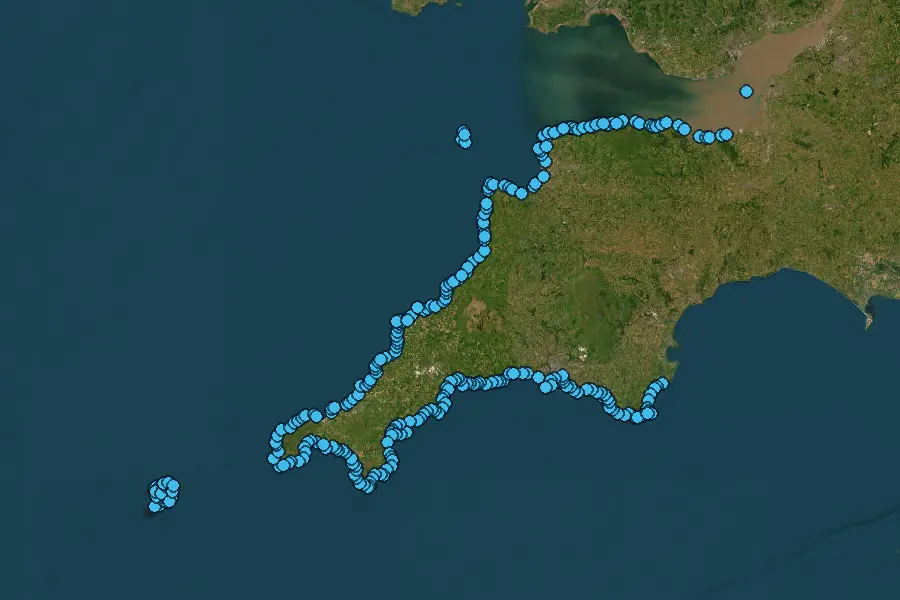
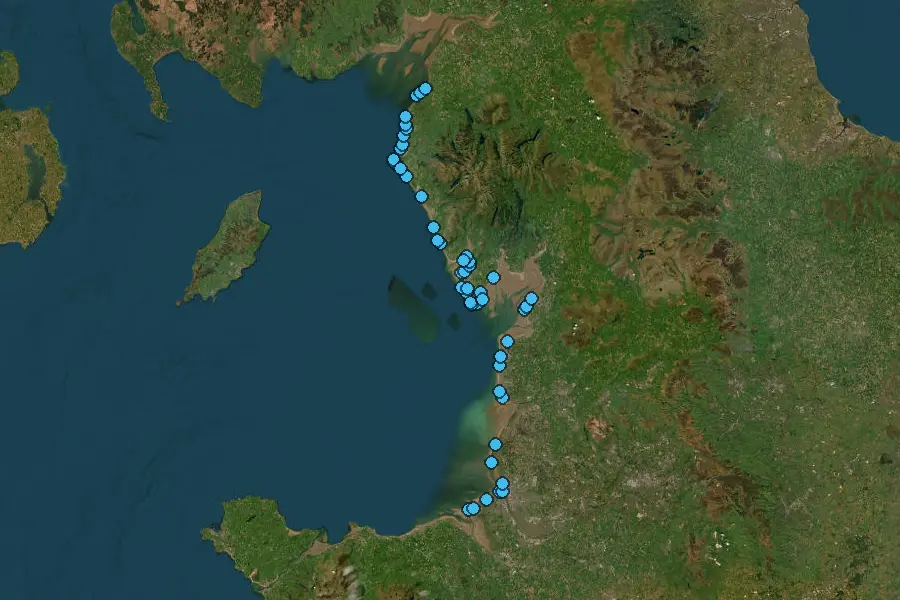
South West coast fishing spots

274
South West coast
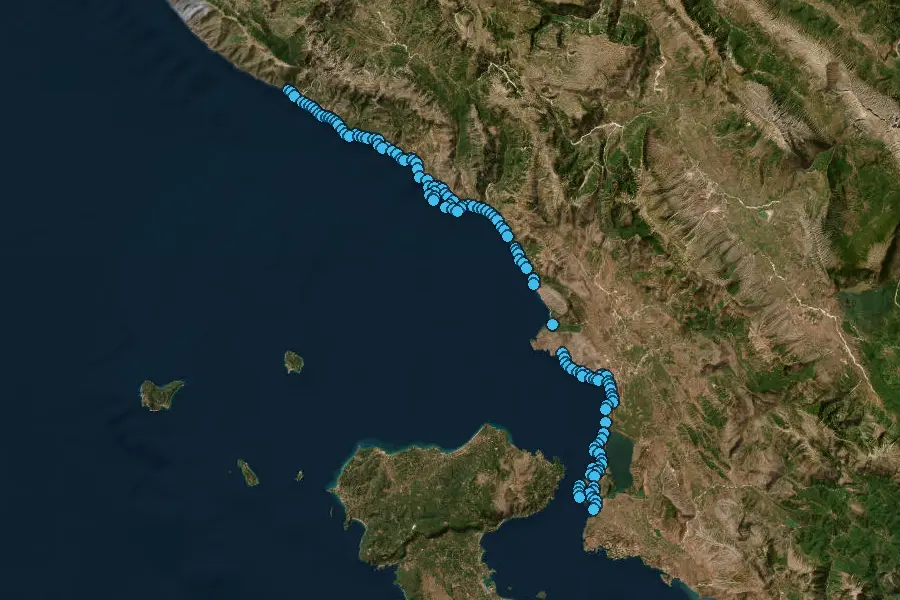
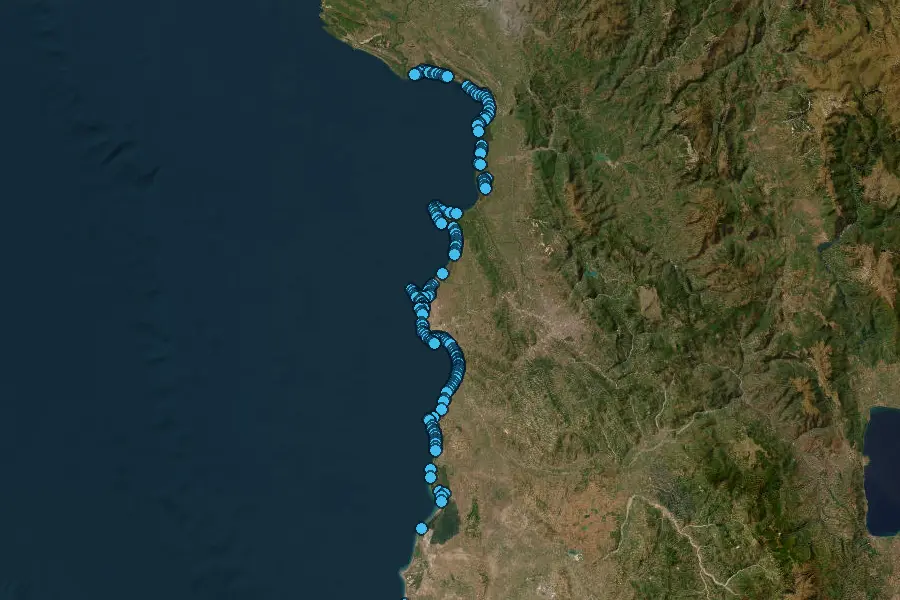
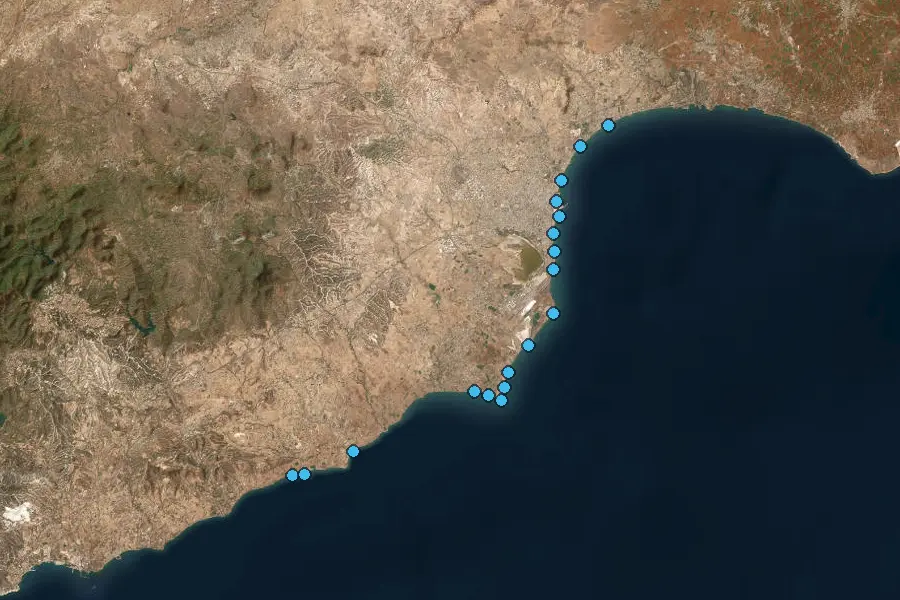
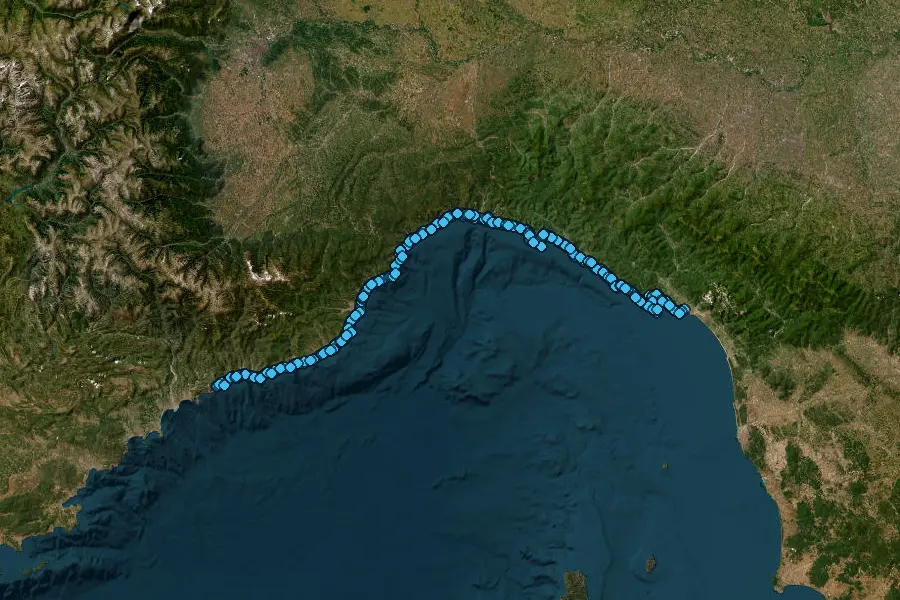
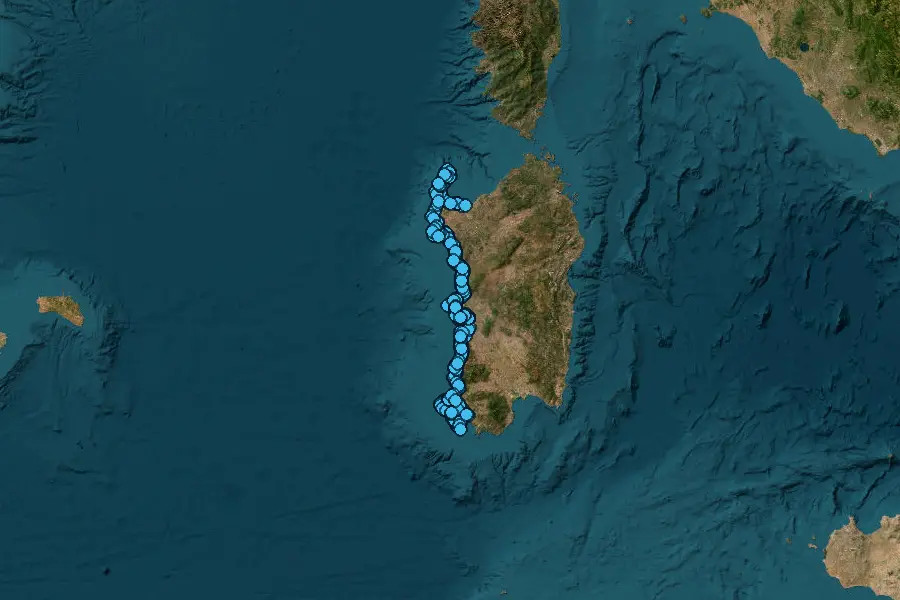
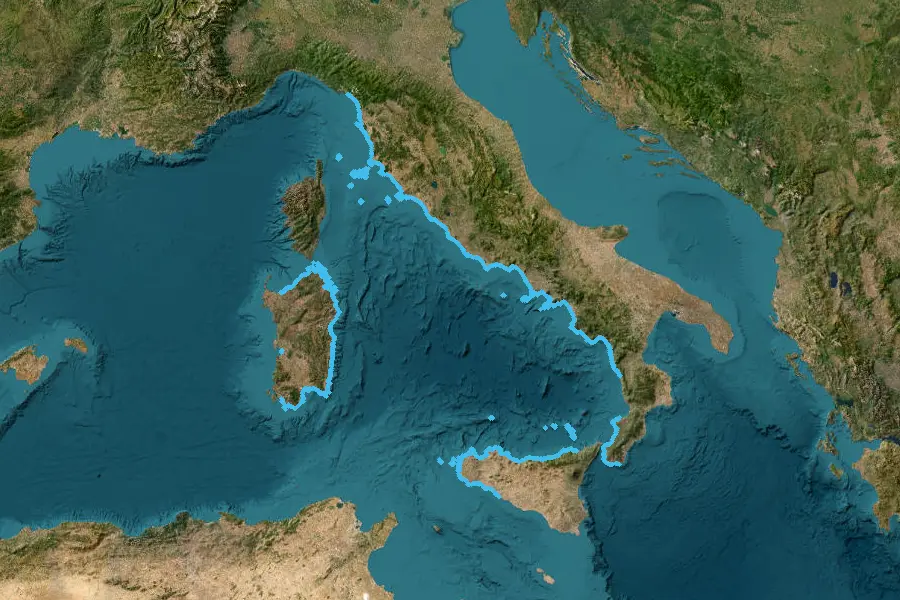
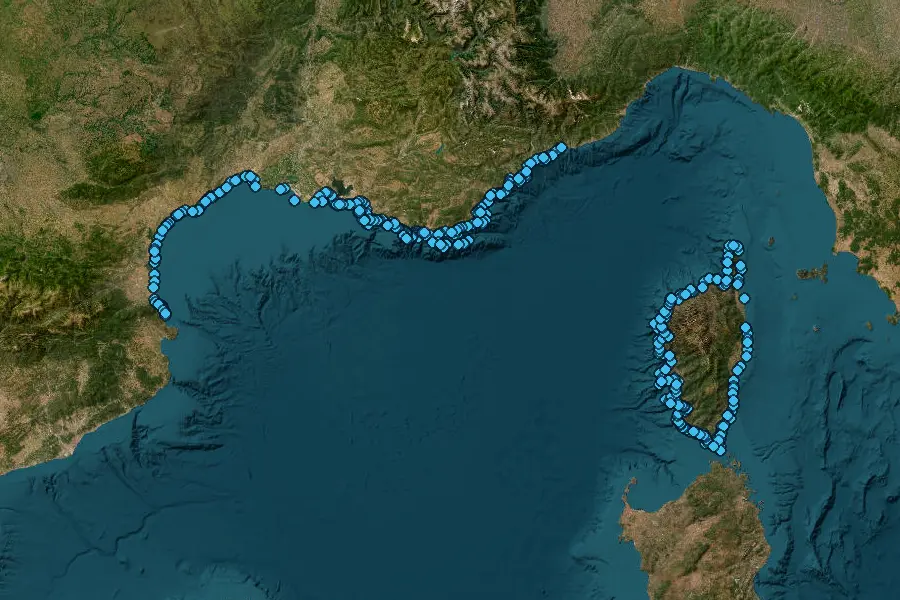
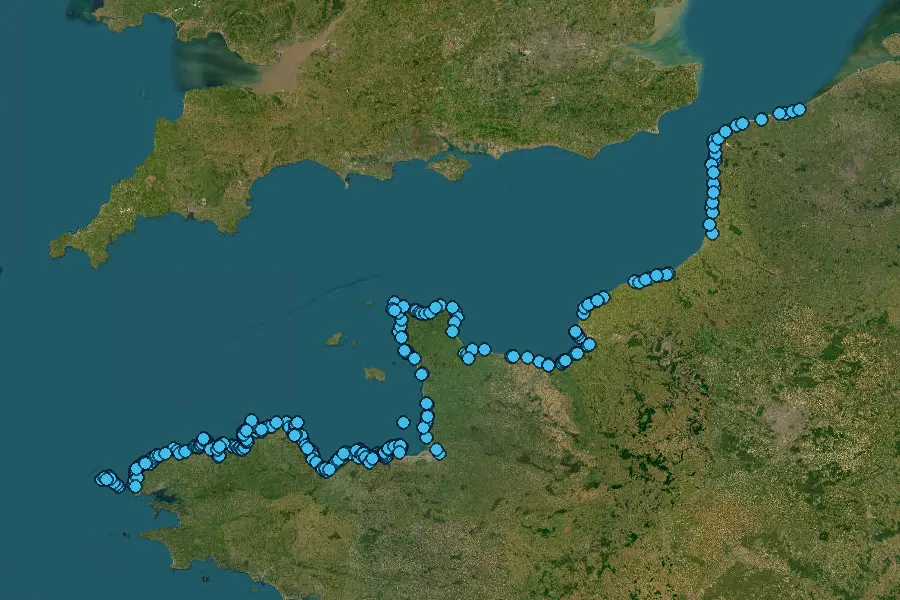
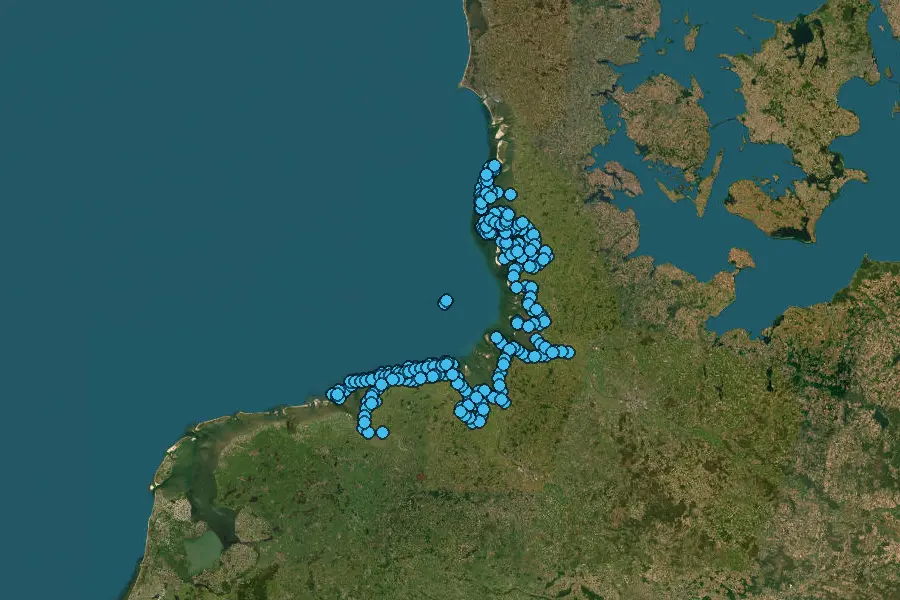
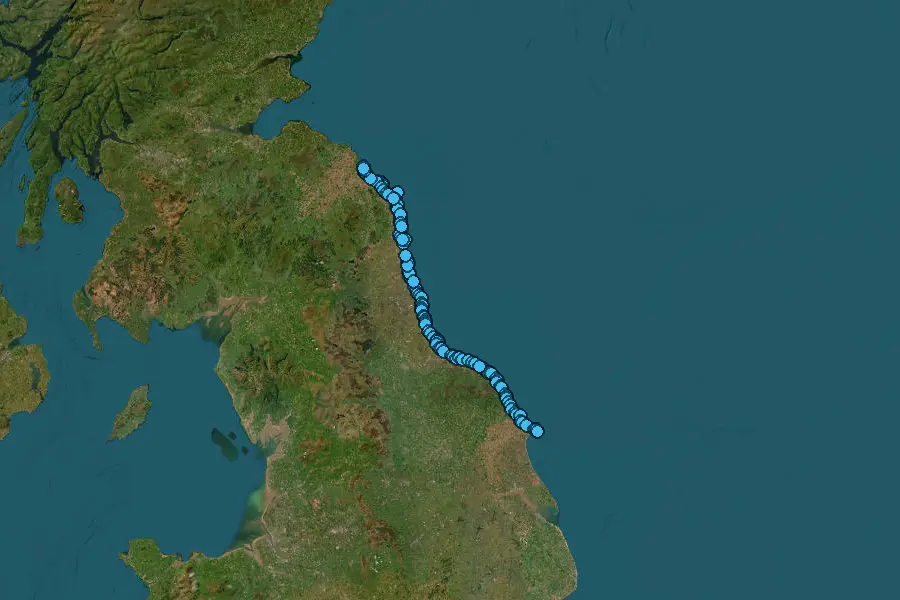
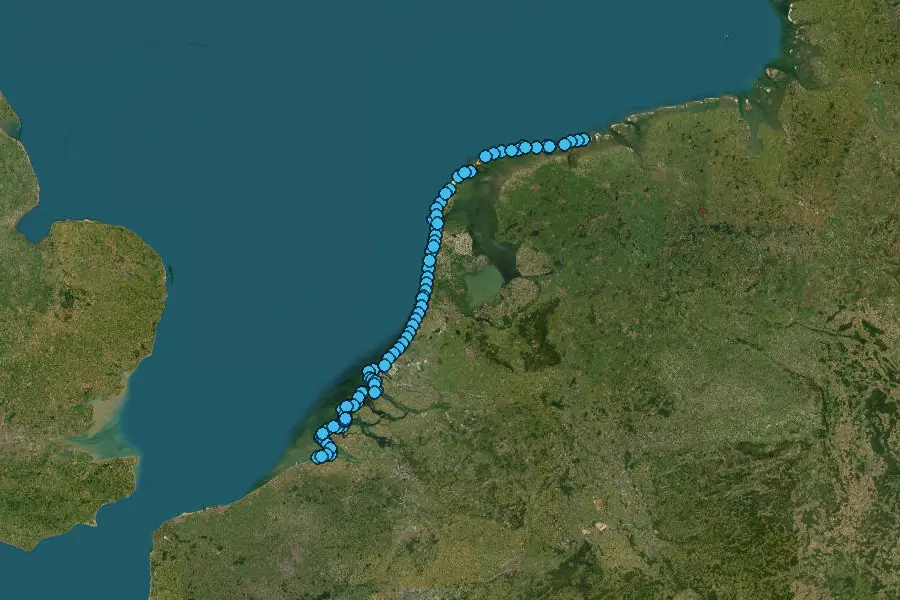
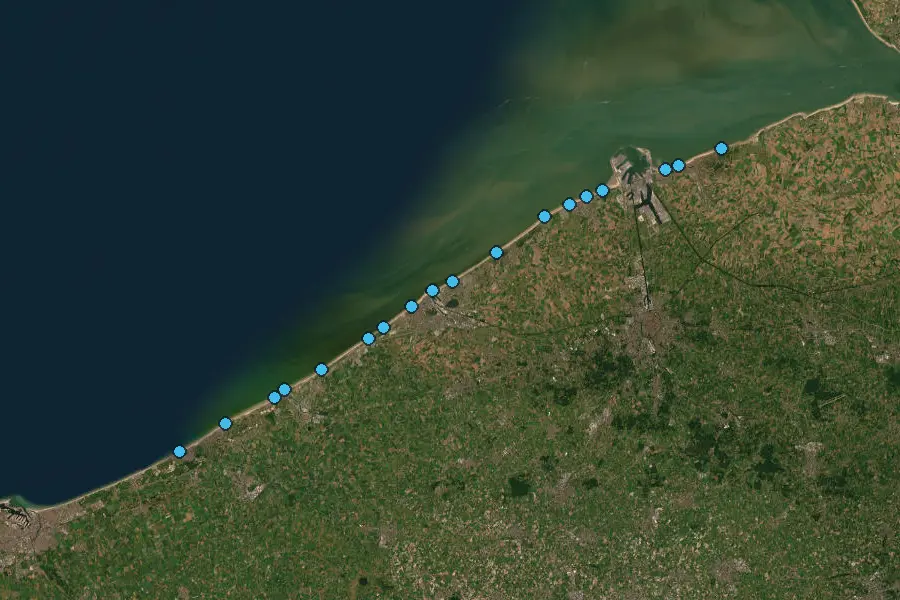
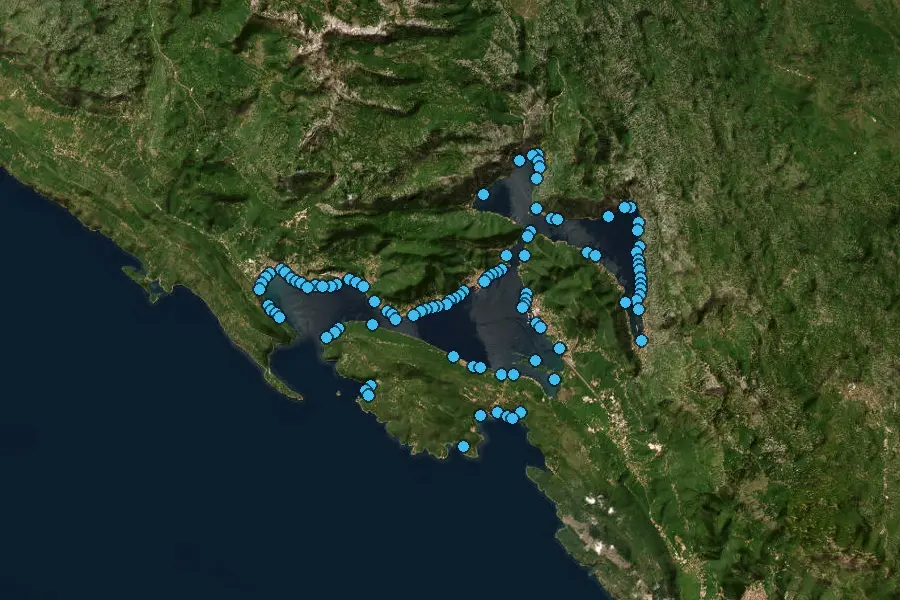
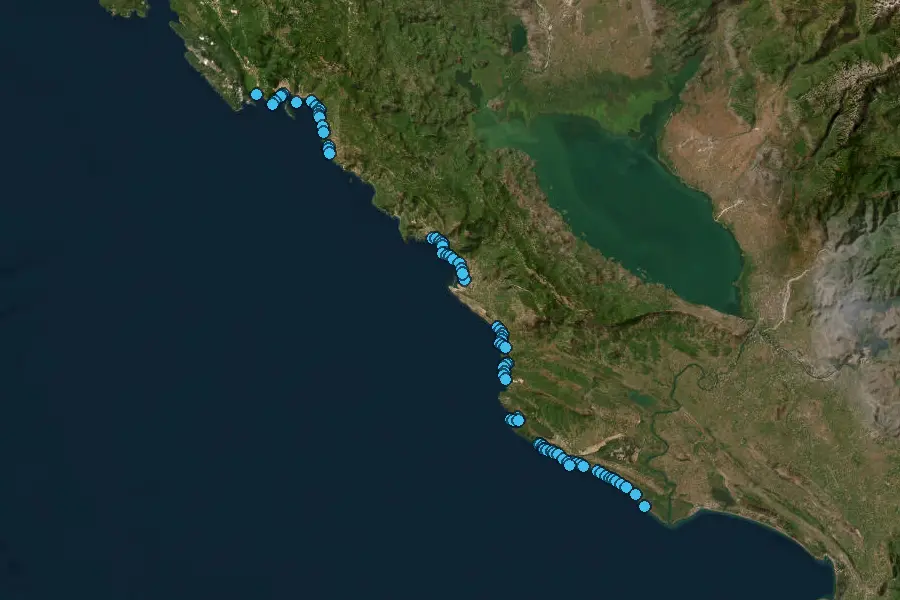
Map preview

Explore the coast on the map

Open map

A listed spot is not a guarantee of a catch.

South West coast

Season and suitable conditions

Check the season information for the region you chose.

Peak months: May, Jun, Jul, Aug, Sep

Season information is no guarantee of a catch.

Best spots in October

By month

Average monthly score of the spots in Turkey (0–100).

  1. 90 Jan
  2. 90 Feb
  3. 81 Mar
  4. 81 Apr
  5. 73 May
  6. 69 Jun
  7. 66 Jul
  8. 65 Aug
  9. 73 Sep
  10. 86 Oct
  11. 93 Nov
  12. 90 Dec

The best spot in each Turkish province, by this month’s score.

  1. Kocaman Deresi Alaplı, Zonguldak 100/100 Very good
  2. Akçakoca Liman 3 Akçakoca, Düzce 100/100 Very good
  3. Karacabey Boğazı Karacabey, Bursa 96/100 Very good
  4. Bakla Burnu Deniz Feneri Gelibolu, Çanakkale 96/100 Very good
  5. Gökçetepe Plajı Keşan, Edirne 96/100 Very good

A 0–100 score from season, water temperature, habitat and local records; a general trend, not a guarantee.

Best times of day

When in the day it bites best, month by month.

  • Active at dawn and dusk
  • Good at night

In October

  1. Dawn Best 100

    1.5 h before sunrise → 1.5 h after

  2. Midday 40

    1 h before midday → 1 h after

  3. Dusk 95

    1.5 h before sunset → 2 h after

  4. Night 85

    1 h after sunset → 3 h before sunrise

Moon phase

Effect of the moon on night fishing; the scores compare the phases.

  1. New moon 75
  2. First quarter 60
  3. Full moon 65
  4. Last quarter 60

Best phase: New moon

Windows across 12 months

Best times of day J F M A M J J A S O N D
Dawn 100 100 95 95 95 90 90 90 100 100 100 100
Midday 45 45 35 35 35 40 40 40 45
Dusk 90 90 90 90 90 85 85 85 95 95 95 90
Night 75 75 70 70 70 90 90 90 85 85 85 75

Windows follow sunrise and sunset; clock times change with place and date. Scores are relative within the month: 100 is the best window of the day.

10 sources · confidence high

Habitat

Where it lives and in what kind of water: ranges compiled by the research.

Depth

0–100 m

mostly 0–30 m

Water temperature

8–33 °C

ideal 22–26 °C

Salinity

Also enters brackish water

0–50 ‰

Shore types

  • Sandy beach
  • Delta / alluvial shore
  • Cove / inner bay
  • Rocky shore
  • Breakwater / jetty
  • Pier / quay
  • Headland
  • Mixed shore
  • River / stream mouth
  • Lagoon / weir mouth
  • Channel / strait link
  • Inside harbours
  • Harbour mouth
  • Strait shore
  • Reclaimed shore

Bottom

Lives close to the bottom

  • Sand
  • Rock
  • Sand, gravel and rock

Ranges from FishBase, AquaMaps and the literature; a general tendency, not a hard limit.

Confidence: shore type high, temperature high

Bait and tackle suggestions

Recorded baits and fishing techniques.

Bait by month

Baits documented for shore fishing, month by month and by water clarity.

In October

By water clarity

Inshore / reef predator — Semi-pelagic; ambushes and chases. Good eyesight and a strong lateral line; takes both kinds of bait.

Clear Visibility: over 8 m
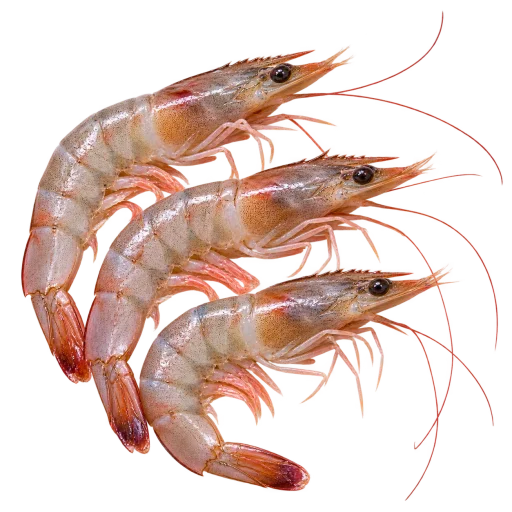
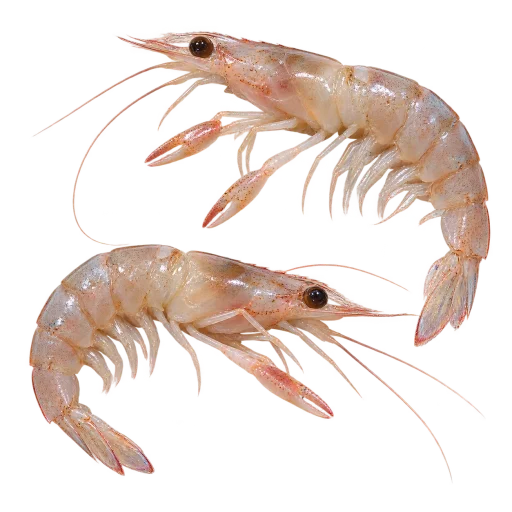
Lure first, natural also works First natural bait: Shrimp · Very suitable Usually in this water: Live shrimp or a live small fish; thin leader; dawn, dusk and night first. First lure: Sinking minnow · Very suitable Usually in this water: Natural-coloured soft shad/minnow, LRF, slim hard lure; slow and natural. Colour: Silver, White
Slightly coloured Visibility: 4–8 m
Lure First natural bait: Shrimp · Very suitable Usually in this water: Live shrimp or worm, fresh sardine pieces. First lure: Topwater lure · Very suitable Usually in this water: Hard minnow, jighead + shad, stickbait. Colour: White, Silver
Moderately coloured Visibility: 2–4 m
Natural first, lures also work First natural bait: Shrimp · Very suitable Usually in this water: Live shrimp or worm, or a piece of oily fish; one size bigger. First lure: Jighead + soft swimbait · Very suitable Usually in this water: Paddle-tail shad, vibe, spinner; vibration first. Colour: White, Silver, Glow (UV)
Murky Visibility: 1–2 m
Natural first, lures also work First natural bait: Shrimp · Suitable Usually in this water: Bloodworm, crab, cut bait; on the bottom or at mid-depth; chum. First lure: Jighead + soft swimbait · Very suitable Usually in this water: Rattling vibe, scented soft plastic; near the bottom, slow. Colour: Dark silhouette, Glow (UV), White
Very murky Visibility: under 1 m
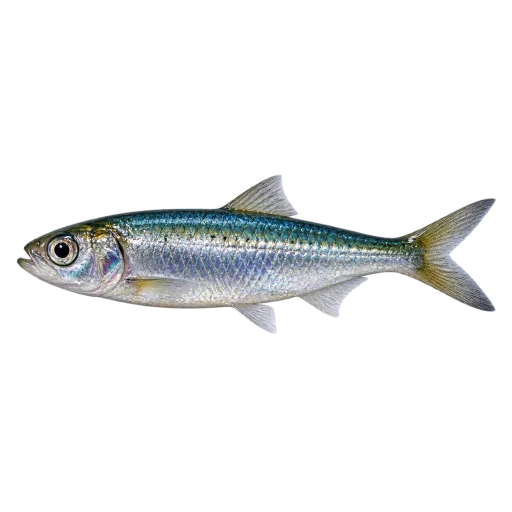
Natural bait First natural bait: Sardine · Suitable Usually in this water: The strongest scent: fish guts, cut mackerel or sardine, mussel; big pieces. First lure: Jighead + soft swimbait · Weak Usually in this water: Not recommended; if you must, scented and rattling. Colour: Dark silhouette, Glow (UV)

Night colour: Dark silhouette, Glow (UV), White

12-month bait calendar
January
Natural baits: Lugworm, Razor clam, Shrimp, Sardine, Cuttlefish Lures: Sinking minnow, Hard minnow, Jighead + soft swimbait, Topwater lure
February
Natural baits: Lugworm, Razor clam, Shrimp, Sardine Lures: Sinking minnow, Hard minnow, Jighead + soft swimbait, Topwater lure
March
Natural baits: Shrimp, Razor clam, Diopatra tube worm, Crab Lures: Sinking minnow, Hard minnow, Jighead + soft swimbait, Topwater lure
April
Natural baits: Shrimp, Razor clam, Diopatra tube worm, Crab Lures: Hard minnow, Jighead + soft swimbait, Topwater lure, Sinking minnow
May
Natural baits: Shrimp, Razor clam, Diopatra tube worm, Crab Lures: Hard minnow, Jighead + soft swimbait, Topwater lure, Sinking minnow
June
Natural baits: Shrimp, Razor clam, Peanut worm, Mullet Lures: Jighead + soft swimbait, Bombarda + fly, Sinking minnow, Topwater lure
July
Natural baits: Shrimp, Razor clam, Peanut worm, Mullet Lures: Jighead + soft swimbait, Bombarda + fly, Sinking minnow, Topwater lure
August
Natural baits: Shrimp, Razor clam, Peanut worm, Mullet Lures: Jighead + soft swimbait, Bombarda + fly, Sinking minnow, Topwater lure
September
Natural baits: Shrimp, Cuttlefish, Squid, Sardine Lures: Hard minnow, Jighead + soft swimbait, Topwater lure, Sinking minnow
October
Natural baits: Shrimp, Cuttlefish, Squid, Sardine Lures: Hard minnow, Jighead + soft swimbait, Topwater lure, Sinking minnow
November
Natural baits: Shrimp, Cuttlefish, Squid, Sardine Lures: Sinking minnow, Hard minnow, Jighead + soft swimbait, Topwater lure
December
Natural baits: Lugworm, Razor clam, Shrimp, Sardine Lures: Sinking minnow, Hard minnow, Jighead + soft swimbait, Topwater lure

This is the usual pattern; the water and weather on the day can change it. Colour is fine-tuning: bait type, size and action come first. Confidence: natural high, lures high. Colour and presentation guide

Fishing technique

Tackle recipe

Bombarda/Bubble Float

Surface trolling

Casting a light bait or lure far with a clear/bubble float

  • Level: Beginner–Advanced
  • Effort: Low–Moderate
Rod
3.00–4.20 m; 10–50 g
Reel
2500–4000
Main line
0.20–0.28 mm mono or PE 0.8–1.2
Leader/trace
1–2 m; 0.18–0.28 mm
Hook/lure
#10–#4 or garfish rope lure
Bait/lure
Soft plastic worm
Connector
Swivel/clip; pick a suitable breaking strain

Watch out: Long rigs snagging behind you

Keep with you: Pliers, hook remover, glasses and first aid

Regulations: Communiqué 2024/21 Article 16 hook and line limits and place bans are checked
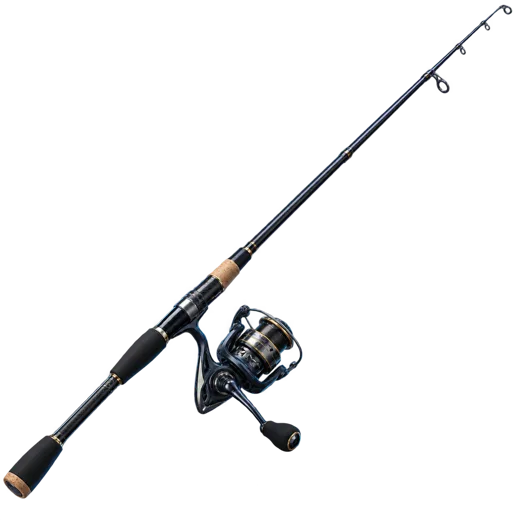
  • Rod

  • Reel

  • Line and leader

A setup to start from. Rod length, line diameter and drag are changed to suit the size of fish you are after and the current and bottom structure of the ground.

Tackle recipe

Spin

Spinning

Cast-and-retrieve fishing with plugs, spoons and soft plastics

  • Level: Beginner–Advanced
  • Effort: Moderate
Rod
2.40–3.00 m; 5–40 g
Reel
2500–4000
Main line
PE 0.8–1.5
Leader/trace
0.28–0.45 mm fluorocarbon
Hook/lure
Single/treble on the lure; check regulations and safety
Bait/lure
Sinking minnow
Connector
Swivel/clip; pick a suitable breaking strain

Watch out: Lure casting path and rocky ground

Keep with you: Pliers, hook remover, glasses and first aid

Regulations: Communiqué 2024/21 Article 16 hook and line limits and place bans are checked
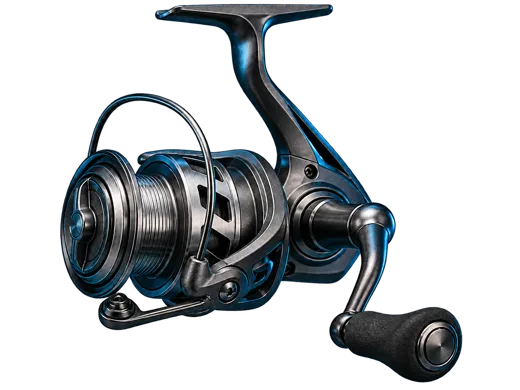
A setup to start from. Rod length, line diameter and drag are changed to suit the size of fish you are after and the current and bottom structure of the ground.

Tackle recipe

Saltwater Fly

Shore fly fishing

Surface and shallow-water fishing with artificial flies/streamers

  • Level: Advanced
  • Effort: Low
Rod
#6–#10 class; around 2.70 m
Reel
Saltwater fly reel
Main line
Floating/intermediate fly line
Leader/trace
0.25–0.45 mm tapered leader
Hook/lure
#8–2/0 fly
Bait/lure
Streamer
Connector
Swivel/clip; pick a suitable breaking strain

Watch out: Back-cast clearance and wind

Keep with you: Pliers, hook remover, glasses and first aid

Regulations: Communiqué 2024/21 Article 16 hook and line limits and place bans are checked
A setup to start from. Rod length, line diameter and drag are changed to suit the size of fish you are after and the current and bottom structure of the ground.

See tackle suggestions

Fishing rules for Türkiye

Türkiye

Minimum size
25 cm
Maximum quantity
5 kg

Single-species or mixed total; details and exceptions are in the regulation.

No species-specific closed season is listed; area and method rules still apply.

Legal basis: 2024/21 Çizelge 7 communiqué text

MVT0024

2024/21 Çizelge 7

No additional species note; the general provisions of 2024/21 apply No species-based time closure is stated; the area and method provisions are reserved

The table in our records

Minimum size
25 cm
Maximum quantity
5 kg

The article text is taken from the communiqué. The table above was carried into our own records from the relevant rows of the communiqué and may be abridged. The official publication is what binds. Official communiqué (PDF) →

Fishing rules for Greece

Greece

Minimum size
25 cm
Maximum quantity
5 kg

Closed season: Tür/alan/dönem için daha sıkı kural olabilir

Legal basis: EU 2019/1241 Ek IX + Yunan ulusal mevzuatı communiqué text

Species size/quantity limit

EU 2019/1241 Ek IX + Yunan ulusal mevzuatı

AB asgari boy + Yunan Sahil Güvenliği genel günlük miktar çerçevesi; resmî güncel metin kontrol edilir

The table in our records

Minimum size
25 cm
Maximum quantity
5 kg
Closed season
Tür/alan/dönem için daha sıkı kural olabilir

The article text is taken from the communiqué. The table above was carried into our own records from the relevant rows of the communiqué and may be abridged. The official publication is what binds. Official communiqué (PDF) →

Before you go, check local area and method restrictions.

Species profile

European seabass
Scientific name
Dicentrarchus labrax
Family
Moronidae
Order
Eupercaria incertae sedis
Water type
Saltwater
Seas
Sea of Marmara, Black Sea, Aegean Sea, Mediterranean
Other names
Levrek, Deniz levreği

Frequently asked questions

What is the minimum size for European seabass?

In recreational angling the minimum catch size for European seabass is 25 cm. Fish below that length have to be returned to the water. Legal basis: 2024/21 Çizelge 7.

When is European seabass closed to fishing?

There is no closed season specific to European seabass — the regulations set no time ban for this species. Area and gear rules still apply. The limit that applies all year is the minimum size: 25 cm. Legal basis: 2024/21 Çizelge 7.

Which seas is European seabass found in?

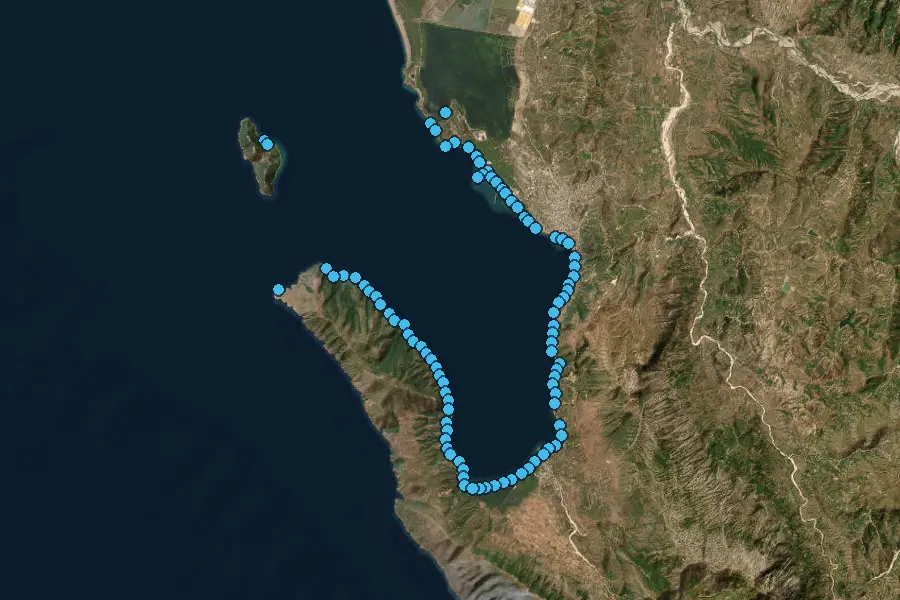
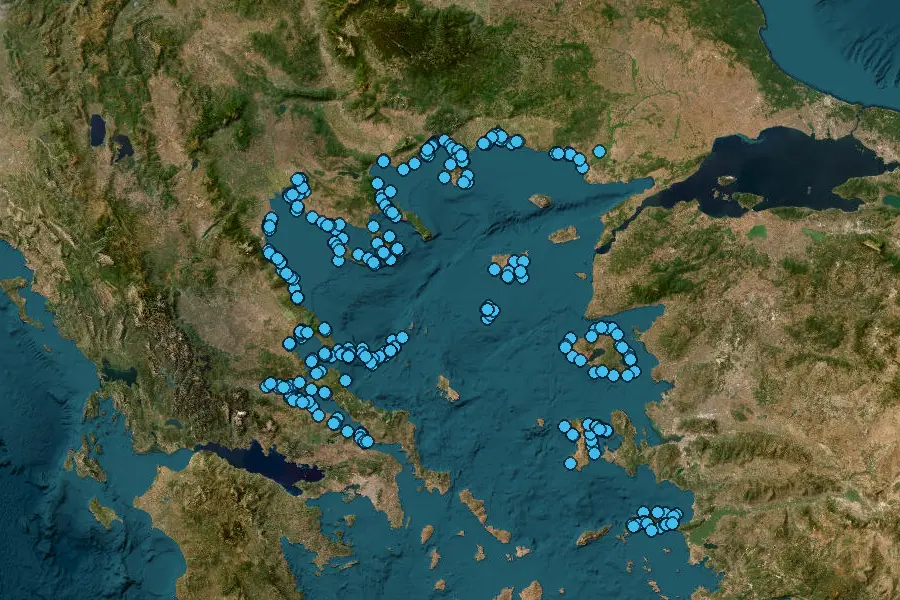
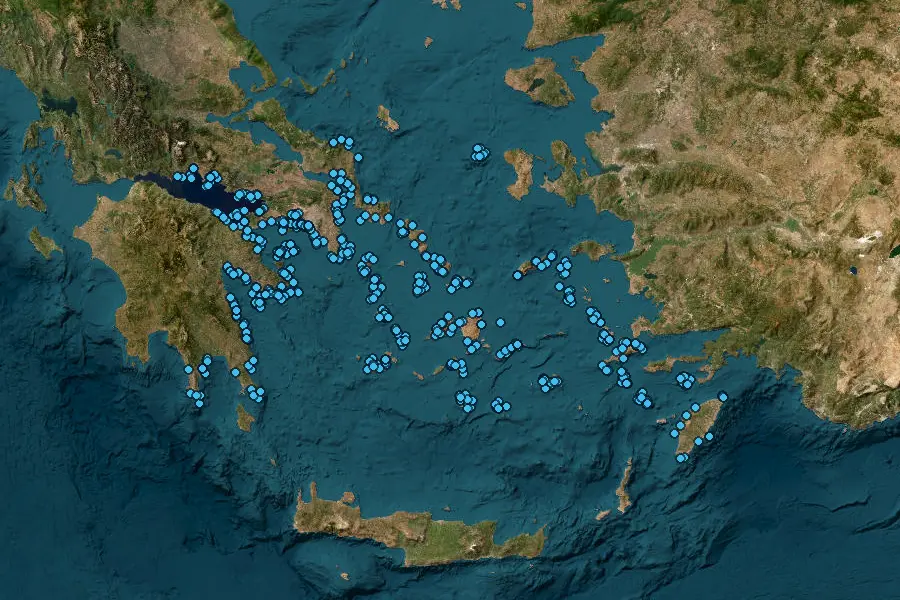
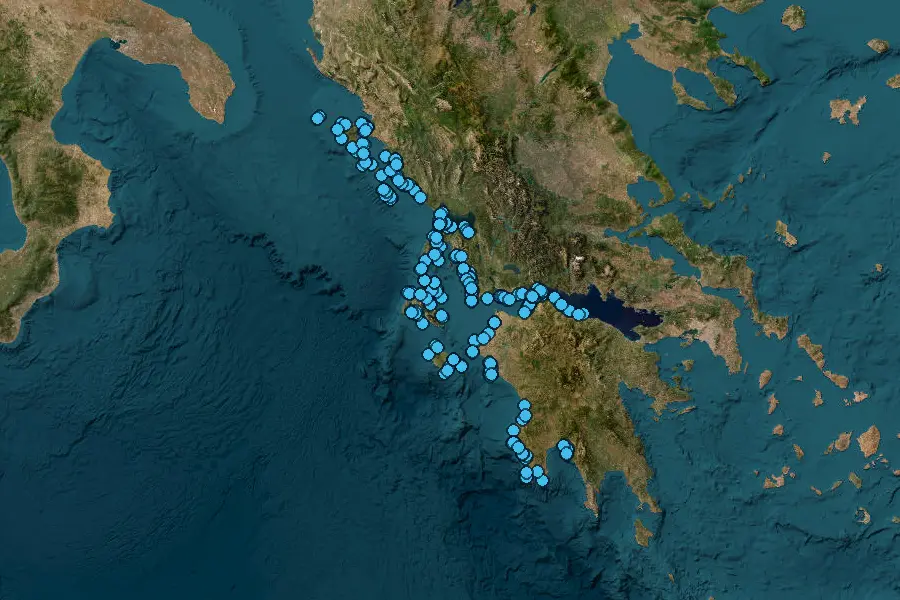
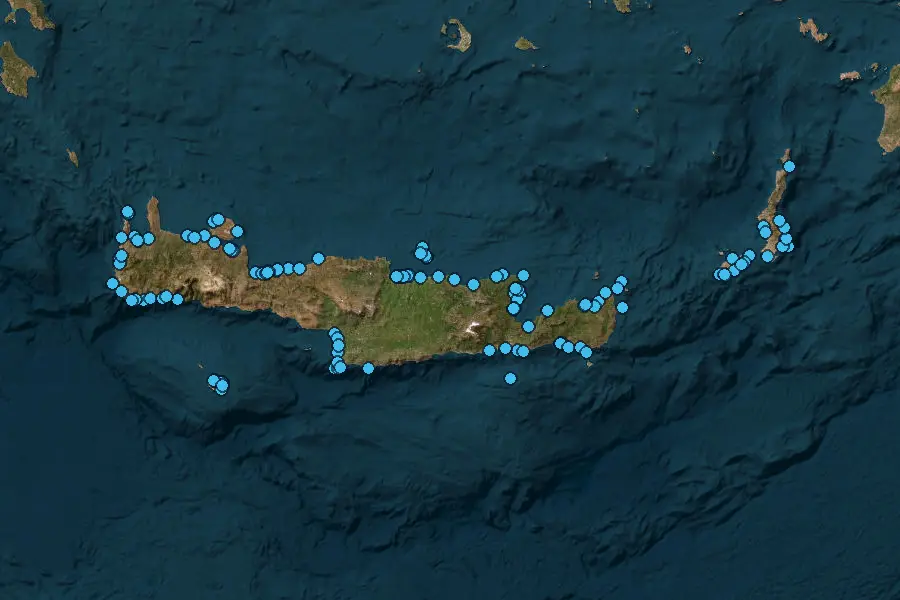
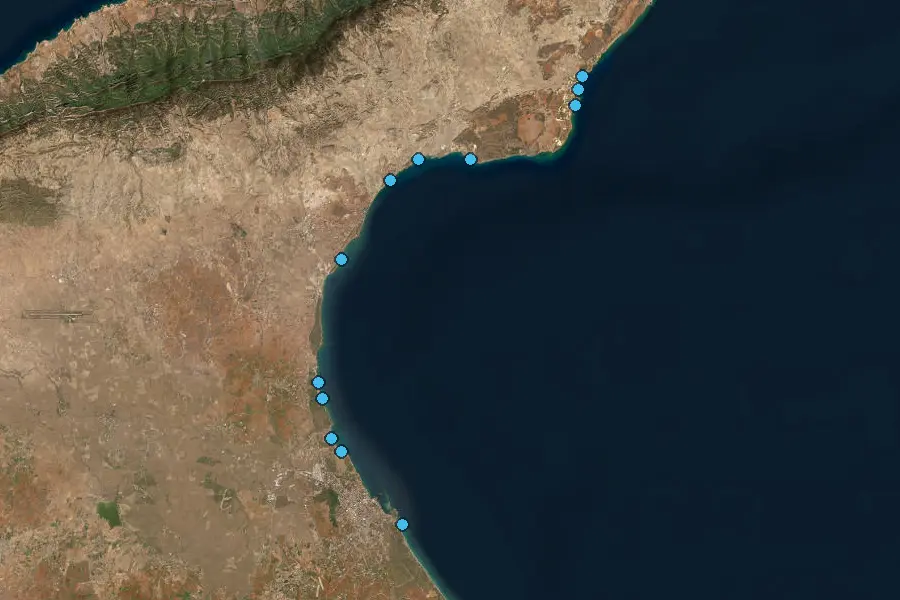
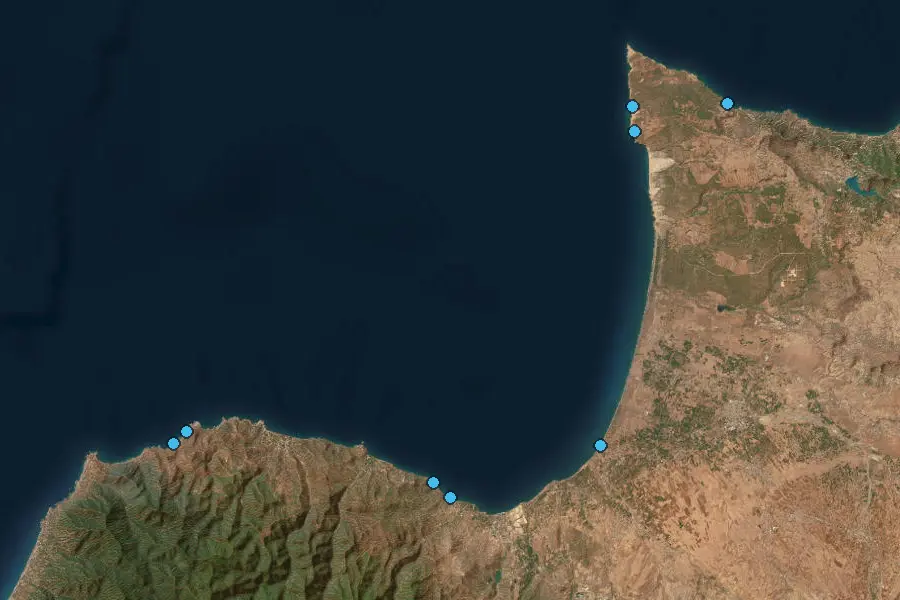
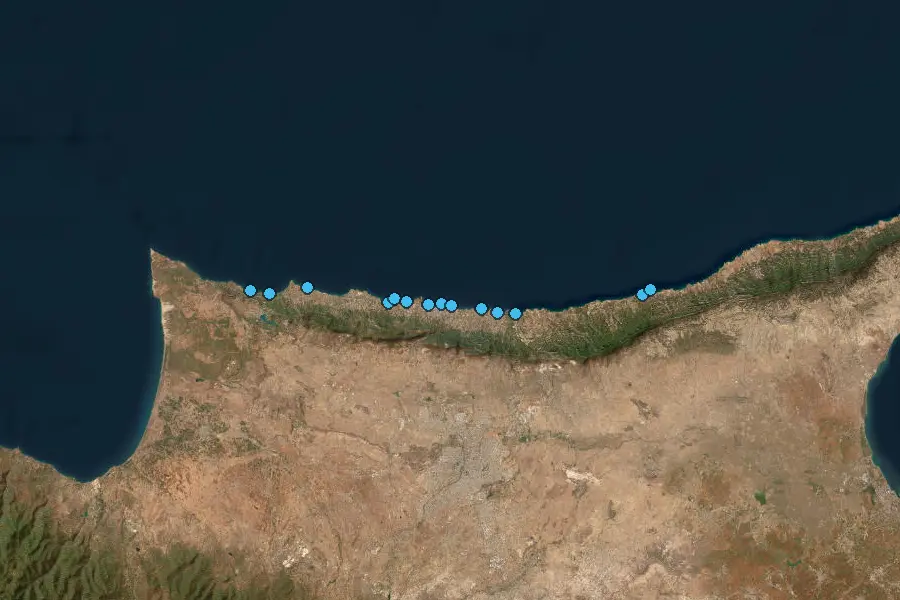
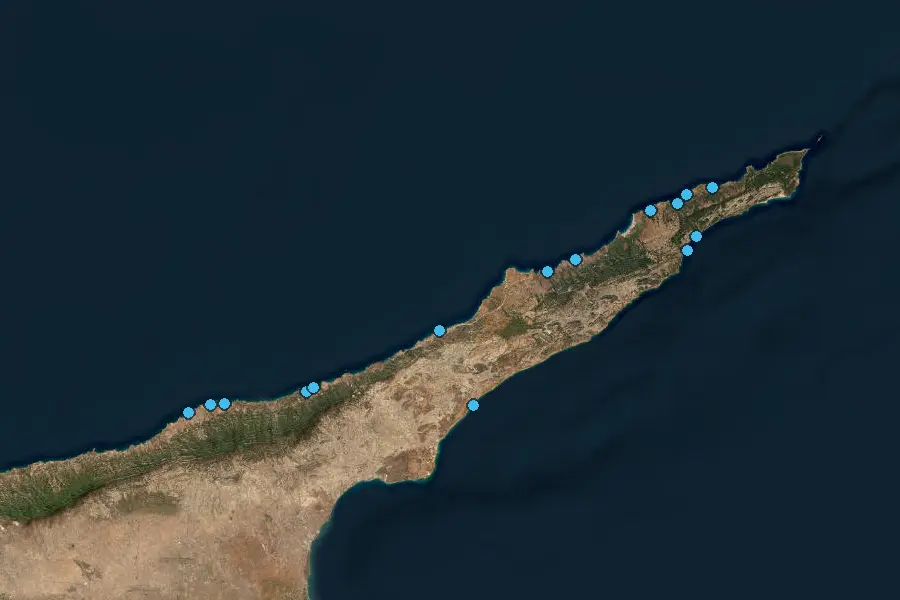
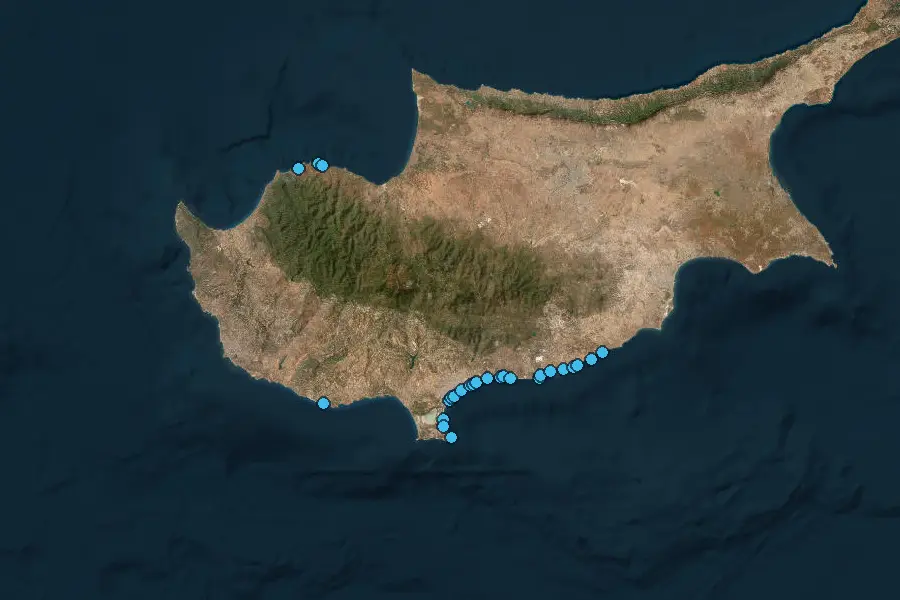
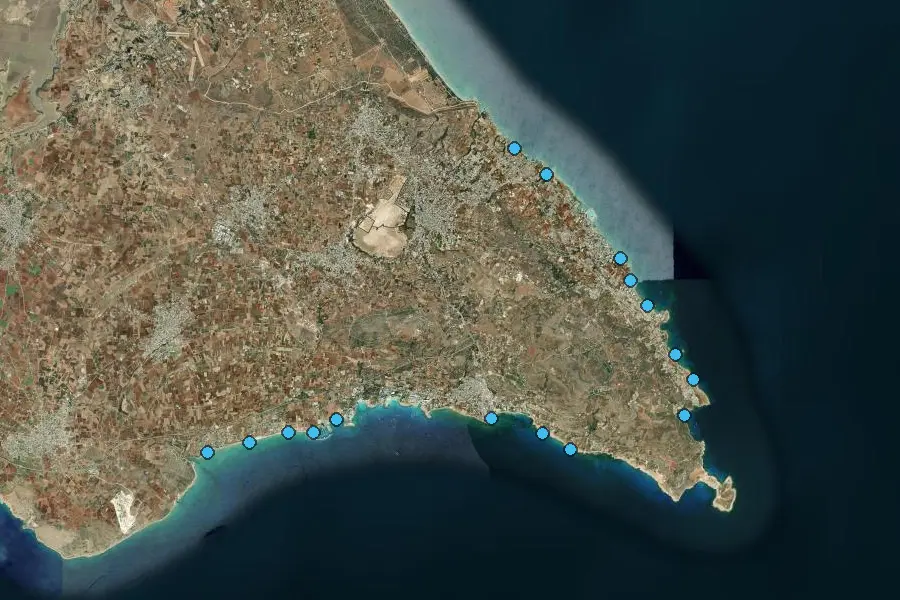
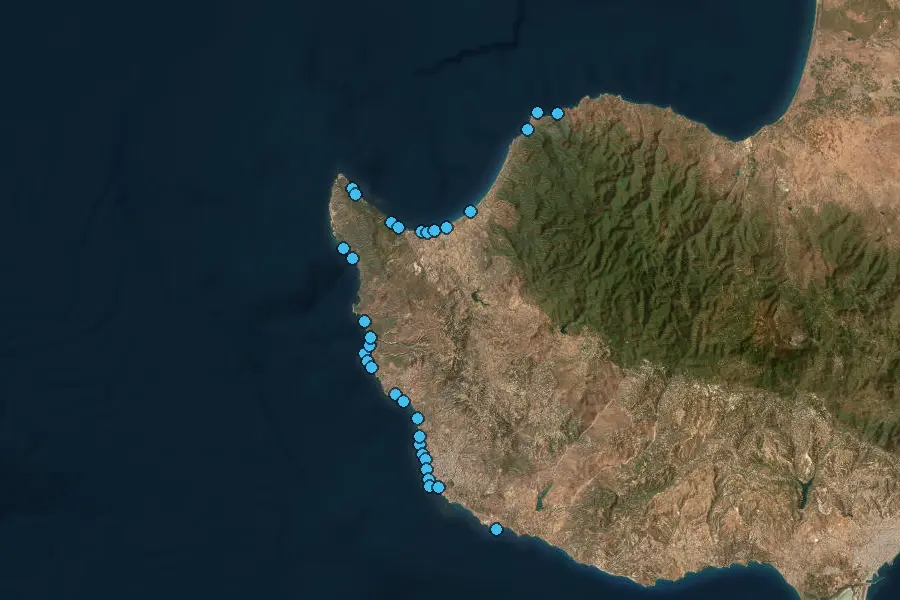
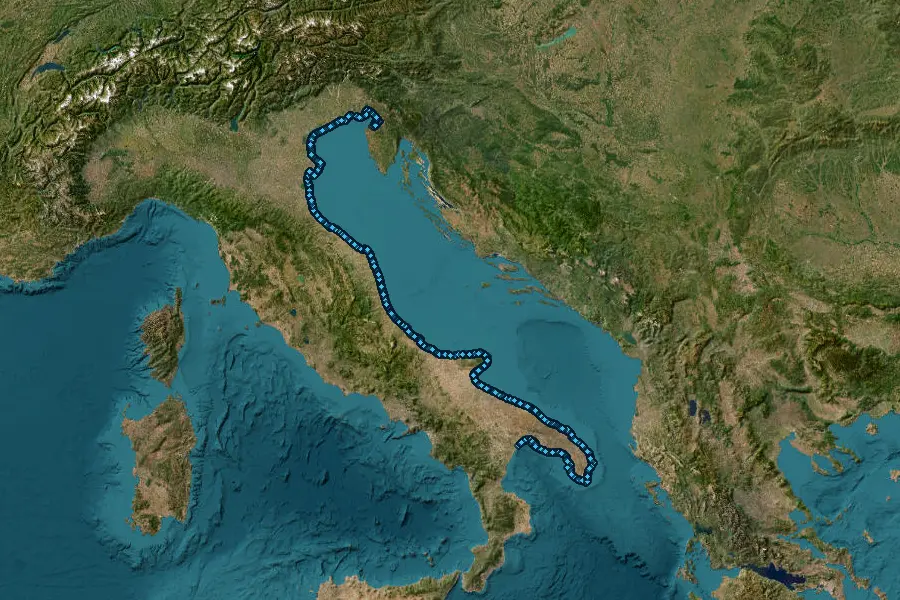
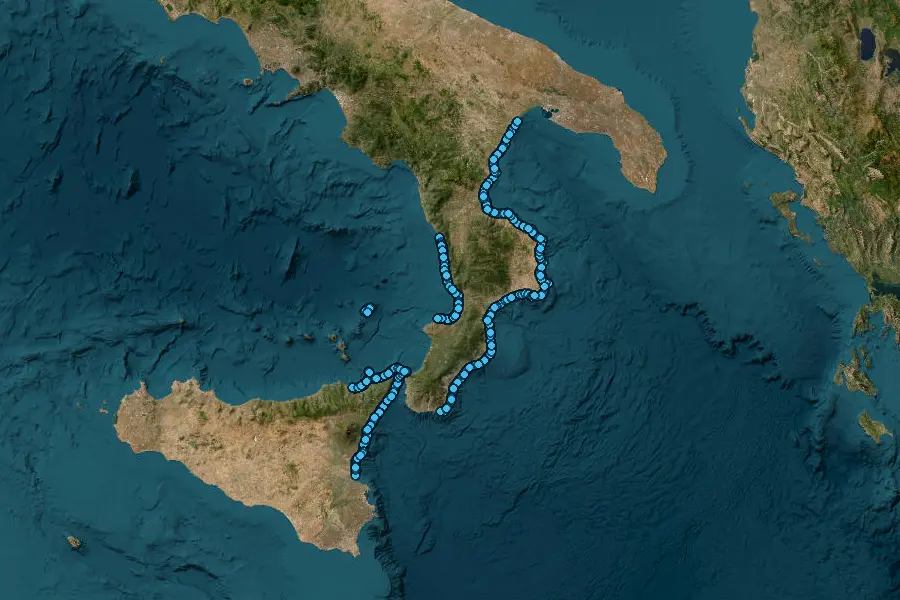
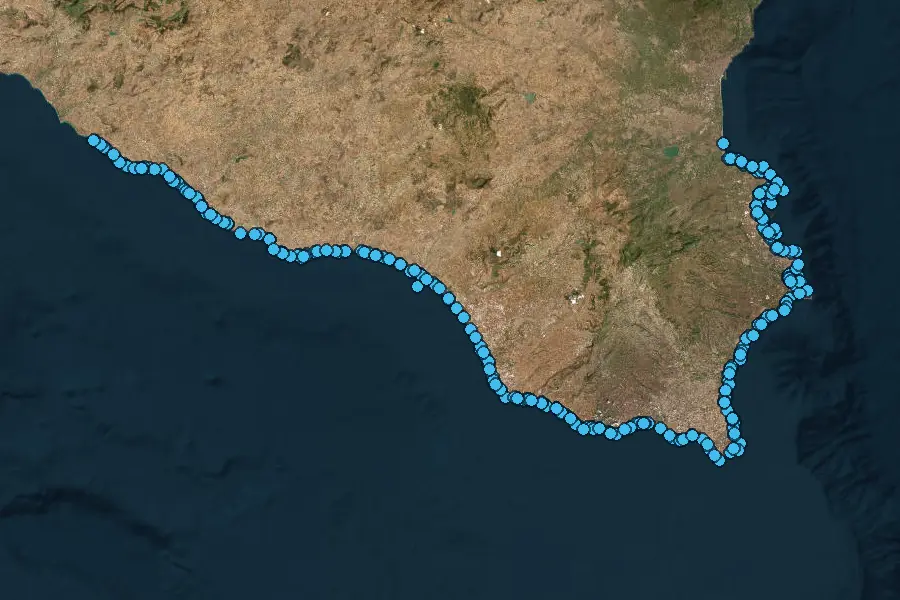
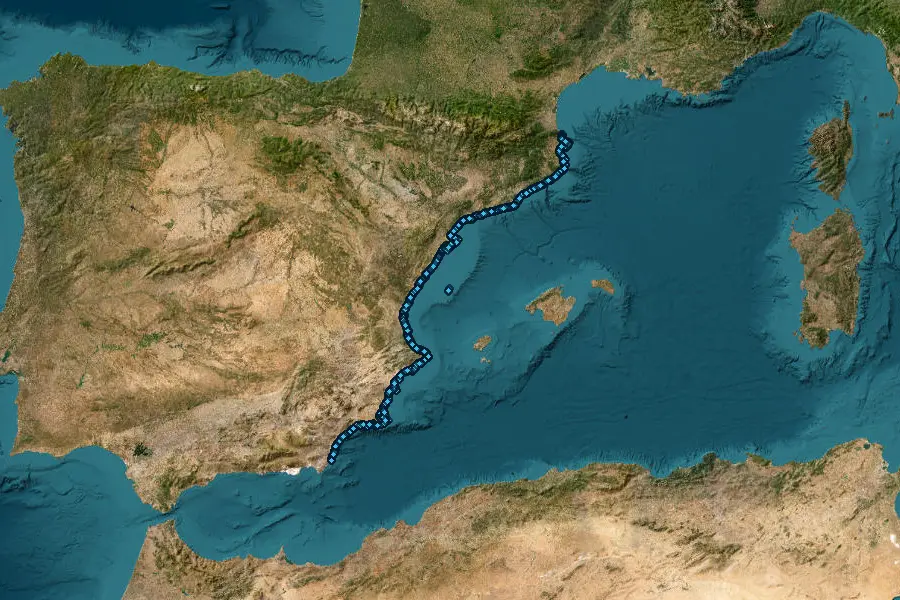
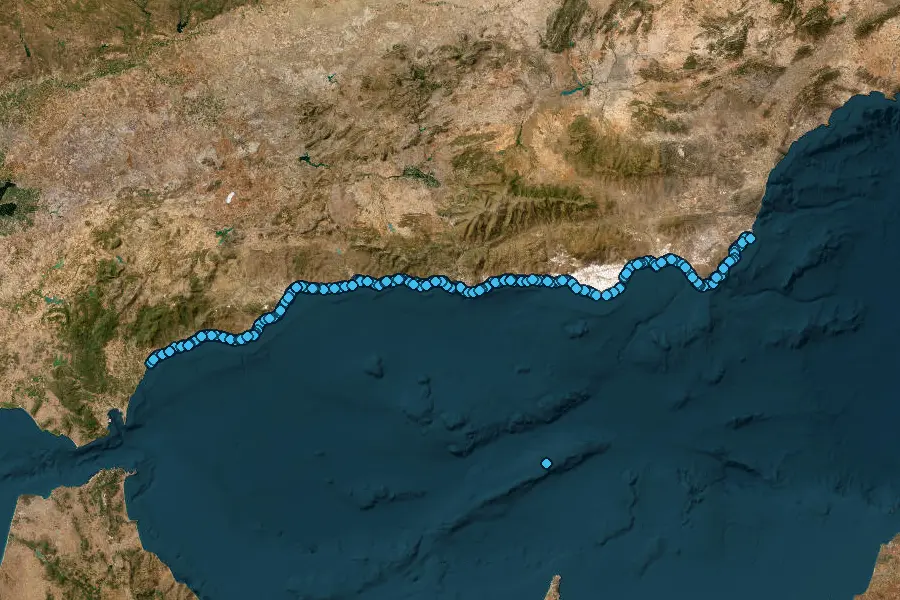
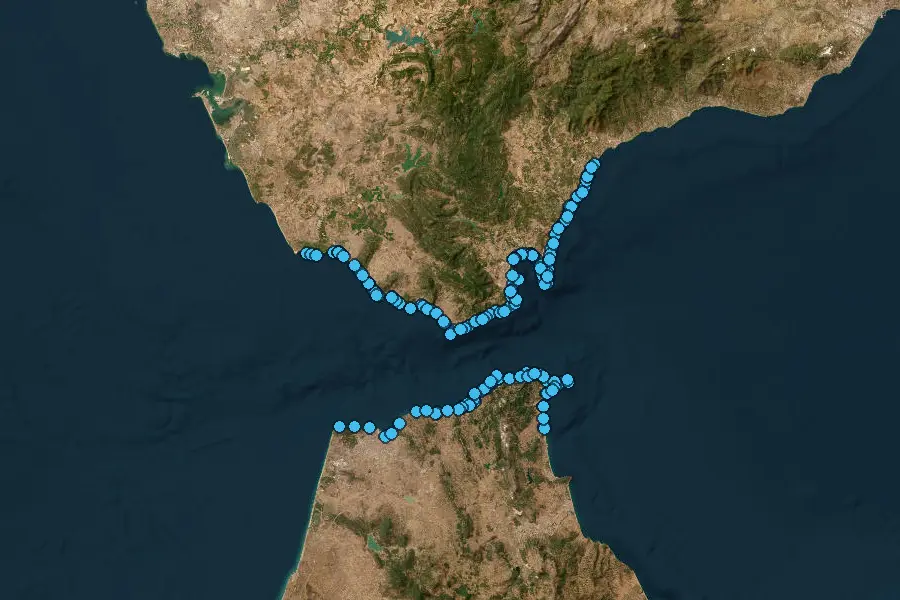
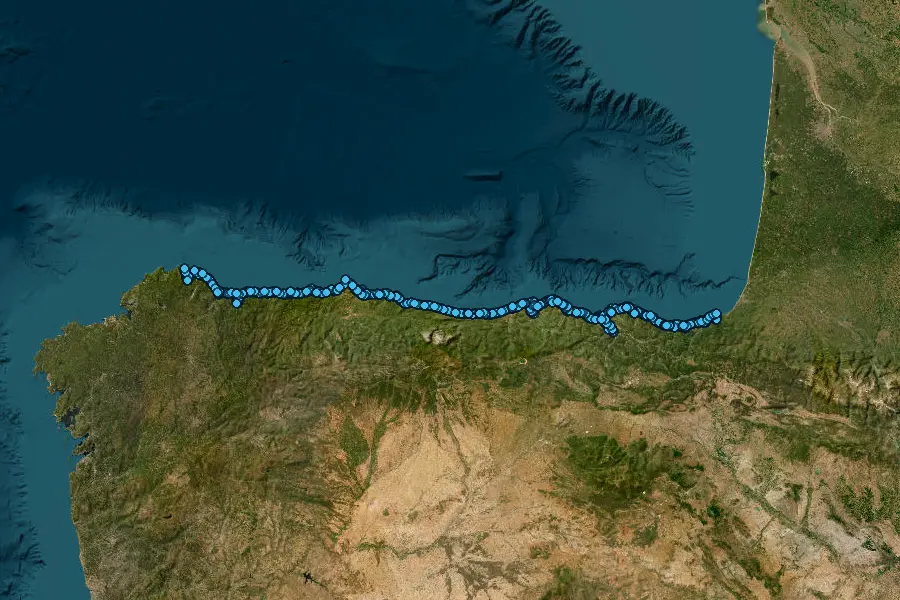
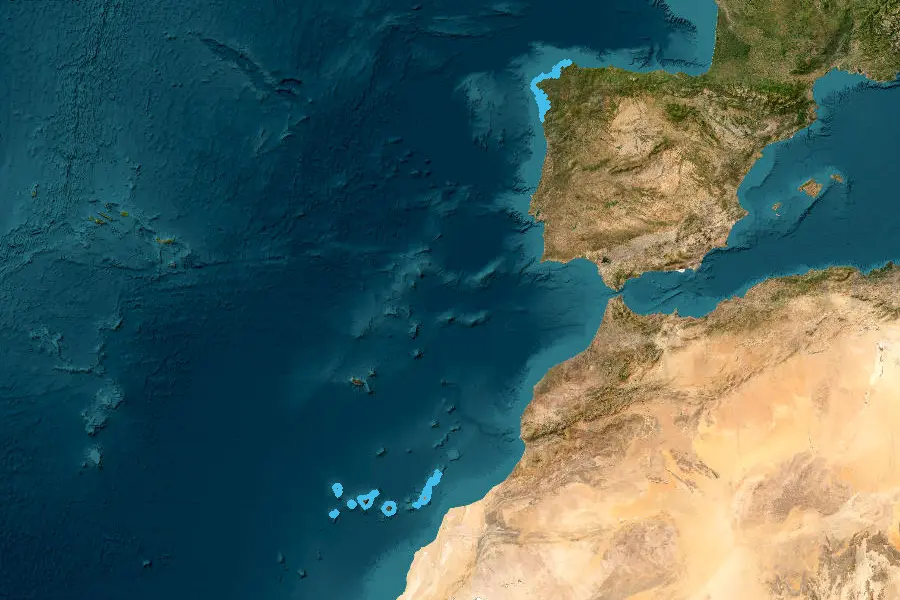
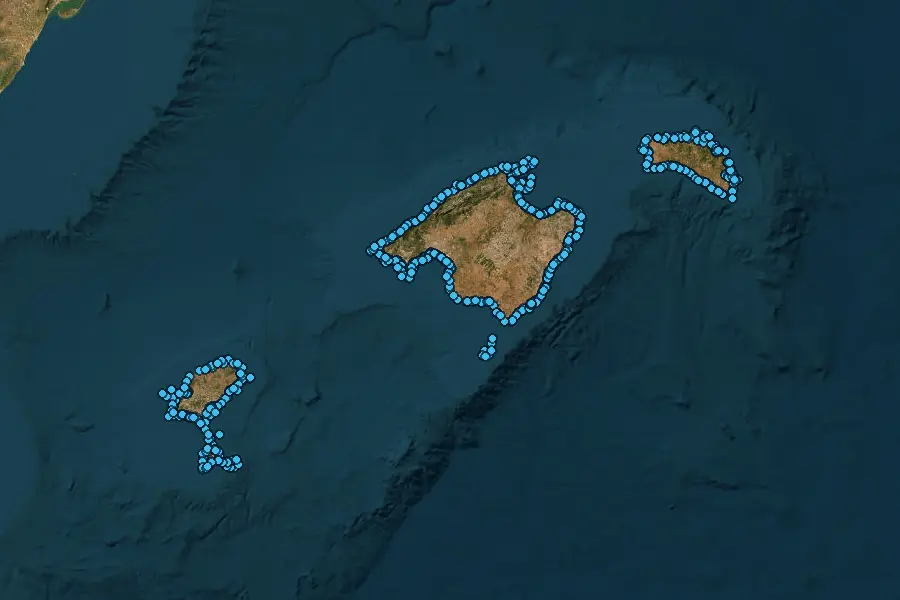
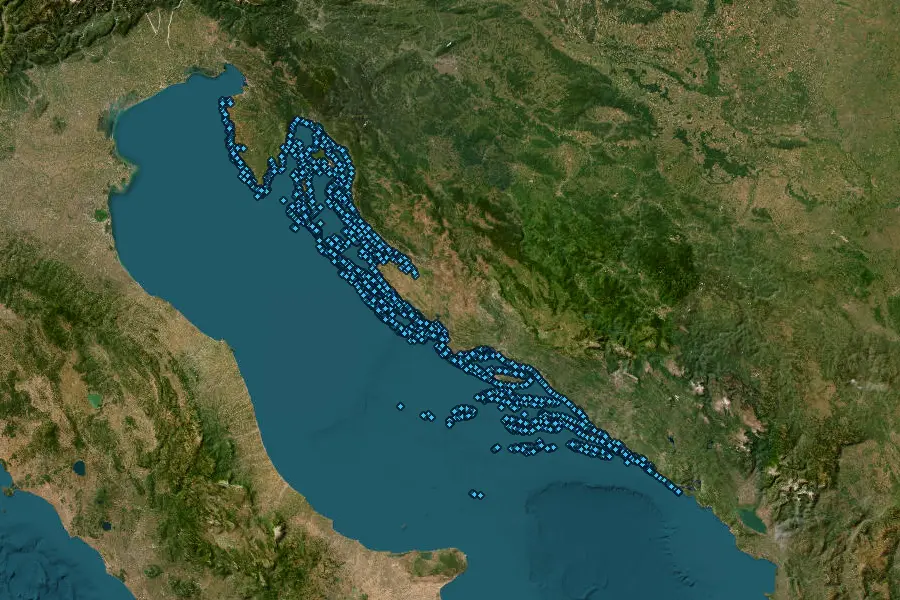
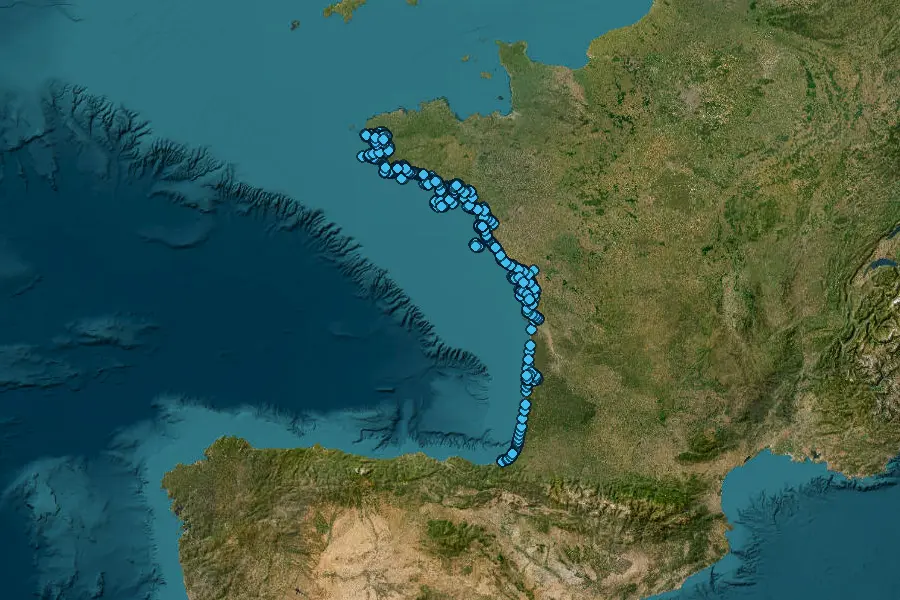
In our records European seabass appears in these seas: Black Sea, Sea of Marmara, Aegean Sea, Mediterranean, Adriatic — Albania, Ionian Sea — Albania, Bay of Vlorë — Albania, North Aegean & Thrace — Greece, Central & South Aegean — Greece, Ionian Sea — Greece, Crete & Libyan Sea — Greece, Güzelyurt Bay — Northern Cyprus, Kyrenia north coast — Northern Cyprus, Famagusta–İskele — Northern Cyprus, Karpas Peninsula — Northern Cyprus, Akamas–Paphos west coast — Southern Cyprus, Paphos–Limassol south coast — Southern Cyprus, Larnaca southeast coast — Southern Cyprus, Ayia Napa–Protaras — Southern Cyprus, Ligurian Sea — Italy, Tyrrhenian Sea — Italy, Adriatic — Italy, Ionian Sea — Italy, Strait of Sicily — Italy, Sardinian Sea — Italy, Atlantic Ocean — Spain, Mediterranean — Spain, Cantabrian Sea — Spain, Balearic Sea — Spain, Alboran Sea — Spain, Gulf of Cádiz — Spain, Strait of Gibraltar — Spain, Adriatic — Croatia, Mediterranean — France, Atlantic — France, Channel & North Sea — France, North East coast — England, East coast — England, South East coast — England, South coast — England, South West coast — England, North West coast — England, North Sea — Germany, North Sea — Netherlands, North Sea — Belgium.

In which months is European seabass at its peak?

Peak periods by sea: Ionian Sea — Albania November–March; Adriatic — Albania November–March; Bay of Vlorë — Albania November–March; North Aegean & Thrace — Greece October–April; Central & South Aegean — Greece October–April; Ionian Sea — Greece October–April; Crete & Libyan Sea — Greece September–June; Sea of Marmara all year; Black Sea all year; Aegean Sea all year; Mediterranean all year; Famagusta–İskele — Northern Cyprus December–February; Güzelyurt Bay — Northern Cyprus December–February; Kyrenia north coast — Northern Cyprus December–February; Karpas Peninsula — Northern Cyprus December–February; Paphos–Limassol south coast — Southern Cyprus December–February; Ayia Napa–Protaras — Southern Cyprus December–February; Akamas–Paphos west coast — Southern Cyprus December–February; Larnaca southeast coast — Southern Cyprus December–February; Ligurian Sea — Italy November–March; Sardinian Sea — Italy November–March; Tyrrhenian Sea — Italy November–March; Adriatic — Italy November–March; Ionian Sea — Italy November–March; Strait of Sicily — Italy November–March; Mediterranean — Spain November–March; Alboran Sea — Spain November–March; Strait of Gibraltar — Spain November–March; Cantabrian Sea — Spain October–February; Atlantic Ocean — Spain December–April; Balearic Sea — Spain November–March; Gulf of Cádiz — Spain November–March; Adriatic — Croatia October–February; Atlantic — France May–September; Mediterranean — France May–September; Channel & North Sea — France May–September; North Sea — Germany May–September; North East coast — England March–November; East coast — England May–September; South East coast — England May–September; South coast — England May–September; South West coast — England May–September; North West coast — England March–November; North Sea — Netherlands June–September; North Sea — Belgium June–September.

Which bait is European seabass caught with?

Baits and lures on record: shrimp, mamun, flathead grey mullet fry, European anchovy, Atlantic horse mackerel, minnow, soft plastic, surface, European sprat, European sardine, sülünez, European squid.

Similar species

Pick your spot, check the conditions, then head out.

Open fishing grounds on the map

Pisca AI

Members only

Ask about this species

European seabass · Dicentrarchus labrax

Works with Piscatorium data: spot scores, seasonal species and tackle recipes. Type your question and the chat opens in the side panel.

What can you ask?

Weigh the answers together with their sources.

Ask Pisca AI

Pro membership

PRO MEMBERSHIP