






Skip to content

Sea fish

Atlantic bonito

Sarda sarda

Get to know the species, pick your region, find your spot.

Other names: Kestane palamudu · Torik

Atlantic bonito
tunicatedreamz (Wikimedia Commons) · source
Habitat
Migratory pelagic
Method
Trolling · Spinning · Jigging
Family
Scombridae

Choose your region

The information changes with the region you choose.

Where is Atlantic bonito caught?

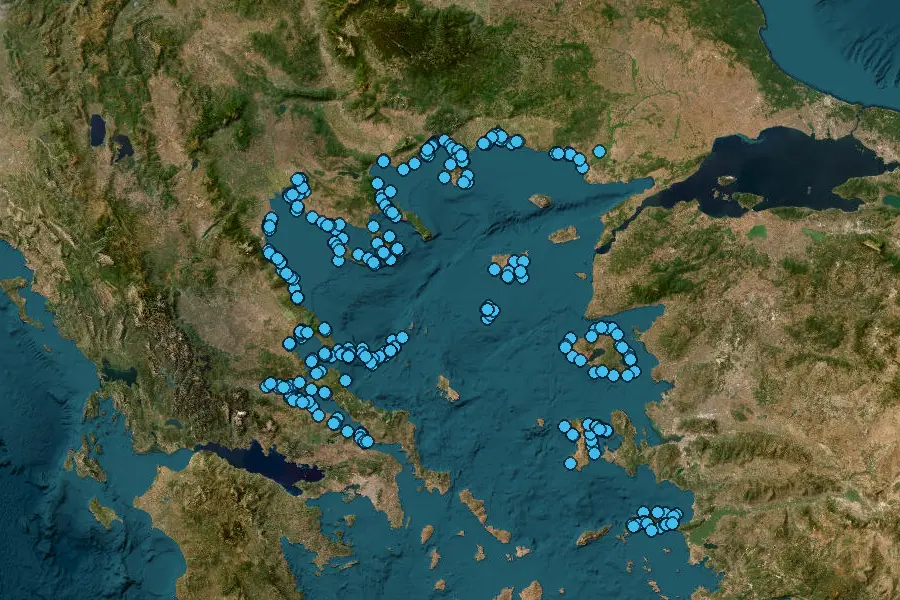
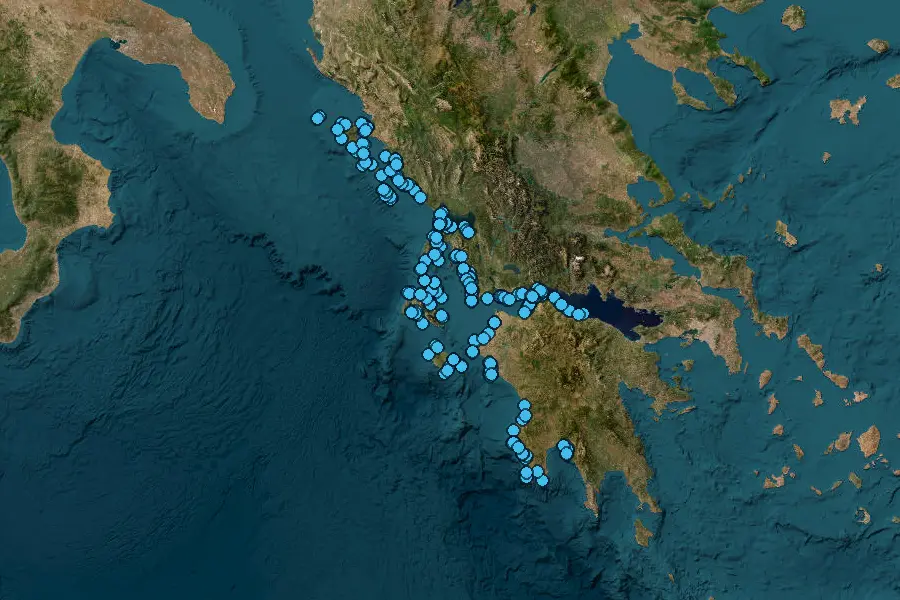
Explore the regions or go straight to the map.

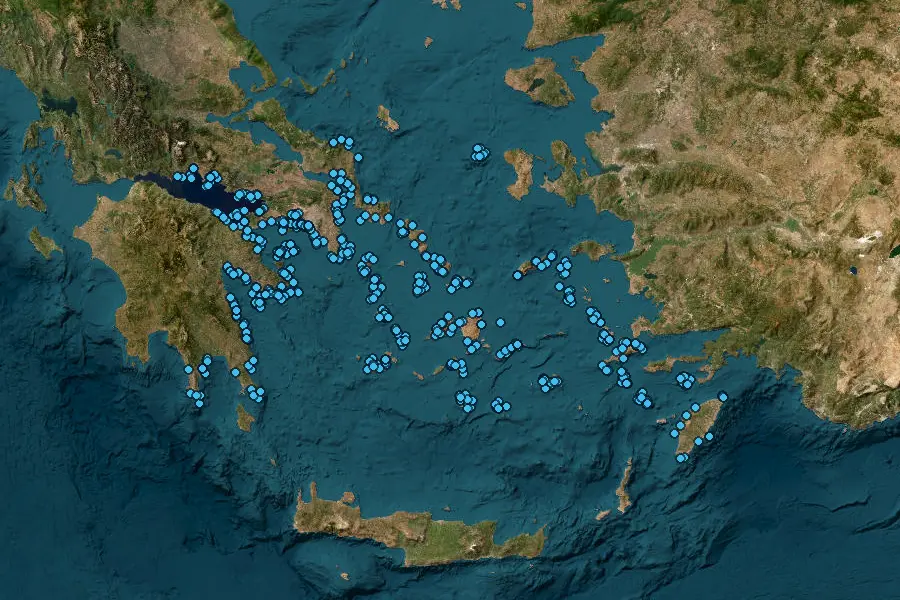
Central & South Aegean fishing spots

183
Central & South Aegean
Map preview

Explore the coast on the map

Open map

A listed spot is not a guarantee of a catch.

Central & South Aegean

Season and suitable conditions

Check the season information for the region you chose.

Peak months: Apr, May, Aug, Sep, Oct, Nov

Season information is no guarantee of a catch.

Best spots in October

By month

Average monthly score of the spots in Turkey (0–100).

  1. 69 Jan
  2. 68 Feb
  3. 61 Mar
  4. 0 Apr
  5. 0 May
  6. 0 Jun
  7. 0 Jul
  8. 34 Aug
  9. 76 Sep
  10. 82 Oct
  11. 88 Nov
  12. 78 Dec

The best spot in each Turkish province, by this month’s score.

  1. Cavit Çağlar İskelesi Gemlik, Bursa 94/100 Very good
  2. Aya Nikola Halk Plajı Adalar, İstanbul 94/100 Very good
  3. Beğendik Köyü Breakwater NW Demirköy, Kırklareli 94/100 Very good
  4. Başiskele Sahil Parkı Başiskele, Kocaeli 94/100 Very good
  5. Negmar Tavşanlı Feribot Terminali Altınova, Yalova 94/100 Very good

A 0–100 score from season, water temperature, habitat and local records; a general trend, not a guarantee.

Best times of day

When in the day it bites best, month by month.

  • Active by day
  • Poor at night

In October

  1. Dawn Best 100

    0.5 h before sunrise → 3 h after

  2. Midday 55

    1 h before midday → 1.5 h after

  3. Dusk 80

    2 h before sunset → 0.5 h after

Not productive at night

Moon phase

Effect of the moon on night fishing; the scores compare the phases.

  1. New moon 45
  2. First quarter 45
  3. Full moon 50
  4. Last quarter 45

Best phase: No clear effect

Windows across 12 months

Best times of day J F M A M J J A S O N D
Dawn 75 75 80 80 80 90 90 90 100 100 100 75
Midday 65 65 50 50 50 30 30 30 55 55 55 65
Dusk 60 60 65 65 65 75 75 75 80 80 80 60
Night

Windows follow sunrise and sunset; clock times change with place and date. Scores are relative within the month: 100 is the best window of the day.

4 sources · confidence medium

Habitat

Where it lives and in what kind of water: ranges compiled by the research.

Depth

0–200 m

mostly 0–30 m

Water temperature

2.7–32 °C

ideal 13.4–27.8 °C

Salinity

Full-strength seawater

14–39 ‰

Shore types

  • Cove / inner bay
  • Rocky shore
  • Breakwater / jetty
  • Pier / quay
  • Headland
  • Promenade / seafront
  • Channel / strait link
  • Cliff / steep shore
  • Harbour mouth
  • Strait shore
  • Reclaimed shore

Bottom

Lives in open water

Ranges from FishBase, AquaMaps and the literature; a general tendency, not a hard limit.

Confidence: shore type medium, temperature medium

Bait and tackle suggestions

Recorded baits and fishing techniques.

Bait by month

Baits documented for shore fishing, month by month and by water clarity.

In October

By water clarity

Pelagic sight hunter — Chases baitfish shoals by sight. Lures shine in clear water; in murky water its hunting range shrinks.

Clear Visibility: over 8 m
Lure first, natural also works First natural bait: Sand smelt · Very suitable Usually in this water: Live baitfish or a whole fresh fish; thin fluorocarbon leader, no float or a light one. First lure: Hard minnow · Very suitable Usually in this water: Hard minnow/stickbait, slim metal jig; fast, erratic retrieve. Colour: Silver, Blue-green back
Slightly coloured Visibility: 4–8 m
Lure First natural bait: Sand smelt · Very suitable Usually in this water: Live or fresh whole fish; normal size. First lure: Sabiki rig · Very suitable Usually in this water: Spoon, metal jig, popper/topwater; medium-fast retrieve. Colour: Silver, Pink, Blue-green back
Moderately coloured Visibility: 2–4 m
Lure first, natural also works First natural bait: Anchovy · Very suitable Usually in this water: Cut oily fish (sardine/mackerel) with chum; under a float or at mid-depth. First lure: Spoon · Very suitable Usually in this water: Spinner, paddle-tail shad, metal jig one size up; vibration first. Colour: Pink, Silver
Murky Visibility: 1–2 m
Natural bait First natural bait: Anchovy · Very suitable Usually in this water: Oily fish fillet, bloody chunks; chum for a scent trail; fish slower. First lure: Spoon · Suitable Usually in this water: If you must, a rattling vibe/lipless; near the bottom, slow. Colour: Pink
Very murky Visibility: under 1 m
Natural bait First natural bait: Sardine · Suitable Usually in this water: A large, bloody chunk of oily fish; refresh the bait often. Catches usually drop. First lure: Spoon · Not recommended Colour: Colour does not matter
12-month bait calendar
January
Natural baits: Anchovy, Sand smelt, Horse mackerel, Sardine Lures: Metal jig, Spoon, Hard minnow, Sabiki rig
February
Natural baits: Anchovy, Sand smelt, Horse mackerel, Sardine Lures: Metal jig, Spoon, Hard minnow, Sabiki rig
March
Natural baits: Anchovy, Sand smelt, Horse mackerel, Sardine Lures: Feathered spoon, Sabiki rig, Metal jig
April closed season
Closed season 1 April–14 August. No bait advice is shown for this month.
May closed season
Closed season 1 April–14 August. No bait advice is shown for this month.
June closed season
Closed season 1 April–14 August. No bait advice is shown for this month.
July closed season
Closed season 1 April–14 August. No bait advice is shown for this month.
August closed season
Natural baits: Anchovy, Sand smelt, Horse mackerel, Sardine Lures: Sabiki rig, Metal jig, Hard minnow, Spoon
September
Natural baits: Anchovy, Sand smelt, Horse mackerel, Sardine Lures: Sabiki rig, Metal jig, Hard minnow, Spoon
October
Natural baits: Anchovy, Sand smelt, Horse mackerel, Sardine Lures: Metal jig, Hard minnow, Spoon, Sabiki rig
November
Natural baits: Anchovy, Sand smelt, Horse mackerel, Sardine Lures: Metal jig, Hard minnow, Spoon, Sabiki rig
December
Natural baits: Anchovy, Sand smelt, Horse mackerel, Sardine Lures: Metal jig, Spoon, Hard minnow, Sabiki rig

This is the usual pattern; the water and weather on the day can change it. Colour is fine-tuning: bait type, size and action come first. Confidence: natural medium, lures high. Colour and presentation guide

Fishing technique

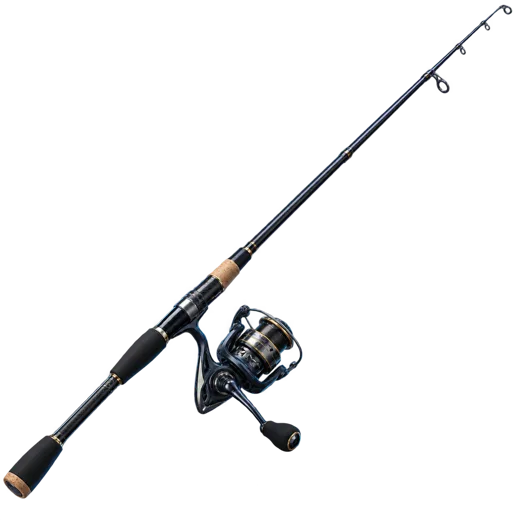
Tackle recipe

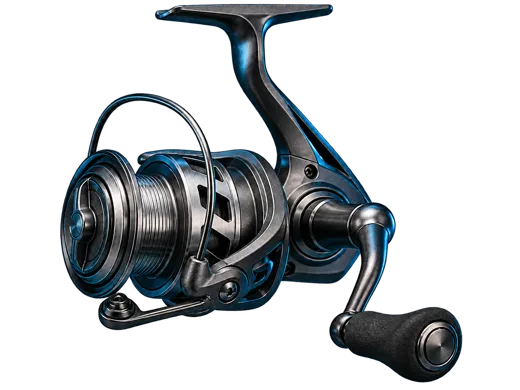
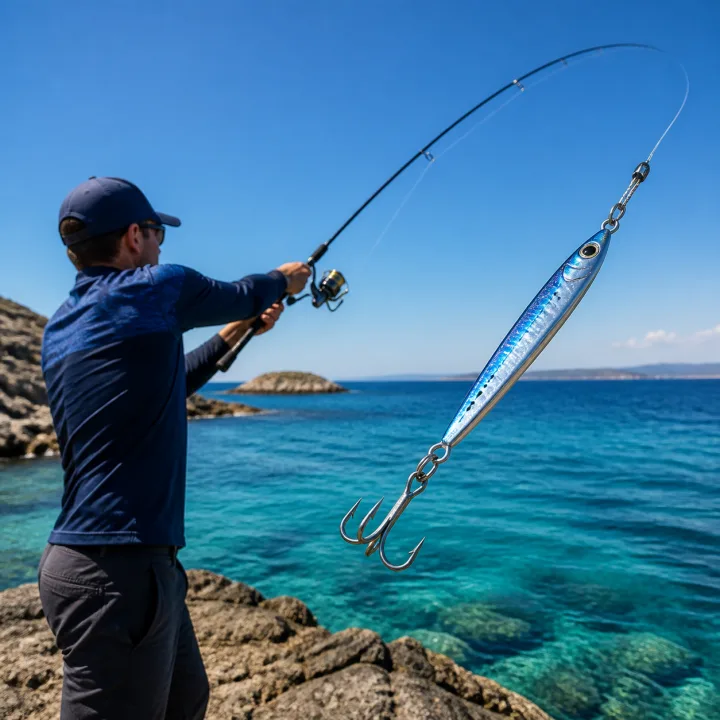
Shore Jigging

Shore jigging

Searching far and deep water with metal jigs

  • Level: Intermediate–Advanced
  • Effort: High
Rod
2.70–3.30 m; 20–100 g
Reel
4000–6000
Main line
PE 1.5–3.0
Leader/trace
0.45–0.70 mm
Hook/lure
Assist #1/0–5/0
Bait/lure
Metal jig
Connector
Swivel/clip; pick a suitable breaking strain

Watch out: Heavy lures, fatigue, cliff and wave risk

Keep with you: Pliers, hook remover, glasses and first aid

Regulations: Communiqué 2024/21 Article 16 hook and line limits and place bans are checked
  • Rod

  • Reel

  • Line and leader

A setup to start from. Rod length, line diameter and drag are changed to suit the size of fish you are after and the current and bottom structure of the ground.

See tackle suggestions

Fishing rules for Türkiye

Türkiye

Minimum size
25 cm
Maximum quantity
5 kg

Closed season: 1 April–14 August

Single-species or mixed total; details and exceptions are in the regulation.

Legal basis: 2024/21 Çizelge 7 communiqué text

MVT0030

2024/21 Çizelge 7

No additional species note; the general provisions of 2024/21 apply

The table in our records

Minimum size
25 cm
Maximum quantity
5 kg
Closed season
1 April–14 August

The article text is taken from the communiqué. The table above was carried into our own records from the relevant rows of the communiqué and may be abridged. The official publication is what binds. Official communiqué (PDF) →

Before you go, check local area and method restrictions.

How to recognise the Atlantic bonito

The scientific name of the Atlantic bonito, palamut in Turkish, is Sarda sarda. In the WoRMS register it sits in the mackerel and tuna family Scombridae and the order Scombriformes; Bloch described the species in 1793. FAO’s catalogue of the world’s scombrids (Collette and Nauen, 1983) describes the body of the genus Sarda as elongate and slightly compressed, with a moderately large mouth; the jaws carry large, conical teeth. Look at the back first. The bonito information note of the Istanbul Metropolitan Municipality (İBB) says the back is bluish and the lower sides and belly are silvery. The FAO catalogue and FishBase state that the stripes on the back are oblique, at a greater angle than in the other Sarda species. According to FAO, the first dorsal fin has 20–23 spines, the two dorsal fins sit close together, and on each side of the slender caudal peduncle a well-developed central keel lies between two smaller keels. Behind the corselet around the chest, the body is completely covered with very small scales; FishBase adds that there is no swim bladder. If you are mixing it up with mackerel, look at the description the FAO catalogue gives for the genus Scomber: there the two dorsal fins are widely separated, the first has 8–13 spines, the back is crossed by faint wavy lines, and the caudal peduncle has two small keels but no central keel.

Where does it live, and how does it migrate?

The FAO catalogue describes the bonito as a species of coastal waters that lives near the surface and moves in schools; it says all four species of the genus school by size. According to the catalogue, it can occur at temperatures of 12–27 °C and salinities of 14–39 parts per thousand; it adapts to gradual changes in its environment but not to sudden ones. Adults feed mainly on small schooling fishes; FAO adds that they can swallow relatively large prey and that both juveniles and adults are cannibalistic. In Turkish seas its story is one of migration. According to the article by Zengin and Ulman in the journal Karadeniz Araştırmaları Enstitüsü Dergisi, the stocks move from the Mediterranean and the Aegean in the south through the Dardanelles and the Bosphorus into the Black Sea, where they feed and spawn before returning to the Mediterranean. Drawing on a 1956 study, the article reports that bonito of the eastern Black Sea are thought not to come down to the Sea of Marmara, whereas schools from the western Black Sea do pass through it; it also notes that it is not yet fully understood where in the Black Sea the adults spawn. In the study by Kahraman and colleagues published in the Turkish Journal of Zoology, spawning in 212 bonito collected off the Black Sea and Sea of Marmara coasts between May 2011 and September 2012 generally took place between May and August, most intensively in June and July. Length at first sexual maturity was estimated at 42.5 centimetres for females and 36.8 centimetres for males.

From vonoz to peçuta: names that change with size

In Turkish, the bonito changes its name as it grows. İBB’s note says that, in general, the smaller fish are called palamut and the larger ones torik; the FAO catalogue likewise lists both as local names in Türkiye under the same species. Zengin and Ulman quote a detailed size scale from a 1956 study by Ermin: palamut vonozu up to 15 centimetres, çingene palamudu 15–28 centimetres, palamut 28–40 centimetres, zindandelen 45–50 centimetres, torik 50–60 centimetres, sivri 60–65 centimetres, altıparmak 65–70 centimetres and peçuta above 70 centimetres. According to the article, this classification was also widely used by local people. İBB’s list draws the boundaries slightly differently and adds gaco and kestane palamudu. Where kestane palamudu belongs depends on the source: İBB places it at 40–45 centimetres, while in the weight classification Deveciyan wrote down in 1915, as quoted by Zengin and Ulman, it appears as the smallest class, at no more than 200 grams. In Zengin and Ulman’s words, these are all the same species; the names change as the fish grows.

Species profile

Atlantic bonito
Scientific name
Sarda sarda
Family
Scombridae
Order
Scombriformes
Water type
Saltwater
Seas
Mediterranean, Aegean Sea, Sea of Marmara, Black Sea
Other names
Palamut, Kestane palamudu, Torik

Frequently asked questions

What is the minimum size for Atlantic bonito?

In recreational angling the minimum catch size for Atlantic bonito is 25 cm. Fish below that length have to be returned to the water. Legal basis: 2024/21 Çizelge 7.

When is Atlantic bonito closed to fishing?

The closed season for Atlantic bonito is 1 April–14 August. Fishing for it is banned within those dates. Legal basis: 2024/21 Çizelge 7.

Which seas is Atlantic bonito found in?

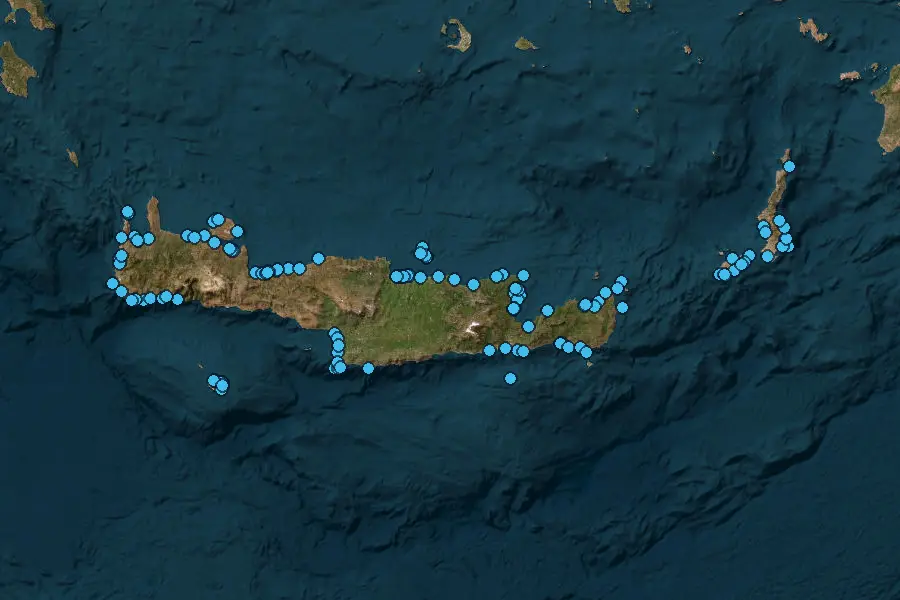
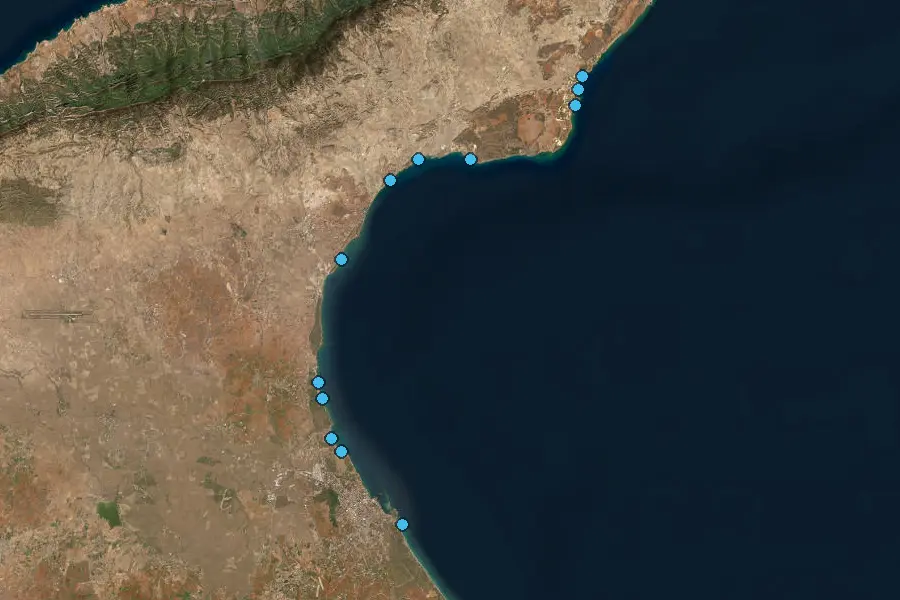
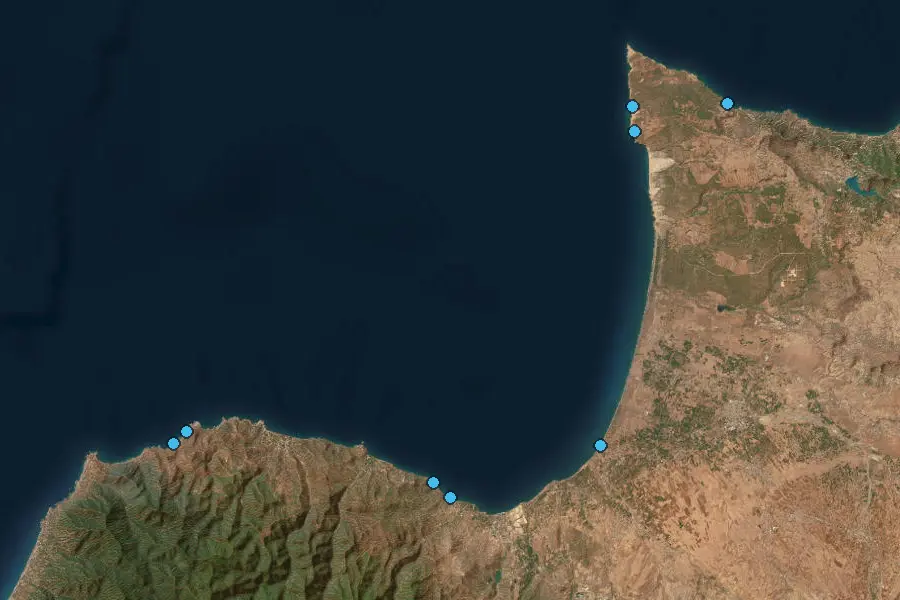
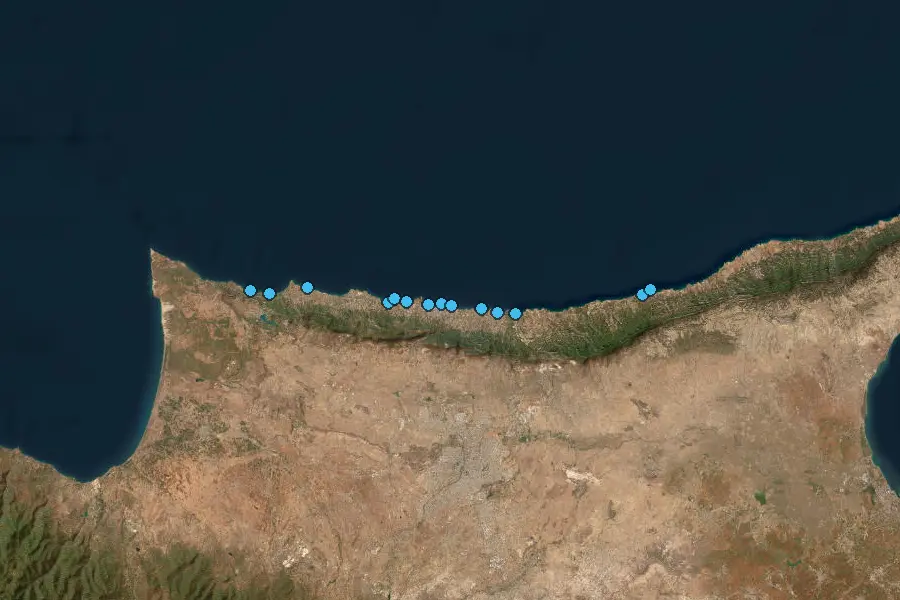
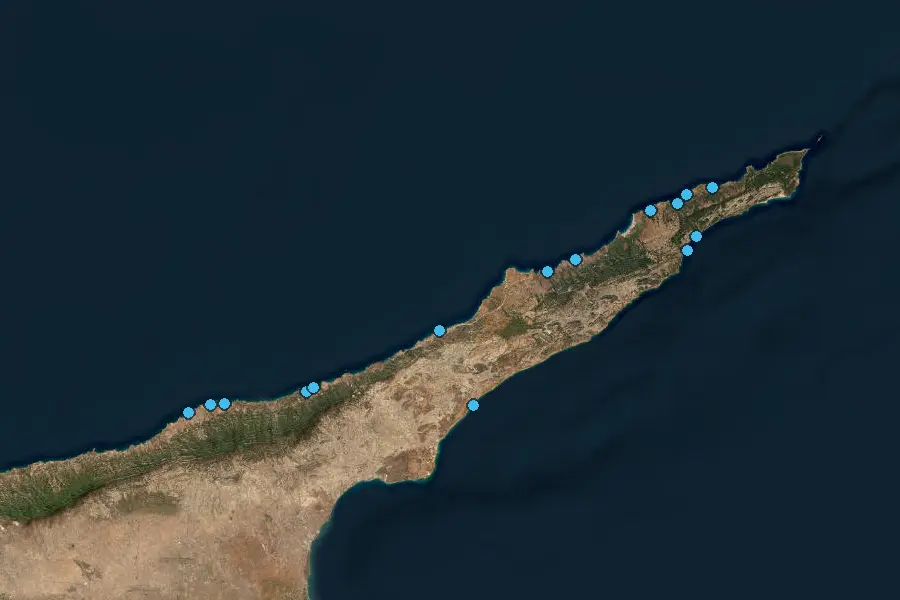
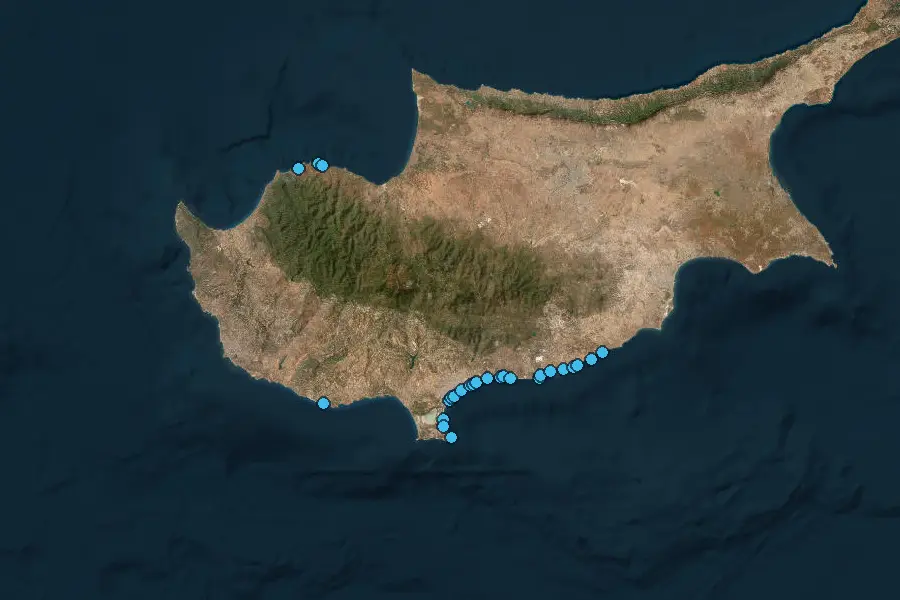
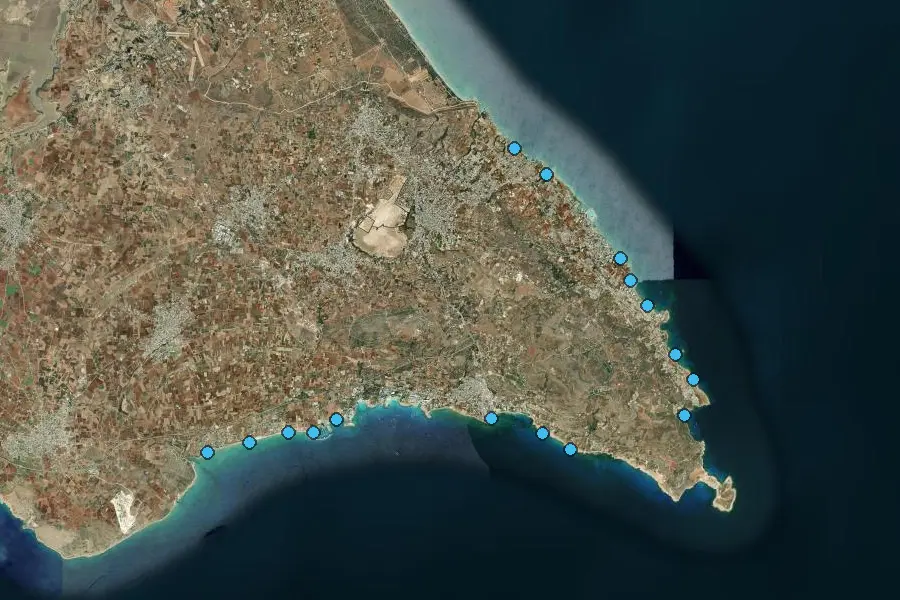
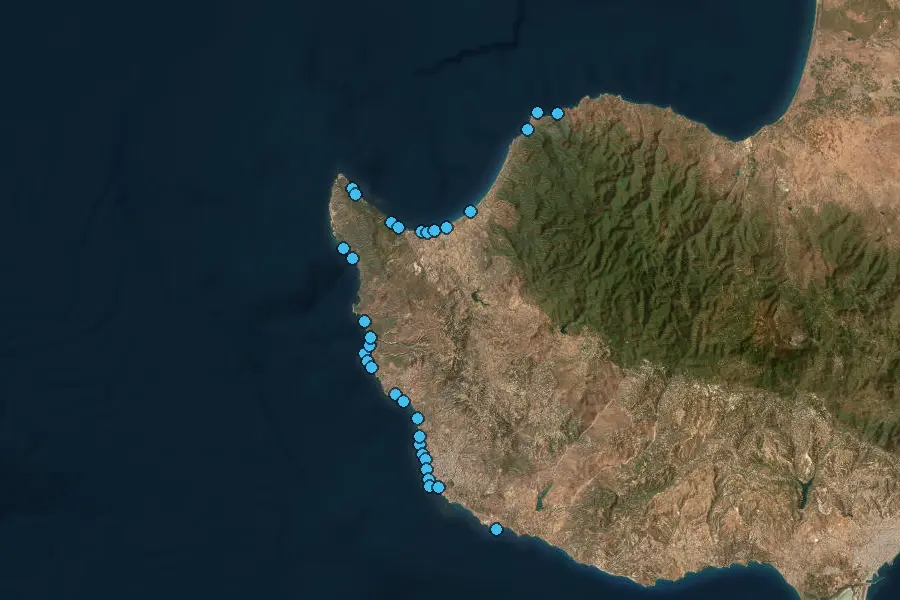
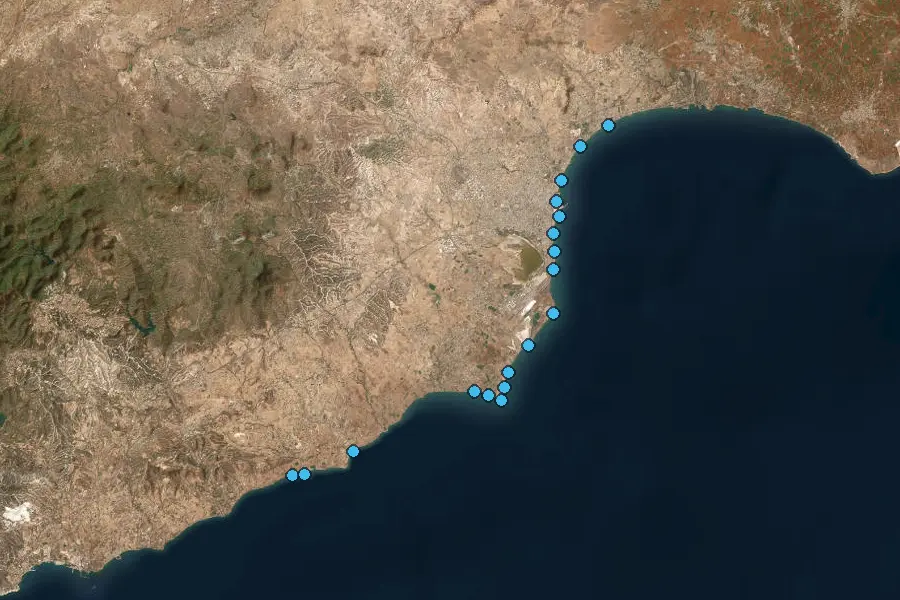
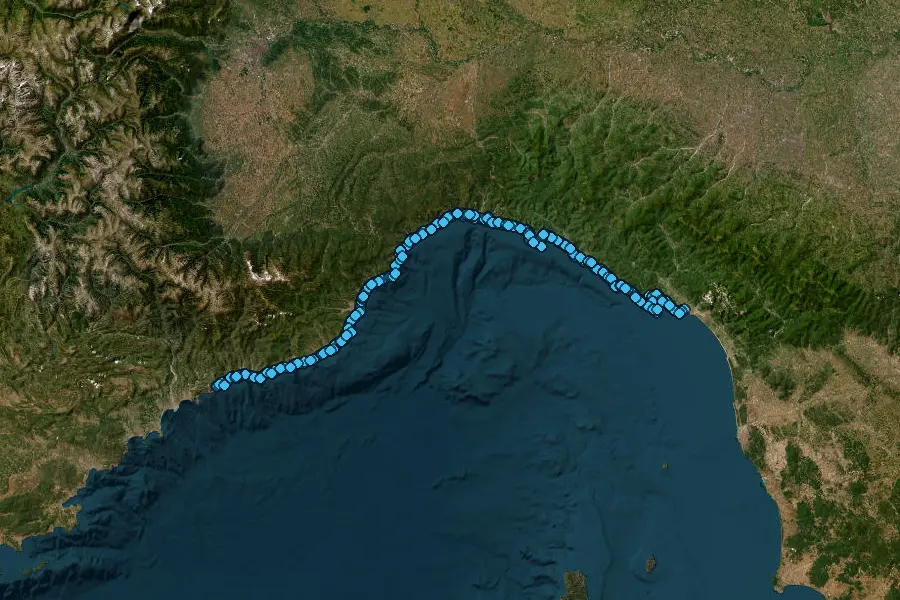
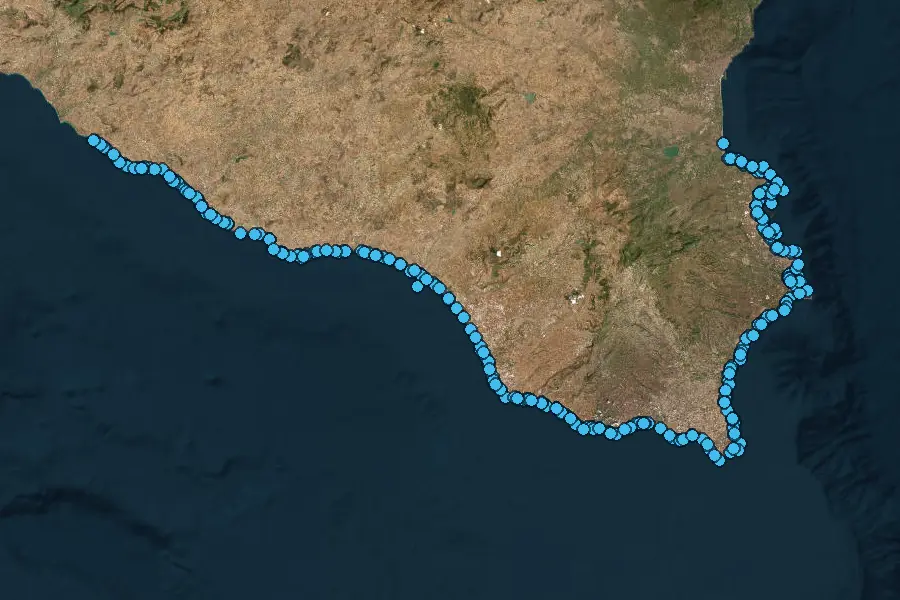
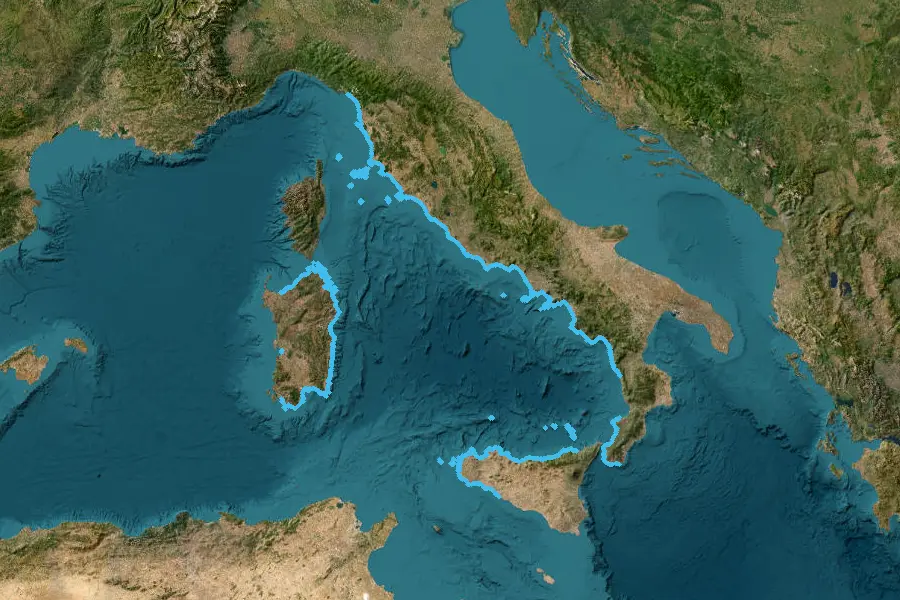
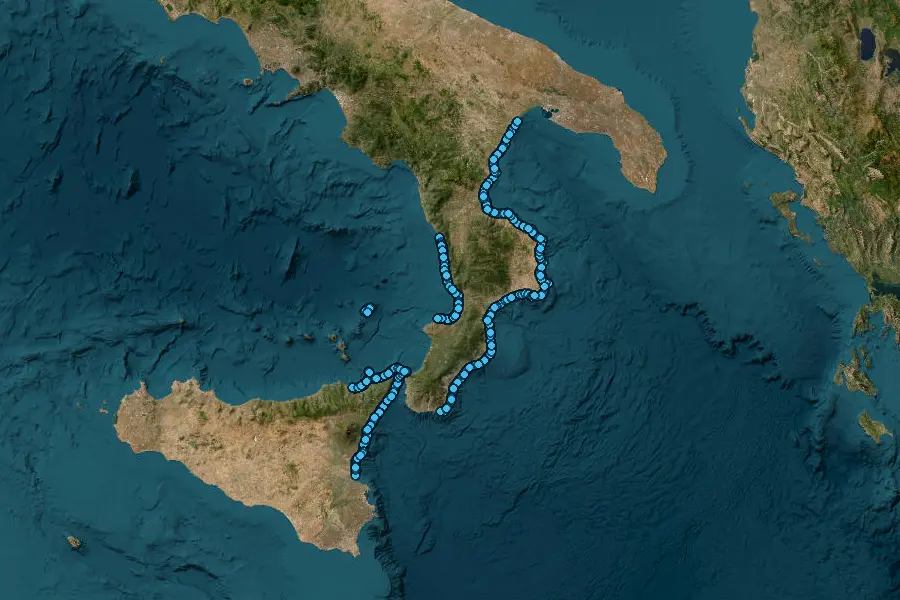
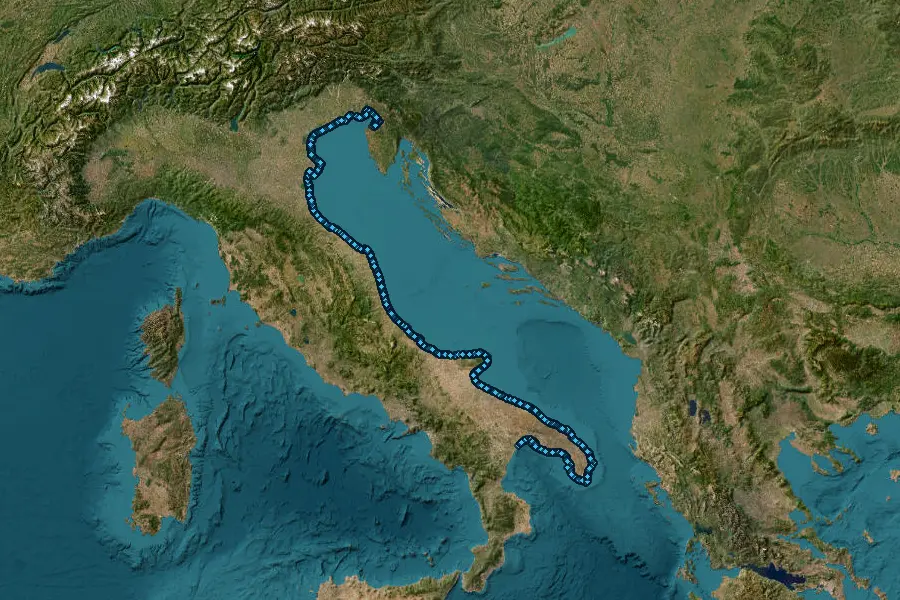
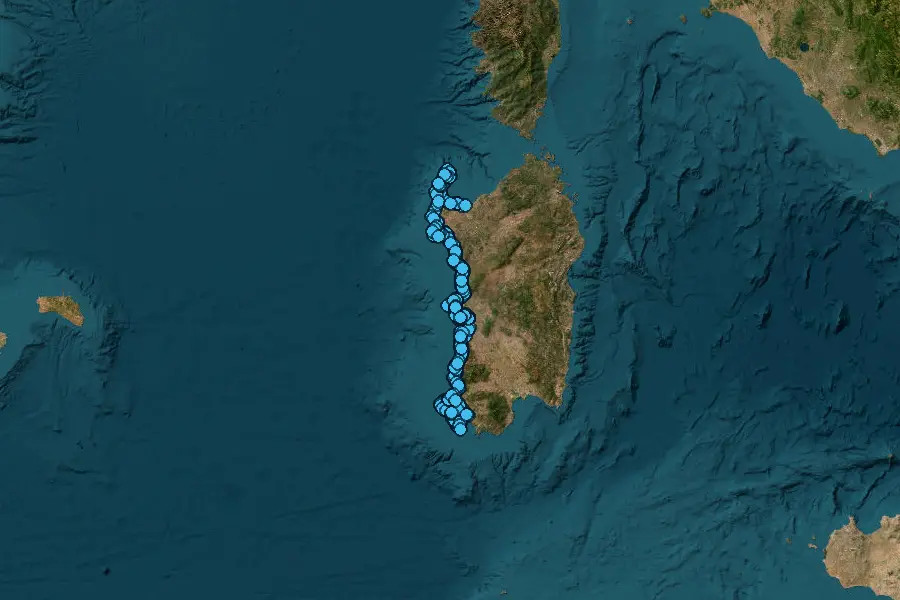
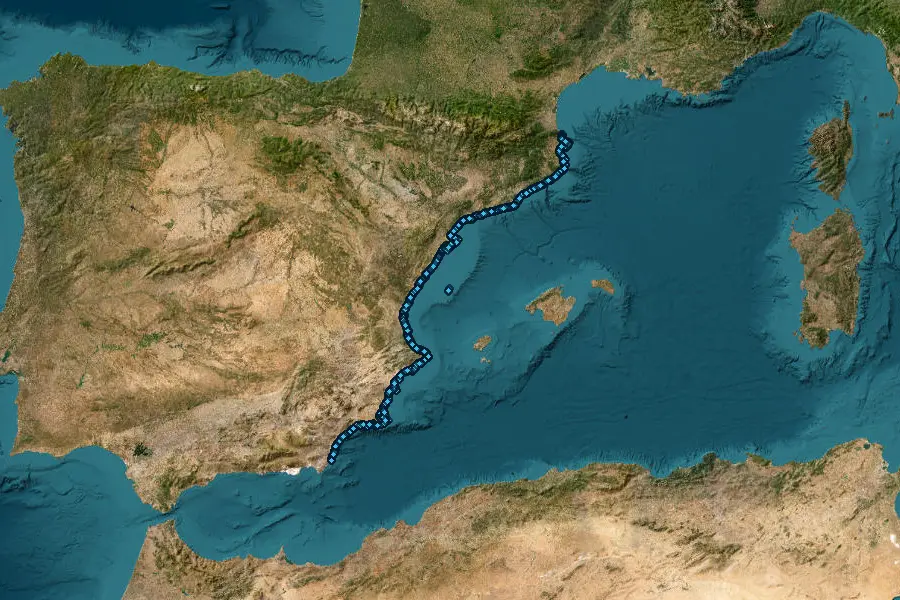
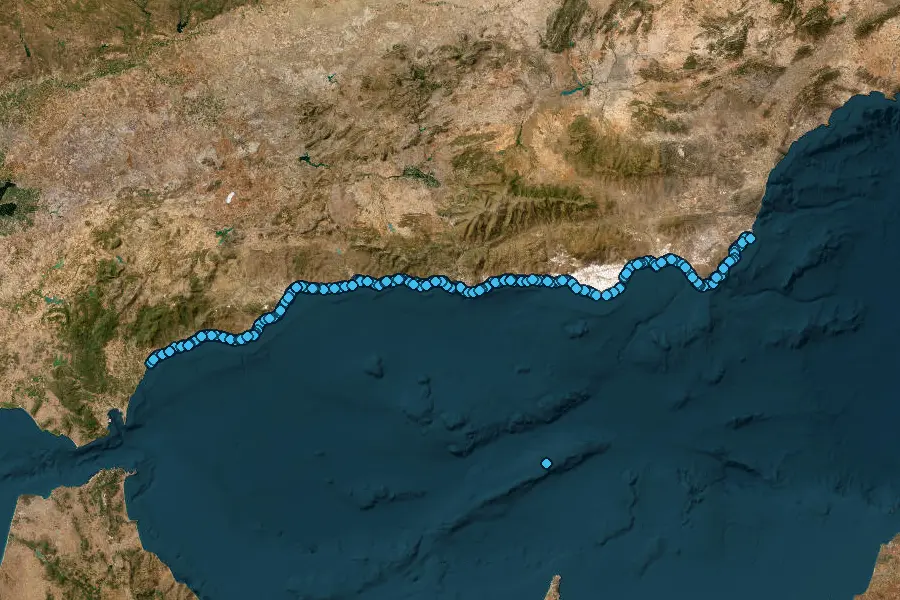
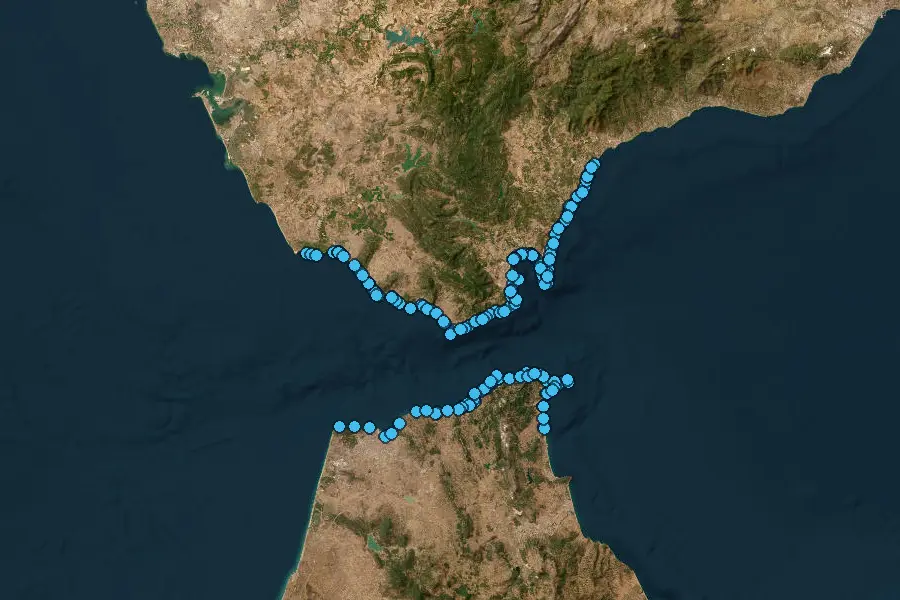
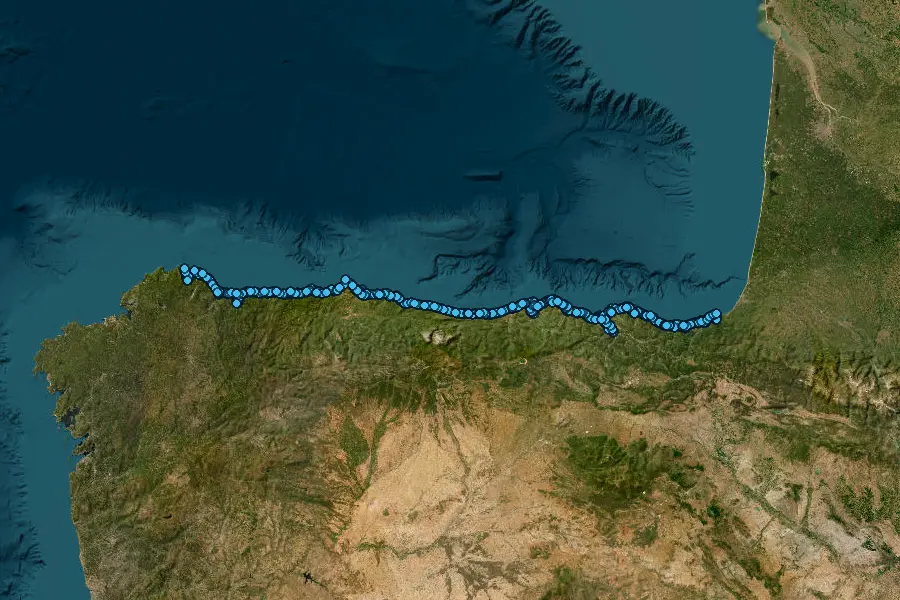
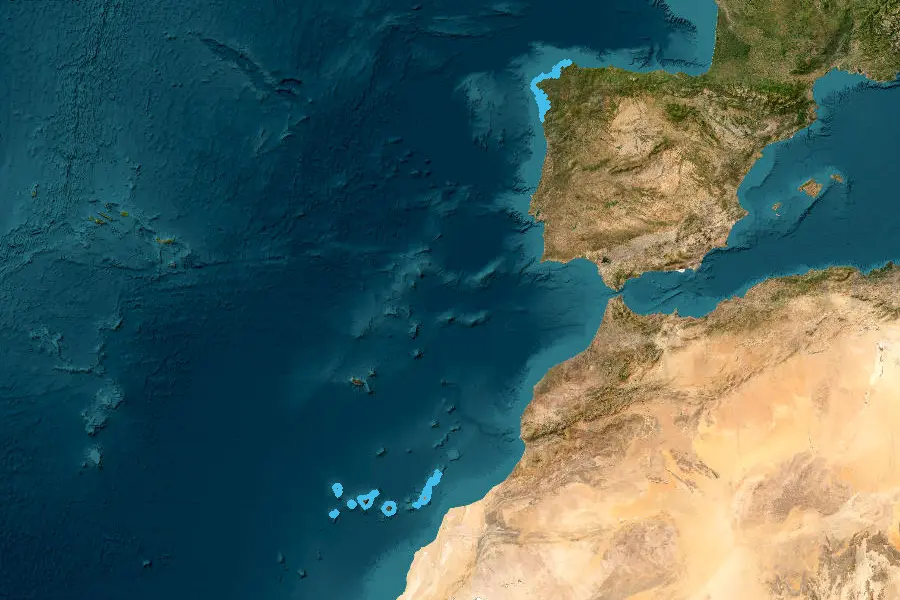
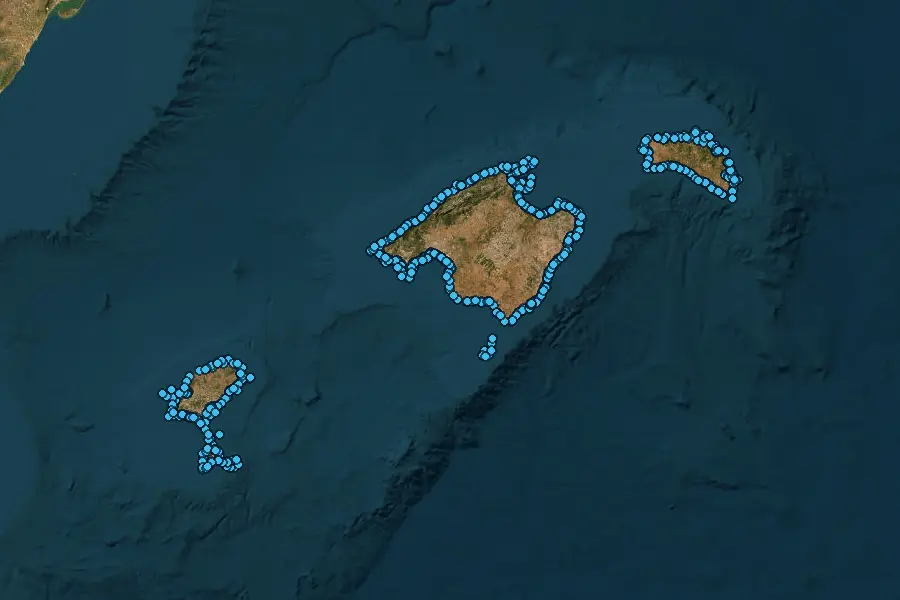
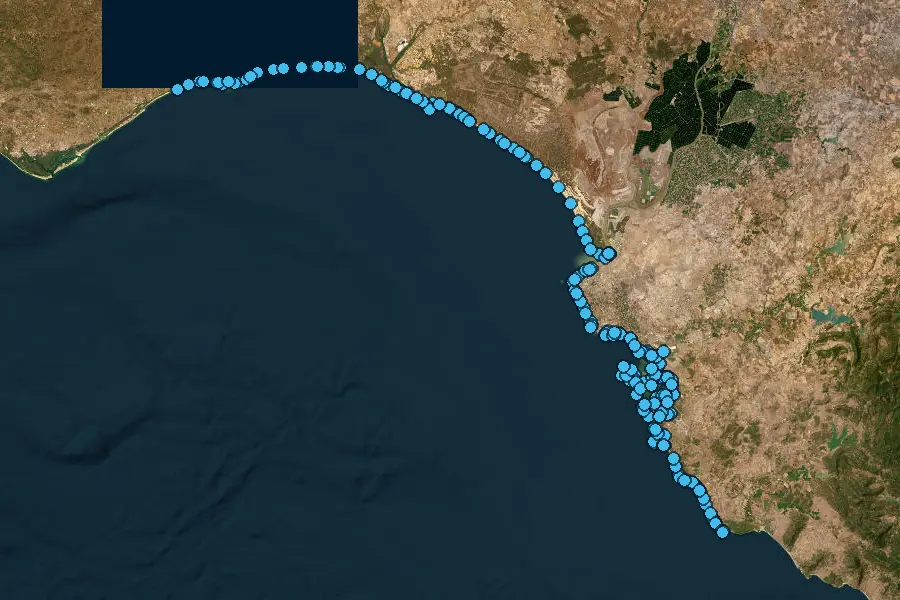
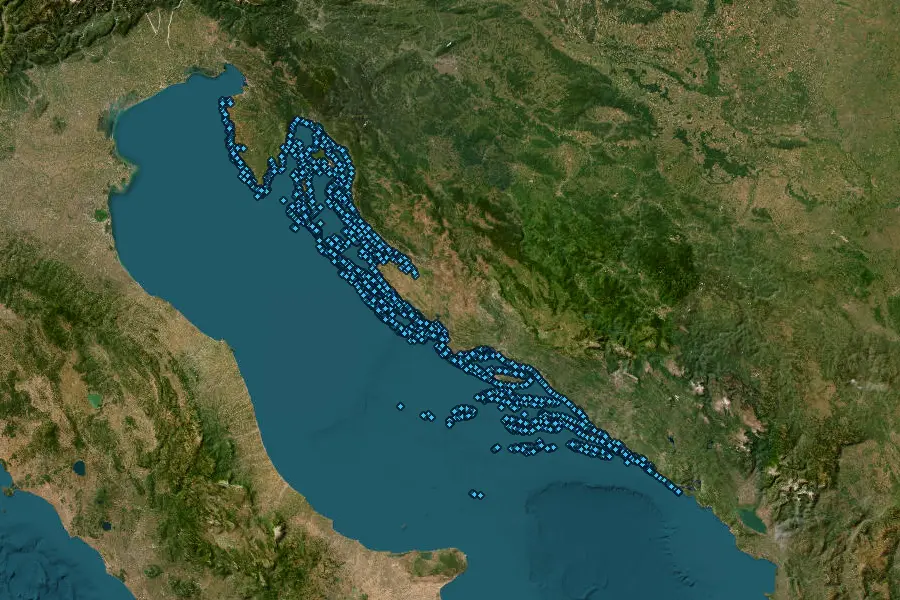
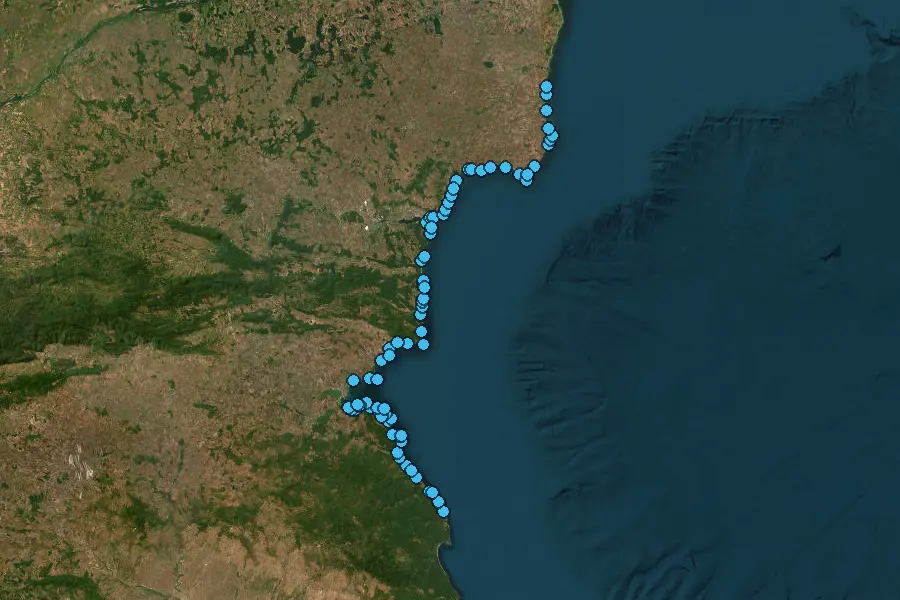
In our records Atlantic bonito appears in these seas: Black Sea, Sea of Marmara, Aegean Sea, Mediterranean, North Aegean & Thrace — Greece, Central & South Aegean — Greece, Ionian Sea — Greece, Crete & Libyan Sea — Greece, Güzelyurt Bay — Northern Cyprus, Kyrenia north coast — Northern Cyprus, Famagusta–İskele — Northern Cyprus, Karpas Peninsula — Northern Cyprus, Akamas–Paphos west coast — Southern Cyprus, Paphos–Limassol south coast — Southern Cyprus, Larnaca southeast coast — Southern Cyprus, Ayia Napa–Protaras — Southern Cyprus, Ligurian Sea — Italy, Tyrrhenian Sea — Italy, Adriatic — Italy, Ionian Sea — Italy, Strait of Sicily — Italy, Sardinian Sea — Italy, Atlantic Ocean — Spain, Mediterranean — Spain, Cantabrian Sea — Spain, Balearic Sea — Spain, Alboran Sea — Spain, Gulf of Cádiz — Spain, Strait of Gibraltar — Spain, Adriatic — Croatia, Black Sea — Bulgaria.

In which months is Atlantic bonito at its peak?

Peak periods by sea: Mediterranean July–November; Aegean Sea August–December; Sea of Marmara August–December; North Aegean & Thrace — Greece April, May, August, September, October, November; Central & South Aegean — Greece April, May, August, September, October, November; Ionian Sea — Greece April, May, August, September, October, November; Crete & Libyan Sea — Greece April–November; Black Sea all year; Famagusta–İskele — Northern Cyprus June–September; Güzelyurt Bay — Northern Cyprus June–September; Kyrenia north coast — Northern Cyprus June–September; Karpas Peninsula — Northern Cyprus June–September; Paphos–Limassol south coast — Southern Cyprus June–September; Ayia Napa–Protaras — Southern Cyprus June–September; Akamas–Paphos west coast — Southern Cyprus June–September; Larnaca southeast coast — Southern Cyprus June–September; Ligurian Sea — Italy February, March, April, September, October, November, December; Strait of Sicily — Italy February, March, April, September, October, November, December; Tyrrhenian Sea — Italy February, March, April, September, October, November, December; Ionian Sea — Italy February, March, April, September, October, November, December; Adriatic — Italy February, March, April, September, October, November, December; Sardinian Sea — Italy February, March, April, September, October, November, December; Mediterranean — Spain February, March, April, September, October, November, December; Alboran Sea — Spain February, March, April, September, October, November, December; Strait of Gibraltar — Spain February, March, April, September, October, November, December; Cantabrian Sea — Spain January, February, March, August, September, October, November; Atlantic Ocean — Spain January, March, April, May, October, November, December; Balearic Sea — Spain February, March, April, September, October, November, December; Gulf of Cádiz — Spain February, March, April, September, October, November, December; Adriatic — Croatia August–November; Black Sea — Bulgaria September–October.

Which bait is Atlantic bonito caught with?

Baits and lures on record: European anchovy, Atlantic horse mackerel, garfish, European sardine, European squid, shrimp, spoon, minnow, jig, mamun, sülünez, European sprat.

Are palamut and torik the same fish?

Yes, both are Sarda sarda. The Istanbul Metropolitan Municipality’s note says the smaller fish of the species are called palamut and the larger ones torik; FAO’s scombrid catalogue also lists both as local names in Türkiye for the same species. Zengin and Ulman report that in the early 1950s Black Sea fishers took the small palamut and the large torik for two different species, and that a study confirmed they were the same species. In Ermin’s size scale, as quoted in their article, torik corresponds to 50–60 centimetres.

How big does the Atlantic bonito get?

The sources do not give the same upper limit. FishBase lists a maximum length of 91.4 centimetres fork length and a maximum published weight of 11 kilograms. The FAO catalogue gives a maximum fork length of 85 centimetres and a weight of 5 kilograms for the Black Sea; both sources give the common length as 50 centimetres fork length. In the Black Sea and Sea of Marmara sample of Kahraman and colleagues, fork lengths ranged from 17.7 to 63 centimetres, and the fish were between 0+ and 2+ years old.

Where does the bonito come from, and where does it go?

According to the article by Zengin and Ulman, bonito stocks move from the Mediterranean and the Aegean through the Dardanelles and the Bosphorus into the Black Sea, where they feed and spawn before returning to the Mediterranean. Citing Deveciyan’s book from 1915, the article says these fish spend the winter in the Mediterranean, the Aegean or the Sea of Marmara, enter the Black Sea in summer to feed, and head back when the waters start to cool. According to the article, the season of plenty for palamut and torik was autumn, during the southward migration.

Similar species

Pick your spot, check the conditions, then head out.

Open fishing grounds on the map

Pisca AI

Members only

Ask about this species

Atlantic bonito · Sarda sarda

Works with Piscatorium data: spot scores, seasonal species and tackle recipes. Type your question and the chat opens in the side panel.

What can you ask?

Weigh the answers together with their sources.

Ask Pisca AI

Pro membership

PRO MEMBERSHIP