






























Skip to content

Lure guide

Right presentation. Right colour. Lure colour and presentation guide

Explore the options by water clarity, light and depth.

Lure type, size, action and depth come first. Colour is the final fine-tuning.

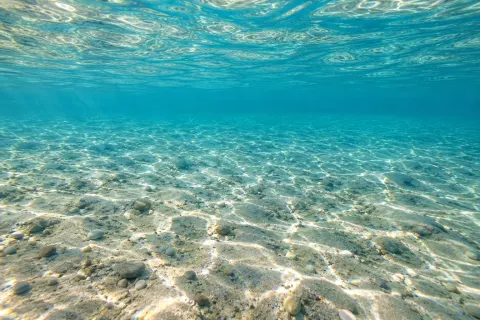
What does the water look like?

Pick a clarity level.

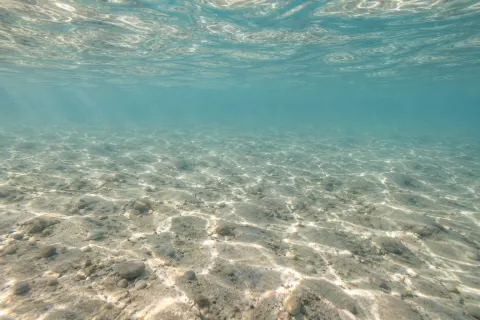
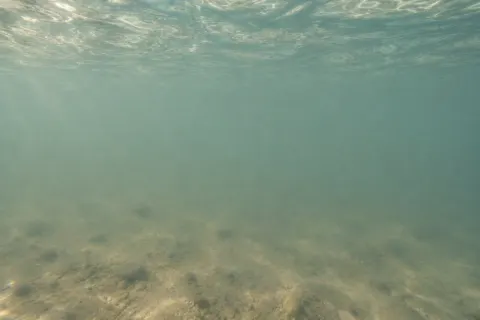
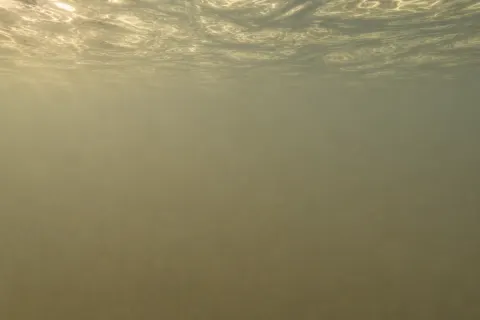
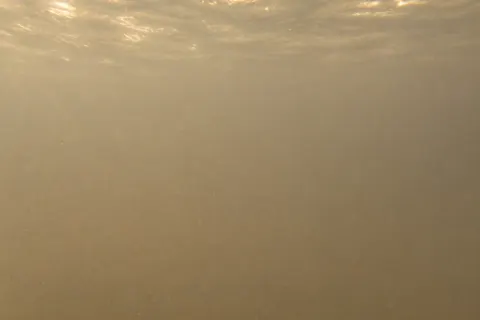
The images are illustrative, not real measurements.

Selected condition

Slightly coloured water

Visibility: 4–8 m · 1–3 FNU

Start with natural, slightly bright colours

  • Silver
  • White
  • Pearl

A little extra contrast makes the lure easier to notice.

General tendency: Both equal; flash and white work best.

Lure: colour, size, action: Natural with a little shine (silver, white, pearl); standard size; medium speed.

Lure-first share in the research: 45% · most frequent colours: White, Pink, Silver

Weigh up the other conditions too

Each one looks at colour choice from a different angle.

Light

  • Gold
  • Pink
  • White
  • Fluorescent

Gold, pink, white, chartreuse

In low light, light and warm tones stay visible.

See all
Sunny midday
Natural, clear, silver; slim lures in clear water · Avoid: Very bright flash (spooks fish in clear, shallow water)
In bright light fish see detail.
Cloudy or rainy
Gold, pink, white, chartreuse · Avoid: Clear
In low light, light and warm tones stay visible.
Dawn and sunset
Pink, white, gold, or a black silhouette
At twilight a silhouette against the surface and warm tones stand out.
Night (moon or city lights)
Black (silhouette), glittery white, holographic white
Against light from above, a dark silhouette shows most clearly.
Night (dark)
Glow (phosphorescent), UV; black with a rattle · Avoid: Natural patterns (invisible)
With no light, the lure needs its own glow or sound.

Water colour

  • Fluorescent
  • Blue-green back
  • Gold
  • White

Chartreuse, green back, gold, white

In coastal water green-yellow light travels best; blue fades early.

See all
Blue, clear (open sea, rocky headlands)
Blue-silver, white, purple back · Avoid: Orange or yellow on its own
Blue water carries blue-green light the furthest, and a sea fish’s eye is tuned to it.
Green (inshore, plankton)
Chartreuse, green back, gold, white · Avoid: Dark blue
In coastal water green-yellow light travels best; blue fades early.
Brown, muddy (river mouths, after a storm)
Black, gold or copper, orange, chartreuse · Avoid: Blue, clear, silver
Dissolved organic matter absorbs blue; contrast and a dark silhouette are what remain.

Depth

  • Blue-green back
  • White
  • Silver
  • Glow (UV)

Blue, green, white, silver, UV; red shows as a dark silhouette

Red disappears first, then orange and yellow.

See all
0–3 m
Every colour shows; choose by clarity
All wavelengths are present in the shallows.
3–10 m
Blue, green, white, silver, UV; red shows as a dark silhouette · Avoid: Assuming red and orange will look like colours
Red disappears first, then orange and yellow.
> 10 m
Glow, UV, white, holo silver; black silhouette · Avoid: Red, orange
Red and yellow are gone; blue-green light and the lure’s own glow remain.

Imitate the baitfish

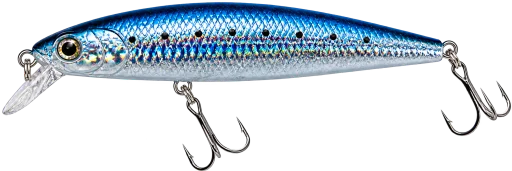
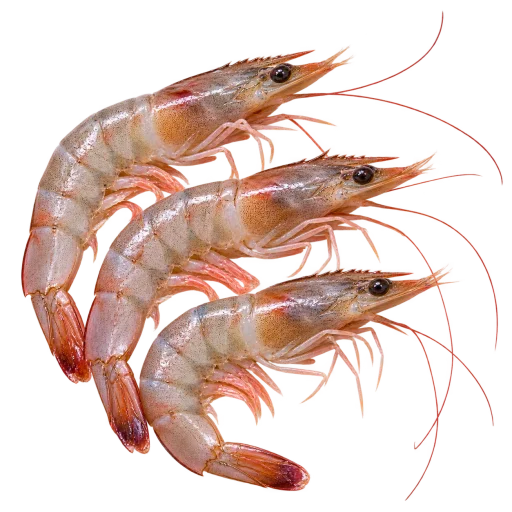
Match the lure to the colours of whatever the predator is chasing.

All examples
Principles of colour choice

Colour comes second. In controlled sea trials colour rarely changed catch numbers in a meaningful way: get the lure type, size, action and depth right first, then use colour to fine-tune. The rules below sum up what takes the lead depending on water clarity, light, water colour and depth.

  1. Depth. Water absorbs red first (at 3–10 metres red looks dark or black), then orange and yellow; blue-green lasts longest.
  2. The fish’s eye. The colour sensitivity of sea fish is mostly tuned to blue-green light (450–550 nm).
  3. Water colour. Blue offshore water passes blue best, green or brown coastal water passes green-yellow. Inshore, chartreuse, yellow and gold stay visible while blue fades early.
  4. Contrast. A dark silhouette against light from above shows in every condition; it is the most reliable choice at night and in murky water.
  5. UV and glow. There is evidence that fish see UV, but not that UV lures catch more. At night, at depth and in murky water (especially on squid jigs) they are a common and sensible option.
  6. Species-specific records. Local records come before the general rule: bluefish blue by day and holographic white at night; horse mackerel glittery white or UV at night; squid phosphorescent at night and natural colours by day. The bait section on each species page shows these.
  7. In practice. Carry one natural, one bright and one dark colour; if you get no bites for 15–20 minutes, change colour.
Evidence and sources

Colour advice rests largely on field experience.

Back to all baits

Pro membership

PRO MEMBERSHIP