Freshwater fish
Common carp
Cyprinus carpio
Get to know the species, browse the recorded inland fishing grounds and check the rules.

Choose your region
The information changes with the region you choose.
Check the closed season
Fishing seasons can differ by region.
Check regional rules
Check the local regulations.
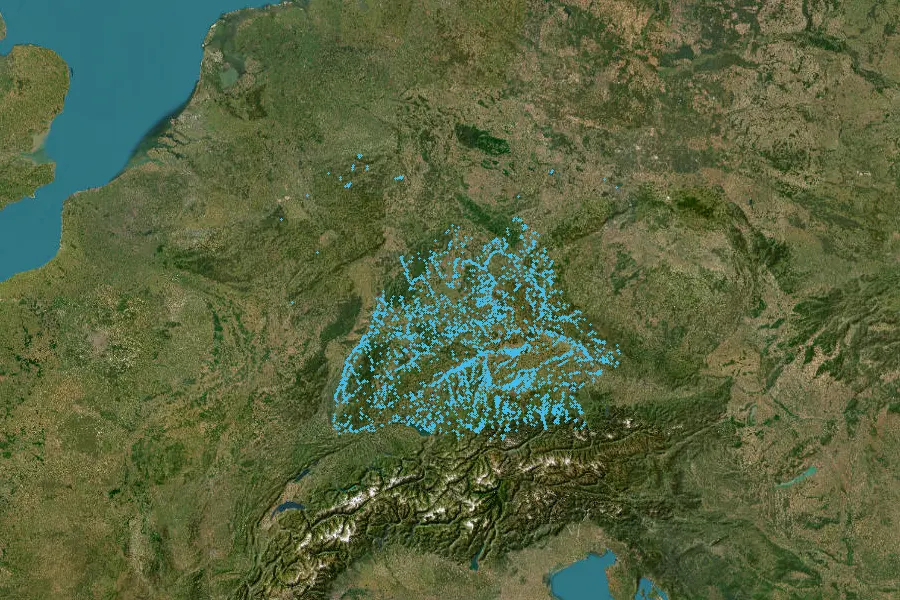
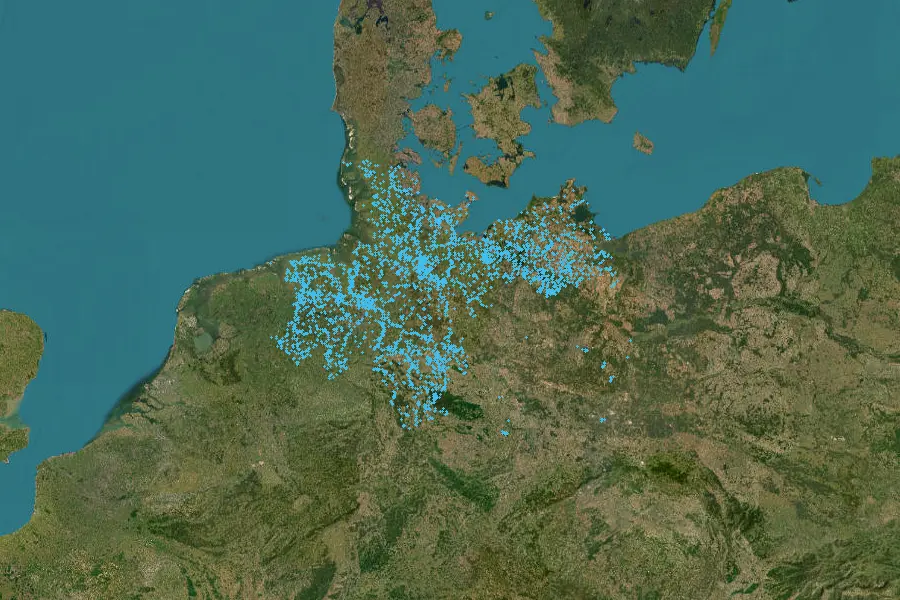
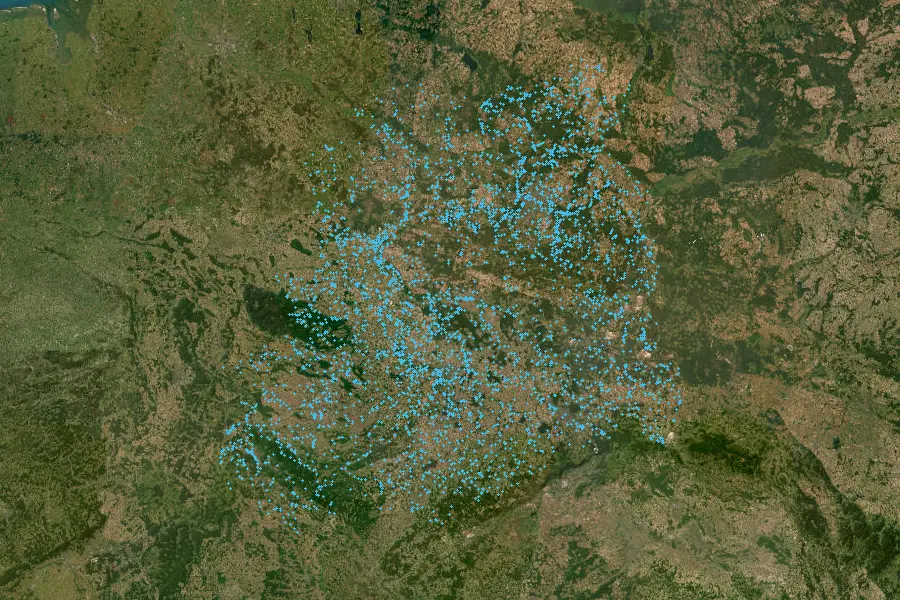
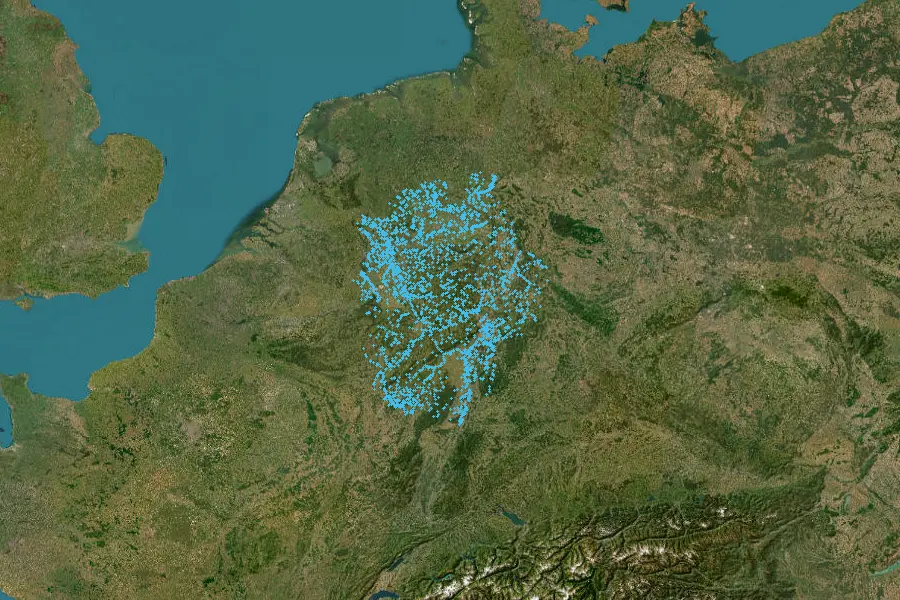
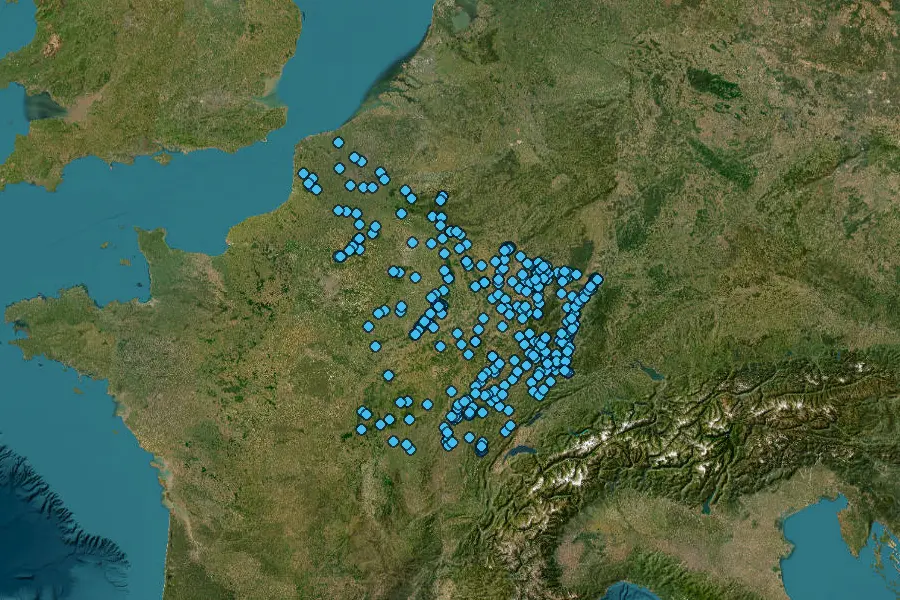
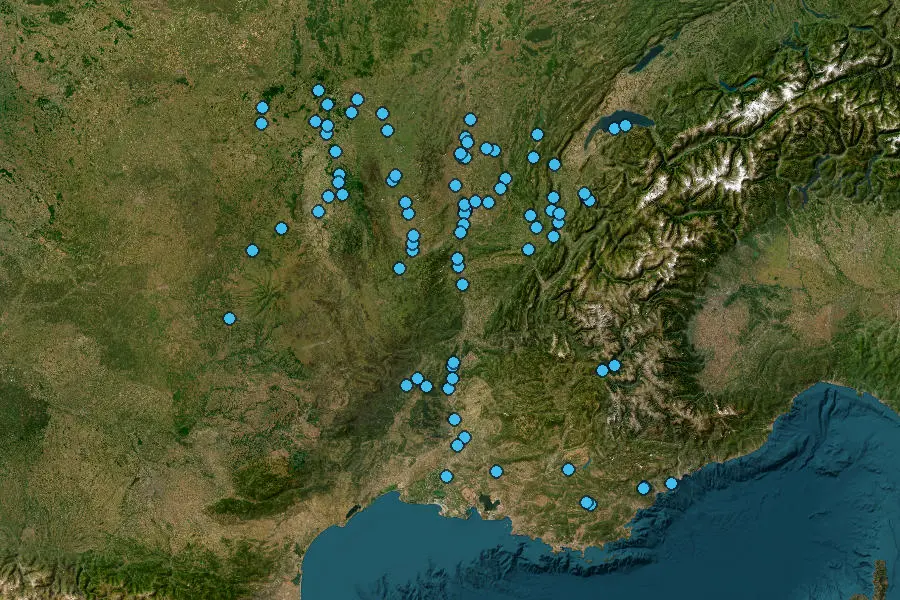
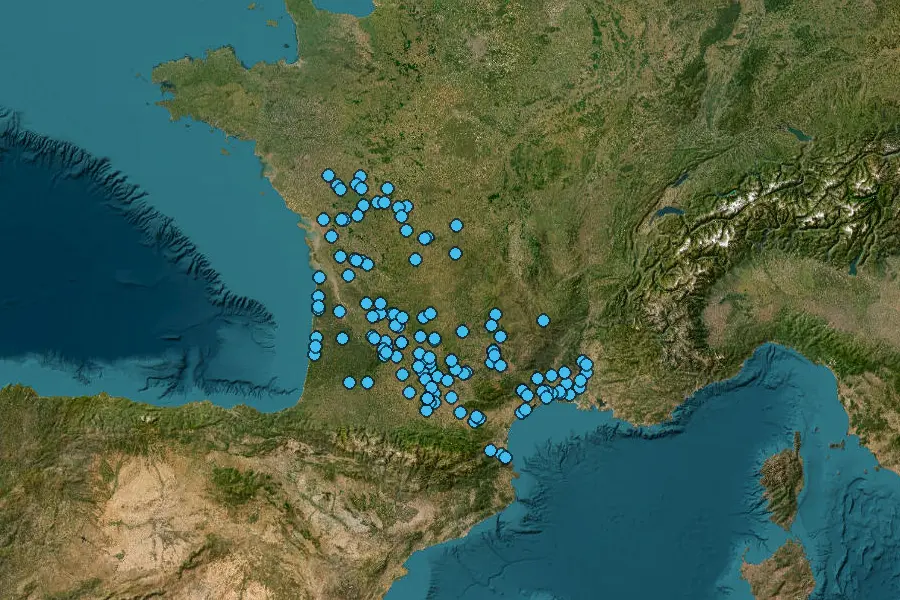
Where is Common carp caught?
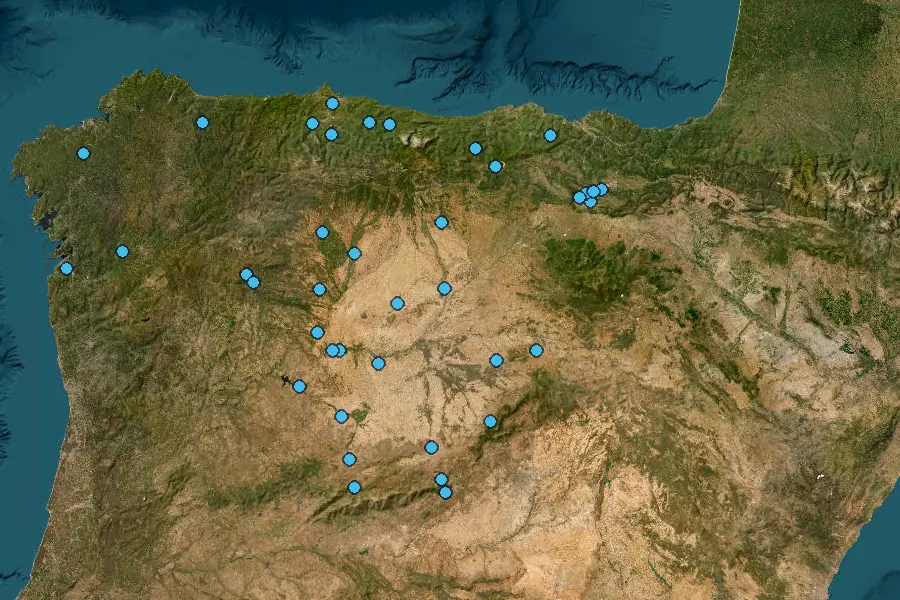
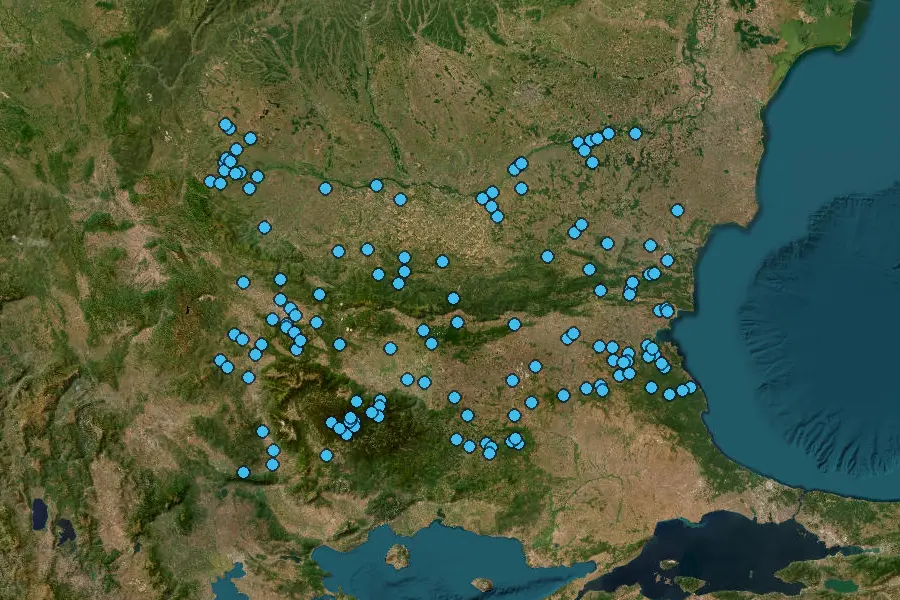
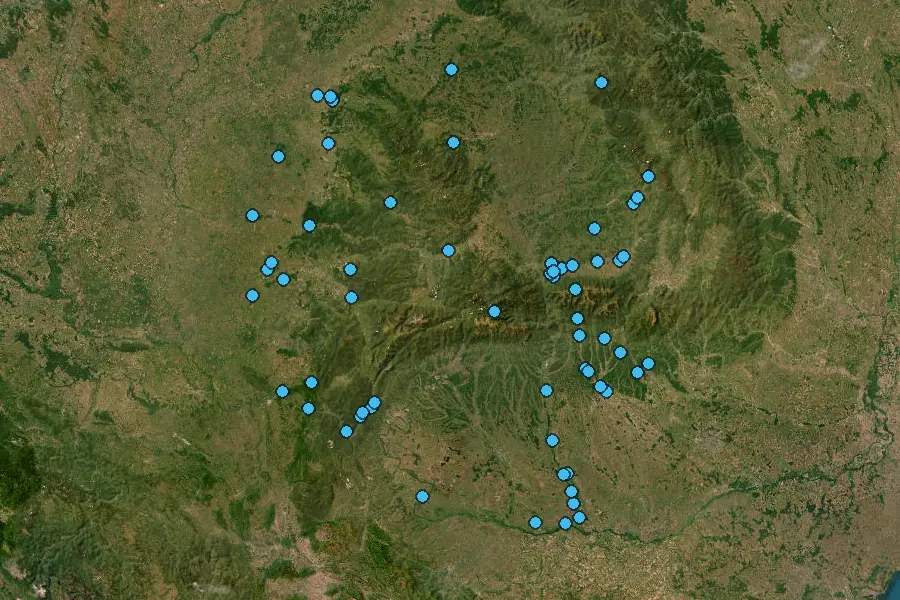
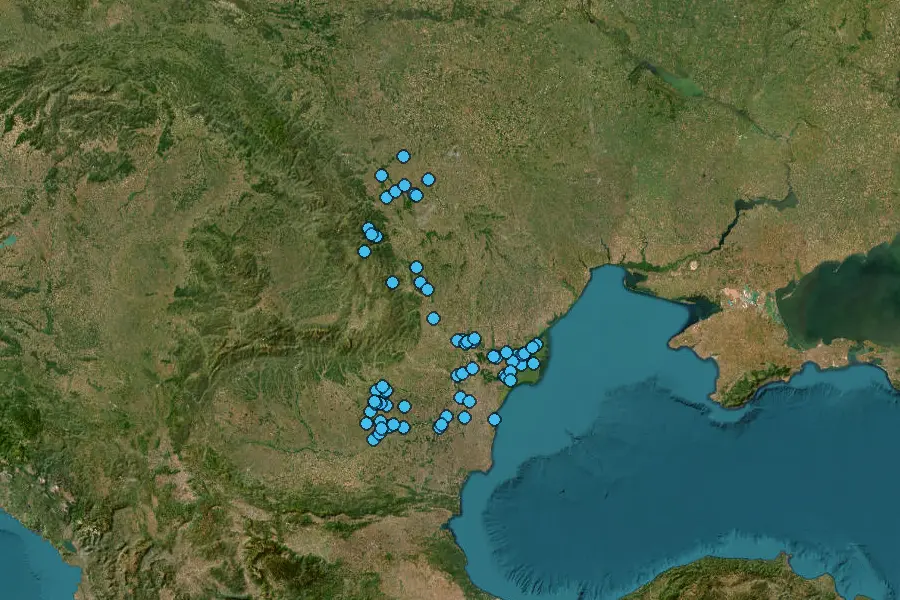
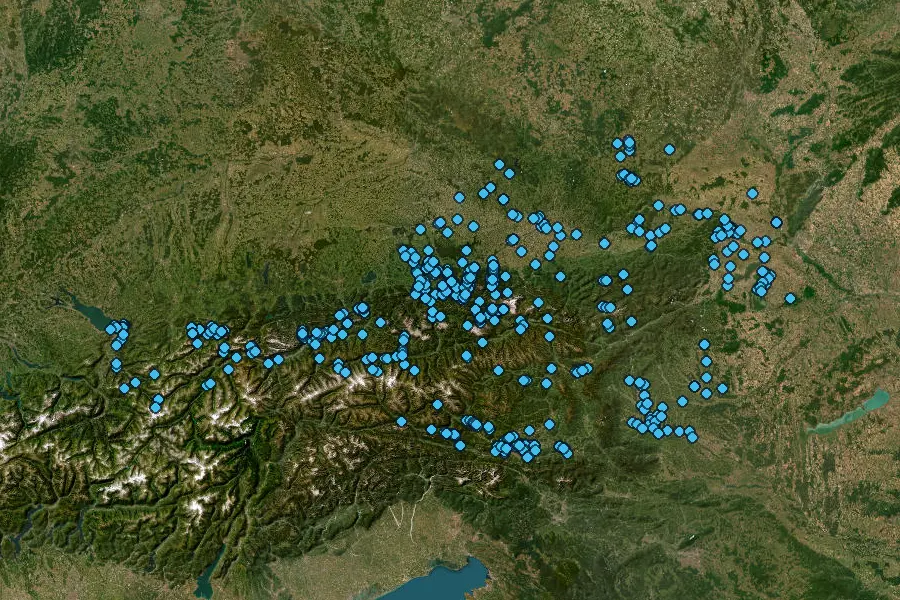
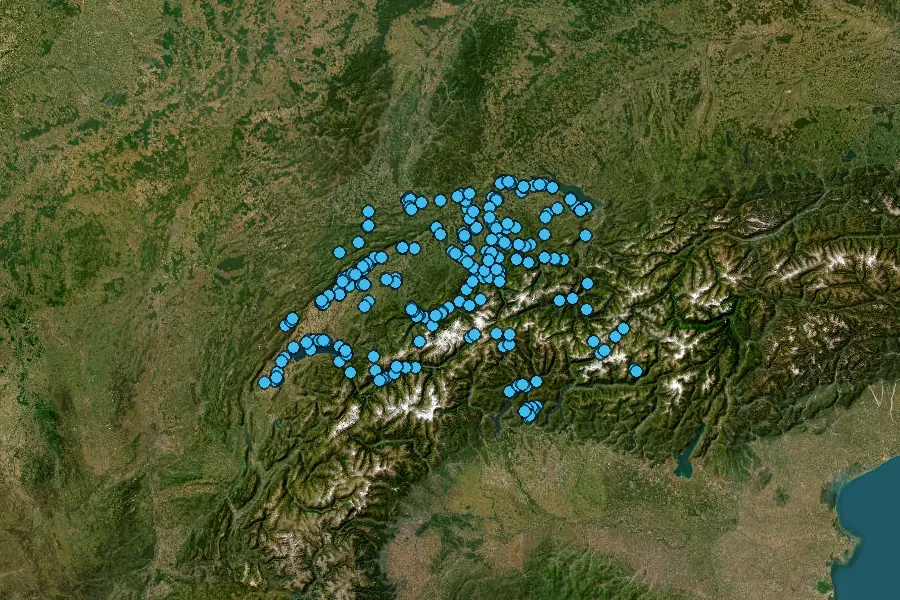
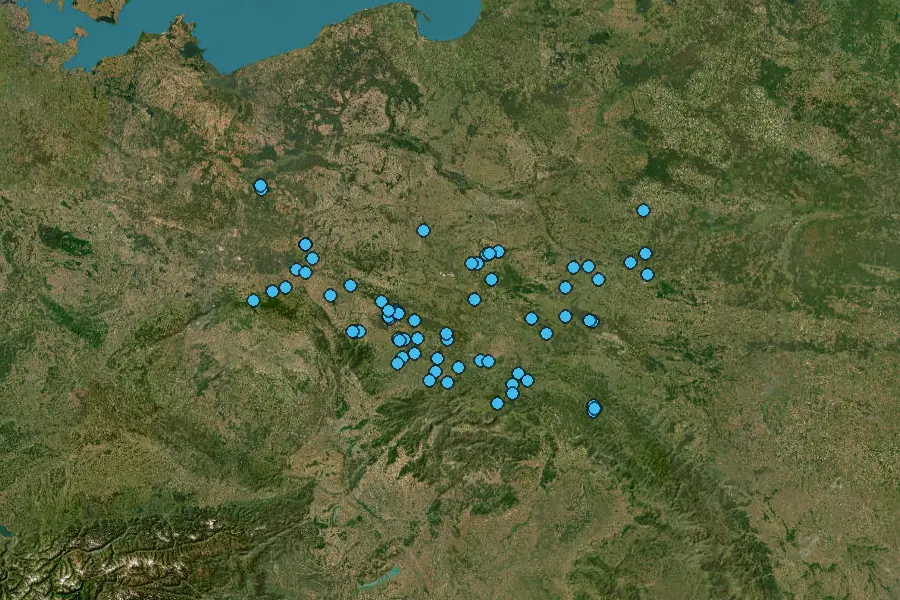
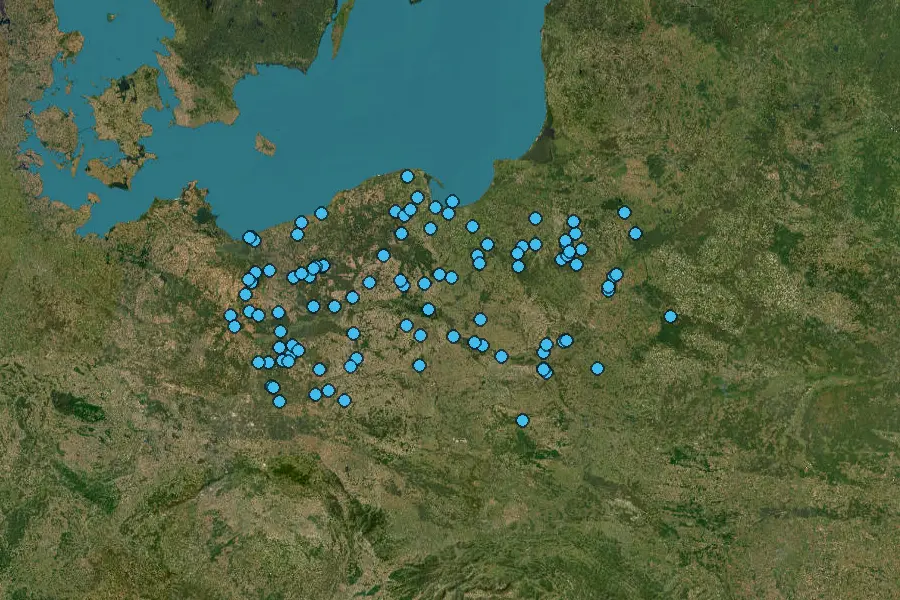
Review the possible records on the map.
Recorded inland fishing grounds
2,324Recorded inland fishing grounds
2,049Recorded inland fishing grounds
2,875Recorded inland fishing grounds
1,715Recorded inland fishing grounds
206Recorded inland fishing grounds
64Recorded inland fishing grounds
98Recorded inland fishing grounds
137Recorded inland fishing grounds
1Recorded inland fishing grounds
218Recorded inland fishing grounds
155Recorded inland fishing grounds
35Recorded inland fishing grounds
44Recorded inland fishing grounds
2Recorded inland fishing grounds
19Recorded inland fishing grounds
11Recorded inland fishing grounds
44Recorded inland fishing grounds
21Recorded inland fishing grounds
35Recorded inland fishing grounds
189Recorded inland fishing grounds
39Recorded inland fishing grounds
33Recorded inland fishing grounds
27Recorded inland fishing grounds
69Recorded inland fishing grounds
115Recorded inland fishing grounds
90Recorded inland fishing grounds
9Recorded inland fishing grounds
21Recorded inland fishing grounds
40Recorded inland fishing grounds
1,819- Rhein bei Breisach Possible record Baden-Württemberg · Rhein
- Eisbach and Schwabinger stream within Englischer Garten Bayern · Eisbach and Schwabinger stream within Englischer Garten, Mun
- Moosinninger Baggersee Possible record Bayern · Moosinninger Baggersee
- Gfaller Stausee Possible record Bayern · Gfaller Stausee
- Amper (Zolling) Possible record Bayern · Amper
- Angelparadies Plüderhausen Possible record Baden-Württemberg · Angelparadies Plüderhausen
- Angelsee Nußloch Possible record Baden-Württemberg · Angelsee Nußloch
- Anglersee (Sinningen) Possible record Baden-Württemberg · Anglersee
- Werdersee (Bremen) Possible record Bremen · Werdersee
- Clats Wettern (Bremen) Bremen · Clats Wettern
- Brüggener See Possible record Niedersachsen · Brüggener See
- Burggraben Glückstadt Possible record Schleswig-Holstein · Burggraben Glückstadt
- Buschmühlenteich (Helmstedt) Possible record Niedersachsen · Buschmühlenteich
- Dreiecksteich (Hannover) Possible record Niedersachsen · Dreiecksteich
- Dümmer Possible record Niedersachsen · Dümmer
- Eschsee (Haddorf) Possible record Niedersachsen · Eschsee
- Talsperre Spremberg (Bagenz) 2 Possible record Brandenburg · Talsperre Spremberg (Spree)
- Weiße Elster (Bad Köstritz) Possible record Thüringen · Weiße Elster
- Elbe bei Bad Schandau Possible record Sachsen · Elbe
- Elbe (Torgau) Possible record Sachsen · Elbe
- Schafloch (Prieschka) Possible record Brandenburg · Schafloch
- 5 Teiche am Ipser Weg Possible record Sachsen-Anhalt · 5 Teiche am Ipser Weg
- ACA-Teich Dobien Possible record Sachsen-Anhalt · ACA-Teich Dobien
- Blauer See (Bad Erna) Possible record Brandenburg · Blauer See
- Saar Saarbrücken Possible record Saarland · Saar
- Angelpark Zievericher Mühle Nordrhein-Westfalen · Angelpark Zievericher Mühle
- Deichsee (Buga-See Düsseldorf) Possible record Nordrhein-Westfalen · Deichsee
- Hinsbecker Bruch Possible record Nordrhein-Westfalen · Hinsbecker Bruch
- Werse (Gelmer) Nordrhein-Westfalen · Werse
- Ginsheimer Altrhein Hessen · Ginsheimer Altrhein
- Amaliasee (Seligenstadt) Possible record Hessen · Amaliasee
- Bärenloch (Langenfeld) Possible record Nordrhein-Westfalen · Bärenloch
206 fishing grounds
64 fishing grounds
98 fishing grounds
137 fishing grounds
1 fishing ground
218 fishing grounds
155 fishing grounds
35 fishing grounds
44 fishing grounds
2 fishing grounds
19 fishing grounds
11 fishing grounds
44 fishing grounds
21 fishing grounds
35 fishing grounds
189 fishing grounds
39 fishing grounds
33 fishing grounds
27 fishing grounds
69 fishing grounds
115 fishing grounds
90 fishing grounds
9 fishing grounds
21 fishing grounds
40 fishing grounds
1,819 fishing grounds
No fishing ground or region matches your search.
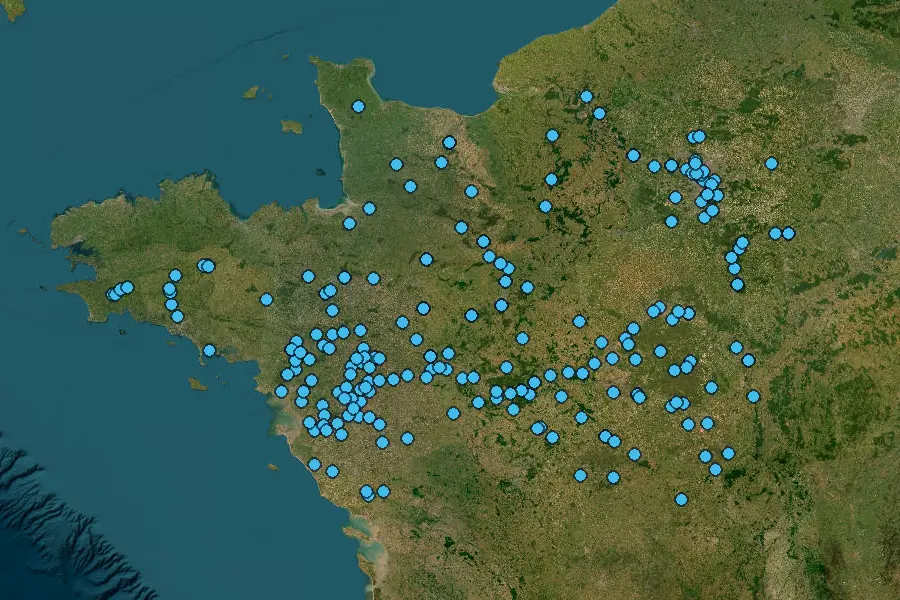
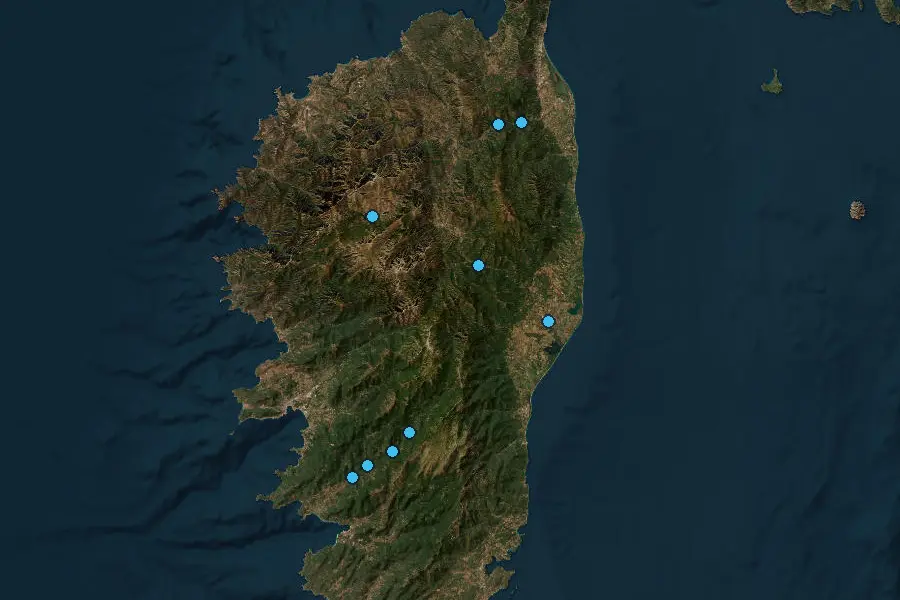
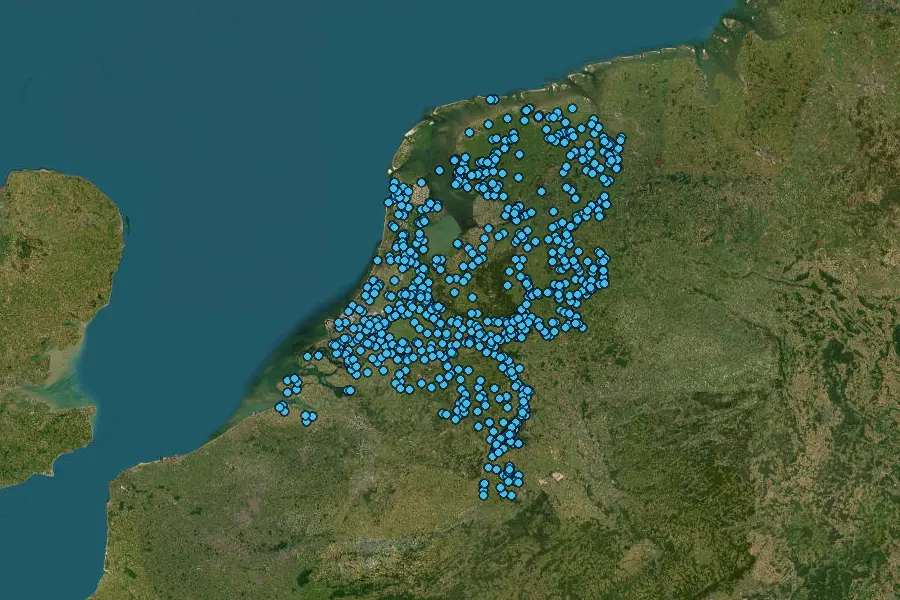
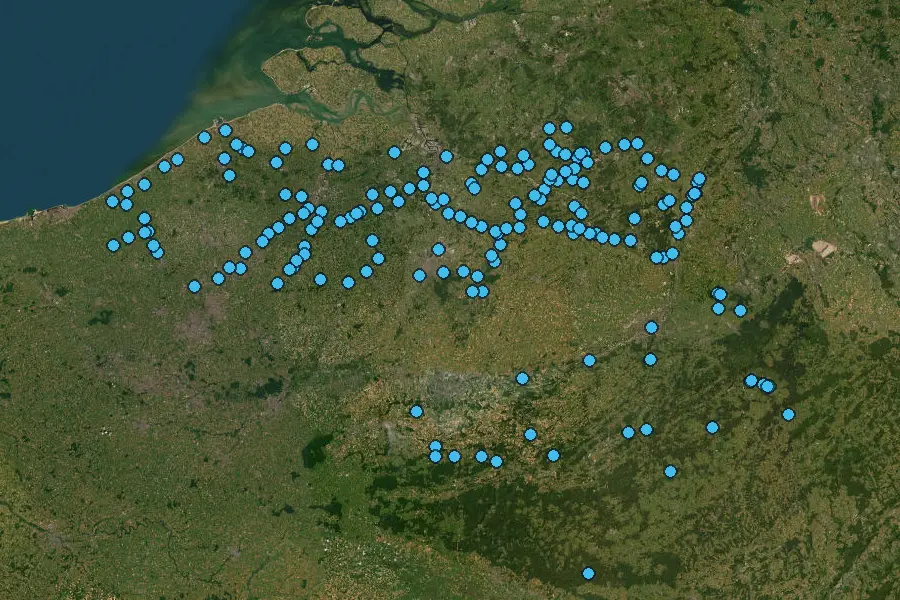
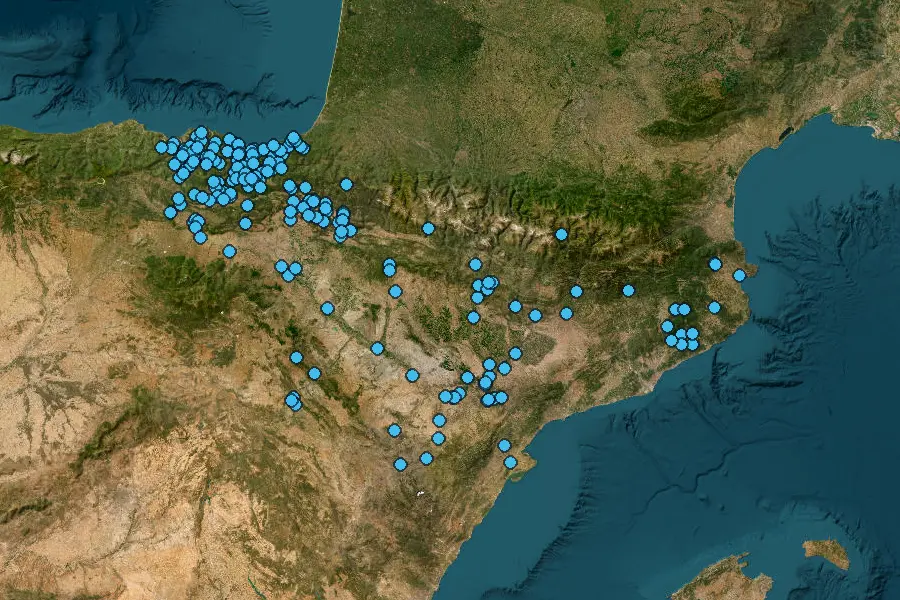
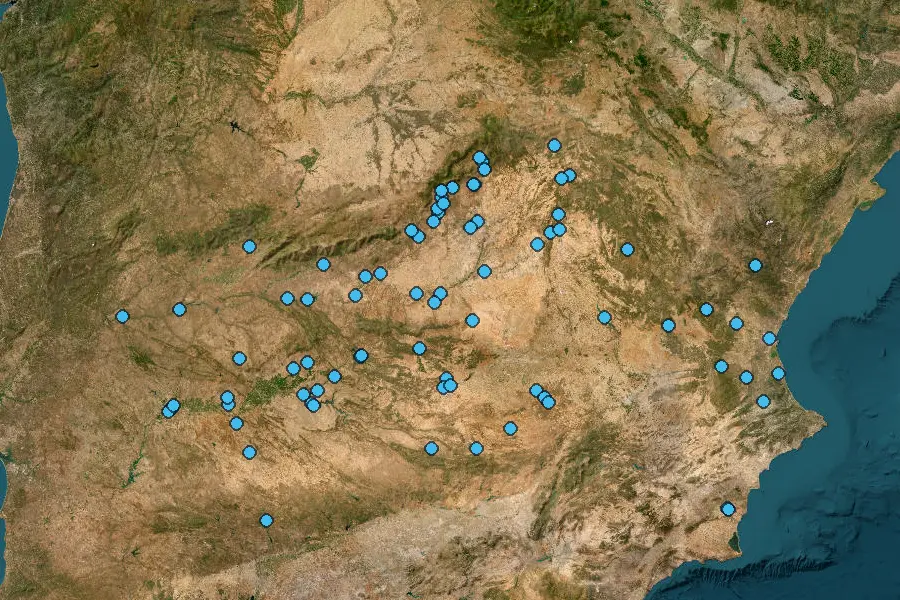
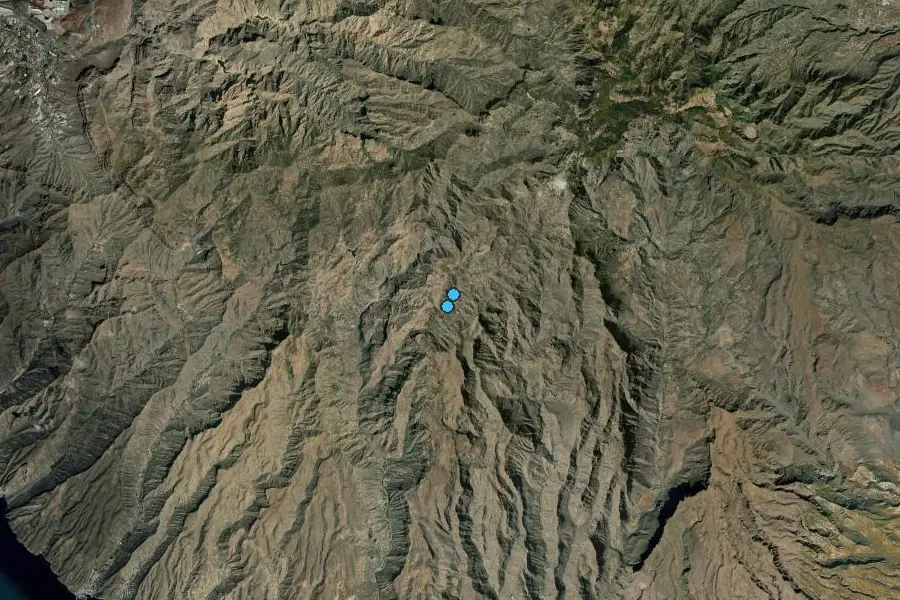
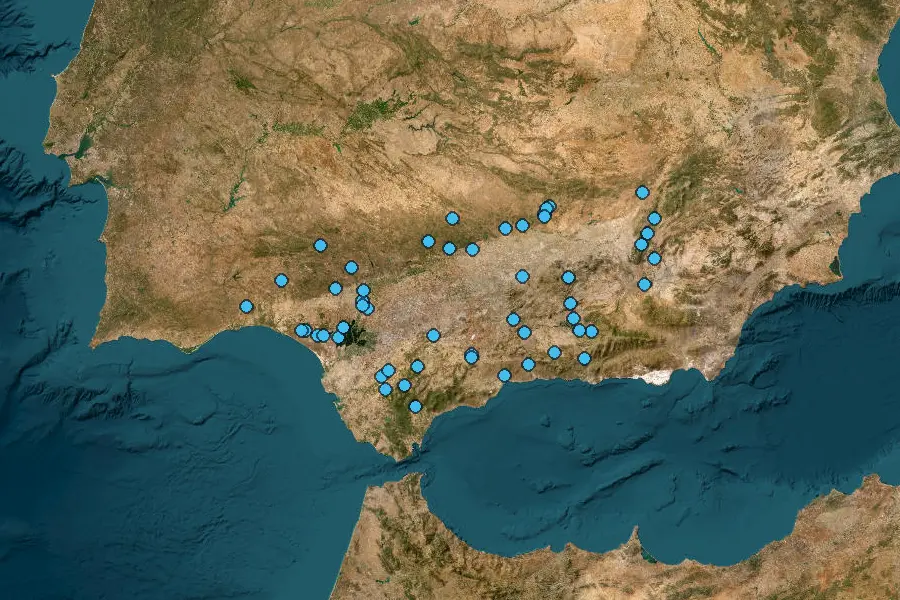
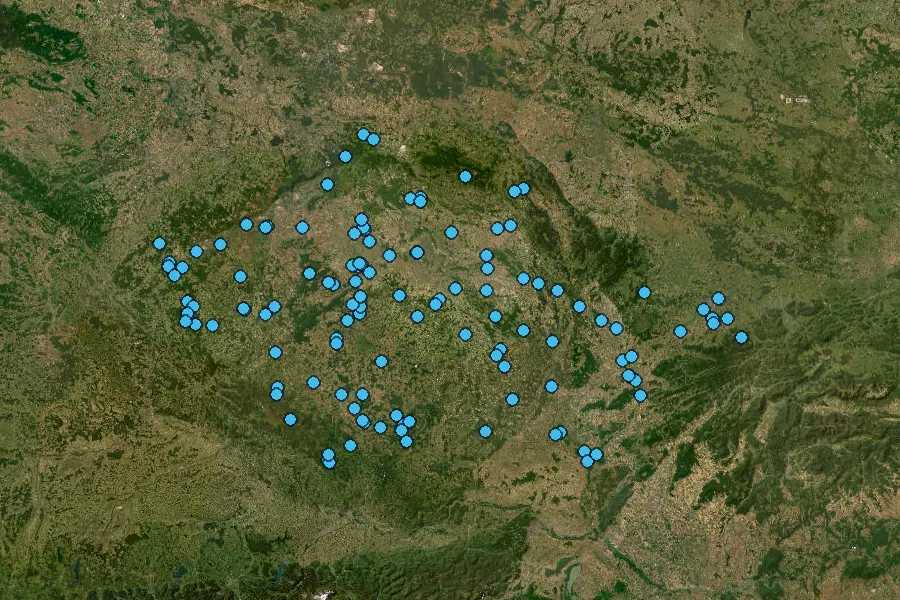
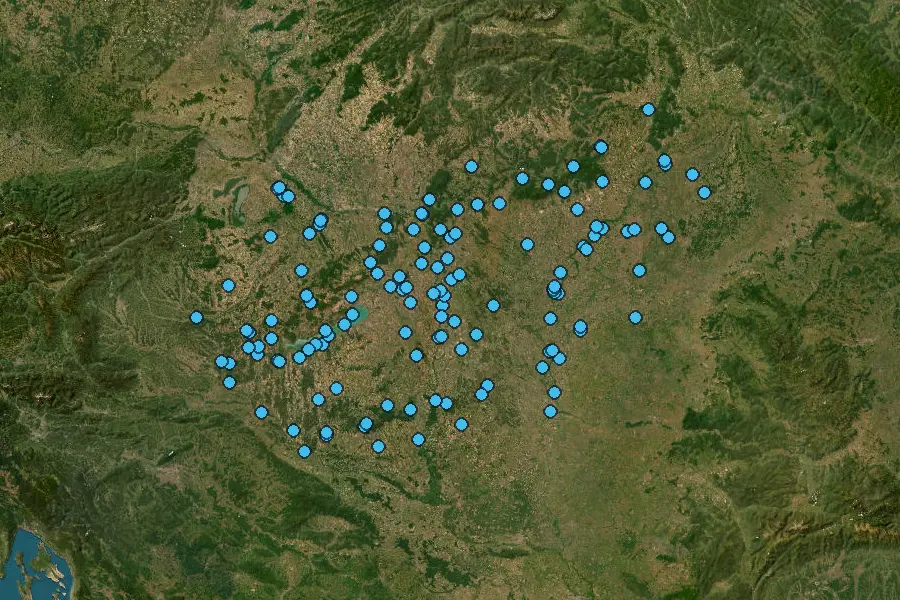
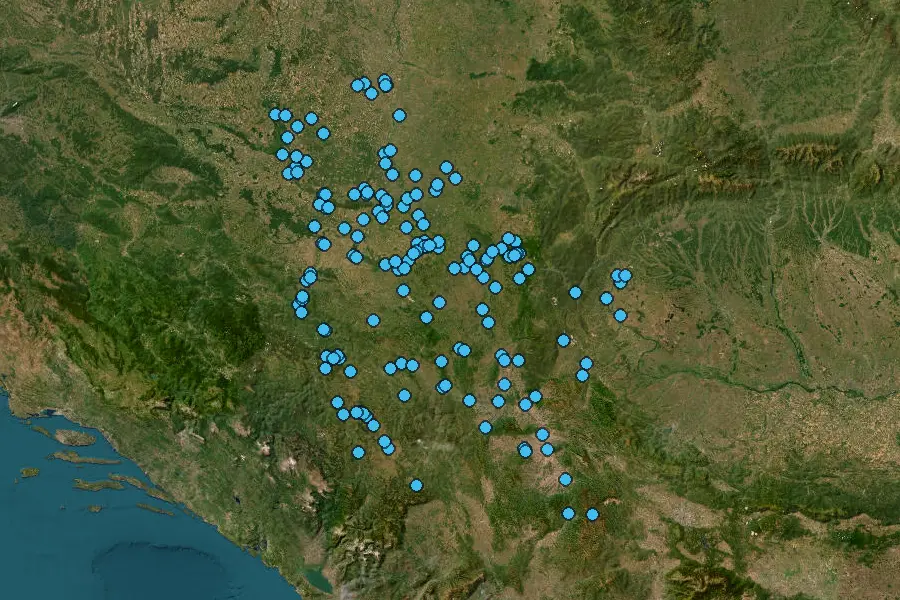
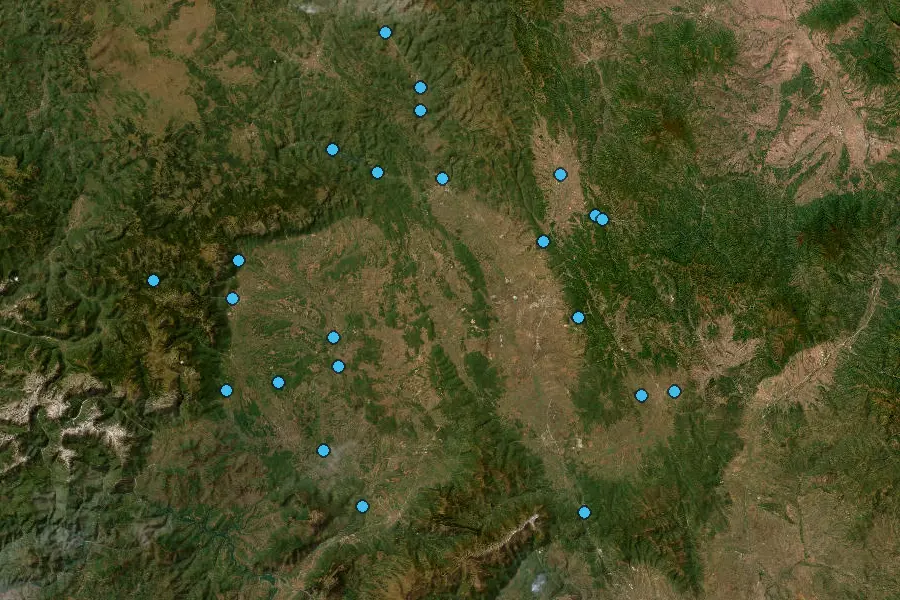
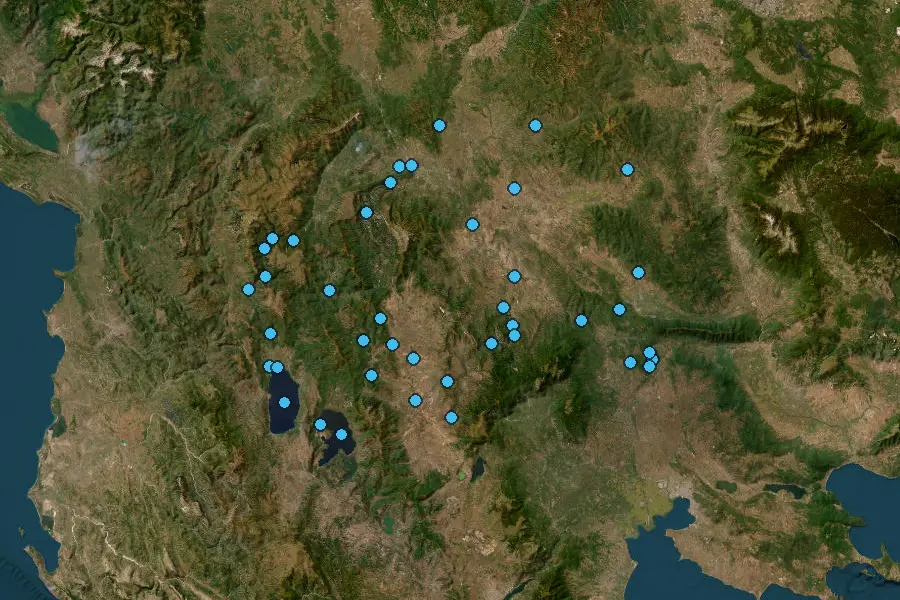
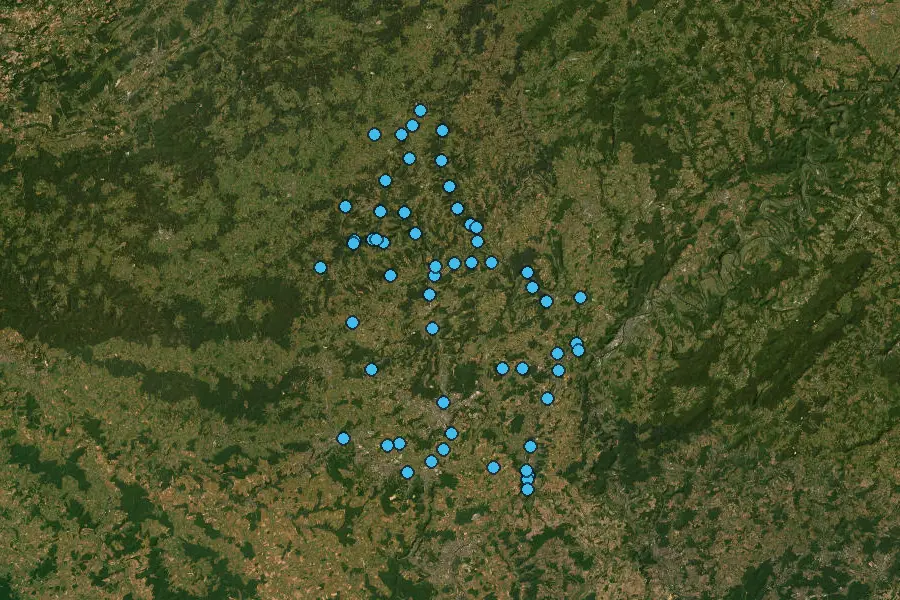
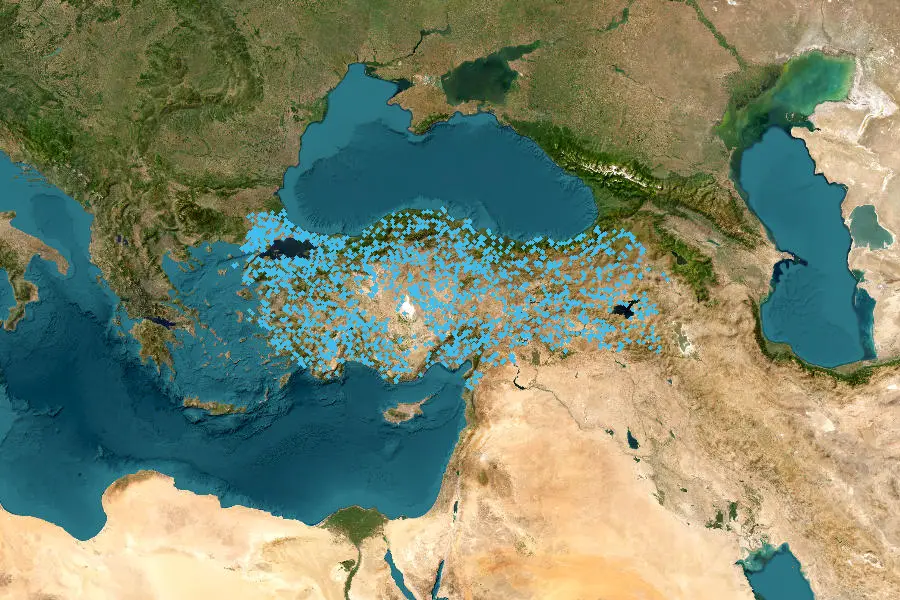
A listed spot is not a guarantee of a catch.
Lakes and rivers
Season and suitable conditions
Check the season information for the region you chose.
Peak months: May, Jun, Jul, Aug, Sep, Oct
Lakes and rivers
Season and suitable conditions
Check the season information for the region you chose.
Peak months: May, Jun, Jul, Aug, Sep, Oct
Lakes and rivers
Season and suitable conditions
Check the season information for the region you chose.
Peak months: May, Jun, Jul, Aug, Sep, Oct
Lakes and rivers
Season and suitable conditions
Check the season information for the region you chose.
Peak months: Jun, Jul, Aug, Sep, Oct
Lakes and rivers
Season and suitable conditions
Check the season information for the region you chose.
Peak months: Jun, Jul, Aug, Sep, Oct
Lakes and rivers
Season and suitable conditions
Check the season information for the region you chose.
Peak months: Jun, Jul, Aug, Sep, Oct
Lakes and rivers
Season and suitable conditions
Check the season information for the region you chose.
Peak months: Jun, Jul, Aug, Sep, Oct
Lakes and rivers
Season and suitable conditions
Check the season information for the region you chose.
Peak months: May, Jun, Jul, Aug, Sep, Oct
Lakes and rivers
Season and suitable conditions
Check the season information for the region you chose.
Peak months: May, Jun, Jul, Aug, Sep, Oct
Lakes and rivers
Season and suitable conditions
Check the season information for the region you chose.
Peak months: Apr, May, Jun, Jul, Aug, Sep
Lakes and rivers
Season and suitable conditions
Check the season information for the region you chose.
Peak months: Jun, Jul, Aug, Sep
Lakes and rivers
Season and suitable conditions
Check the season information for the region you chose.
Peak months: May, Jun, Jul, Aug, Sep, Oct
Lakes and rivers
Season and suitable conditions
Check the season information for the region you chose.
Peak months: May, Jun, Jul, Aug, Sep, Oct
Lakes and rivers
Season and suitable conditions
Check the season information for the region you chose.
Peak months: May, Jun, Jul, Aug, Sep, Oct
Lakes and rivers
Season and suitable conditions
Check the season information for the region you chose.
Peak months: May, Jun, Jul, Aug, Sep, Oct
Lakes and rivers
Season and suitable conditions
Check the season information for the region you chose.
Peak months: May, Jun, Jul, Aug, Sep, Oct
Lakes and rivers
Season and suitable conditions
Check the season information for the region you chose.
Peak months: Jun, Jul, Aug, Sep, Oct
Lakes and rivers
Season and suitable conditions
Check the season information for the region you chose.
Peak months: Jul, Aug, Sep, Oct
Lakes and rivers
Season and suitable conditions
Check the season information for the region you chose.
Peak months: Jul, Aug, Sep, Oct
Lakes and rivers
Season and suitable conditions
Check the season information for the region you chose.
Peak months: Jul, Aug, Sep
Lakes and rivers
Season and suitable conditions
Check the season information for the region you chose.
Peak months: May, Jun, Jul, Aug, Sep, Oct
Lakes and rivers
Season and suitable conditions
Check the season information for the region you chose.
Peak months: Apr, May, Jun, Jul, Aug, Sep, Oct
Lakes and rivers
Season and suitable conditions
Check the season information for the region you chose.
Peak months: Apr, May, Jun, Jul, Aug, Sep, Oct
Lakes and rivers
Season and suitable conditions
Check the season information for the region you chose.
Peak months: Apr, May, Jun, Jul, Aug, Sep
Lakes and rivers
Season and suitable conditions
Check the season information for the region you chose.
Peak months: Apr, Jun, Jul, Aug, Sep
Lakes and rivers
Season and suitable conditions
Check the season information for the region you chose.
Peak months: Jun, Jul, Aug, Sep, Oct
Lakes and rivers
Season and suitable conditions
Check the season information for the region you chose.
Peak months: May, Jun, Jul, Aug, Sep, Oct
Lakes and rivers
Season and suitable conditions
Check the season information for the region you chose.
Peak months: Jul, Aug, Sep, Oct
Lakes and rivers
Season and suitable conditions
Check the season information for the region you chose.
Peak months: Jul, Aug, Sep
Inland waters
Season and suitable conditions
Check the season information for the region you chose.
There is no season data for this species yet.
Missing data does not mean an unproductive period.
Season information is no guarantee of a catch.
Fishing rules for Türkiye
 Türkiye
- Minimum size
- 40 cm
- Maximum quantity
- 5 fish
Single-species or mixed total; details and exceptions are in the regulation.
No species-specific closed season is listed; area and method rules still apply.
Legal basis: 6/2 md. 11 – Çizelge 5 communiqué text
Before you go, check local area and method restrictions.
How do you recognise a common carp?
Where does it live, and what is its life like?
Species profile

- Scientific name
- Cyprinus carpio
- Water type
- Freshwater
Frequently asked questions
What is the minimum size for Common carp?
In recreational angling the minimum catch size for Common carp is 40 cm. Fish below that length have to be returned to the water. Legal basis: 6/2 md. 11 – Çizelge 5.
Which seas is Common carp found in?
In our records Common carp appears in these seas: Lakes and rivers — Switzerland, Lakes and rivers — Northern Germany, Lakes and rivers — Southern Germany, Lakes and rivers — North-West France, Lakes and rivers — North-East France, Lakes and rivers — Southwestern France, Lakes and rivers — Southeastern France, Lakes and rivers — Eastern Germany, Lakes and rivers — Western Germany, Lakes and rivers — Netherlands, Lakes and rivers — Belgium, Lakes and rivers — Northwestern Spain, Lakes and rivers — Northeastern Spain, Lakes and rivers — Central Spain, Lakes and rivers — Southern Spain, Lakes and rivers — Canary Islands, Lakes and rivers — Northern Poland, Lakes and rivers — Southern Poland, Lakes and rivers — Western Romania, Lakes and rivers — Eastern Romania, Lakes and rivers — Bulgaria, Lakes and rivers — Czechia, Lakes and rivers — Hungary, Lakes and rivers — Serbia, Lakes and rivers — Kosovo, Lakes and rivers — North Macedonia, Lakes and rivers — Luxembourg, Lakes and rivers — Corsica, Lakes and rivers — Austria.
In which months is Common carp at its peak?
Peak periods by sea: Lakes and rivers — Southern Germany May–October; Lakes and rivers — Northern Germany May–October; Lakes and rivers — Eastern Germany May–October; Lakes and rivers — Western Germany June–October; Lakes and rivers — North-East France June–October; Lakes and rivers — Southeastern France June–October; Lakes and rivers — Southwestern France June–October; Lakes and rivers — North-West France May–October; Lakes and rivers — Corsica May–October; Lakes and rivers — Netherlands April–September; Lakes and rivers — Belgium June–September; Lakes and rivers — Northeastern Spain May–October; Lakes and rivers — Central Spain May–October; Lakes and rivers — Canary Islands May–October; Lakes and rivers — Southern Spain May–October; Lakes and rivers — Northwestern Spain May–October; Lakes and rivers — Bulgaria June–October; Lakes and rivers — Western Romania July–October; Lakes and rivers — Eastern Romania July–October; Lakes and rivers — Austria July–September; Lakes and rivers — Switzerland May–October; Lakes and rivers — Southern Poland April–October; Lakes and rivers — Northern Poland April–October; Lakes and rivers — Czechia April–September; Lakes and rivers — Hungary April, June, July, August, September; Lakes and rivers — Serbia June–October; Lakes and rivers — Kosovo May–October; Lakes and rivers — North Macedonia July–October; Lakes and rivers — Luxembourg July–September.
How big does a common carp get, and how long does it live?
The sources do not agree on one figure. FishBase lists a maximum length of 129 centimetres total length and a maximum published weight of 40.1 kilograms; its common-length field says 31 centimetres. The IUCN Global Invasive Species Database (GISD), citing another study, reports that carp can reach 120 centimetres and 60 kilograms. Age is similar: FishBase gives a maximum reported age of 38 years, while GISD cites a typical lifespan of 13–20 years in the wild and records one individual that reached 47 years in captivity.
What does a common carp eat?
It is omnivorous. The FAO species fact sheet describes carp as omnivores with a marked tendency towards animal food: water insects and their larvae, worms, molluscs and zooplankton, plus the stalks, leaves and seeds of aquatic and land plants and decaying water plants. The IUCN Global Invasive Species Database (GISD) writes that adults suck up mud, expel it and pick out the food, digging into the sediment to a depth of about 12 centimetres. FishBase adds that carp have also been seen sucking in floating insects at the surface.
Is the mirror carp a separate species?
No. The IUCN Global Invasive Species Database (GISD) writes that the variants known as mirror carp are only partly scaled, with a few very large scales in patches or along the midline of the body, and states that all strains belong to the same species, Cyprinus carpio. The same source describes the brightly coloured koi as an ornamental strain of this species. FishBase writes that the species has a marked tendency to produce "varieties" and "races" in response to selective breeding and environmental influences.
Similar species