Piscatorium
4 min read
Are there sharks in the seas of Türkiye?
Thresher, tope, oceanic whitetip — the sharks in our waters, and the one thing almost all of them share: fishing for them is completely prohibited.
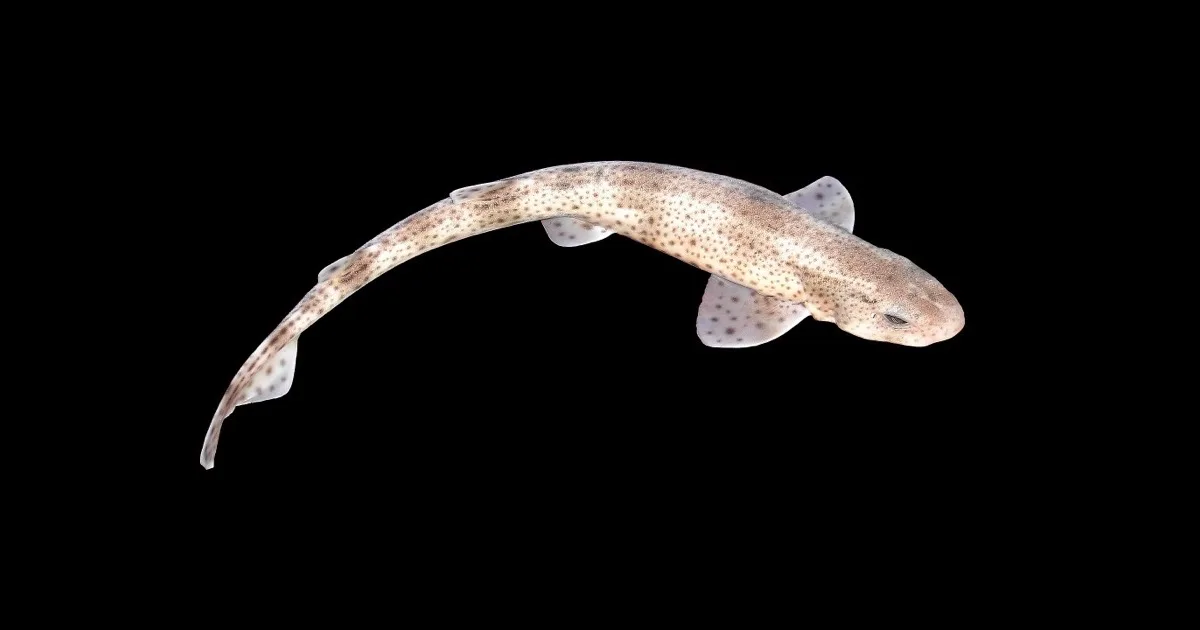
Short answer: yes, there are. The long answer is the interesting one: for most of the sharks on record in our waters fishing is completely prohibited.
The three most asked about
Common thresher shark
The upper lobe of its tail fin is almost as long as its body — that is where the name comes from. It uses that tail to stun a shoal of baitfish. It is not considered dangerous to people; its mouth and teeth are sized for small fish. Fishing for it is completely prohibited.
Basking shark
The second largest fish in the world; for all its size it feeds on plankton. It is called the “basking” shark because it cruises along the surface with its mouth open, filtering as it goes. Harmless. Fishing for it is completely prohibited.
Oceanic whitetip shark
Recognized by the white patches at the tips of its fins. It lives in open water and the chance of meeting one inshore is low. Fishing for it is completely prohibited.
Those three are not the only prohibited ones
The “completely prohibited species” list in the communiqué holds a whole row of names from among the sharks and their ray relatives: great white shark, smooth hammerhead, bramble shark, angular roughshark, sawback angelshark, thornback ray, tope shark and the others.
The reason is simple: sharks mature late and produce few young. Where a bony fish leaves millions of eggs, a tope gives birth to a handful of pups. Once the population falls it takes decades to recover.
What should I do if one takes my hook?
- Do not lift it out of the water. If you can, keep the fish in the water while you take the hook out.
- If you cannot free the hook, cut the line. Cutting the line close to the hook is better than forcing it; the hook works its way out in time.
- Do not touch the gills, and do not lift it by the tail.
- Do not linger over a photograph. Every second out of the water lowers its chance of surviving.
When these species are caught by accident they have to be released — keeping them falls under the ban as well.
So are they dangerous?
Shark attacks in the waters of Türkiye are extremely rare. Most of the species here eat either plankton or small fish. The real risk runs the other way: these animals suffer far more harm from us than we do from them.
For the full list and the status of every species you can look at the species catalog.