Sea fish
Common sole
Solea solea
Get to know the species, pick your region, find your spot.
Other names: Adi dil

- Habitat
- Sandy · muddy bottom
- Method
- Bottom fishing · Surf casting
- Family
- Soleidae
Choose your region
The information changes with the region you choose.
Where is Common sole caught?
Explore the regions or go straight to the map.
Ionian Sea fishing spots
Adriatic fishing spots
4Sea of Marmara fishing spots
Aegean Sea fishing spots
Mediterranean fishing spots
Black Sea fishing spots
1North Aegean & Thrace fishing spots
92Central & South Aegean fishing spots
125Ionian Sea fishing spots
69Crete & Libyan Sea fishing spots
29Tyrrhenian Sea fishing spots
251Mediterranean fishing spots
127Famagusta–İskele fishing spots
9Güzelyurt Bay fishing spots
6Kyrenia north coast fishing spots
10Karpas Peninsula fishing spots
10Paphos–Limassol south coast fishing spots
15Ayia Napa–Protaras fishing spots
12Akamas–Paphos west coast fishing spots
25Larnaca southeast coast fishing spots
11Ligurian Sea fishing spots
35Sardinian Sea fishing spots
35Adriatic fishing spots
126Strait of Sicily fishing spots
32Ionian Sea fishing spots
86Alboran Sea fishing spots
47Strait of Gibraltar fishing spots
23Gulf of Cádiz fishing spots
25Cantabrian Sea fishing spots
75Atlantic Ocean fishing spots
72Balearic Sea fishing spots
66Atlantic fishing spots
142Mediterranean fishing spots
41Channel & North Sea fishing spots
83North Sea fishing spots
215North East coast fishing spots
39East coast fishing spots
41South East coast fishing spots
26South coast fishing spots
98South West coast fishing spots
131North West coast fishing spots
26North Sea fishing spots
64North Sea fishing spots
12No site-level records in this region; the information is at region level.
4 fishing grounds
No site-level records in this region; the information is at region level.
No site-level records in this region; the information is at region level.
No site-level records in this region; the information is at region level.
1 fishing ground
92 fishing grounds
125 fishing grounds
69 fishing grounds
29 fishing grounds
251 fishing grounds
127 fishing grounds
9 fishing grounds
6 fishing grounds
10 fishing grounds
10 fishing grounds
15 fishing grounds
12 fishing grounds
25 fishing grounds
11 fishing grounds
35 fishing grounds
35 fishing grounds
126 fishing grounds
32 fishing grounds
86 fishing grounds
47 fishing grounds
23 fishing grounds
25 fishing grounds
75 fishing grounds
72 fishing grounds
66 fishing grounds
142 fishing grounds
41 fishing grounds
83 fishing grounds
215 fishing grounds
- Carr House Sands Hartlepool
- Cattersty Sands Redcar and Cleveland
- Cheswick Sands Northumberland
- Cloughton Wyke North Yorkshire
- Coatham Sands Redcar and Cleveland
- Crook Ness North Yorkshire
- Dene Mouth County Durham
- Goswick Sands Northumberland
- Aldbrough Sands (East Riding of Yorkshire) East Riding of Yorkshire
- Aldbrough Sands (East Riding of Yorkshire) 2 East Riding of Yorkshire
- Barmston Sands East Riding of Yorkshire
- Bawdsey Beach Suffolk · East Suffolk
- Brancaster Beach Norfolk · King's Lynn and West Norfolk
- Caister Beach Norfolk · Great Yarmouth
- Cowden Sands East Riding of Yorkshire
- Cromer Beach Norfolk · North Norfolk
- Beltinge Beach Kent · Canterbury
- Clacton Pier Essex · Tendring
- Connaught Bay Essex · Tendring
- Crab Bay Kent · Dover
- Deal Beach Kent · Dover
- Dovercourt Bay Essex · Tendring
- Dover shore fishing spot Kent · Dover
- Furze Bay Essex · Tendring
- Albion Groyne Brighton and Hove
- Aldwick Beach West Sussex · Arun
- Arish Mell Dorset
- Barton on Sea Hampshire · New Forest
- Bembridge Beach Isle of Wight
- Bexhill Beach East Sussex · Rother
- Bincleaves Groyne Dorset
- Birling Gap Beach East Sussex · Wealden
- Albert Pier Cornwall
- Bagalow Beach Cornwall
- Beacon Beach Devon · South Hams
- Blackstone Beach Devon · North Devon
- Bolijack Cornwall
- Booby's Bay Cornwall
- Boscastle Harbour Cornwall
- Bossington Beach Somerset
- Ainsdale Sands Sefton
- Allonby South Beach Cumberland
- Askam Pier Westmorland and Furness
- Cleveleys Beach Lancashire · Wyre
- Crosby Beach Sefton
- Crusader Bank Lancashire · Fylde
- Ferry Beach Lancashire · Wyre
- Formby Beach Sefton
64 fishing grounds
12 fishing grounds
No fishing ground or region matches your search.
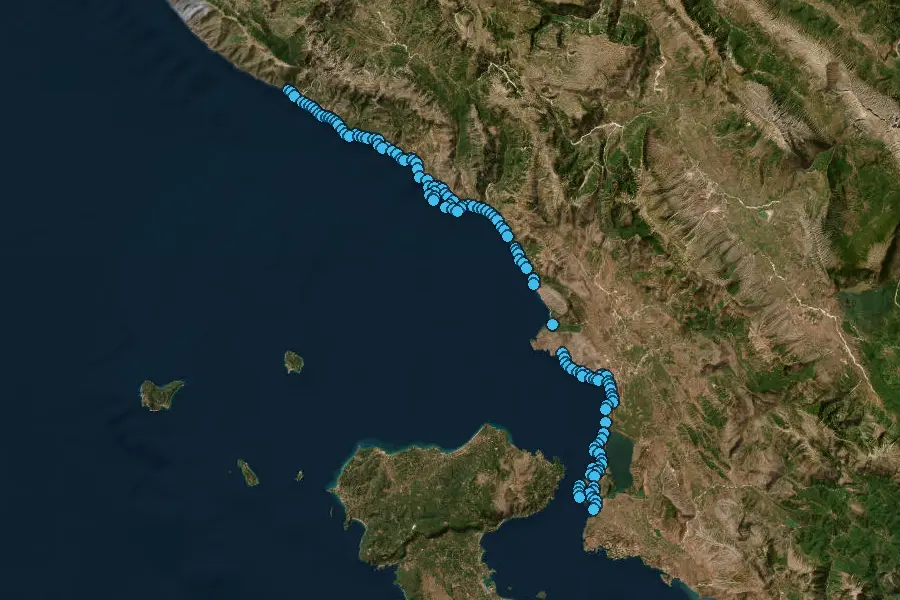
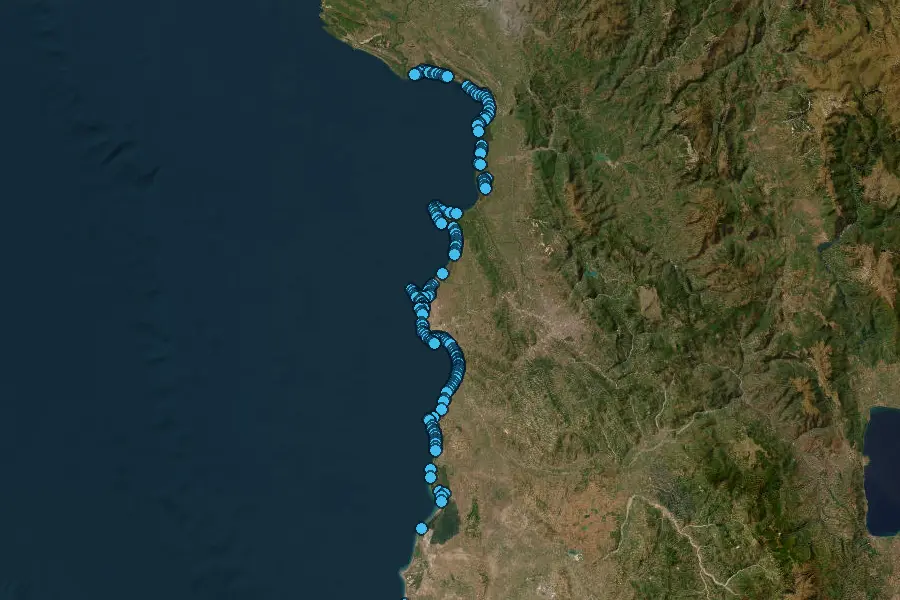


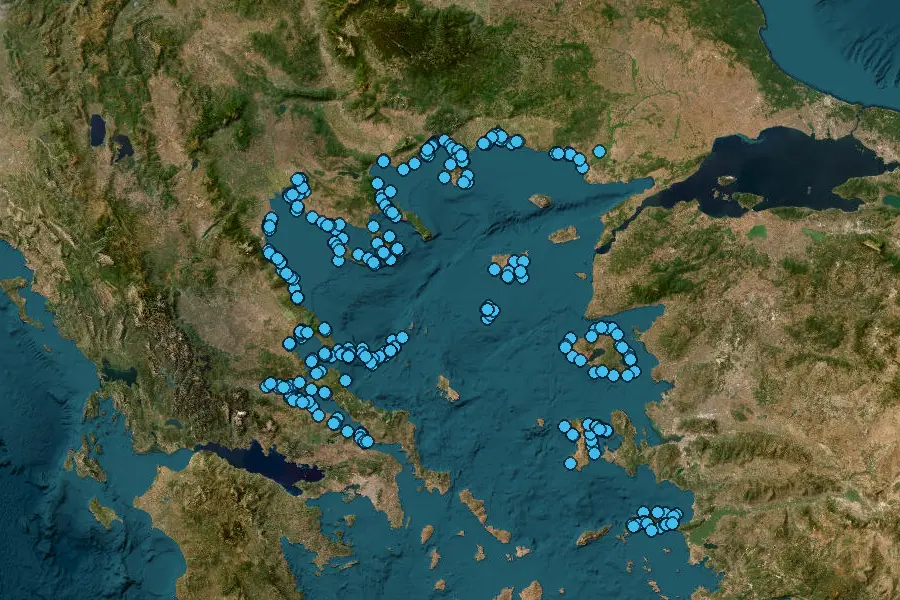
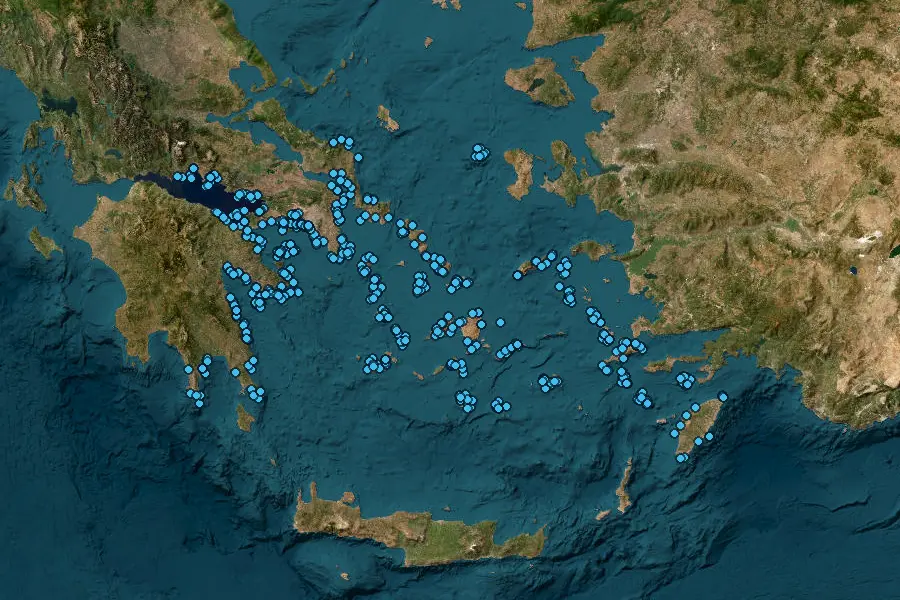
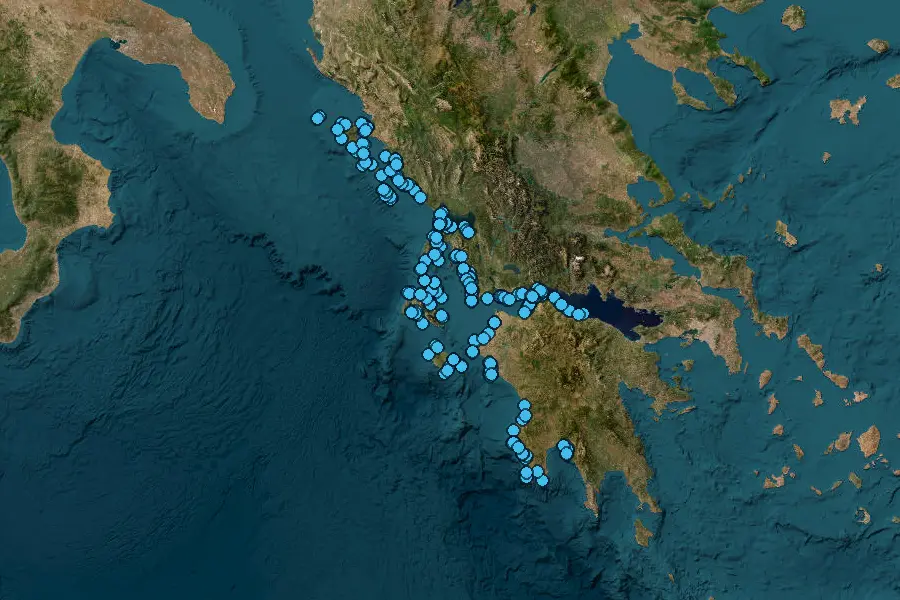
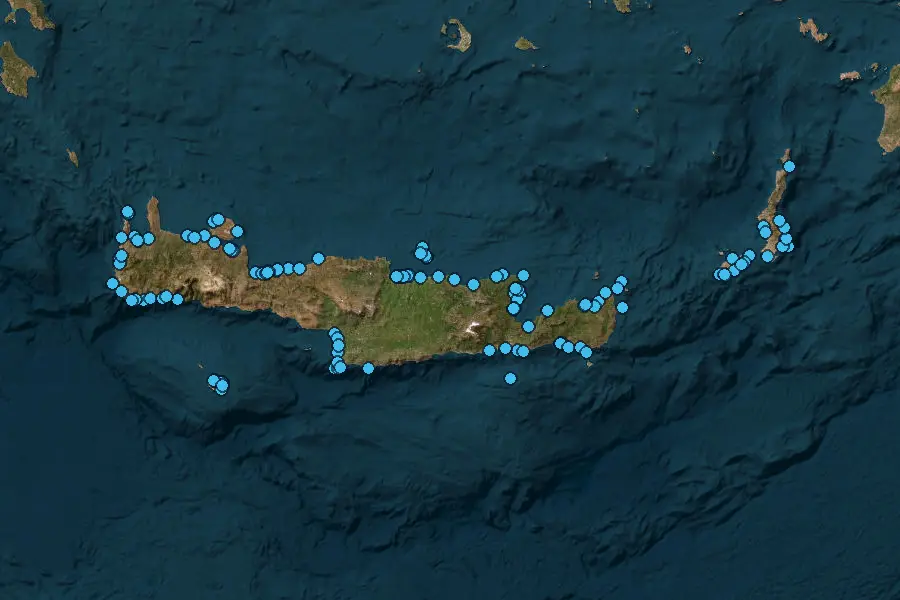
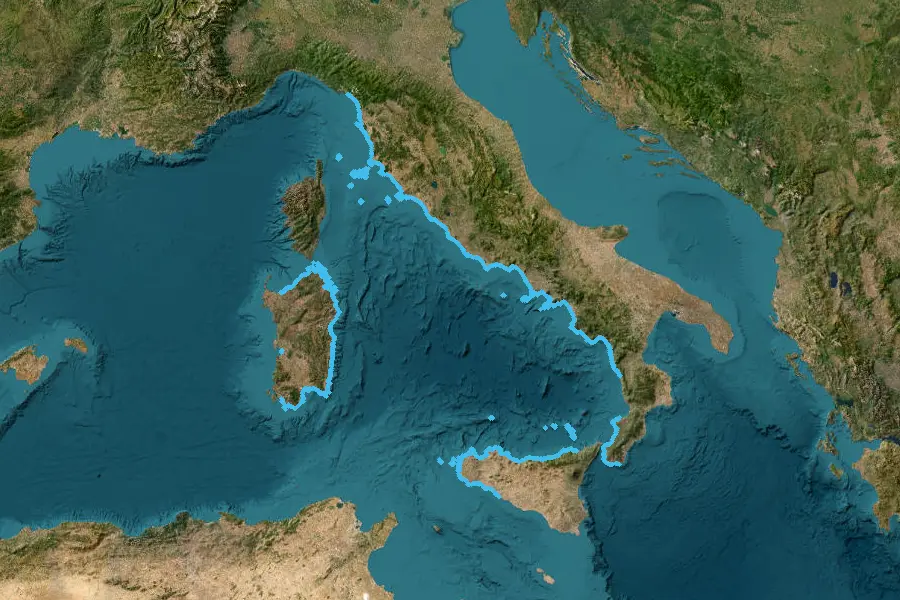
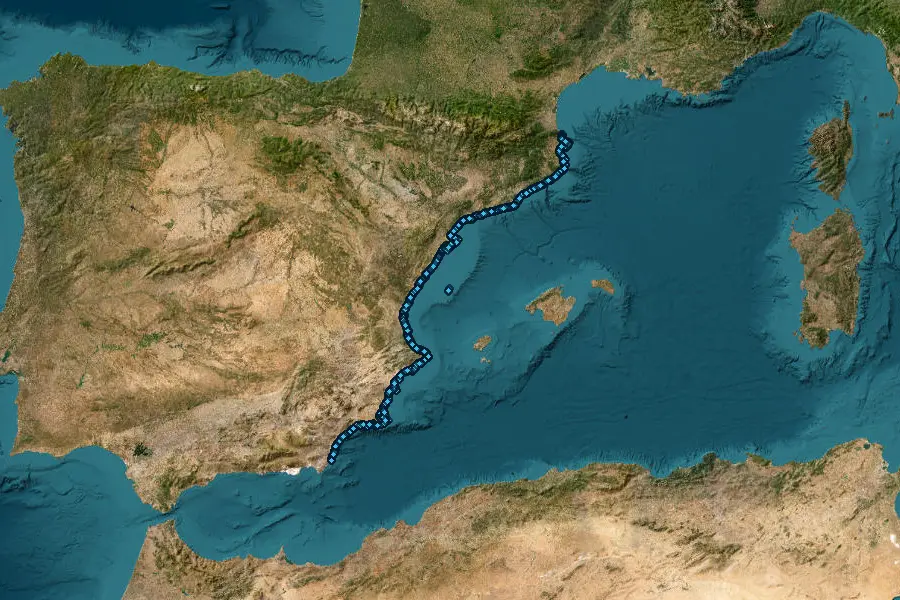
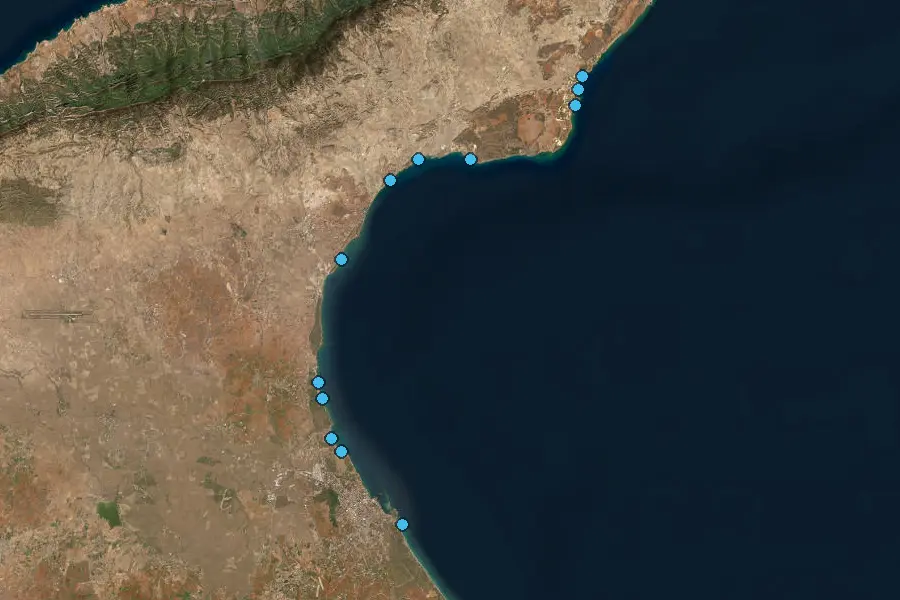
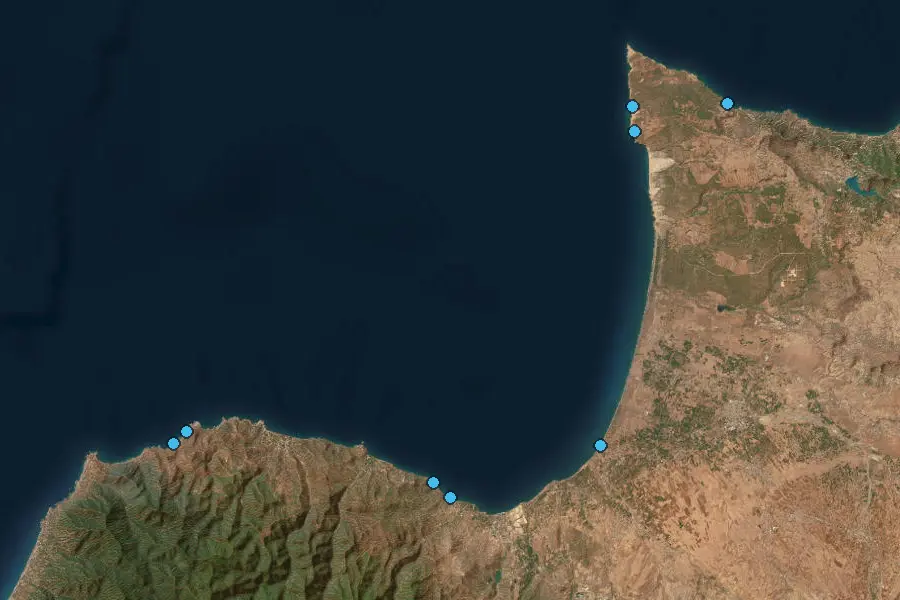
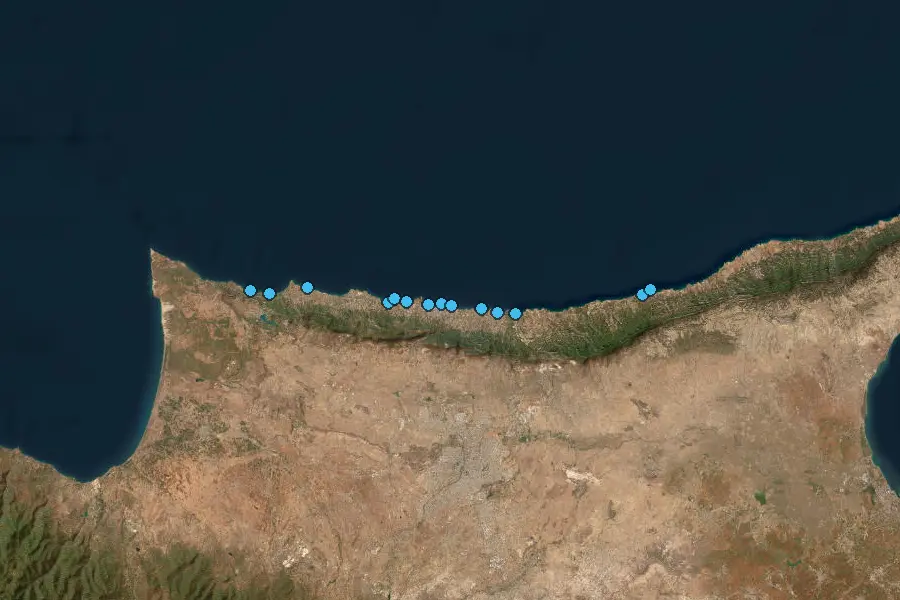
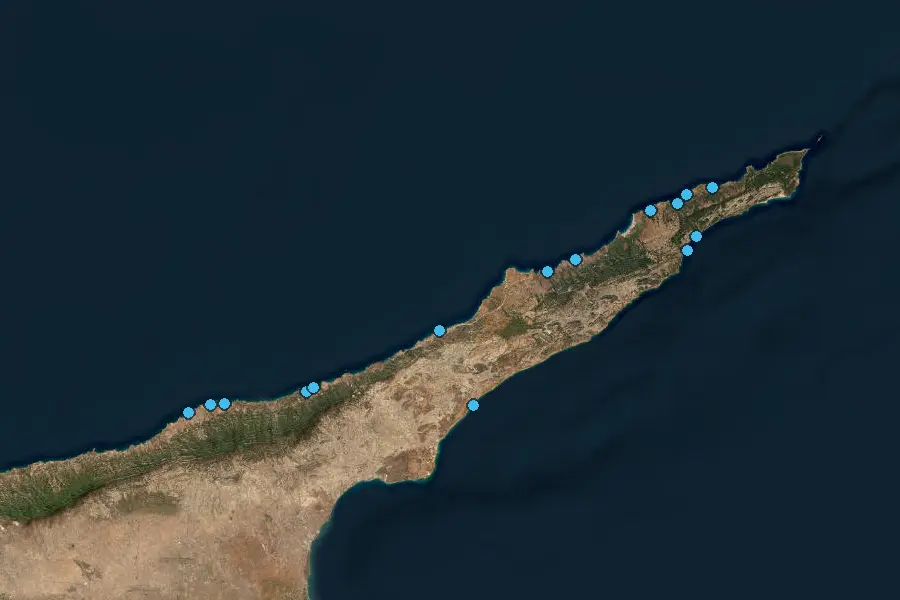
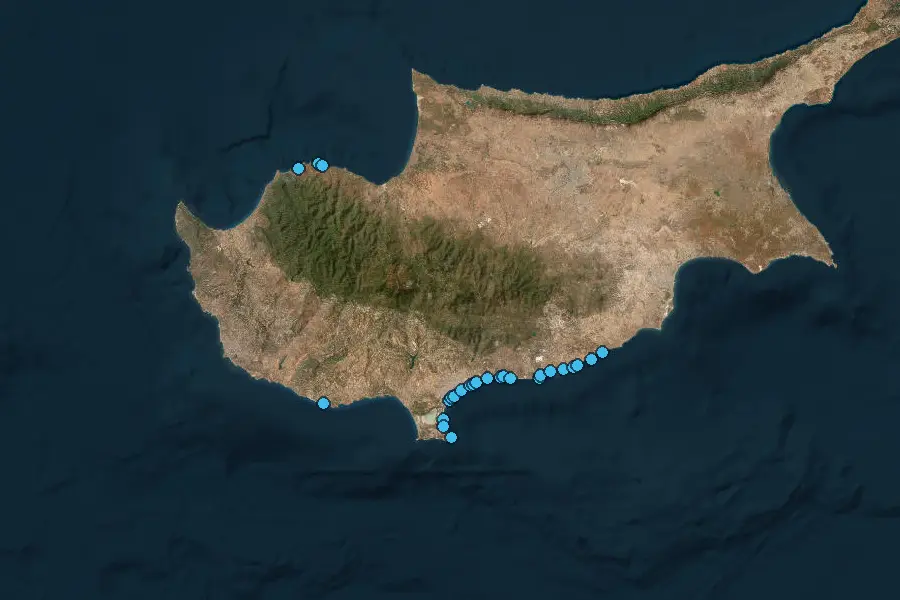
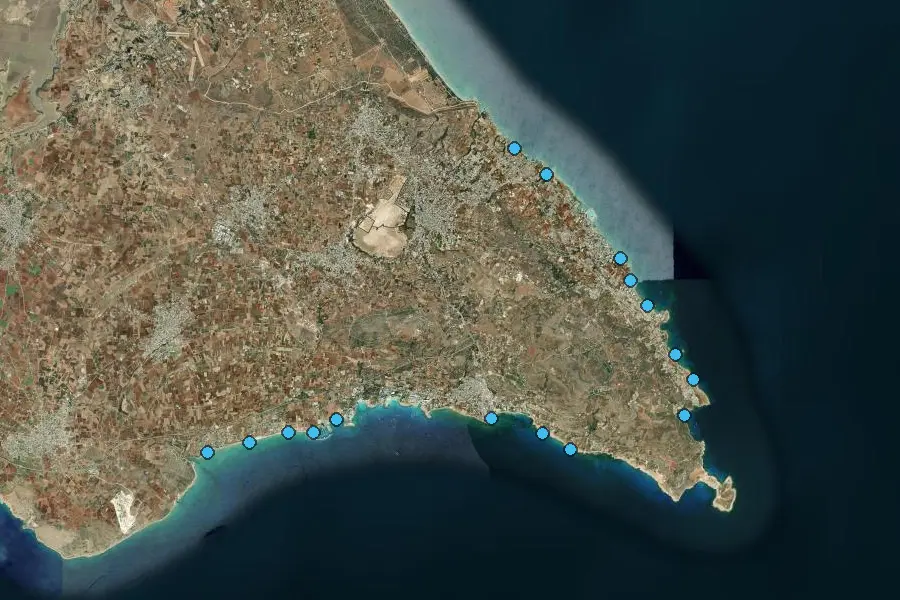
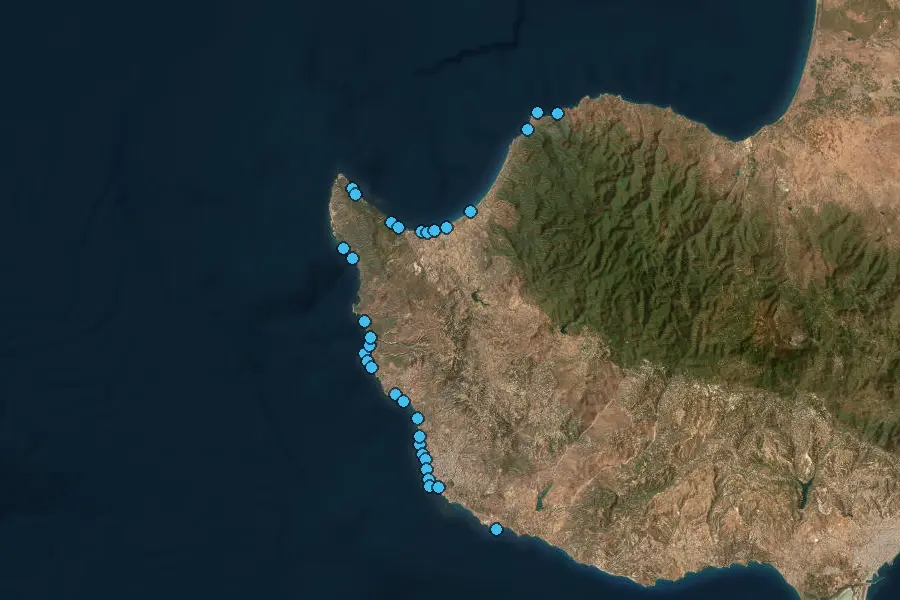
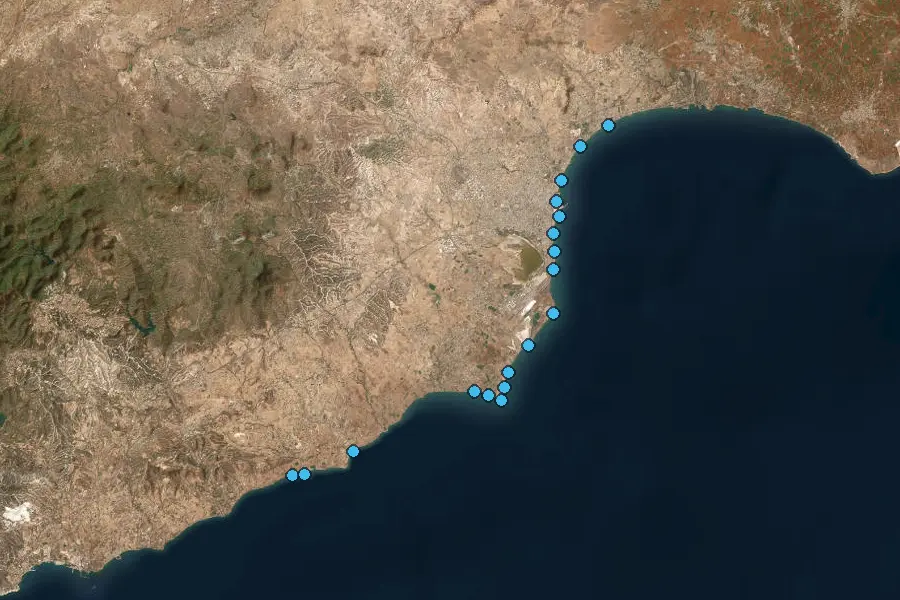
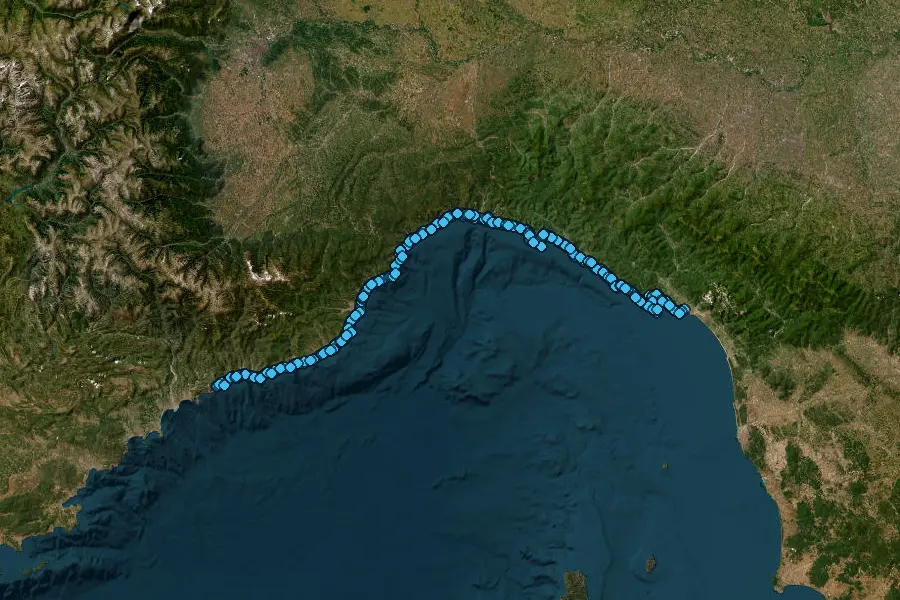
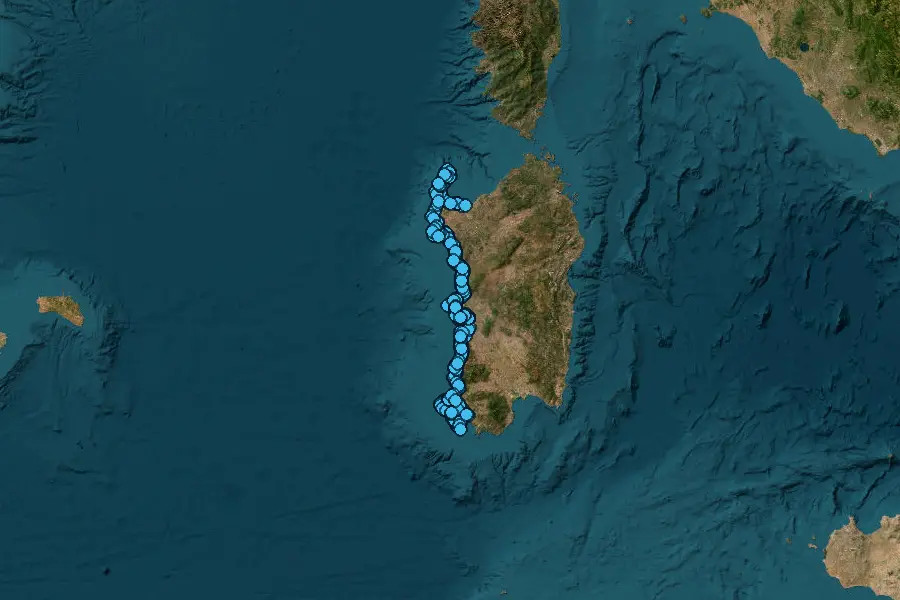
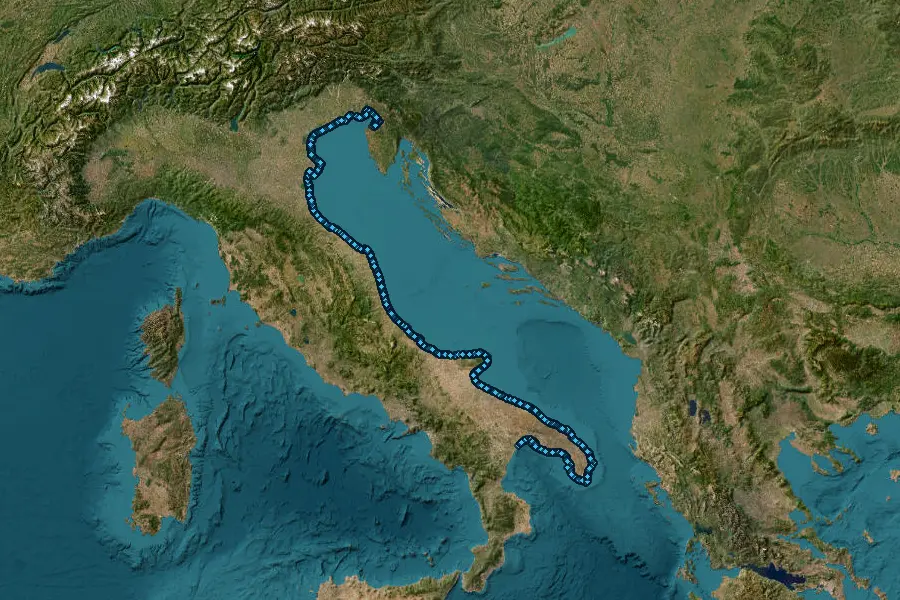
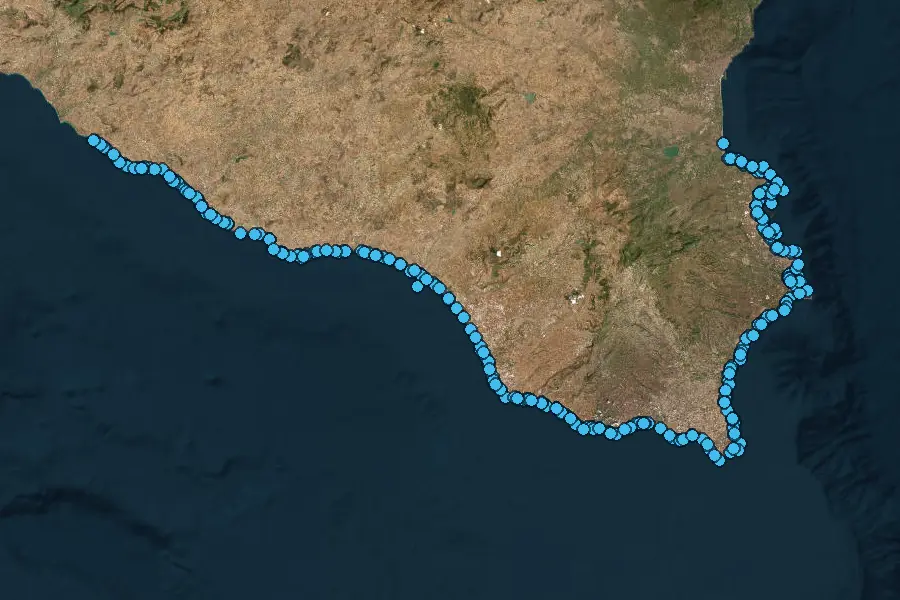
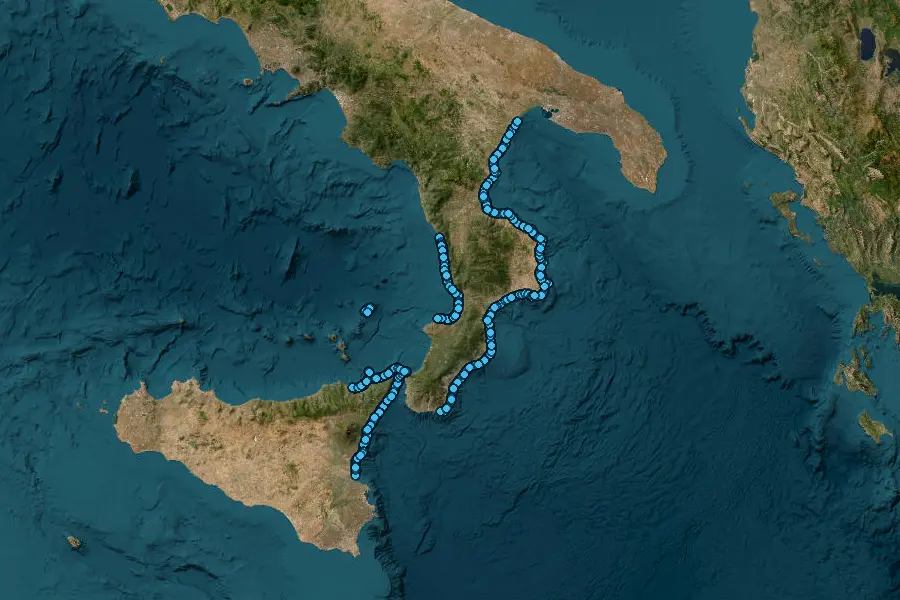
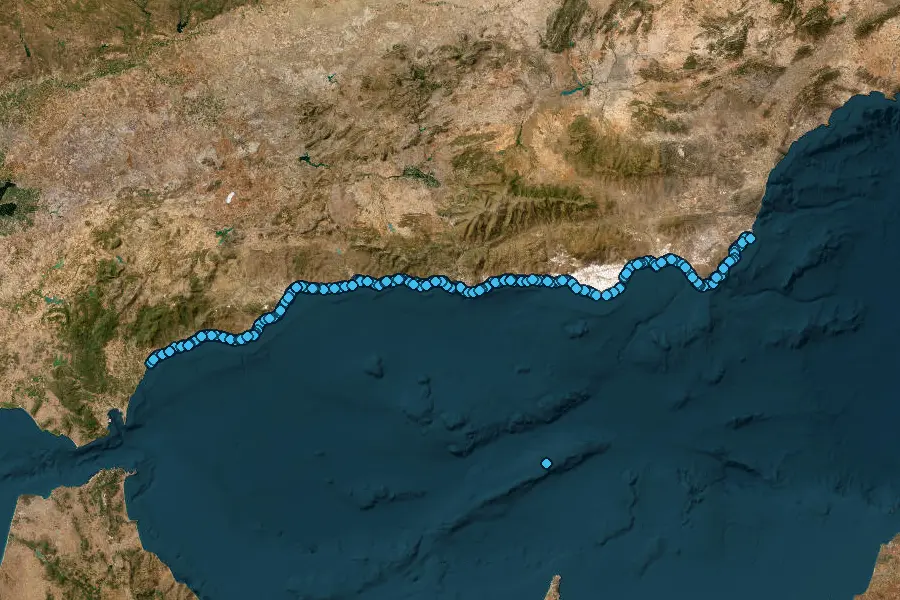
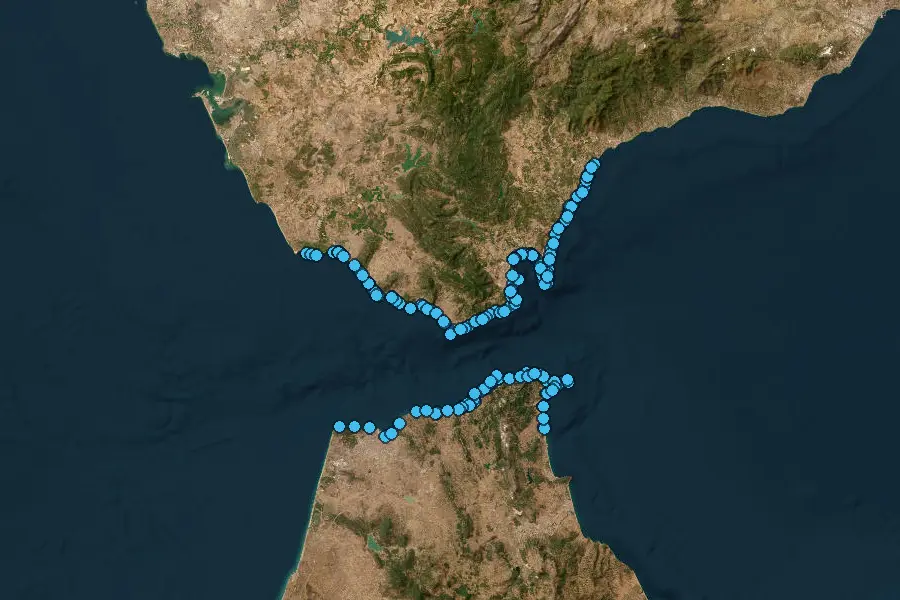
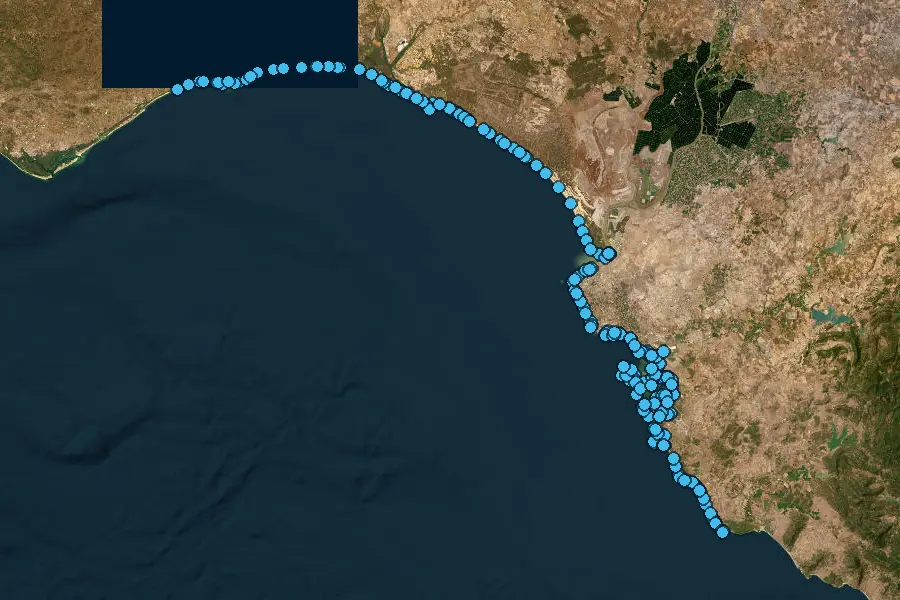
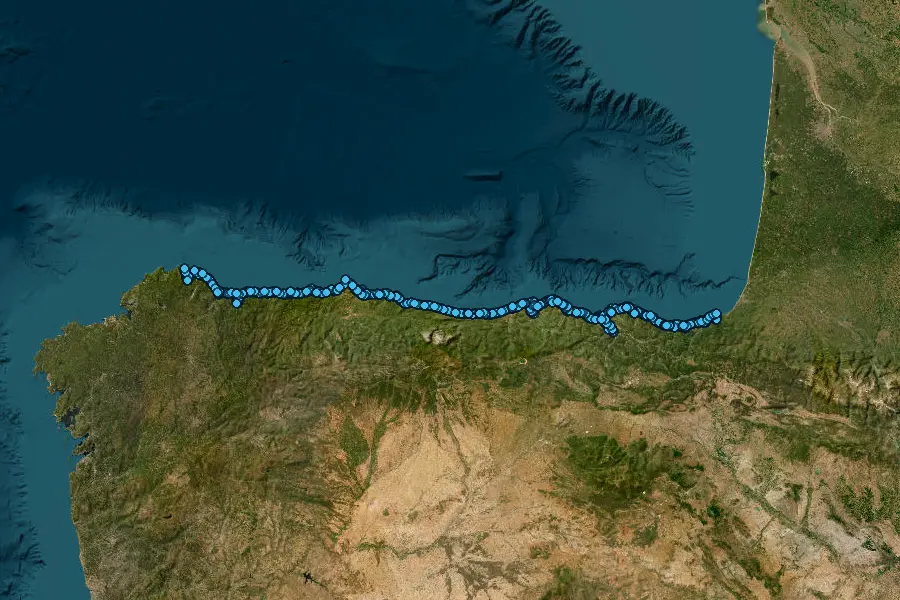
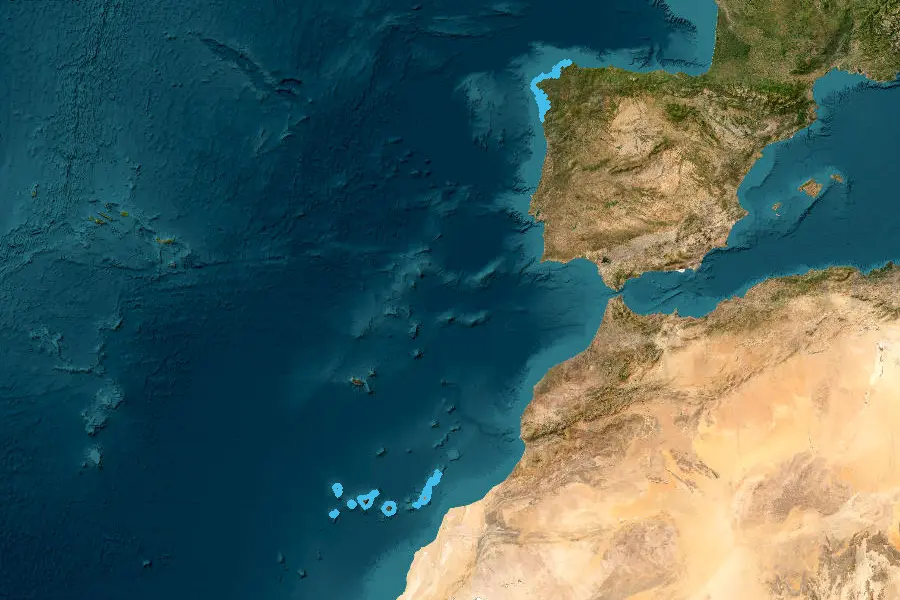
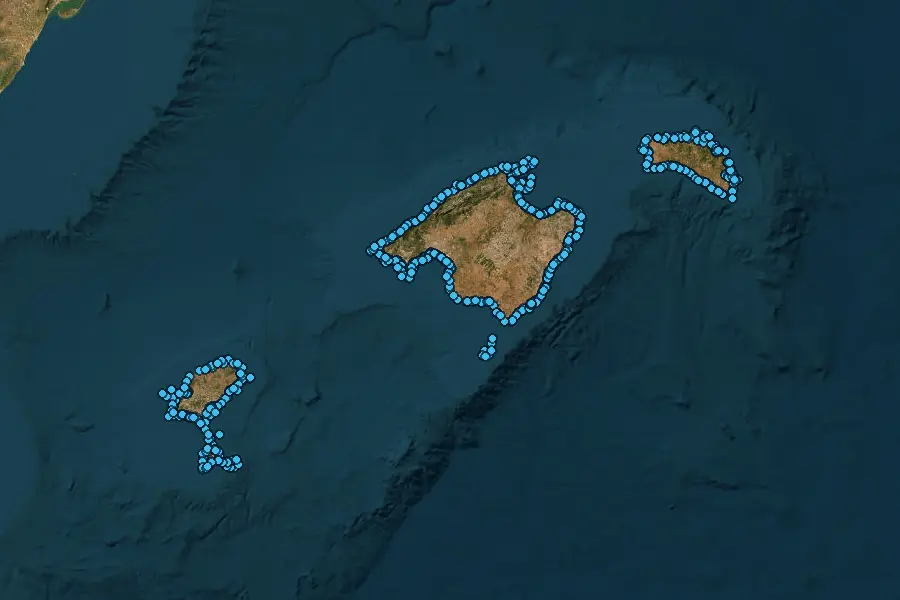
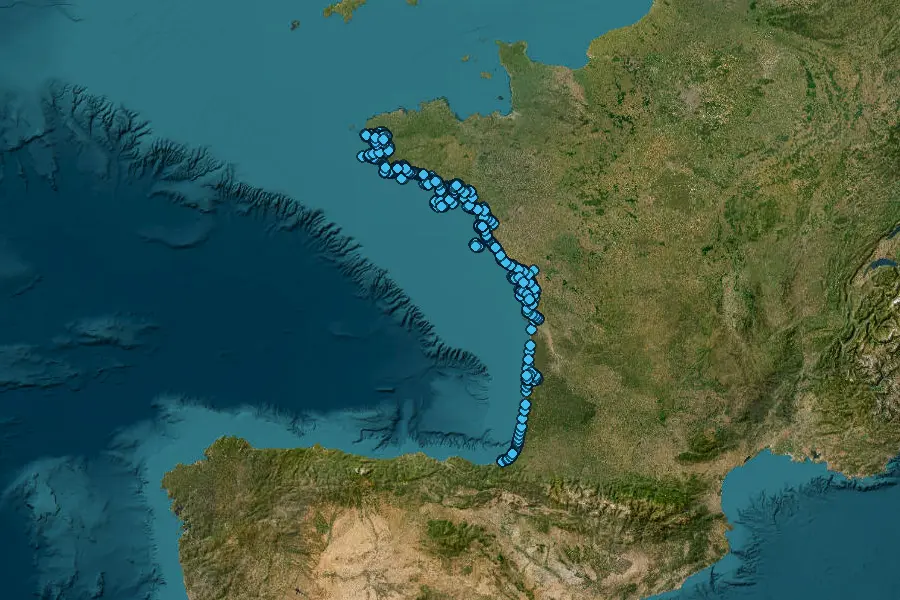
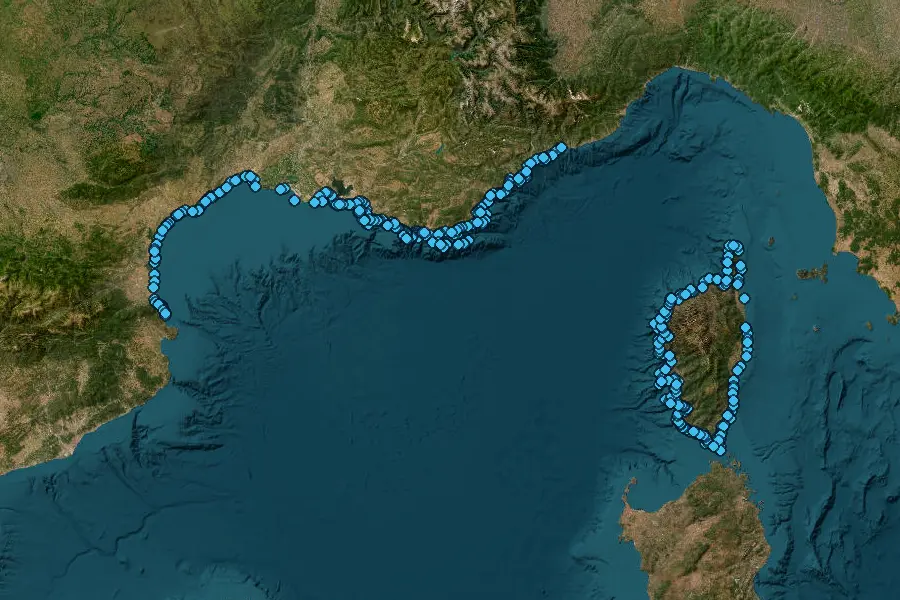
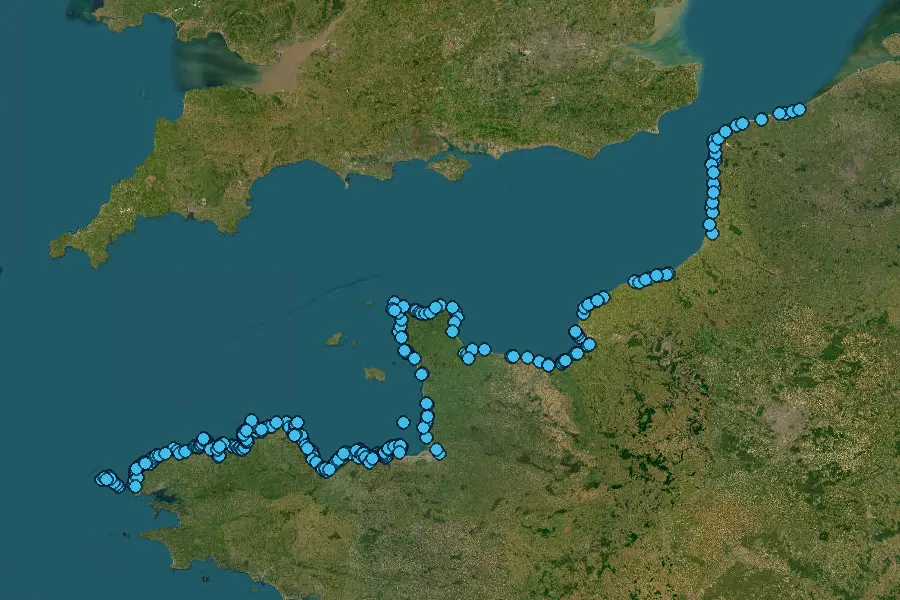
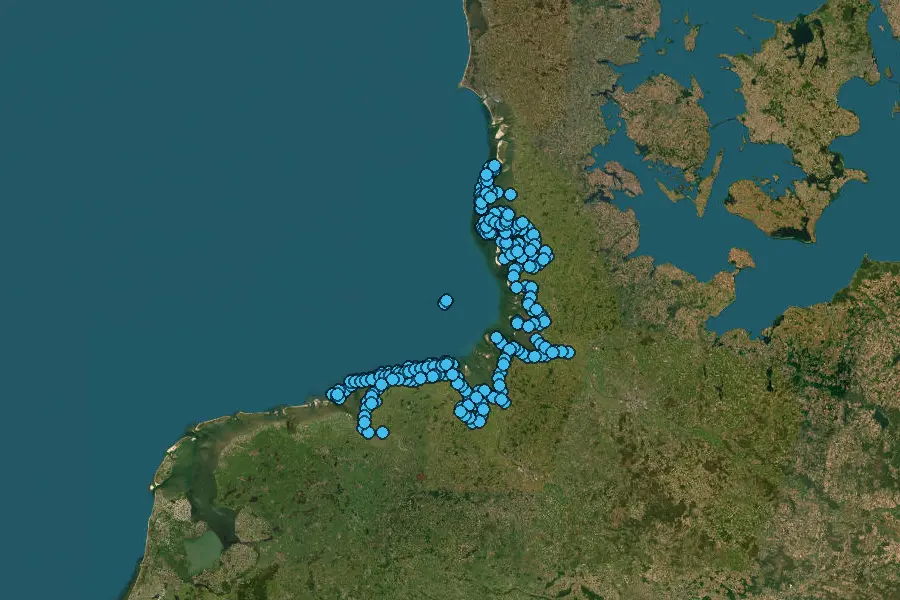
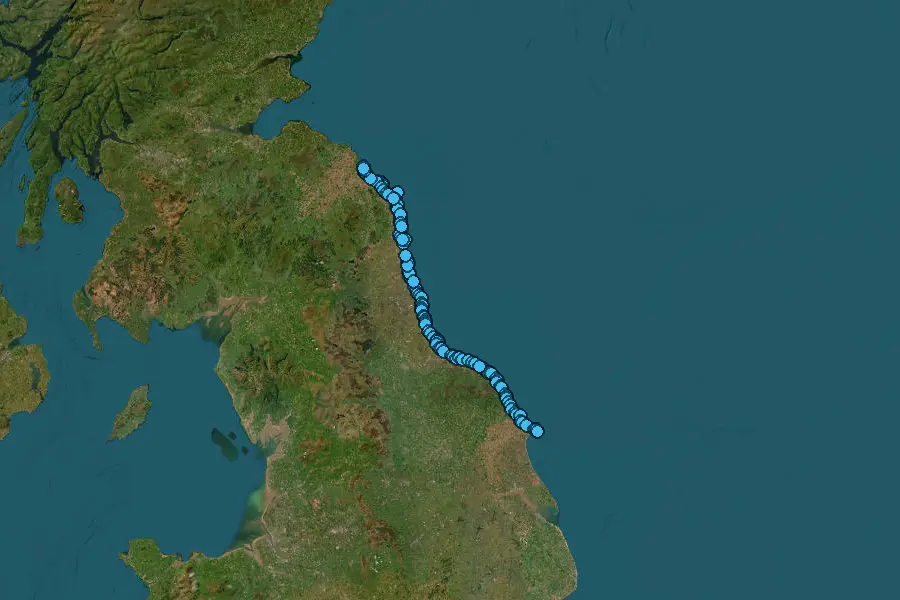
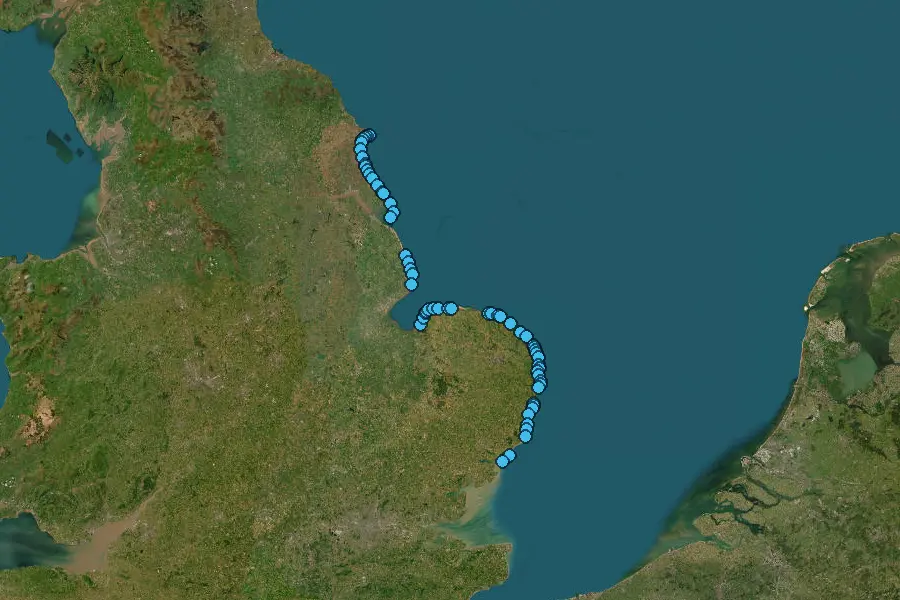
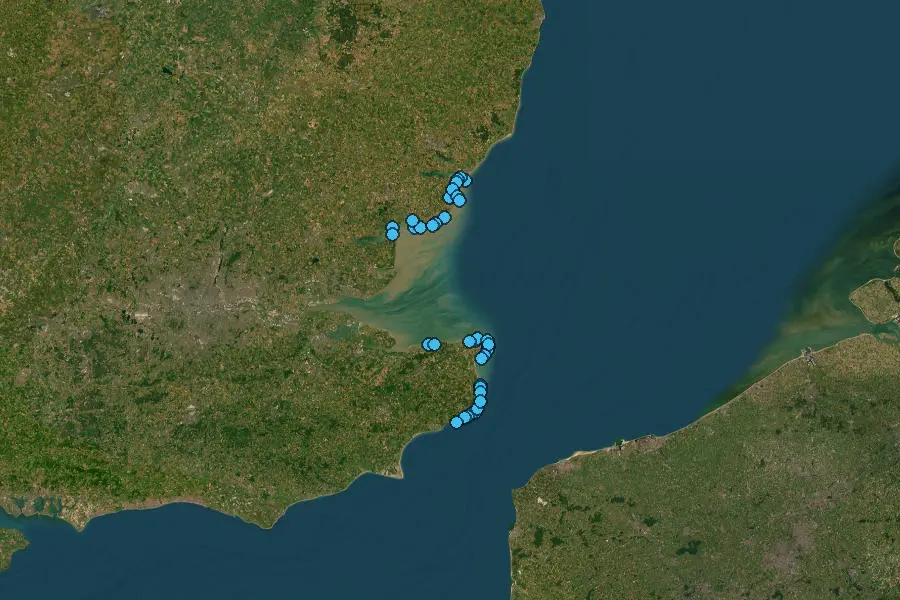
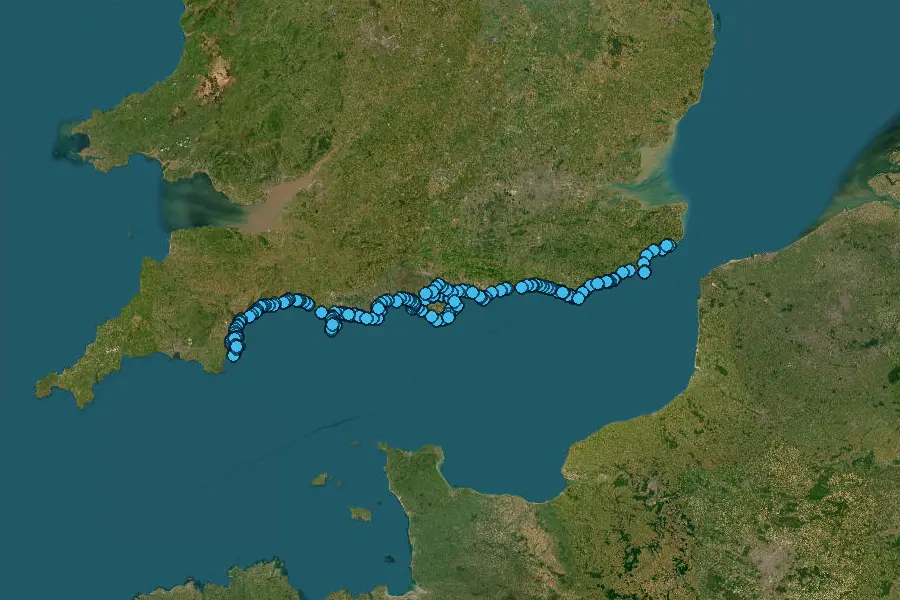
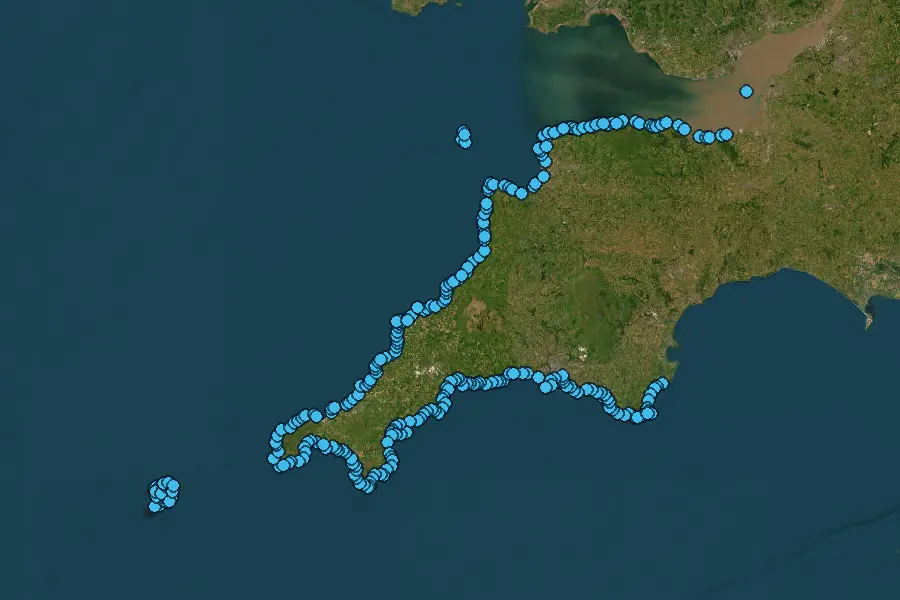
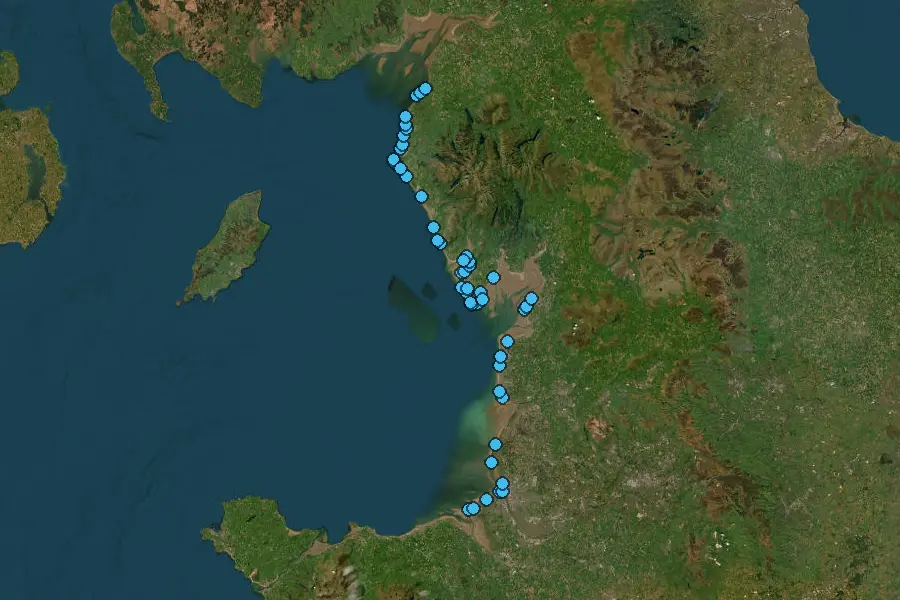
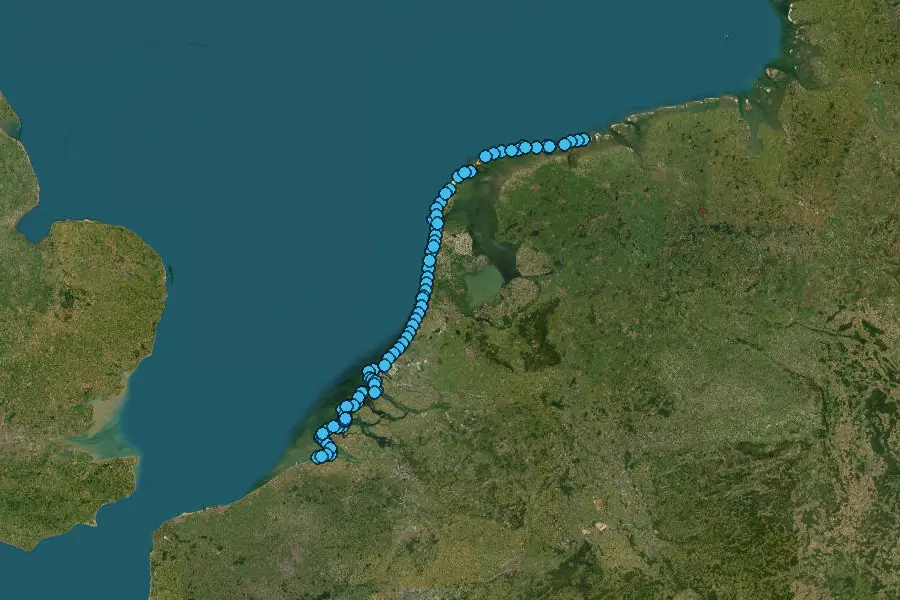
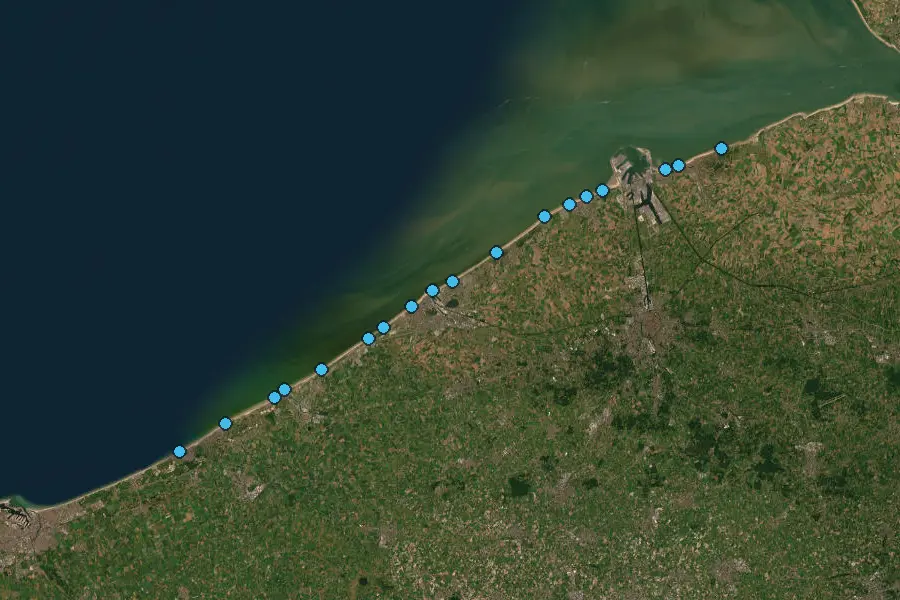
A listed spot is not a guarantee of a catch.
Ionian Sea
Season and suitable conditions
Check the season information for the region you chose.
Peak months: Jan, Feb, Mar, Nov, Dec
Adriatic
Season and suitable conditions
Check the season information for the region you chose.
Peak months: Jan, Feb, Mar, Nov, Dec
Sea of Marmara
Season and suitable conditions
Check the season information for the region you chose.
Peak months: Jan, Feb, Mar, Apr, May, Oct, Nov, Dec
Aegean Sea
Season and suitable conditions
Check the season information for the region you chose.
Peak months: Jan, Feb, Mar, Apr, May, Oct, Nov, Dec
Mediterranean
Season and suitable conditions
Check the season information for the region you chose.
Peak months: Jan, Feb, Mar, Apr, Sep, Oct, Nov, Dec
Black Sea
Season and suitable conditions
Recorded all year round in this region; no distinct fishing season shows.
North Aegean & Thrace
Season and suitable conditions
Check the season information for the region you chose.
Peak months: Jan, Feb, Mar, Apr, Oct, Nov, Dec
Central & South Aegean
Season and suitable conditions
Check the season information for the region you chose.
Peak months: Jan, Feb, Mar, Apr, Oct, Nov, Dec
Ionian Sea
Season and suitable conditions
Check the season information for the region you chose.
Peak months: Jan, Feb, Mar, Apr, Oct, Nov, Dec
Crete & Libyan Sea
Season and suitable conditions
Check the season information for the region you chose.
Peak months: Jan, Feb, Mar, Apr, May, Jun, Sep, Oct, Nov, Dec
Tyrrhenian Sea
Season and suitable conditions
Check the season information for the region you chose.
Peak months: Jan, Feb, Oct, Nov, Dec
Mediterranean
Season and suitable conditions
Check the season information for the region you chose.
Peak months: Jan, Feb, Oct, Nov, Dec
Famagusta–İskele
Season and suitable conditions
Recorded all year round in this region; no distinct fishing season shows.
Güzelyurt Bay
Season and suitable conditions
Recorded all year round in this region; no distinct fishing season shows.
Kyrenia north coast
Season and suitable conditions
Recorded all year round in this region; no distinct fishing season shows.
Karpas Peninsula
Season and suitable conditions
Recorded all year round in this region; no distinct fishing season shows.
Paphos–Limassol south coast
Season and suitable conditions
Recorded all year round in this region; no distinct fishing season shows.
Ayia Napa–Protaras
Season and suitable conditions
Recorded all year round in this region; no distinct fishing season shows.
Akamas–Paphos west coast
Season and suitable conditions
Recorded all year round in this region; no distinct fishing season shows.
Larnaca southeast coast
Season and suitable conditions
Recorded all year round in this region; no distinct fishing season shows.
Ligurian Sea
Season and suitable conditions
Check the season information for the region you chose.
Peak months: Jan, Feb, Oct, Nov, Dec
Sardinian Sea
Season and suitable conditions
Check the season information for the region you chose.
Peak months: Jan, Feb, Oct, Nov, Dec
Adriatic
Season and suitable conditions
Check the season information for the region you chose.
Peak months: Jan, Feb, Oct, Nov, Dec
Strait of Sicily
Season and suitable conditions
Check the season information for the region you chose.
Peak months: Jan, Feb, Oct, Nov, Dec
Ionian Sea
Season and suitable conditions
Check the season information for the region you chose.
Peak months: Jan, Feb, Oct, Nov, Dec
Alboran Sea
Season and suitable conditions
Check the season information for the region you chose.
Peak months: Jan, Feb, Oct, Nov, Dec
Strait of Gibraltar
Season and suitable conditions
Check the season information for the region you chose.
Peak months: Jan, Feb, Oct, Nov, Dec
Gulf of Cádiz
Season and suitable conditions
Check the season information for the region you chose.
Peak months: Jan, Feb, Oct, Nov, Dec
Cantabrian Sea
Season and suitable conditions
Check the season information for the region you chose.
Peak months: Jan, Sep, Oct, Nov, Dec
Atlantic Ocean
Season and suitable conditions
Check the season information for the region you chose.
Peak months: Jan, Sep, Oct, Nov, Dec
Balearic Sea
Season and suitable conditions
Check the season information for the region you chose.
Peak months: Jan, Feb, Oct, Nov, Dec
Atlantic
Season and suitable conditions
Check the season information for the region you chose.
Peak months: Mar, Apr
Mediterranean
Season and suitable conditions
Check the season information for the region you chose.
Peak months: Mar, Apr
Channel & North Sea
Season and suitable conditions
Check the season information for the region you chose.
Peak months: Mar, Apr
North Sea
Season and suitable conditions
Recorded all year round in this region; no distinct fishing season shows.
North East coast
Season and suitable conditions
Check the season information for the region you chose.
Peak months: Mar, Apr
East coast
Season and suitable conditions
Check the season information for the region you chose.
Peak months: Mar, Apr
South East coast
Season and suitable conditions
Check the season information for the region you chose.
Peak months: Mar, Apr
South coast
Season and suitable conditions
Check the season information for the region you chose.
Peak months: Mar, Apr
South West coast
Season and suitable conditions
Check the season information for the region you chose.
Peak months: Mar, Apr
North West coast
Season and suitable conditions
Check the season information for the region you chose.
Peak months: Mar, Apr
North Sea
Season and suitable conditions
Check the season information for the region you chose.
Peak months: Jun, Jul, Aug, Sep
North Sea
Season and suitable conditions
Check the season information for the region you chose.
Peak months: Jun, Jul, Aug, Sep
Season information is no guarantee of a catch.
Best spots in October
By month
Average monthly score of the spots in Turkey (0–100).
- 0 Jan
- 36 Feb
- 72 Mar
- 72 Apr
- 43 May
- 40 Jun
- 36 Jul
- 35 Aug
- 37 Sep
- 64 Oct
- 66 Nov
- 72 Dec
The best spot in each Turkish province, by this month’s score.
- Ilıca Deresi Balçova, İzmir 78/100 Very good
- Akdeniz Sitesi Sahili Bodrum, Muğla 76/100 Very good
- Akbük Halk Plajı Didim, Aydın 74/100 Very good
- Duba Plajı Ayvalık, Balıkesir 73/100 Very good
- Büyükkumla Deresi Gemlik, Bursa 73/100 Very good
A 0–100 score from season, water temperature, habitat and local records; a general trend, not a guarantee.
Best times of day
When in the day it bites best, month by month.
- Active at night
- Good at night
In October
-
Dawn 55
2 h before sunrise → 0.5 h after
-
Dusk 75
0.5 h before sunset → 2 h after
-
Night Best 95
0.5 h after sunset → 1.5 h before sunrise
Moon phase
Effect of the moon on night fishing; the scores compare the phases.
- New moon 75
- First quarter 60
- Full moon 50
- Last quarter 60


Best phase: New moon
Windows across 12 months
| Best times of day | JJan | FFeb | MMar | AApr | MMay | JJun | JJul | AAug | SSep | OOct | NNov | DDec |
|---|---|---|---|---|---|---|---|---|---|---|---|---|
| Dawn | 55 | 55 | 55 | 55 | 55 | 55 | 55 | 55 | 55 | 55 | 55 | 55 |
| Midday | ||||||||||||
| Dusk | 75 | 75 | 75 | 75 | 75 | 75 | 75 | 75 | 75 | 75 | 75 | 75 |
| Night | 95 | 95 | 95 | 95 | 95 | 95 | 95 | 95 | 95 | 95 | 95 | 95 |
Windows follow sunrise and sunset; clock times change with place and date. Scores are relative within the month: 100 is the best window of the day.
3 sources · confidence medium
Habitat
Where it lives and in what kind of water: ranges compiled by the research.
Depth
0–150 m
mostly 10–60 m
Water temperature
6–28 °C
ideal 20–25 °C
Salinity
Also enters brackish water
3.6–40 ‰
Shore types
- Sandy beach
- Delta / alluvial shore
- Cove / inner bay
- Mixed shore
- River / stream mouth
- Lagoon / weir mouth
- Inside harbours
- Tidal flat / marsh
- Harbour mouth
Bottom
Lives close to the bottom
- Sand
Ranges from FishBase, AquaMaps and the literature; a general tendency, not a hard limit.
Confidence: shore type high, temperature high
Bait and tackle suggestions
Recorded baits and fishing techniques.
Bait by month
Baits documented for shore fishing, month by month and by water clarity.
In October
Natural baits
Lures
By water clarity
Bottom scent / lateral-line hunter — Searches the bottom with barbels, smell and lateral line. Has the edge in murky water.
- Clear Visibility: over 8 m
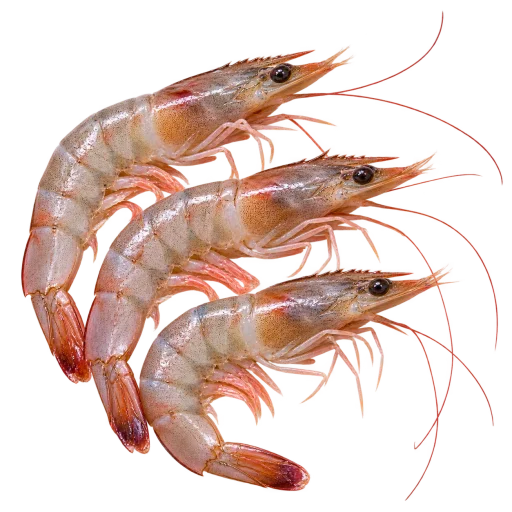
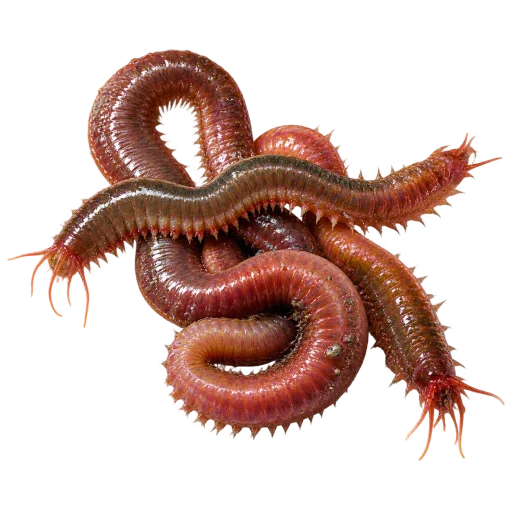
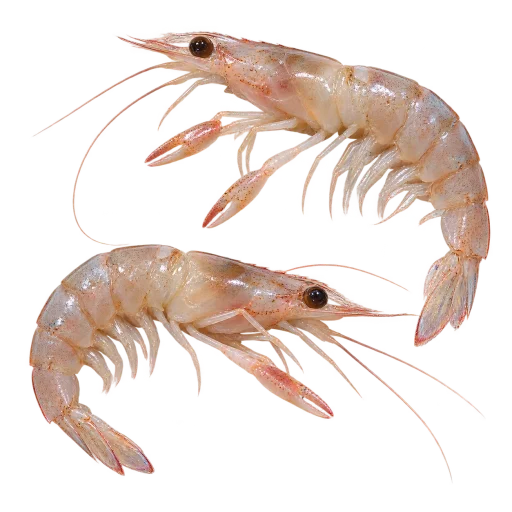
- Natural bait First natural bait: Diopatra tube worm · Very suitable Usually in this water: Live or very fresh worm, shrimp, mole crab; small hidden hook; sunset and night first. First lure: Soft shrimp · Very suitable Usually in this water: Only where it is known to work locally: scented soft plastic or worm, dragged slowly along the bottom. Colour: Natural brown, Red
- Slightly coloured Visibility: 4–8 m
- Natural bait First natural bait: Diopatra tube worm · Very suitable Usually in this water: Worm and shrimp; fresh mussel. First lure: Soft shrimp · Very suitable Usually in this water: Scented soft plastic; bead attractor (for flatfish). Colour: Pink, White, Red
- Moderately coloured Visibility: 2–4 m
- Natural bait First natural bait: Diopatra tube worm · Very suitable Usually in this water: Bloodworm, mussel, sardine; worm and squid cocktail; the most productive water. First lure: Soft shrimp · Suitable Usually in this water: Scented soft plastic with scent gel; bead attractor. Colour: Fluorescent
- Murky Visibility: 1–2 m
- Natural bait First natural bait: Sardine · Very suitable Usually in this water: Heavy scent: a cocktail (worm with squid or fish), crab; on the bottom. First lure: Soft shrimp · Weak Usually in this water: Not recommended; if you must, scented soft plastic. Colour: Fluorescent, Glow (UV)
- Very murky Visibility: under 1 m
- Natural bait First natural bait: Sardine · Very suitable Usually in this water: Oily fish and worm cocktail, crab; big pieces, refreshed often. First lure: Soft shrimp · Not recommended
12-month bait calendar
- January closed season
- Closed season 1 January–15 February. No bait advice is shown for this month.
- February closed season
- Natural baits: Diopatra tube worm, Mud shrimp, Imported ragworm, Sardine Lures: Soft shrimp
- March
- Natural baits: Diopatra tube worm, Mud shrimp, Imported ragworm, Sardine Lures: Soft shrimp
- April
- Natural baits: Diopatra tube worm, Mud shrimp, Imported ragworm, Sardine Lures: Soft shrimp
- May
- Natural baits: Diopatra tube worm, Mud shrimp, Imported ragworm, Sardine Lures: Soft shrimp
- June
- Natural baits: Diopatra tube worm, Mud shrimp, Imported ragworm, Sardine Lures: Soft shrimp
- July
- Natural baits: Diopatra tube worm, Mud shrimp, Imported ragworm, Sardine Lures: Soft shrimp
- August
- Natural baits: Diopatra tube worm, Mud shrimp, Imported ragworm, Sardine Lures: Soft shrimp
- September
- Natural baits: Diopatra tube worm, Mud shrimp, Imported ragworm, Sardine Lures: Soft shrimp
- October
- Natural baits: Diopatra tube worm, Mud shrimp, Imported ragworm, Sardine Lures: Soft shrimp
- November
- Natural baits: Diopatra tube worm, Mud shrimp, Imported ragworm, Sardine Lures: Soft shrimp
- December
- Natural baits: Diopatra tube worm, Mud shrimp, Imported ragworm, Sardine Lures: Soft shrimp
This is the usual pattern; the water and weather on the day can change it. Colour is fine-tuning: bait type, size and action come first. Confidence: natural high, lures low. Colour and presentation guide
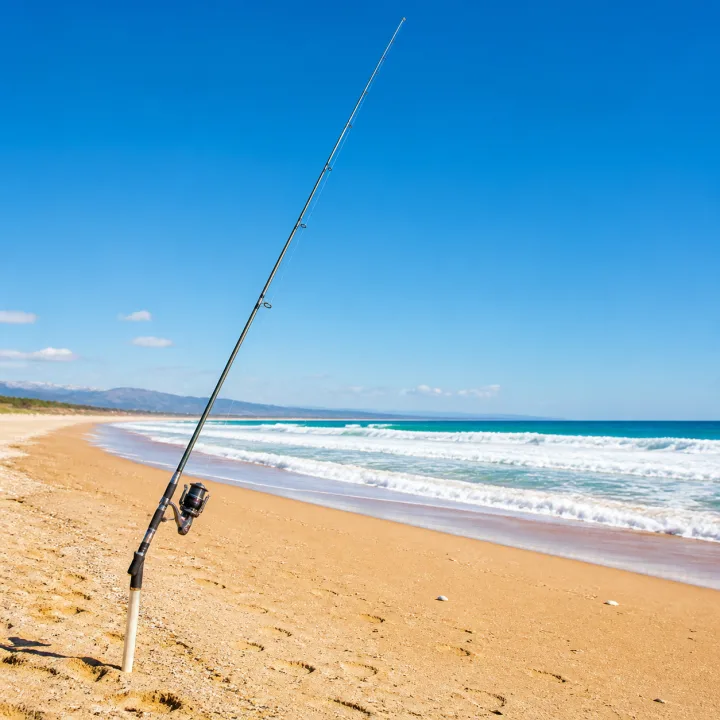
In this region · Sea of Marmara
- Natural bait:
- tubeworm, shrimp, mamun; regional support: European anchovy / Atlantic horse mackerel / shrimp
- Lure:
- bottom soft plastic
- Technique:
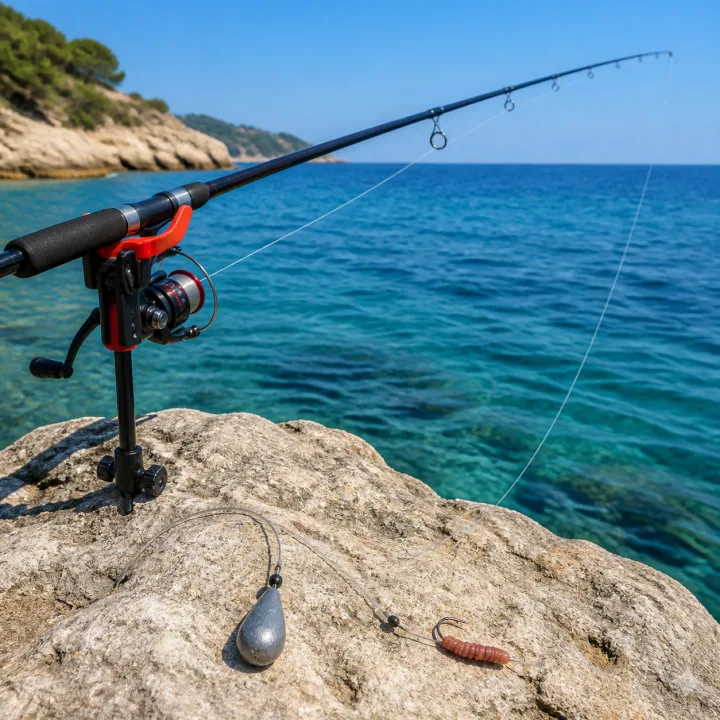
- bottom, surf
In this region · Aegean Sea
- Natural bait:
- tubeworm, shrimp, mamun; regional support: European sardine / mamun / sülünez
- Lure:
- bottom soft plastic
- Technique:
- bottom, surf
In this region · Mediterranean
- Natural bait:
- tubeworm, shrimp, mamun; regional support: European sardine / European squid / shrimp
- Lure:
- bottom soft plastic
- Technique:
- bottom, surf
In this region · Black Sea
- Natural bait:
- tubeworm, shrimp, mamun; regional support: European anchovy / European sprat
- Lure:
- bottom soft plastic
- Technique:
- Surf Casting
Fishing rules for Türkiye
 Türkiye
- Minimum size
- 20 cm
- Maximum quantity
- 5 kg
Closed season: 1 January–15 February
Single-species or mixed total; details and exceptions are in the regulation.
Legal basis: 2024/21 Çizelge 7 communiqué text
Fishing rules for Greece
 Greece
- Minimum size
- 20 cm
- Maximum quantity
- 5 kg
Closed season: Tür/alan/dönem için daha sıkı kural olabilir
Legal basis: EU 2019/1241 Ek IX + Yunan ulusal mevzuatı communiqué text
Before you go, check local area and method restrictions.
Species profile

- Scientific name
- Solea solea
- Family
- Soleidae
- Order
- Pleuronectiformes
- Water type
- Saltwater
- Seas
- Sea of Marmara, Aegean Sea, Mediterranean, Black Sea
- Other names
- Dil balığı, Adi dil
Frequently asked questions
What is the minimum size for Common sole?
In recreational angling the minimum catch size for Common sole is 20 cm. Fish below that length have to be returned to the water. Legal basis: 2024/21 Çizelge 7.
When is Common sole closed to fishing?
The closed season for Common sole is 1 January–15 February. Fishing for it is banned within those dates. Legal basis: 2024/21 Çizelge 7.
Which seas is Common sole found in?
In our records Common sole appears in these seas: Black Sea, Sea of Marmara, Aegean Sea, Mediterranean, Adriatic — Albania, Ionian Sea — Albania, North Aegean & Thrace — Greece, Central & South Aegean — Greece, Ionian Sea — Greece, Crete & Libyan Sea — Greece, Güzelyurt Bay — Northern Cyprus, Kyrenia north coast — Northern Cyprus, Famagusta–İskele — Northern Cyprus, Karpas Peninsula — Northern Cyprus, Akamas–Paphos west coast — Southern Cyprus, Paphos–Limassol south coast — Southern Cyprus, Larnaca southeast coast — Southern Cyprus, Ayia Napa–Protaras — Southern Cyprus, Ligurian Sea — Italy, Tyrrhenian Sea — Italy, Adriatic — Italy, Ionian Sea — Italy, Strait of Sicily — Italy, Sardinian Sea — Italy, Atlantic Ocean — Spain, Mediterranean — Spain, Cantabrian Sea — Spain, Balearic Sea — Spain, Alboran Sea — Spain, Gulf of Cádiz — Spain, Strait of Gibraltar — Spain, Mediterranean — France, Atlantic — France, Channel & North Sea — France, North East coast — England, East coast — England, South East coast — England, South coast — England, South West coast — England, North West coast — England, North Sea — Germany, North Sea — Netherlands, North Sea — Belgium.
In which months is Common sole at its peak?
Peak periods by sea: Ionian Sea — Albania November–March; Adriatic — Albania November–March; Sea of Marmara October–May; Aegean Sea October–May; Mediterranean September–April; Black Sea all year; North Aegean & Thrace — Greece October–April; Central & South Aegean — Greece October–April; Ionian Sea — Greece October–April; Crete & Libyan Sea — Greece September–June; Tyrrhenian Sea — Italy October–February; Mediterranean — Spain October–February; Famagusta–İskele — Northern Cyprus all year; Güzelyurt Bay — Northern Cyprus all year; Kyrenia north coast — Northern Cyprus all year; Karpas Peninsula — Northern Cyprus all year; Paphos–Limassol south coast — Southern Cyprus all year; Ayia Napa–Protaras — Southern Cyprus all year; Akamas–Paphos west coast — Southern Cyprus all year; Larnaca southeast coast — Southern Cyprus all year; Ligurian Sea — Italy October–February; Sardinian Sea — Italy October–February; Adriatic — Italy October–February; Strait of Sicily — Italy October–February; Ionian Sea — Italy October–February; Alboran Sea — Spain October–February; Strait of Gibraltar — Spain October–February; Gulf of Cádiz — Spain October–February; Cantabrian Sea — Spain September–January; Atlantic Ocean — Spain September–January; Balearic Sea — Spain October–February; Atlantic — France March–April; Mediterranean — France March–April; Channel & North Sea — France March–April; North Sea — Germany all year; North East coast — England March–April; East coast — England March–April; South East coast — England March–April; South coast — England March–April; South West coast — England March–April; North West coast — England March–April; North Sea — Netherlands June–September; North Sea — Belgium June–September.
Which bait is Common sole caught with?
Baits and lures on record: tubeworm, shrimp, mamun, European anchovy, Atlantic horse mackerel, bottom soft plastic, European sardine, sülünez, European squid, European sprat.
Similar species