














Sea fish
Mediterranean rainbow wrasse
Coris julis
Get to know the species, pick your region, find your spot.
Other names: Gelin balığı

- Family
- Labridae
Choose your region
The information changes with the region you choose.
Where is Mediterranean rainbow wrasse caught?
Explore the regions or go straight to the map.
Sea of Marmara fishing spots
Aegean Sea fishing spots
Mediterranean fishing spots
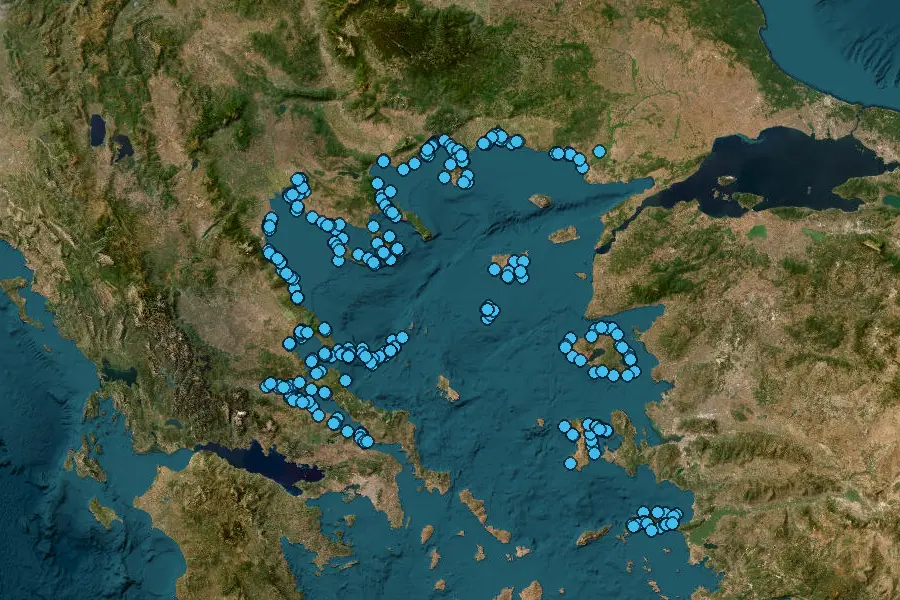
North Aegean & Thrace fishing spots
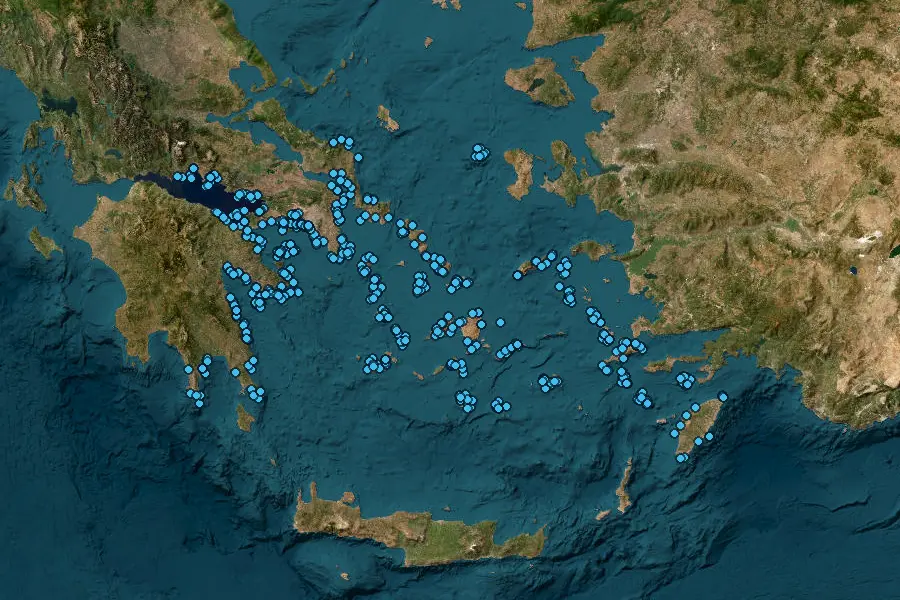
69Central & South Aegean fishing spots
76Ionian Sea fishing spots
40Crete & Libyan Sea fishing spots
19Famagusta–İskele fishing spots
12Güzelyurt Bay fishing spots
8Kyrenia north coast fishing spots
14Karpas Peninsula fishing spots
15Paphos–Limassol south coast fishing spots
26Ayia Napa–Protaras fishing spots
16Akamas–Paphos west coast fishing spots
32Larnaca southeast coast fishing spots
18No site-level records in this region; the information is at region level.
No site-level records in this region; the information is at region level.
No site-level records in this region; the information is at region level.
- Ákra Ádholo Chalkidiki · Sithonia
- Ákra Ágios Sózon Lemnos
- Ákra Agriliá Lesbos · Mytilene
- Ákra Akronéri Kavala
- Ákra Apollonías Kavala · Pangaio
- Ákra Átsinos Kavala
- Ákra Bámpouras Thasos
- Ákra Dhermatás Larissa · Agia
- Ákra Ágios Geórgios Mykonos
- Ákra Ákako Paros · Antiparos
- Ákra Áspri Poúnta East Attica · Lavreotiki
- Ákra Áspro Milos · Serifos
- Ákra Chaïdári Argolis · Nafplio
- Ákra Diakoftó Thira · Ios
- Ákra Fókia Syros · Syros-Ermoupoli
- Ákra Foniás East Attica · Lavreotiki
- Ákra Agía Achaea · Patras
- Ákra Agní Corfu · North Corfu
- Ákra Andírrion Aetolia-Acarnania · Nafpaktia
- Ákra Aríllas Thesprotia · Igoumenitsa
- Ákra Áspro Kefalonia · Sami
- Ákra Chalíki Aetolia-Acarnania · Aktio-Vonitsa
- Ákra Chalkís Aetolia-Acarnania · Nafpaktia
- Ákra Kamiláfka Aetolia-Acarnania · Xiromero
- Aghios Nikolaos ferry terminal Lasithi · Agios Nikolaos
- Ákra Aktís Karpathos-Kasos · Kasos
- Ákra Chélathros Karpathos-Kasos · Kasos
- Ákra Mavromoúri Rethymno
- Ákra Pléora Lasithi · Agios Nikolaos
- Ákra Proníou Karpathos-Kasos · Karpathos
- Ákra Sarakíniko Chania · Gavdos
- Ákra Síderos Lasithi · Sitia
12 fishing grounds
8 fishing grounds
14 fishing grounds
15 fishing grounds
26 fishing grounds
16 fishing grounds
32 fishing grounds
18 fishing grounds
No fishing ground or region matches your search.


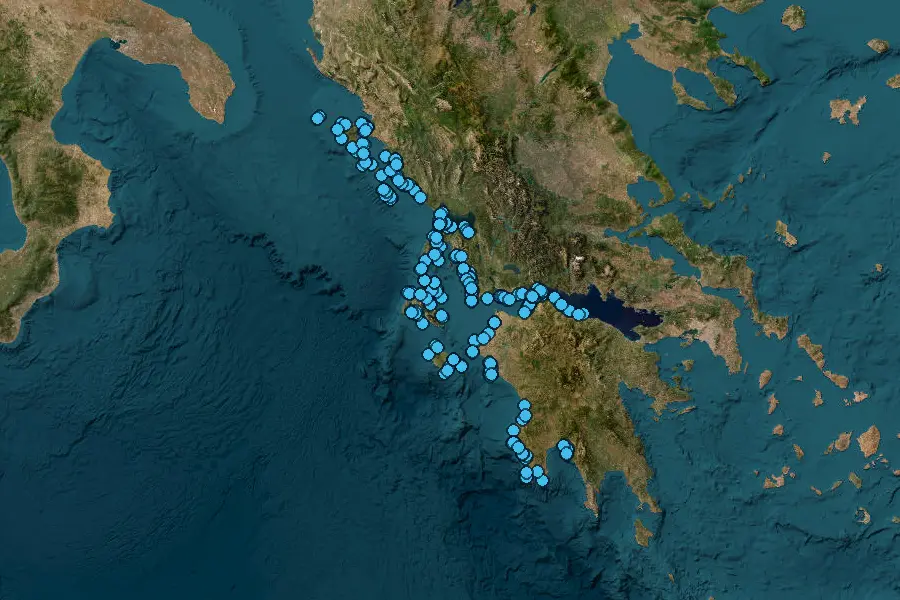
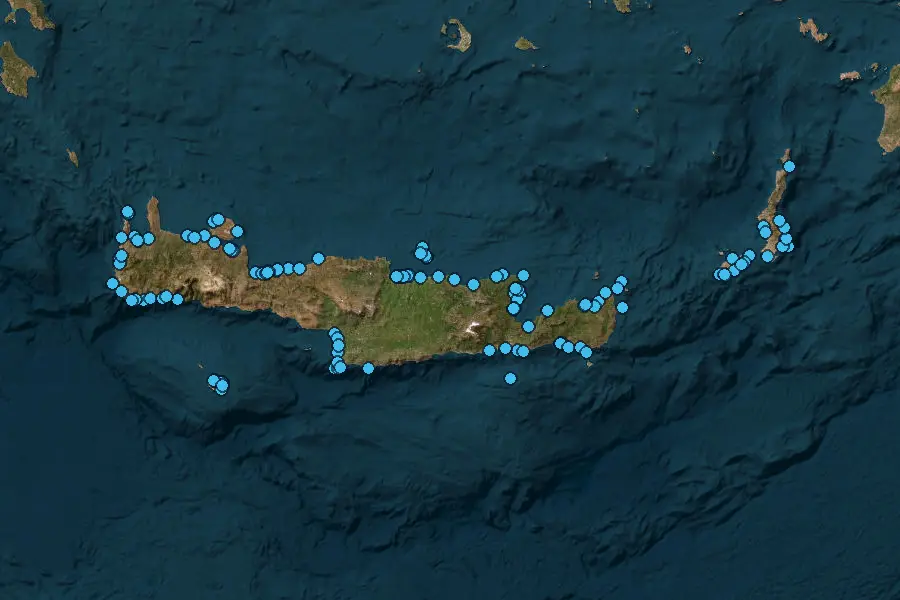
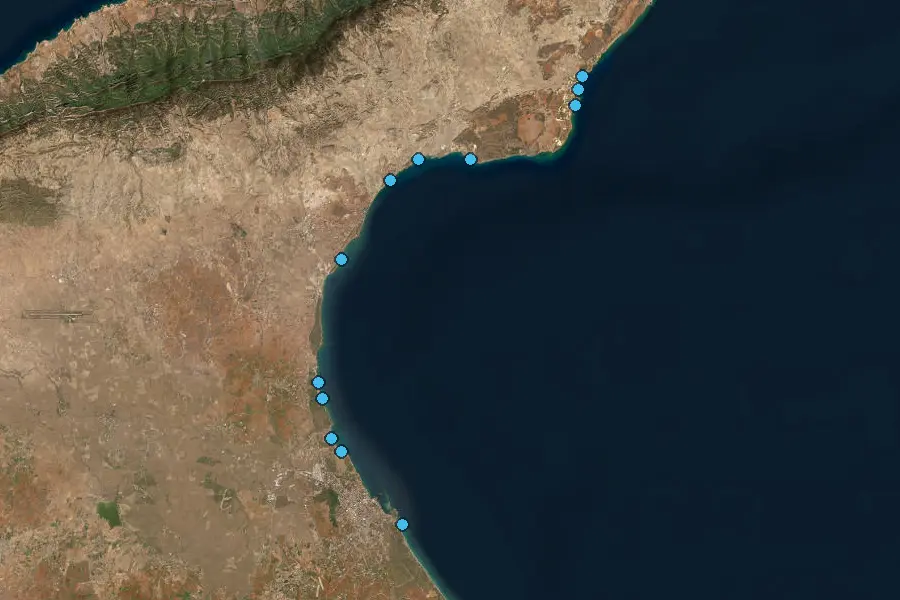
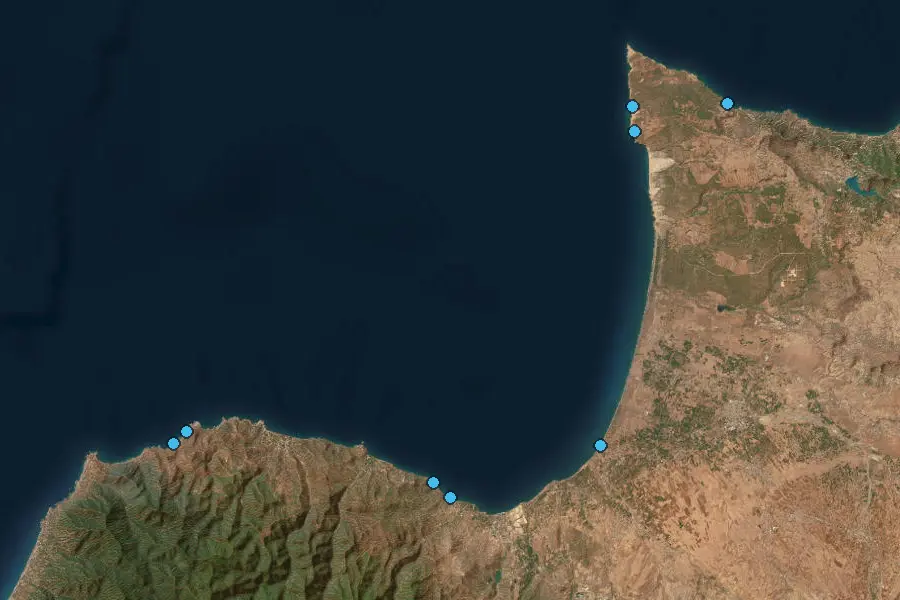
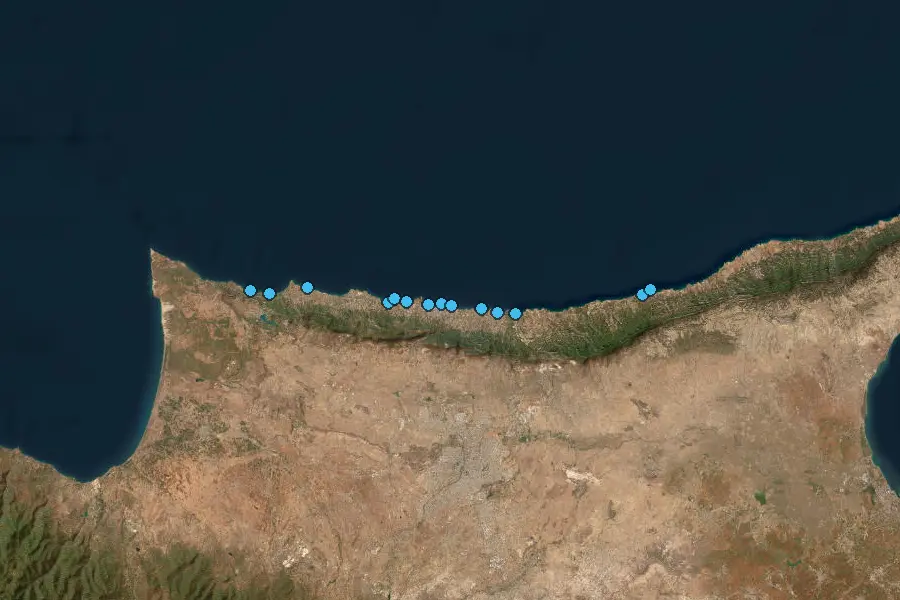
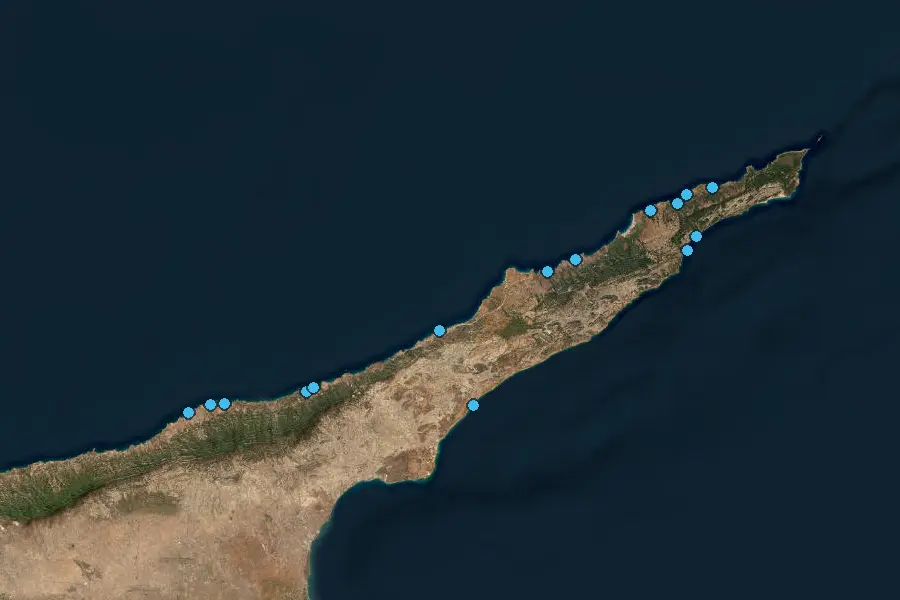
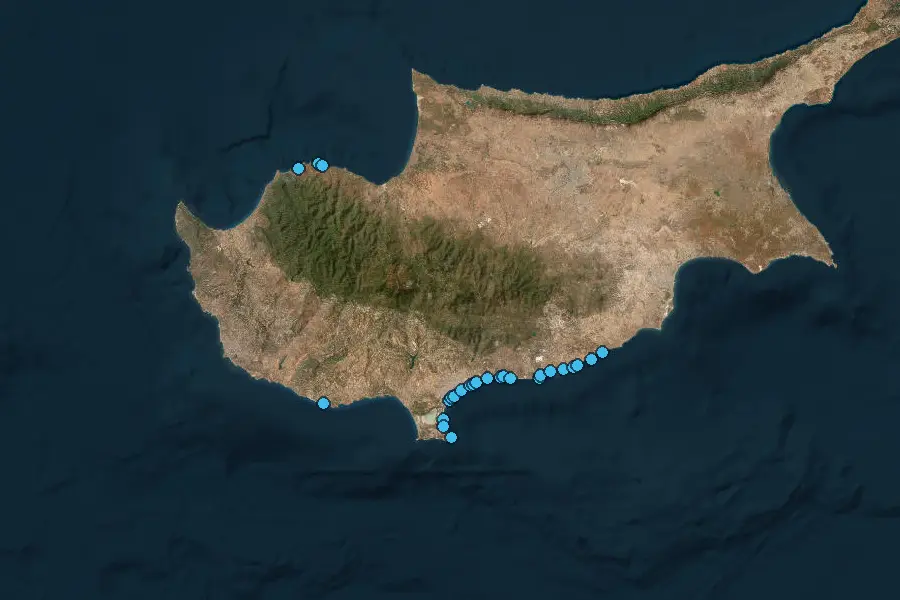
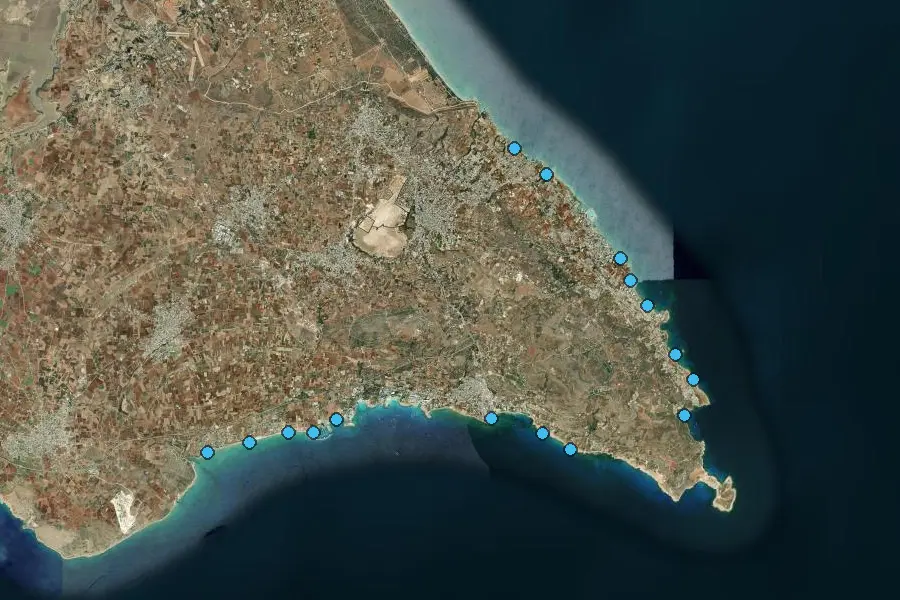
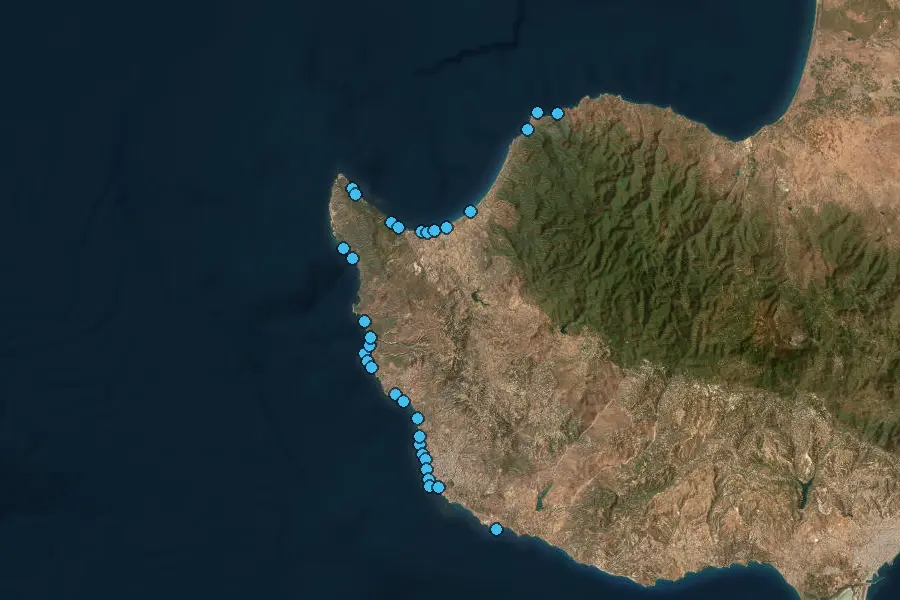
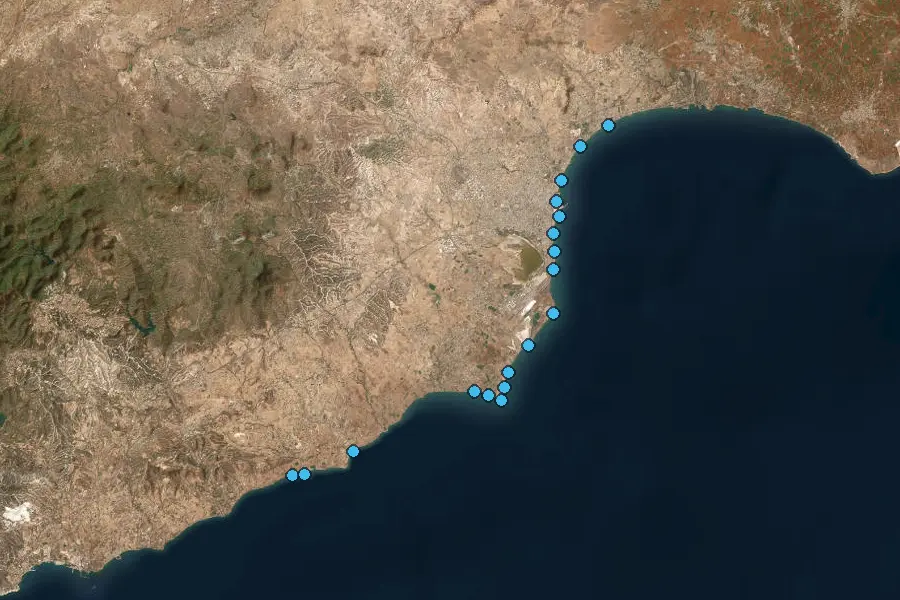
A listed spot is not a guarantee of a catch.
Sea of Marmara
Season and suitable conditions
Check the season information for the region you chose.
There is no season data for this species yet.
Missing data does not mean an unproductive period.
Aegean Sea
Season and suitable conditions
Check the season information for the region you chose.
There is no season data for this species yet.
Missing data does not mean an unproductive period.
Mediterranean
Season and suitable conditions
Check the season information for the region you chose.
There is no season data for this species yet.
Missing data does not mean an unproductive period.
North Aegean & Thrace
Season and suitable conditions
Check the season information for the region you chose.
Peak months: Mar, Apr, May, Jun, Jul, Aug, Sep, Oct, Nov
Central & South Aegean
Season and suitable conditions
Check the season information for the region you chose.
Peak months: Mar, Apr, May, Jun, Jul, Aug, Sep, Oct, Nov
Ionian Sea
Season and suitable conditions
Check the season information for the region you chose.
Peak months: Mar, Apr, May, Jun, Jul, Aug, Sep, Oct, Nov
Crete & Libyan Sea
Season and suitable conditions
Check the season information for the region you chose.
Peak months: Mar, Apr, May, Jun, Jul, Aug, Sep, Oct, Nov
Famagusta–İskele
Season and suitable conditions
Recorded all year round in this region; no distinct fishing season shows.
Güzelyurt Bay
Season and suitable conditions
Recorded all year round in this region; no distinct fishing season shows.
Kyrenia north coast
Season and suitable conditions
Recorded all year round in this region; no distinct fishing season shows.
Karpas Peninsula
Season and suitable conditions
Recorded all year round in this region; no distinct fishing season shows.
Paphos–Limassol south coast
Season and suitable conditions
Recorded all year round in this region; no distinct fishing season shows.
Ayia Napa–Protaras
Season and suitable conditions
Recorded all year round in this region; no distinct fishing season shows.
Akamas–Paphos west coast
Season and suitable conditions
Recorded all year round in this region; no distinct fishing season shows.
Larnaca southeast coast
Season and suitable conditions
Recorded all year round in this region; no distinct fishing season shows.
Season information is no guarantee of a catch.
Best spots in November
By month
Average monthly score of the spots in Turkey (0–100).
- 60 Jan
- 59 Feb
- 59 Mar
- 73 Apr
- 75 May
- 87 Jun
- 75 Jul
- 75 Aug
- 75 Sep
- 68 Oct
- 75 Nov
- 62 Dec
The best spot in each Turkish province, by this month’s score.
- Sülüklü Plaji Demre, Antalya 80/100 Very good
- D-Marin Didim The Blue Point Beach Club Didim, Aydın 80/100 Very good
- Avana Plajı Bozcaada, Çanakkale 80/100 Very good
- Kocakum Karaburun, İzmir 80/100 Very good
- Mandalin Bodrum Bodrum, Muğla 80/100 Very good
A 0–100 score from season, water temperature, habitat and local records; a general trend, not a guarantee.
Best times of day
When in the day it bites best, month by month.
- Active by day
- Poor at night
In November
-
Dawn 70
Sunrise → 3 h after
-
Midday Best 85
2 h before midday → 2.5 h after
-
Dusk 60
2.5 h before sunset → sunset
Not productive at night
Moon phase
Effect of the moon on night fishing; the scores compare the phases.
- New moon 0
- First quarter 0
- Full moon 0
- Last quarter 0


Best phase: No clear effect
Windows across 12 months
| Best times of day | JJan | FFeb | MMar | AApr | MMay | JJun | JJul | AAug | SSep | OOct | NNov | DDec |
|---|---|---|---|---|---|---|---|---|---|---|---|---|
| Dawn | 40 | 40 | 40 | 70 | 70 | 85 | 85 | 85 | 85 | 70 | 70 | 40 |
| Midday | 85 | 85 | 85 | 85 | 85 | 70 | 70 | 70 | 70 | 85 | 85 | 85 |
| Dusk | 50 | 50 | 50 | 60 | 60 | 65 | 65 | 65 | 65 | 60 | 60 | 50 |
| Night |
Windows follow sunrise and sunset; clock times change with place and date. Scores are relative within the month: 100 is the best window of the day.
3 sources · confidence high
Habitat
Where it lives and in what kind of water: ranges compiled by the research.
Depth
0–120 m
mostly 1–60 m
Water temperature
10.3–31.8 °C
ideal 17.5–27.6 °C
Salinity
Full-strength seawater
17.7–39.3 ‰
Shore types
- Cove / inner bay
- Rocky shore
- Breakwater / jetty
- Headland
- Mixed shore
- Cliff / steep shore
- Reclaimed shore
- Shoal / reef
Bottom
Lives close to the bottom
- Sand
- Rock
- Sand, gravel and rock
- Seagrass
Ranges from FishBase, AquaMaps and the literature; a general tendency, not a hard limit.
Confidence: shore type high, temperature medium
Bait and tackle suggestions
Recorded baits and fishing techniques.
Bait by month
Baits documented for shore fishing, month by month and by water clarity.
In November
By water clarity
Rock / bottom omnivore — Picks up crustaceans, worms and weed. Wary; relies on smell and a natural look.
- Clear Visibility: over 8 m
- Natural first, lures also work First natural bait: Ragworm · Very suitable Usually in this water: Live shrimp, tube worm, mud shrimp, mussel; thin line, small hidden hook; little chum. First lure: LRF micro soft plastic · Very suitable Usually in this water: LRF micro soft plastic, imitation shrimp; very small, slow. Colour: Clear, Natural brown, Red
- Slightly coloured Visibility: 4–8 m
- Natural first, lures also work First natural bait: Ragworm · Very suitable Usually in this water: Shrimp, worm, mussel; normal pieces. First lure: LRF micro soft plastic · Very suitable Usually in this water: LRF/micro soft plastic, imitation shrimp. Colour: Pink
- Moderately coloured Visibility: 2–4 m
- Natural bait First natural bait: Ragworm · Very suitable Usually in this water: Mussel, crab, sardine pieces with chum (crushed mussel or bread). First lure: Scented soft plastic · Very suitable Usually in this water: Scented soft plastic (Isome/Gulp type); slow, on the bottom. Colour: Pink, Glow (UV)
- Murky Visibility: 1–2 m
- Natural bait First natural bait: Ragworm · Suitable Usually in this water: Crab, mussel, razor clam; bottom rig; strong scent. First lure: Scented soft plastic · Suitable Usually in this water: Weak; scented soft plastic only. Colour: Glow (UV), Pink
- Very murky Visibility: under 1 m
- Natural bait First natural bait: Ragworm · Weak Usually in this water: Mussel, crab, cut bait; big pieces. First lure: Scented soft plastic · Weak Colour: Glow (UV)
12-month bait calendar
- January
- Natural baits: Ragworm, Squid Lures: Scented soft plastic, LRF micro soft plastic
- February
- Natural baits: Ragworm, Squid Lures: Scented soft plastic, LRF micro soft plastic
- March
- Natural baits: Ragworm, Squid Lures: Scented soft plastic, LRF micro soft plastic
- April
- Natural baits: Ragworm, Squid Lures: Scented soft plastic, LRF micro soft plastic
- May
- Natural baits: Ragworm, Squid Lures: Scented soft plastic, LRF micro soft plastic
- June
- Natural baits: Ragworm, Squid Lures: Scented soft plastic, LRF micro soft plastic
- July
- Natural baits: Ragworm, Squid Lures: Scented soft plastic, LRF micro soft plastic
- August
- Natural baits: Ragworm, Squid Lures: Scented soft plastic, LRF micro soft plastic
- September
- Natural baits: Ragworm, Squid Lures: Scented soft plastic, LRF micro soft plastic
- October
- Natural baits: Ragworm, Squid Lures: Scented soft plastic, LRF micro soft plastic
- November
- Natural baits: Ragworm, Squid Lures: Scented soft plastic, LRF micro soft plastic
- December
- Natural baits: Ragworm, Squid Lures: Scented soft plastic, LRF micro soft plastic
This is the usual pattern; the water and weather on the day can change it. Colour is fine-tuning: bait type, size and action come first. Confidence: natural medium, lures medium. Colour and presentation guide
Fishing rules
The regulation holds no separate minimum size or closed season entry for this species. The provisions for Türkiye as a whole apply.
Before you go, check local area and method restrictions.
Species profile

- Scientific name
- Coris julis
- Family
- Labridae
- Order
- Eupercaria incertae sedis
- Water type
- Saltwater
- Seas
- Sea of Marmara, Aegean Sea, Mediterranean
- Other names
- Gün balığı, Gelin balığı
Frequently asked questions
Which seas is Mediterranean rainbow wrasse found in?
In our records Mediterranean rainbow wrasse appears in these seas: Sea of Marmara, Aegean Sea, Mediterranean, North Aegean & Thrace — Greece, Central & South Aegean — Greece, Ionian Sea — Greece, Crete & Libyan Sea — Greece, Güzelyurt Bay — Northern Cyprus, Kyrenia north coast — Northern Cyprus, Famagusta–İskele — Northern Cyprus, Karpas Peninsula — Northern Cyprus, Akamas–Paphos west coast — Southern Cyprus, Paphos–Limassol south coast — Southern Cyprus, Larnaca southeast coast — Southern Cyprus, Ayia Napa–Protaras — Southern Cyprus.
In which months is Mediterranean rainbow wrasse at its peak?
Peak periods by sea: North Aegean & Thrace — Greece March–November; Central & South Aegean — Greece March–November; Ionian Sea — Greece March–November; Crete & Libyan Sea — Greece March–November; Famagusta–İskele — Northern Cyprus all year; Güzelyurt Bay — Northern Cyprus all year; Kyrenia north coast — Northern Cyprus all year; Karpas Peninsula — Northern Cyprus all year; Paphos–Limassol south coast — Southern Cyprus all year; Ayia Napa–Protaras — Southern Cyprus all year; Akamas–Paphos west coast — Southern Cyprus all year; Larnaca southeast coast — Southern Cyprus all year.
Similar species