












Sea fish
Thinlip grey mullet
Chelon ramada
Get to know the species, pick your region, find your spot.
Other names: Mavraki

- Family
- Mugilidae
Choose your region
The information changes with the region you choose.
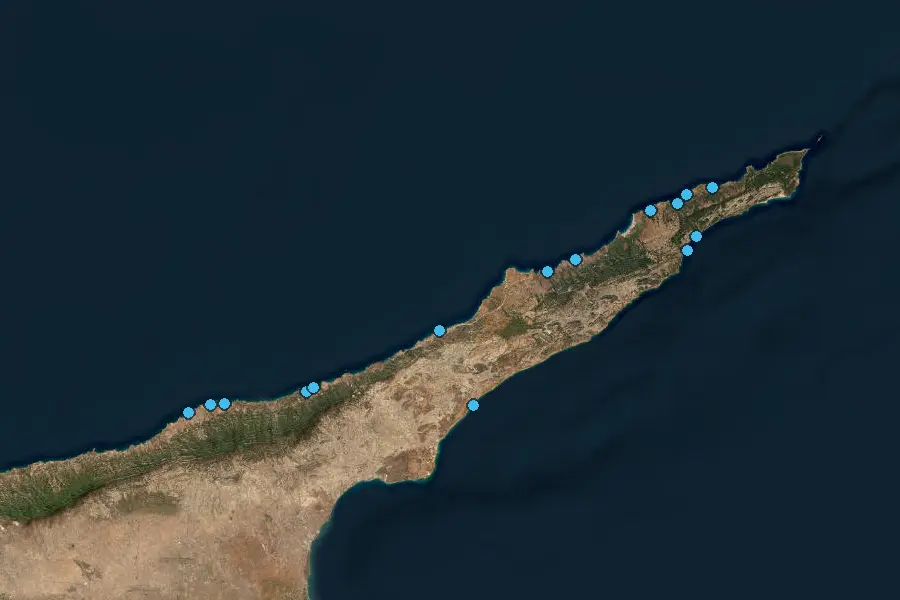
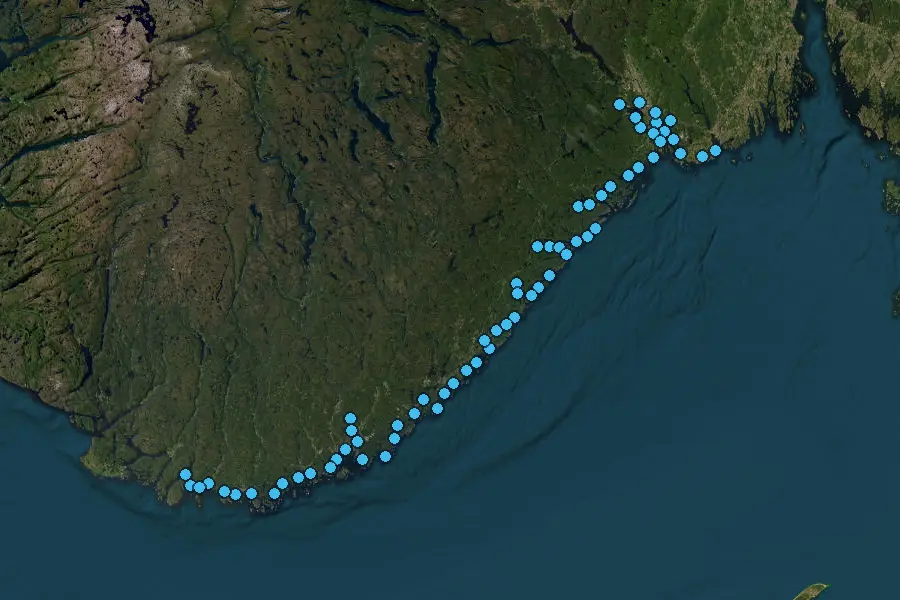
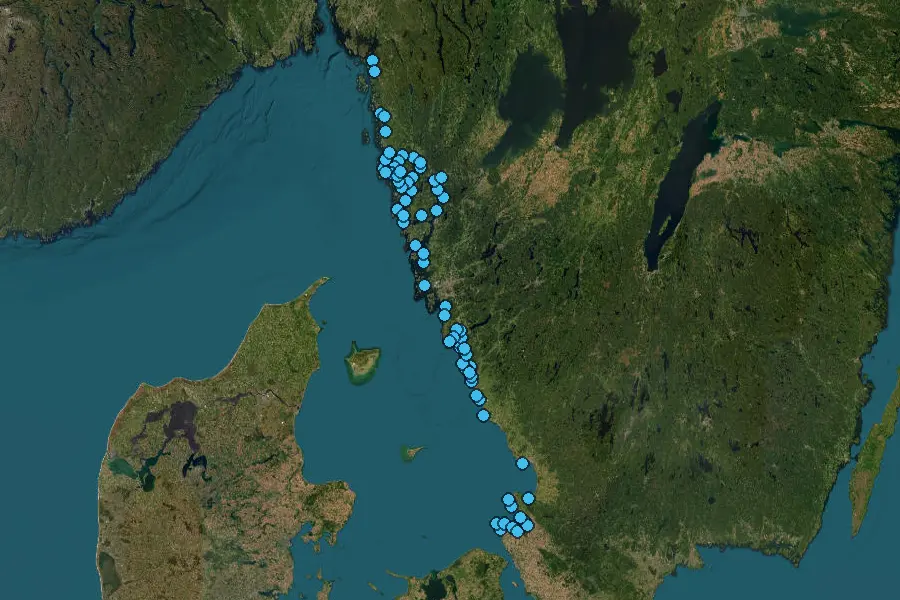
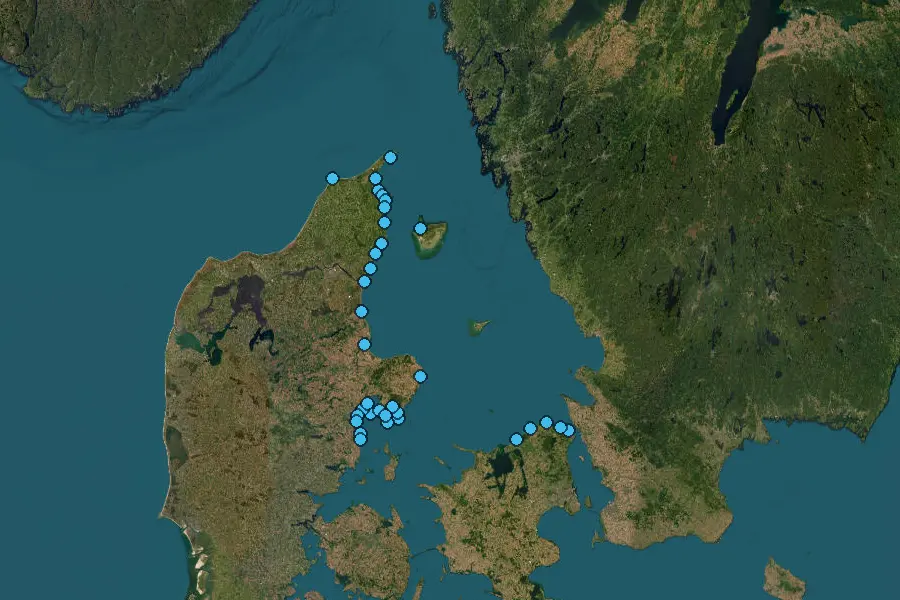
Where is Thinlip grey mullet caught?
Explore the regions or go straight to the map.
Black Sea fishing spots
204Aegean Sea fishing spots
81Mediterranean fishing spots
74Sea of Marmara fishing spots
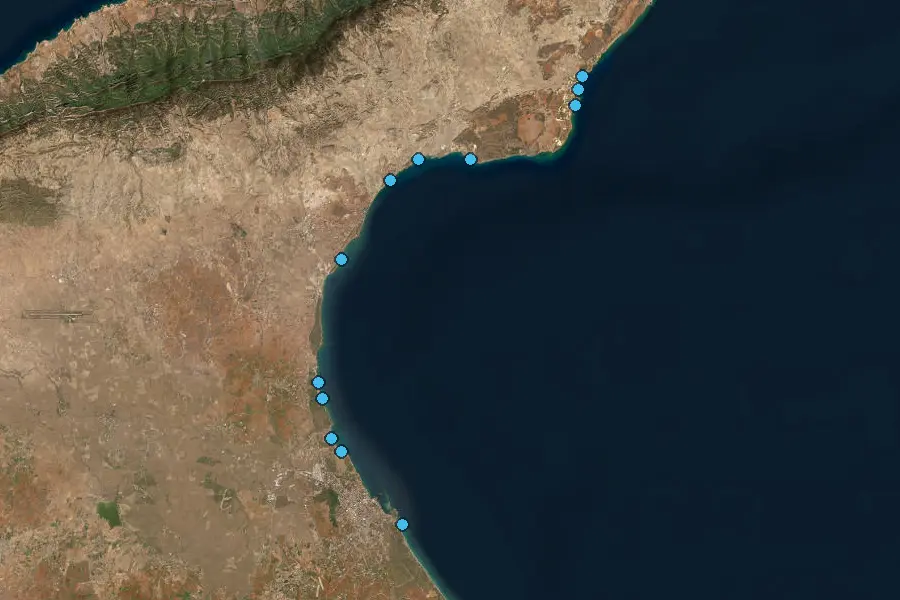
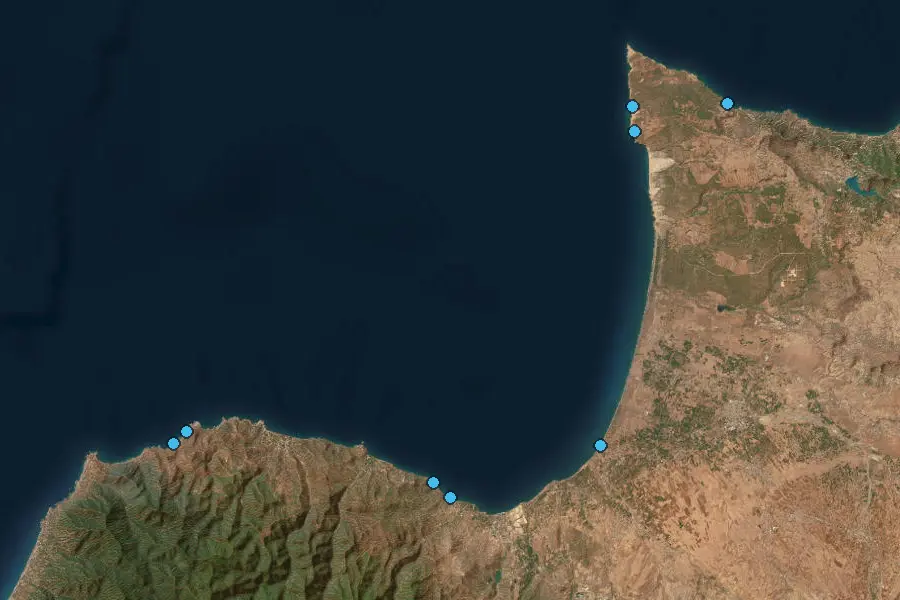
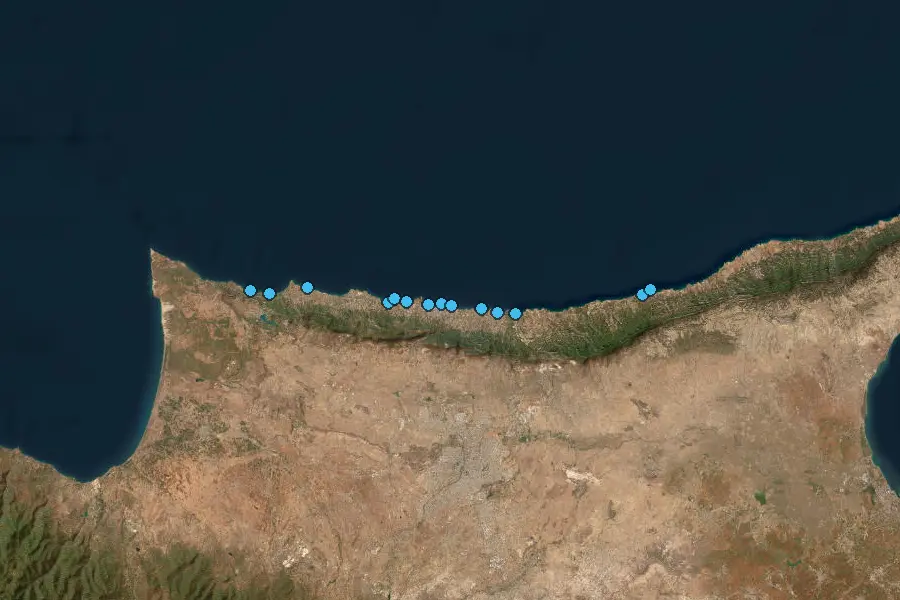
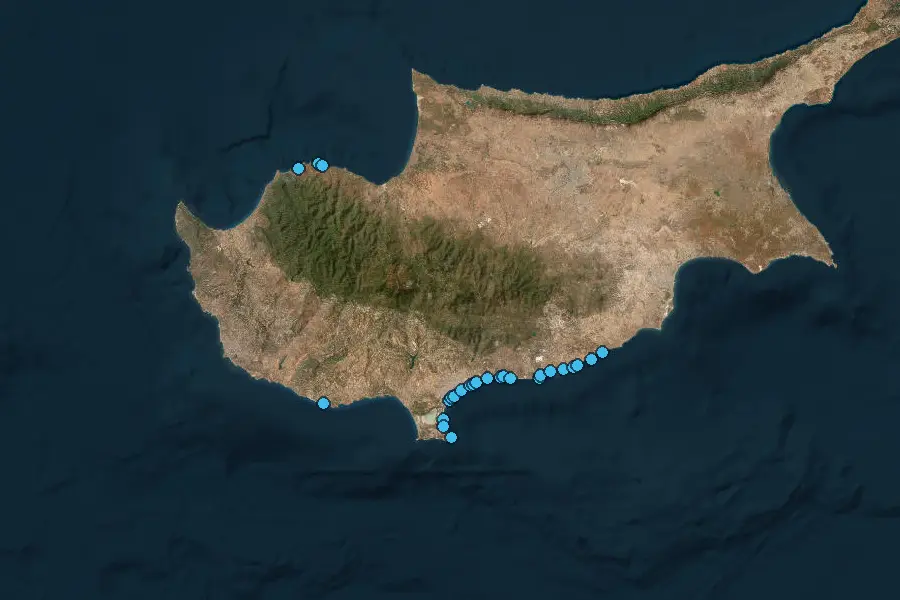
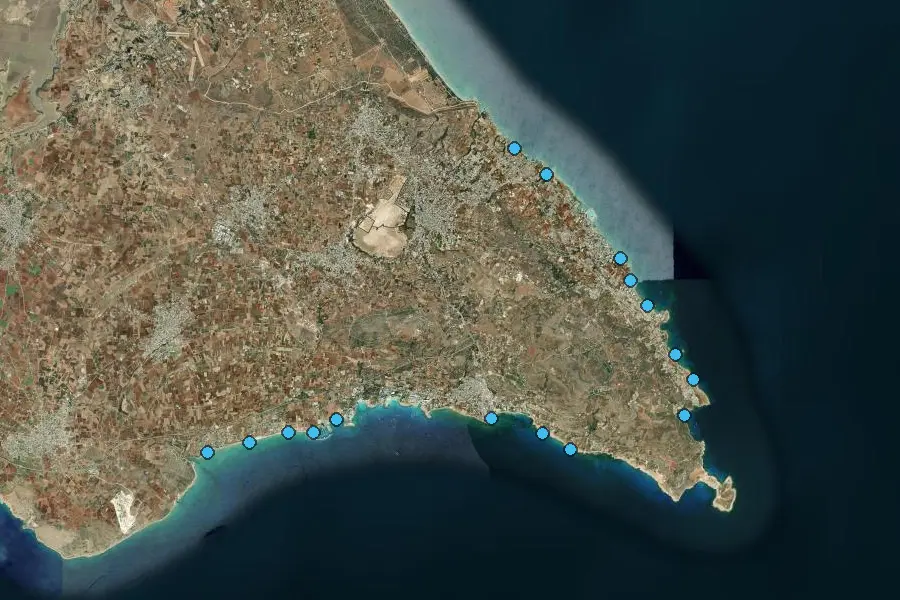
104Karpas Peninsula fishing spots
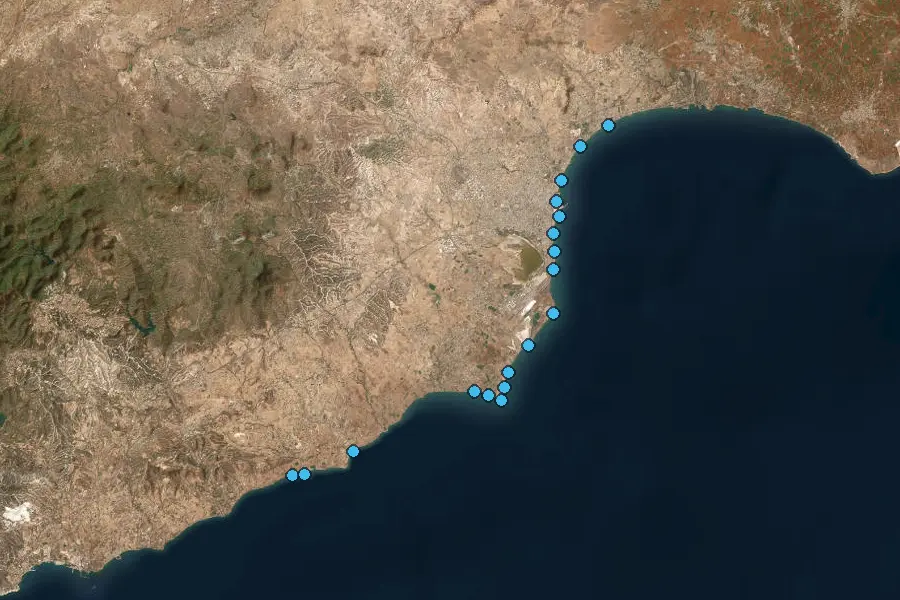
15Famagusta–İskele fishing spots
12Güzelyurt Bay fishing spots
8Kyrenia north coast fishing spots
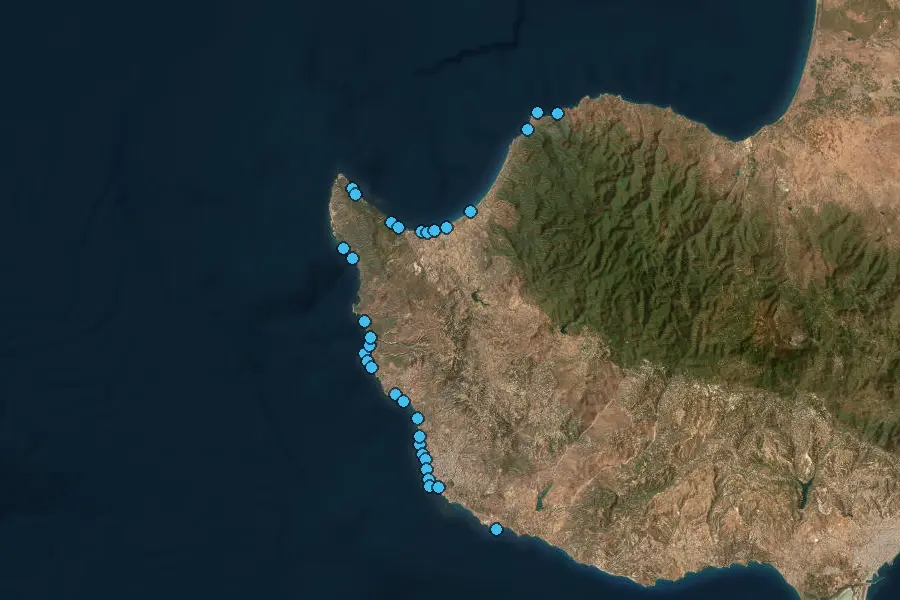
14Paphos–Limassol south coast fishing spots
26Ayia Napa–Protaras fishing spots
16Akamas–Paphos west coast fishing spots
32Larnaca southeast coast fishing spots
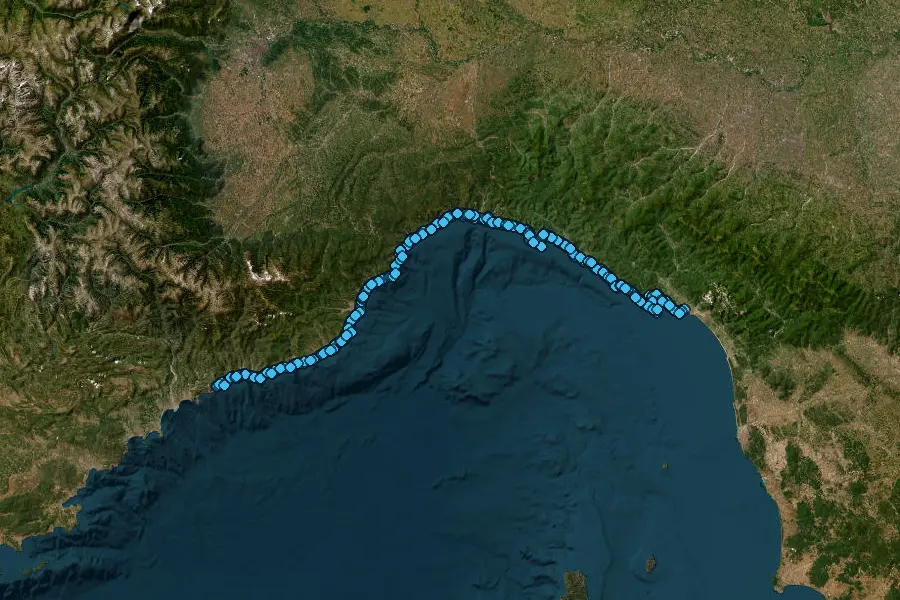
18Ligurian Sea fishing spots
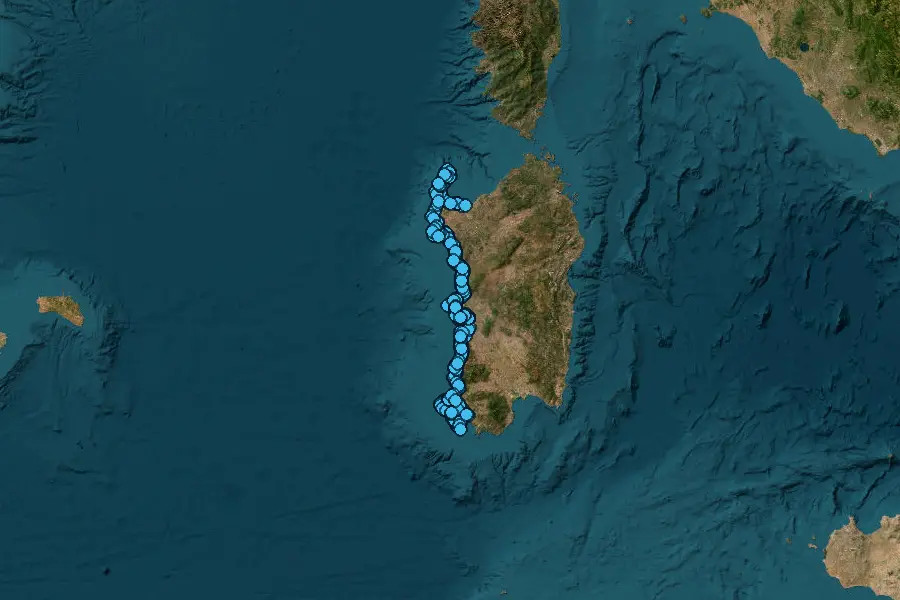
10Sardinian Sea fishing spots
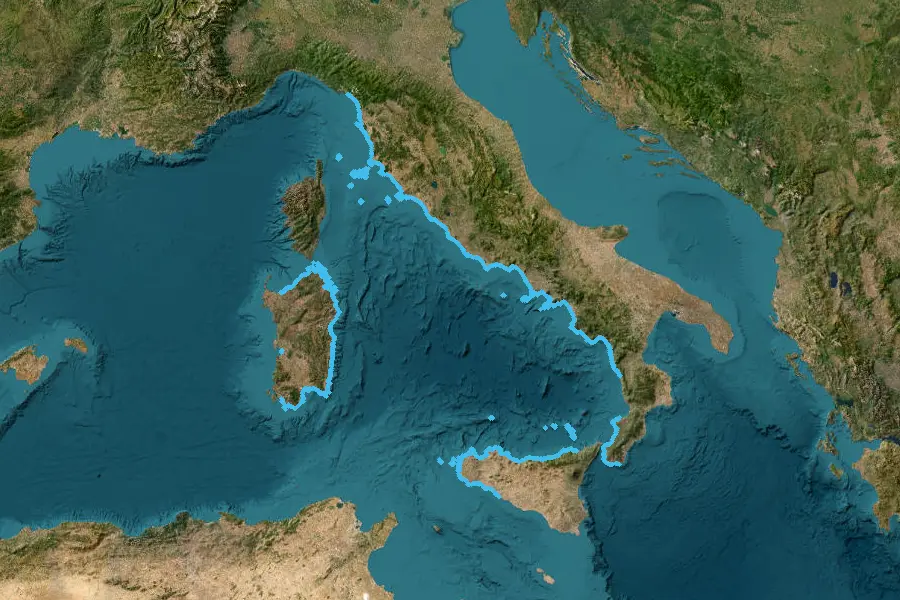
11Tyrrhenian Sea fishing spots
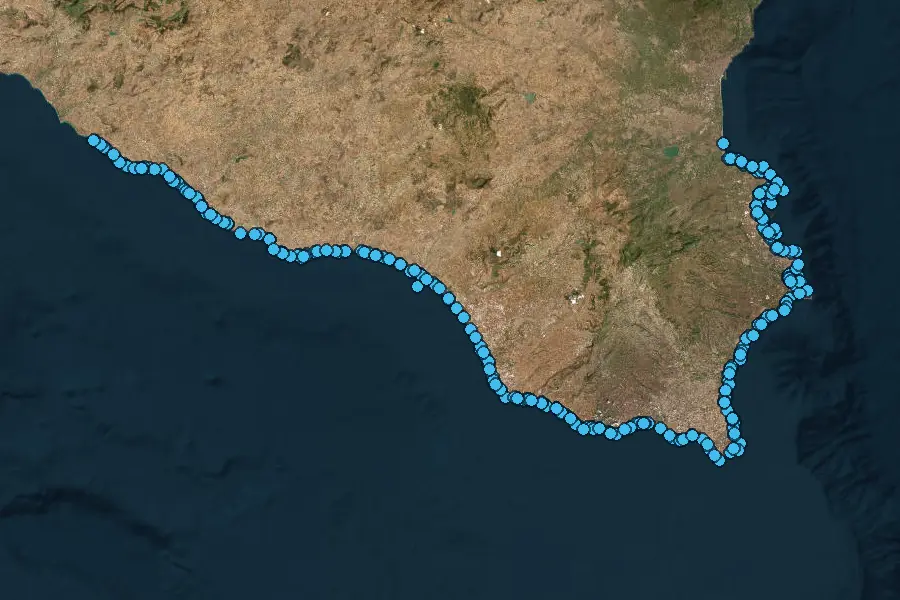
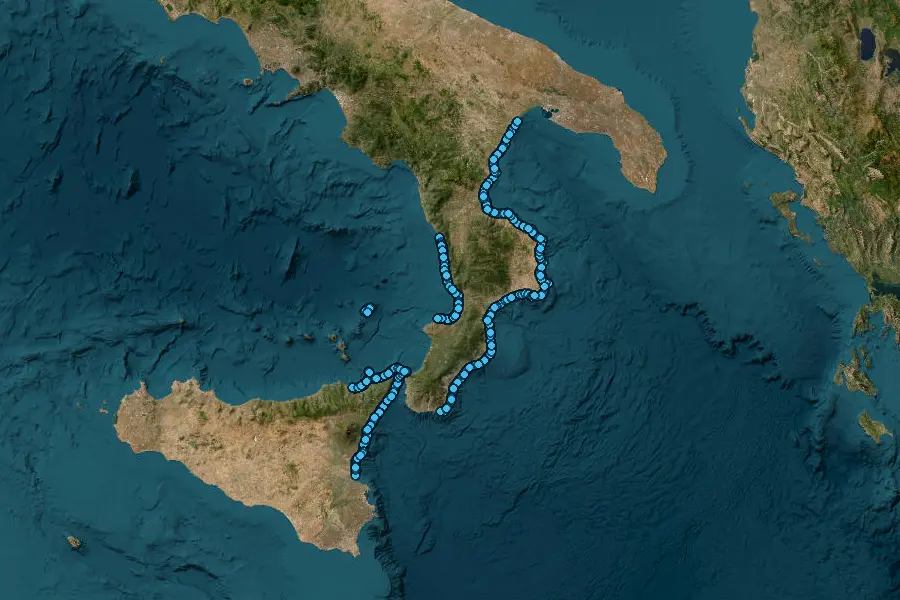
78Strait of Sicily fishing spots
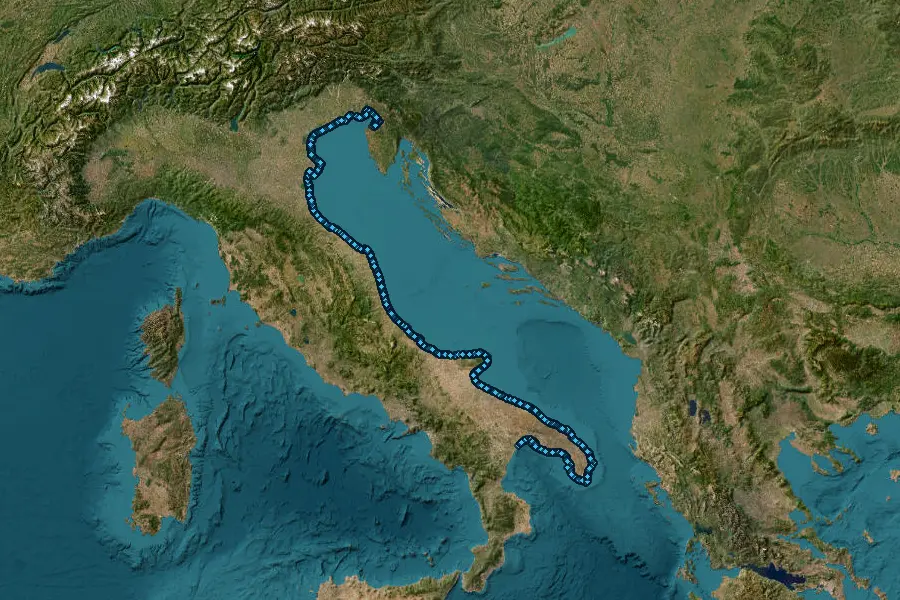
9Adriatic fishing spots
30Ionian Sea fishing spots
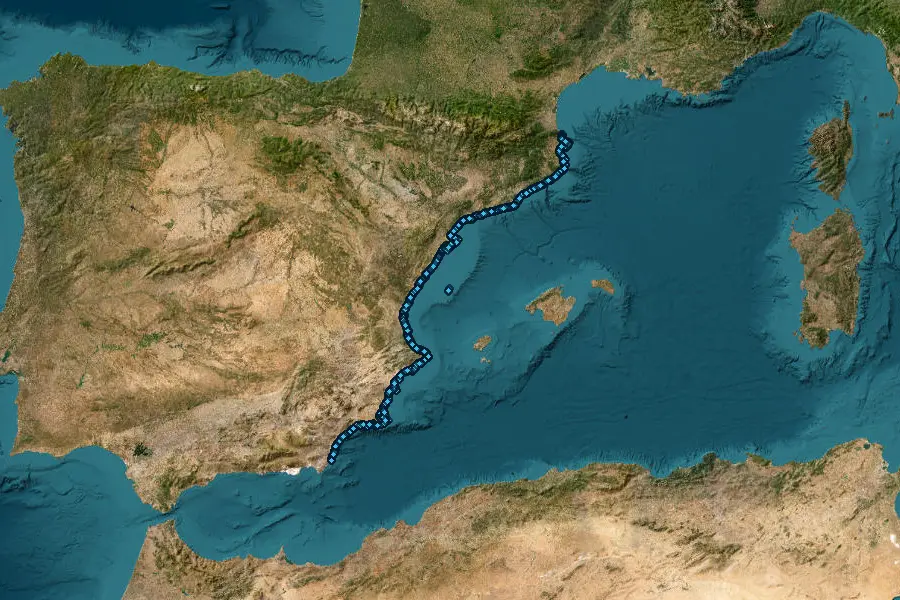
26Mediterranean fishing spots
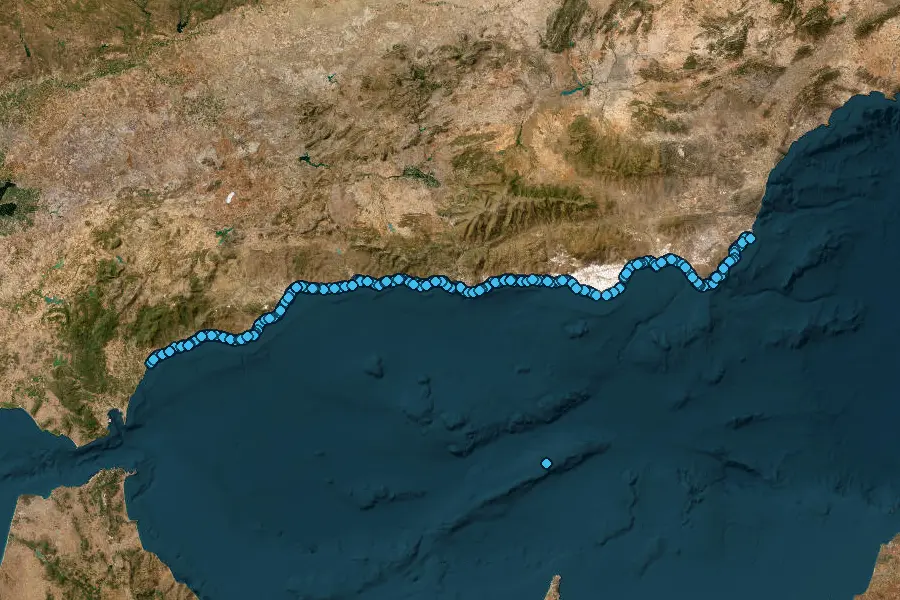
63Alboran Sea fishing spots
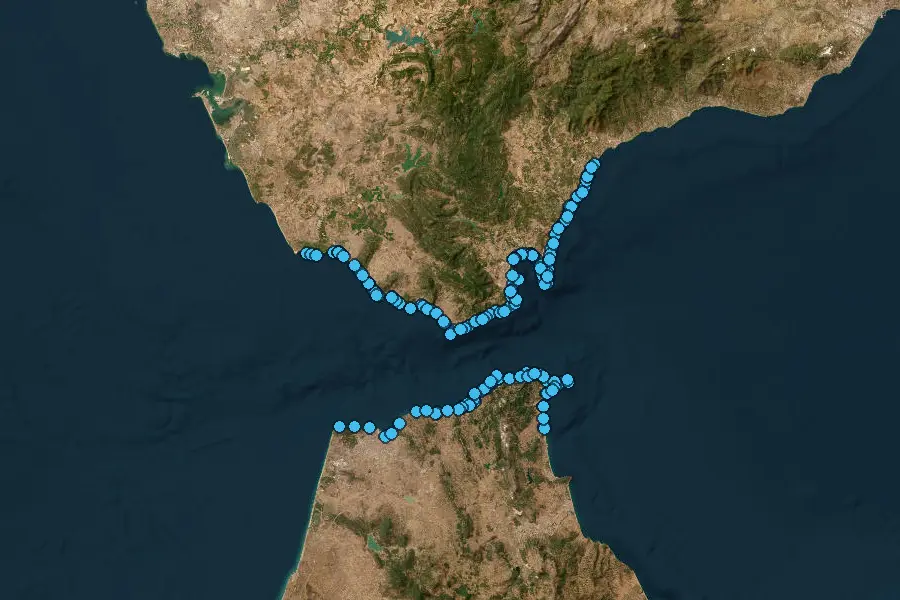
25Strait of Gibraltar fishing spots
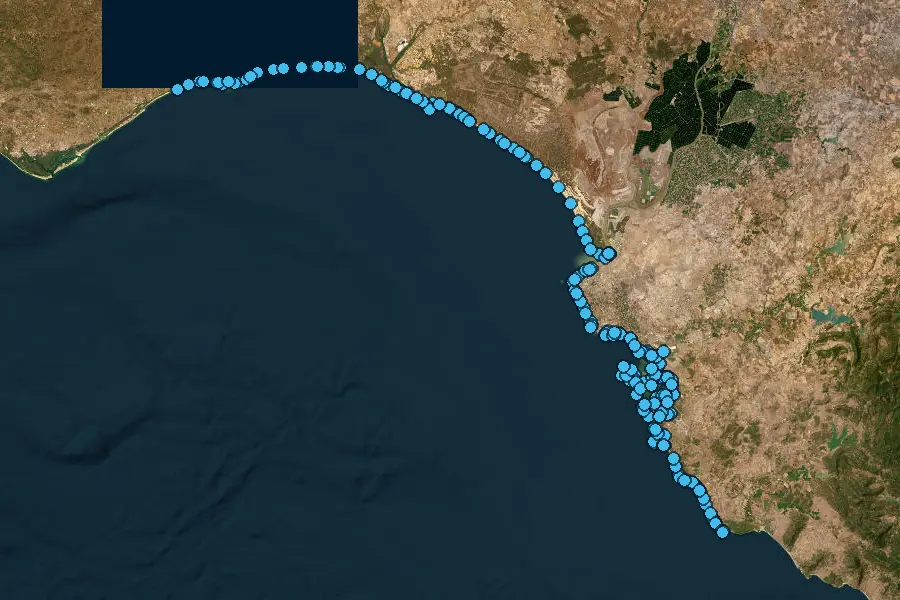
8Gulf of Cádiz fishing spots
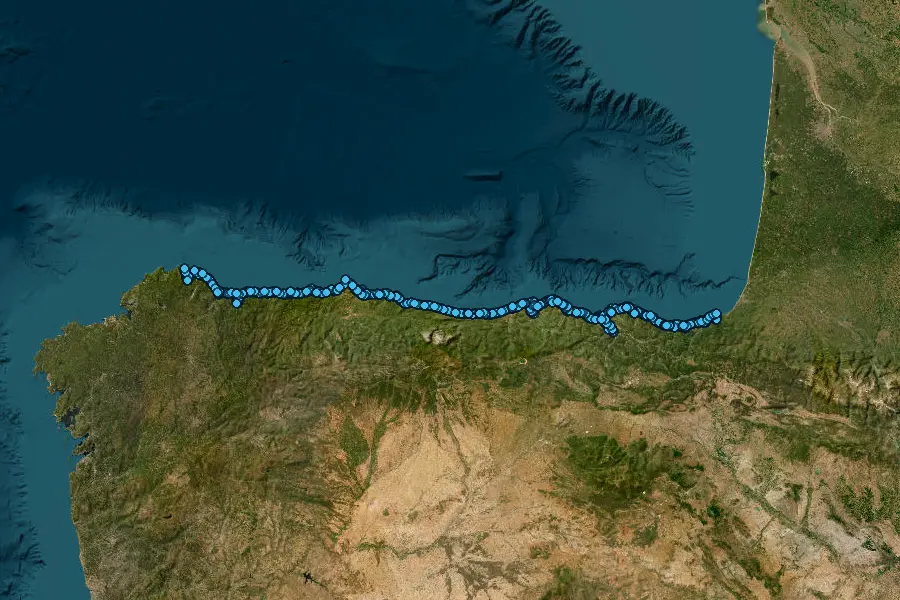
9Cantabrian Sea fishing spots
36Atlantic Ocean fishing spots
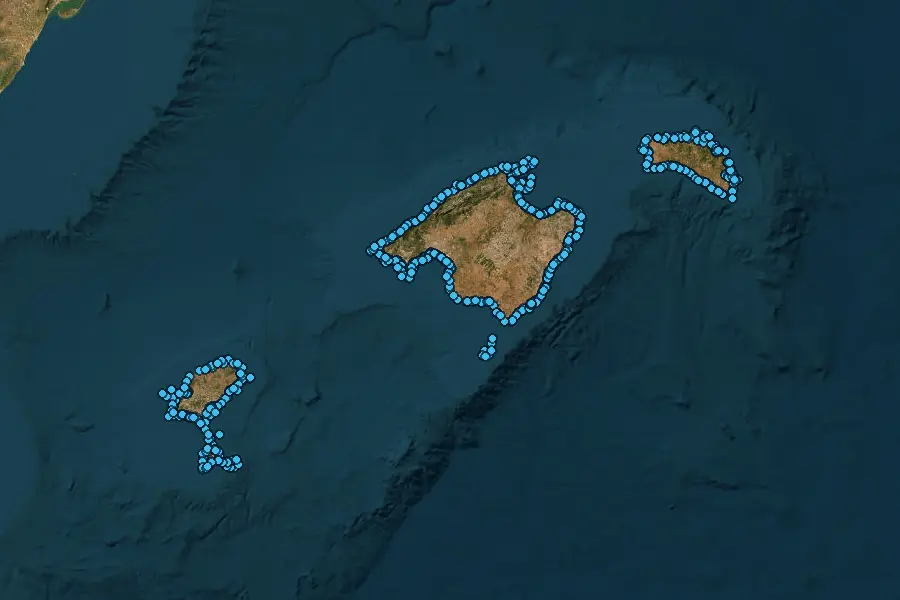
34Balearic Sea fishing spots
19South coast fishing spots
66West coast fishing spots
69Kattegat and Skagerrak fishing spots
34- Abdal Deresi Samsun · Çarşamba
- Afanlı Deresi Samsun · Atakum
- Ağasar Deresi Trabzon · Beşikdüzü
- Ağva Kıyı Rekreasyon Alanı Parkı İstanbul · Şile
- Akçakoca Liman Düzce · Akçakoca
- Akçakoca Liman 2 Düzce · Akçakoca
- Akçakoca Liman 3 Düzce · Akçakoca
- Akçakoca Limanı Dış Mendireği Düzce · Akçakoca
- Aghyl Dere Çanakkale · Eceabat
- Ahırkuyu Deresi İzmir · Karşıyaka
- Akvaryum Koyu (Bodrum) Muğla · Bodrum
- Akvaryum Koyu (Datça) Muğla · Datça
- Arı Burnu Çanakkale · Eceabat
- Azmak Çayı Muğla · Ula
- Azmak Dere Çanakkale · Eceabat
- Bakırçay İzmir · Bergama
- Adrasan feneri Antalya · Kumluca
- Akçay Antalya · Finike
- Aksu Çayı Antalya · Aksu
- Alakır Çayı Antalya · Kumluca
- Alara Çayı Antalya · Manavgat
- Anamur Çayı Mersin · Anamur
- Asarardı Koyu Muğla · Seydikemer
- Asi Nehri Hatay · Samandağ
- Adalı Dere Kocaeli · Gölcük
- Ağadere Kocaeli · Körfez
- Agil Deresi Yalova · Çiftlikköy
- Alibey Deresi İstanbul · Eyüpsultan
- Alişan Deresi Balıkesir · Erdek
- Alpagut Deresi Çanakkale · Lapseki
- Arap Deresi Balıkesir · Erdek
- Ayamama Deresi İstanbul · Bakırköy
15 fishing grounds
12 fishing grounds
8 fishing grounds
14 fishing grounds
26 fishing grounds
16 fishing grounds
32 fishing grounds
18 fishing grounds
10 fishing grounds
11 fishing grounds
78 fishing grounds
9 fishing grounds
30 fishing grounds
26 fishing grounds
63 fishing grounds
25 fishing grounds
8 fishing grounds
9 fishing grounds
36 fishing grounds
34 fishing grounds
19 fishing grounds
66 fishing grounds
69 fishing grounds
34 fishing grounds
No fishing ground or region matches your search.


A listed spot is not a guarantee of a catch.
Black Sea
Season and suitable conditions
Recorded all year round in this region; no distinct fishing season shows.
Aegean Sea
Season and suitable conditions
Recorded all year round in this region; no distinct fishing season shows.
Mediterranean
Season and suitable conditions
Recorded all year round in this region; no distinct fishing season shows.
Sea of Marmara
Season and suitable conditions
Recorded all year round in this region; no distinct fishing season shows.
Karpas Peninsula
Season and suitable conditions
Check the season information for the region you chose.
Peak months: Jan, Feb, Dec
Famagusta–İskele
Season and suitable conditions
Check the season information for the region you chose.
Peak months: Jan, Feb, Dec
Güzelyurt Bay
Season and suitable conditions
Check the season information for the region you chose.
Peak months: Jan, Feb, Dec
Kyrenia north coast
Season and suitable conditions
Check the season information for the region you chose.
Peak months: Jan, Feb, Dec
Paphos–Limassol south coast
Season and suitable conditions
Check the season information for the region you chose.
Peak months: Jan, Feb, Dec
Ayia Napa–Protaras
Season and suitable conditions
Check the season information for the region you chose.
Peak months: Jan, Feb, Dec
Akamas–Paphos west coast
Season and suitable conditions
Check the season information for the region you chose.
Peak months: Jan, Feb, Dec
Larnaca southeast coast
Season and suitable conditions
Check the season information for the region you chose.
Peak months: Jan, Feb, Dec
Ligurian Sea
Season and suitable conditions
Check the season information for the region you chose.
Peak months: Jan, Feb, Oct, Nov, Dec
Sardinian Sea
Season and suitable conditions
Check the season information for the region you chose.
Peak months: Jan, Feb, Oct, Nov, Dec
Tyrrhenian Sea
Season and suitable conditions
Check the season information for the region you chose.
Peak months: Jan, Feb, Oct, Nov, Dec
Strait of Sicily
Season and suitable conditions
Check the season information for the region you chose.
Peak months: Jan, Feb, Oct, Nov, Dec
Adriatic
Season and suitable conditions
Check the season information for the region you chose.
Peak months: Jan, Feb, Oct, Nov, Dec
Ionian Sea
Season and suitable conditions
Check the season information for the region you chose.
Peak months: Jan, Feb, Oct, Nov, Dec
Mediterranean
Season and suitable conditions
Check the season information for the region you chose.
Peak months: Jan, Feb, Oct, Nov, Dec
Alboran Sea
Season and suitable conditions
Check the season information for the region you chose.
Peak months: Jan, Feb, Oct, Nov, Dec
Strait of Gibraltar
Season and suitable conditions
Check the season information for the region you chose.
Peak months: Jan, Feb, Oct, Nov, Dec
Gulf of Cádiz
Season and suitable conditions
Check the season information for the region you chose.
Peak months: Jan, Feb, Oct, Nov, Dec
Cantabrian Sea
Season and suitable conditions
Check the season information for the region you chose.
Peak months: Jan, Sep, Oct, Nov, Dec
Atlantic Ocean
Season and suitable conditions
Check the season information for the region you chose.
Peak months: Jan, Sep, Oct, Nov, Dec
Balearic Sea
Season and suitable conditions
Check the season information for the region you chose.
Peak months: Jan, Feb, Oct, Nov, Dec
South coast
Season and suitable conditions
Check the season information for the region you chose.
Peak months: May, Jun, Jul, Aug, Sep
West coast
Season and suitable conditions
Check the season information for the region you chose.
Peak months: May, Jun, Jul, Aug, Sep
Kattegat and Skagerrak
Season and suitable conditions
Check the season information for the region you chose.
Peak months: May, Jun, Jul, Aug, Sep
Season information is no guarantee of a catch.
Best spots in November
By month
Average monthly score of the spots in Turkey (0–100).
- 36 Jan
- 36 Feb
- 66 Mar
- 70 Apr
- 67 May
- 58 Jun
- 55 Jul
- 54 Aug
- 64 Sep
- 68 Oct
- 63 Nov
- 57 Dec
The best spot in each Turkish province, by this month’s score.
- Küçükçekmece Sahil Parkı Avcılar, İstanbul 78/100 Very good
- Armutlu Dereağzı Plajı Armutlu, Yalova 76/100 Very good
- Ilıca Deresi Balçova, İzmir 74/100 Very good
- Engelliler Plajı Kuşadası, Aydın 73/100 Very good
- Karınca Çayı Burhaniye, Balıkesir 72/100 Very good
A 0–100 score from season, water temperature, habitat and local records; a general trend, not a guarantee.
Best times of day
When in the day it bites best, month by month.
- Active by day
- Limited at night
In November
-
Dawn Best 85
0.5 h before sunrise → 2.5 h after
-
Midday 60
1.5 h before midday → 2 h after
-
Dusk 80
2 h before sunset → 1 h after
Not productive at night
Moon phase
Effect of the moon on night fishing; the scores compare the phases.
- New moon 45
- First quarter 40
- Full moon 50
- Last quarter 40


Best phase: New and full moon
Windows across 12 months
| Best times of day | JJan | FFeb | MMar | AApr | MMay | JJun | JJul | AAug | SSep | OOct | NNov | DDec |
|---|---|---|---|---|---|---|---|---|---|---|---|---|
| Dawn | 55 | 55 | 80 | 80 | 80 | 90 | 90 | 90 | 85 | 85 | 85 | 55 |
| Midday | 85 | 85 | 65 | 65 | 65 | 25 | 25 | 25 | 60 | 60 | 60 | 85 |
| Dusk | 65 | 65 | 75 | 75 | 75 | 80 | 80 | 80 | 80 | 80 | 80 | 65 |
| Night |
Windows follow sunrise and sunset; clock times change with place and date. Scores are relative within the month: 100 is the best window of the day.
5 sources · confidence medium
Habitat
Where it lives and in what kind of water: ranges compiled by the research.
Depth
0–20 m
mostly 0–20 m
Water temperature
4.1–28.4 °C
ideal 15–20 °C
Salinity
Migrates between fresh and salt water
0–45 ‰
Shore types
- Delta / alluvial shore
- Cove / inner bay
- Breakwater / jetty
- Pier / quay
- Around marinas
- Promenade / seafront
- River / stream mouth
- Lagoon / weir mouth
- Channel / strait link
- Inside harbours
- Harbour mouth
- Reclaimed shore
Bottom
Lives in open water
Ranges from FishBase, AquaMaps and the literature; a general tendency, not a hard limit.
Confidence: shore type high, temperature medium
Bait and tackle suggestions
Recorded baits and fishing techniques.
Bait by month
Baits documented for shore fishing, month by month and by water clarity.
In November
Processed bait (all year)
- Bread
By water clarity
Herbivore / detritivore — Eats weed, algae and bottom mud. Rarely takes a lure.
- Clear Visibility: over 8 m
- Natural bait First natural bait: Insect larva · Very suitable Usually in this water: Weed, sea lettuce, worm; very fine tackle; chum. First lure: Fly · Very suitable Usually in this water: Only where it is known to work locally: weed or bread imitation fly, micro soft plastic. Colour: Blue-green back, White, Clear
- Slightly coloured Visibility: 4–8 m
- Natural bait First natural bait: Insect larva · Very suitable Usually in this water: Weed, worm; chum. First lure: Fly · Very suitable Usually in this water: Where it is known to work locally, a bread or weed fly. Colour: White, Blue-green back
- Moderately coloured Visibility: 2–4 m
- Natural bait First natural bait: Fish guts · Very suitable Usually in this water: Worm with chum; stream or channel mouths. First lure: Spinner · Very suitable
- Murky Visibility: 1–2 m
- Natural bait First natural bait: Fish guts · Very suitable Usually in this water: Worm, fish guts; chum; mullet feed in murky stream mouths. First lure: Spinner · Very suitable
- Very murky Visibility: under 1 m
- Natural bait First natural bait: Fish guts · Very suitable Usually in this water: Worm, fish guts; chum. First lure: Spinner · Suitable
12-month bait calendar
- January
- Natural baits: Ragworm, Fish guts, Sardine, Insect larva Lures: Spinner, Fly
- February
- Natural baits: Ragworm, Fish guts, Sardine, Insect larva Lures: Spinner, Fly
- March
- Natural baits: Ragworm, Fish guts, Sardine, Insect larva Lures: Spinner, Fly
- April
- Natural baits: Ragworm, Fish guts, Sardine, Insect larva Lures: Spinner, Fly
- May
- Natural baits: Ragworm, Fish guts, Sardine, Insect larva Lures: Spinner, Fly
- June
- Natural baits: Ragworm, Fish guts, Sardine, Insect larva Lures: Spinner, Fly
- July
- Natural baits: Ragworm, Fish guts, Sardine, Insect larva Lures: Spinner, Fly
- August
- Natural baits: Ragworm, Fish guts, Sardine, Insect larva Lures: Spinner, Fly
- September
- Natural baits: Ragworm, Fish guts, Sardine, Insect larva Lures: Spinner, Fly
- October
- Natural baits: Ragworm, Fish guts, Sardine, Insect larva Lures: Spinner, Fly
- November
- Natural baits: Ragworm, Fish guts, Sardine, Insect larva Lures: Spinner, Fly
- December
- Natural baits: Ragworm, Fish guts, Sardine, Insect larva Lures: Spinner, Fly
This is the usual pattern; the water and weather on the day can change it. Colour is fine-tuning: bait type, size and action come first. Confidence: natural medium, lures medium. Colour and presentation guide
In this region · Black Sea
- Technique:
- Bolognese
In this region · Aegean Sea
- Technique:
- Bolognese
In this region · Mediterranean
- Technique:
- Bolognese
In this region · Sea of Marmara
- Technique:
- Bolognese
Fishing rules for Türkiye
 Türkiye
- Minimum size
- 20 cm
- Maximum quantity
- 5 kg
Single-species or mixed total; details and exceptions are in the regulation.
No species-specific closed season is listed; area and method rules still apply.
Legal basis: 2024/21 Çizelge 7 communiqué text
Before you go, check local area and method restrictions.
Species profile

- Scientific name
- Chelon ramada
- Family
- Mugilidae
- Order
- Mugiliformes
- Water type
- Saltwater
- Seas
- Black Sea, Aegean Sea, Mediterranean, Sea of Marmara
- Other names
- İnce dudaklı kefal, Mavraki
Frequently asked questions
What is the minimum size for Thinlip grey mullet?
In recreational angling the minimum catch size for Thinlip grey mullet is 20 cm. Fish below that length have to be returned to the water. Legal basis: 2024/21 Çizelge 7.
When is Thinlip grey mullet closed to fishing?
There is no closed season specific to Thinlip grey mullet — the regulations set no time ban for this species. Area and gear rules still apply. The limit that applies all year is the minimum size: 20 cm. Legal basis: 2024/21 Çizelge 7.
Which seas is Thinlip grey mullet found in?
In our records Thinlip grey mullet appears in these seas: Black Sea, Sea of Marmara, Aegean Sea, Mediterranean, Güzelyurt Bay — Northern Cyprus, Kyrenia north coast — Northern Cyprus, Famagusta–İskele — Northern Cyprus, Karpas Peninsula — Northern Cyprus, Akamas–Paphos west coast — Southern Cyprus, Paphos–Limassol south coast — Southern Cyprus, Larnaca southeast coast — Southern Cyprus, Ayia Napa–Protaras — Southern Cyprus, Ligurian Sea — Italy, Tyrrhenian Sea — Italy, Adriatic — Italy, Ionian Sea — Italy, Strait of Sicily — Italy, Sardinian Sea — Italy, Atlantic Ocean — Spain, Mediterranean — Spain, Cantabrian Sea — Spain, Balearic Sea — Spain, Alboran Sea — Spain, Gulf of Cádiz — Spain, Strait of Gibraltar — Spain, South coast — Norway, West coast — Sweden, Kattegat and Skagerrak — Denmark.
In which months is Thinlip grey mullet at its peak?
Peak periods by sea: Black Sea all year; Aegean Sea all year; Mediterranean all year; Sea of Marmara all year; Karpas Peninsula — Northern Cyprus December–February; Famagusta–İskele — Northern Cyprus December–February; Güzelyurt Bay — Northern Cyprus December–February; Kyrenia north coast — Northern Cyprus December–February; Paphos–Limassol south coast — Southern Cyprus December–February; Ayia Napa–Protaras — Southern Cyprus December–February; Akamas–Paphos west coast — Southern Cyprus December–February; Larnaca southeast coast — Southern Cyprus December–February; Ligurian Sea — Italy October–February; Sardinian Sea — Italy October–February; Tyrrhenian Sea — Italy October–February; Strait of Sicily — Italy October–February; Adriatic — Italy October–February; Ionian Sea — Italy October–February; Mediterranean — Spain October–February; Alboran Sea — Spain October–February; Strait of Gibraltar — Spain October–February; Gulf of Cádiz — Spain October–February; Cantabrian Sea — Spain September–January; Atlantic Ocean — Spain September–January; Balearic Sea — Spain October–February; South coast — Norway May–September; West coast — Sweden May–September; Kattegat and Skagerrak — Denmark May–September.
Similar species