





















Sea fish
Pollack
Pollachius pollachius
Get to know the species, pick your region, find your spot.
Other names: Abadejo

- Habitat
- Rock · reef · current
Choose your region
The information changes with the region you choose.
Where is Pollack caught?
Explore the regions or go straight to the map.
Gulf of Cádiz fishing spots
8Atlantic Ocean fishing spots
4Cantabrian Sea fishing spots
5North Sea fishing spots
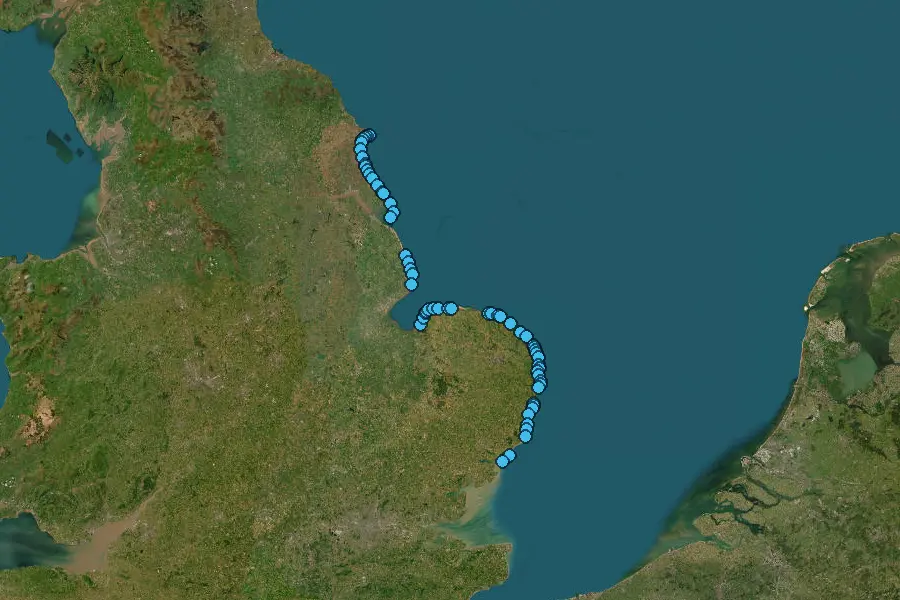
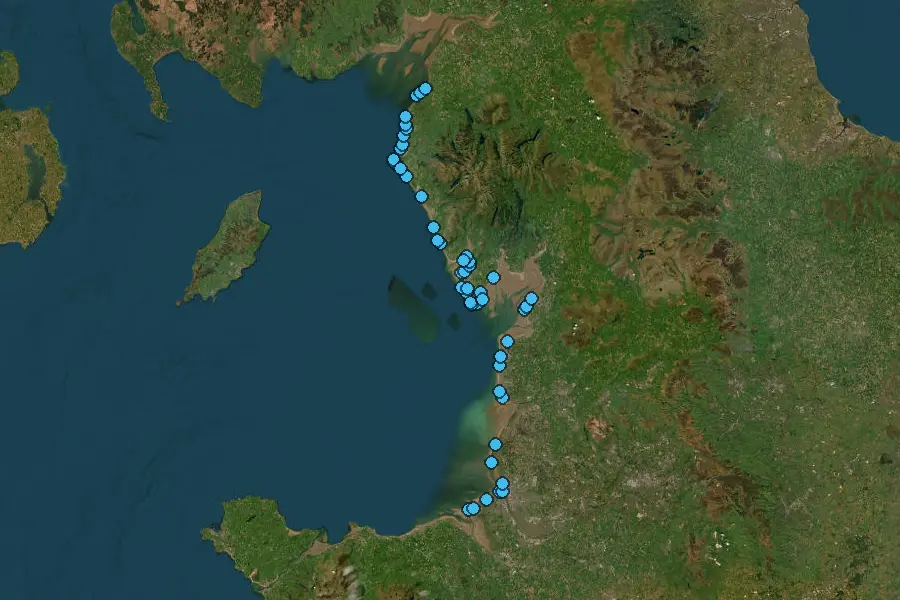
28North East coast fishing spots
61East coast fishing spots
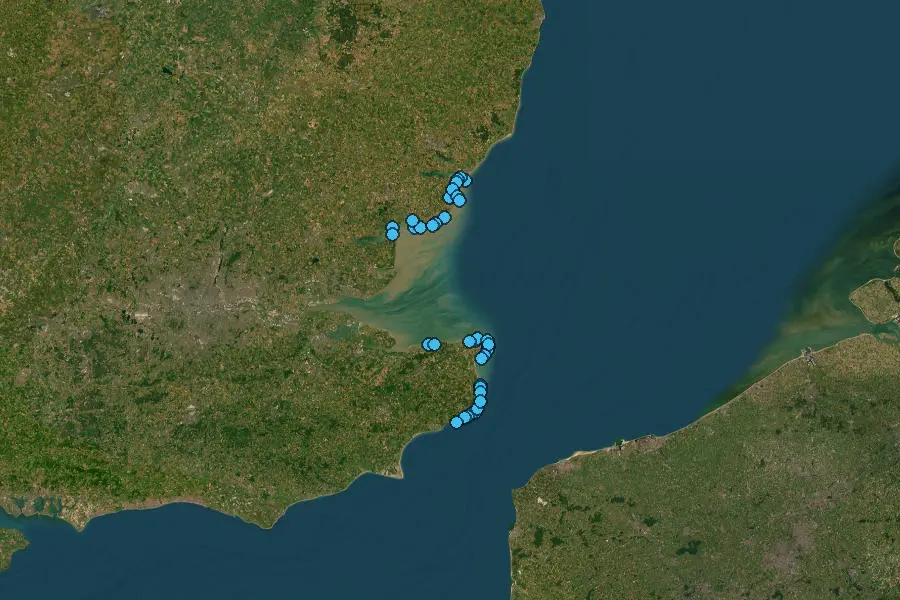
19South East coast fishing spots
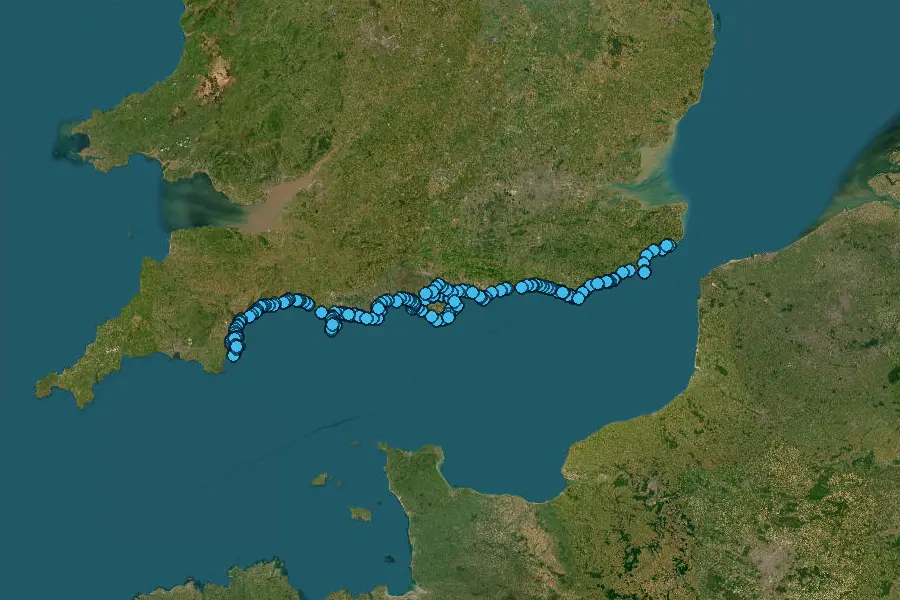
11South coast fishing spots
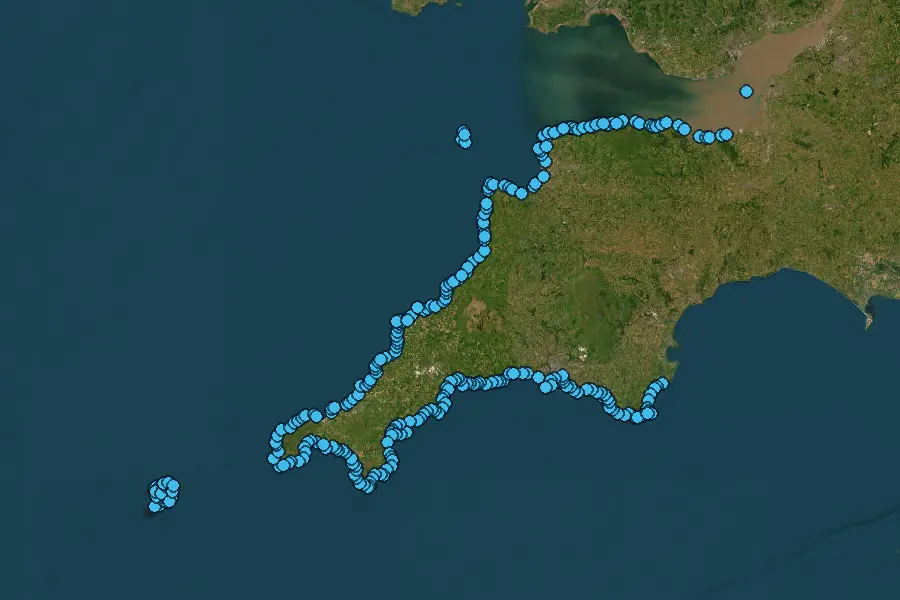
71South West coast fishing spots
143North West coast fishing spots
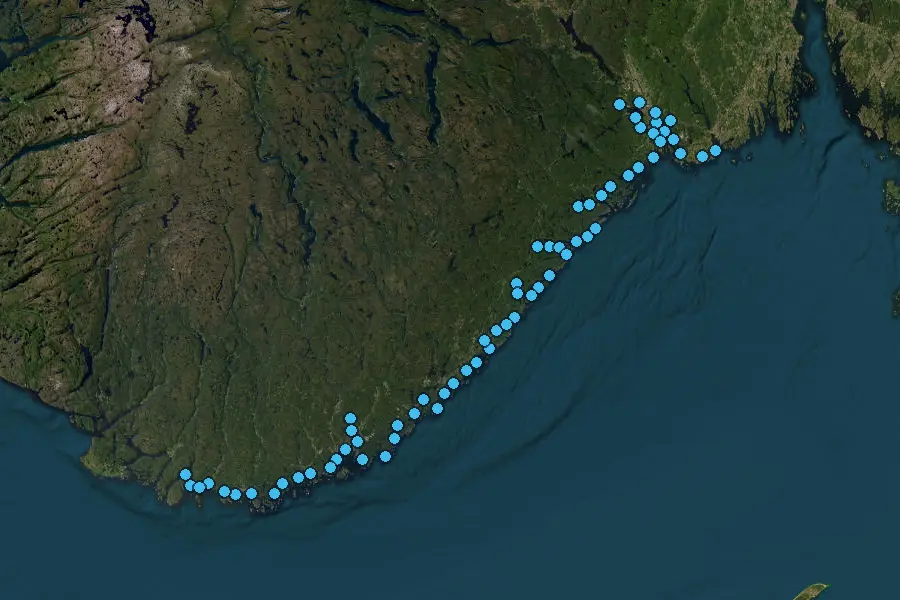
22South coast fishing spots
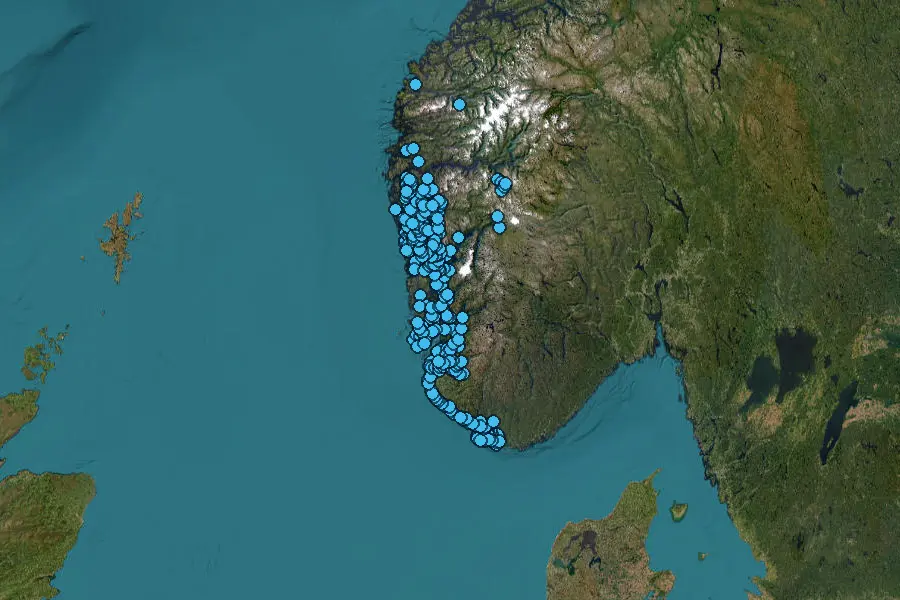
57West coast fishing spots
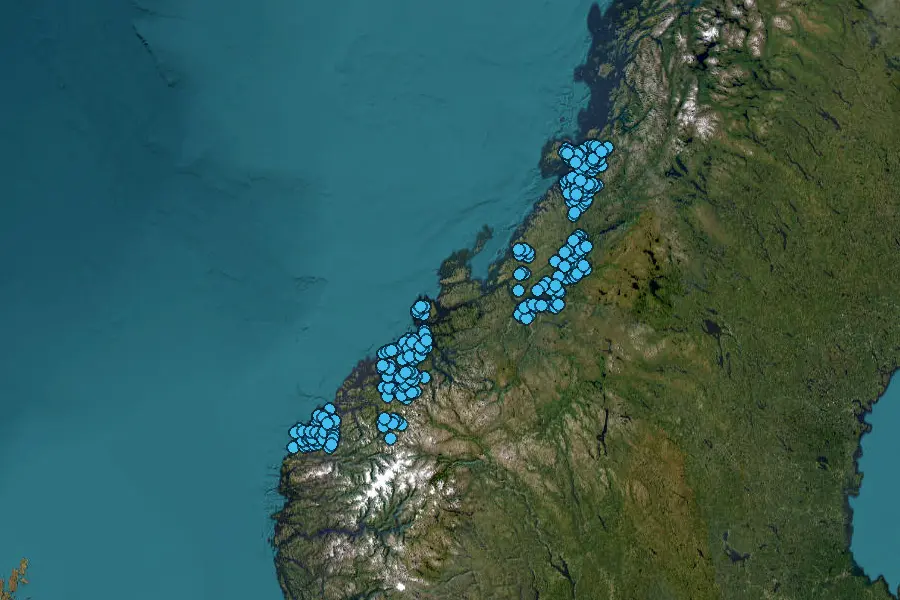
267Møre and Trøndelag coast fishing spots
277Nordland coast fishing spots
175Troms coast fishing spots
120Barents Sea fishing spots
95West coast fishing spots
37North Sea fishing spots
20Kattegat and Skagerrak fishing spots
32Baltic Sea fishing spots
528 fishing grounds
4 fishing grounds
5 fishing grounds
28 fishing grounds
- Back Skerrs Northumberland
- Bally Carrs Northumberland
- Bell Rock North Yorkshire
- Berwick Lighthouse Northumberland
- Birling Carrs Northumberland
- Blackhalls Rocks County Durham
- Black Law Northumberland
- Black Rock (Northumberland) Northumberland
- Corton Cliffs Suffolk · East Suffolk
- Cromer Lighthouse Norfolk · North Norfolk
- Dimlington Cliff East Riding of Yorkshire
- Dunwich Cliffs Suffolk · East Suffolk
- Easton Cliffs Suffolk · East Suffolk
- Gun Hill Norfolk · King's Lynn and West Norfolk
- Happisburgh Lighthouse Norfolk · North Norfolk
- Mappleton Cliff East Riding of Yorkshire
- Colne Bar Essex · Tendring
- Dumpton Point Kent · Thanet
- East Cliffs Essex · Tendring
- Fulsam Rock Kent · Thanet
- Harwich Maritime Museum Essex · Tendring
- North Foreland Kent · Thanet
- Old Parker's Cap Kent · Dover
- Samphire Hoe Kent · Dover
- Armchair Rock Torbay
- Atherfield Rocks Isle of Wight
- Bat's Head Dorset
- Battery Ground Torbay
- Beachy Head East Sussex · Eastbourne
- Bean Rock Isle of Wight
- Berry Head Torbay
- Bran Point Dorset
- Baggy Point Devon · North Devon
- Bass Point Cornwall
- Bellhouse Rock Devon · South Hams
- Bennet Rock Devon · Torridge
- Blackbottle Rock Cornwall
- Black Rock (North Devon) Devon · North Devon
- Blackybale Point Cornwall
- Blue Ben Somerset
- Annaside Banks Cumberland
- Barrow Island Westmorland and Furness
- Blackamoor Ridge Westmorland and Furness
- Brig Stones Cumberland
- Carling Stone Blackpool
- Cunning Point Cumberland
- Fleswick Cumberland
- Heysham Head Lancashire · Lancaster
57 fishing grounds
267 fishing grounds
277 fishing grounds
175 fishing grounds
120 fishing grounds
95 fishing grounds
37 fishing grounds
20 fishing grounds
32 fishing grounds
52 fishing grounds
No fishing ground or region matches your search.
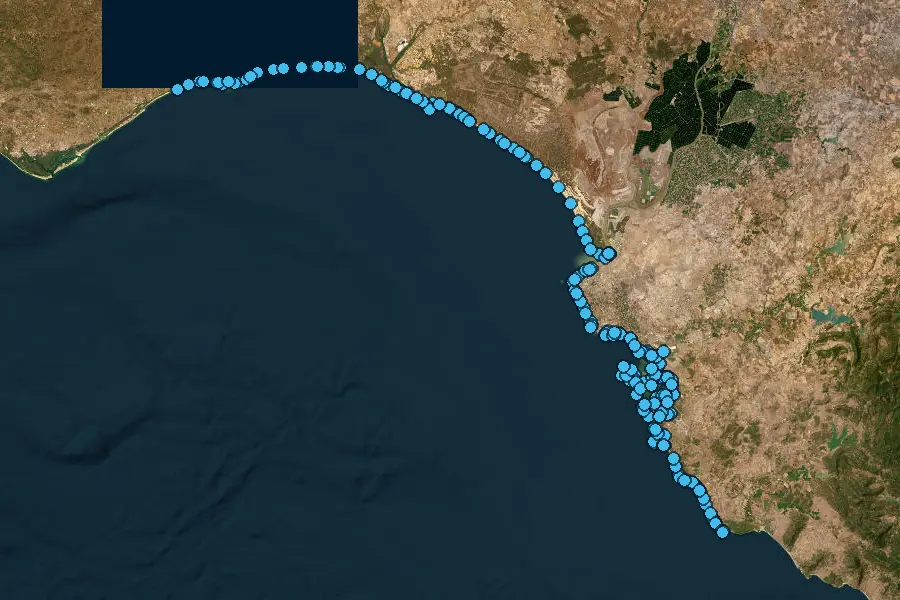
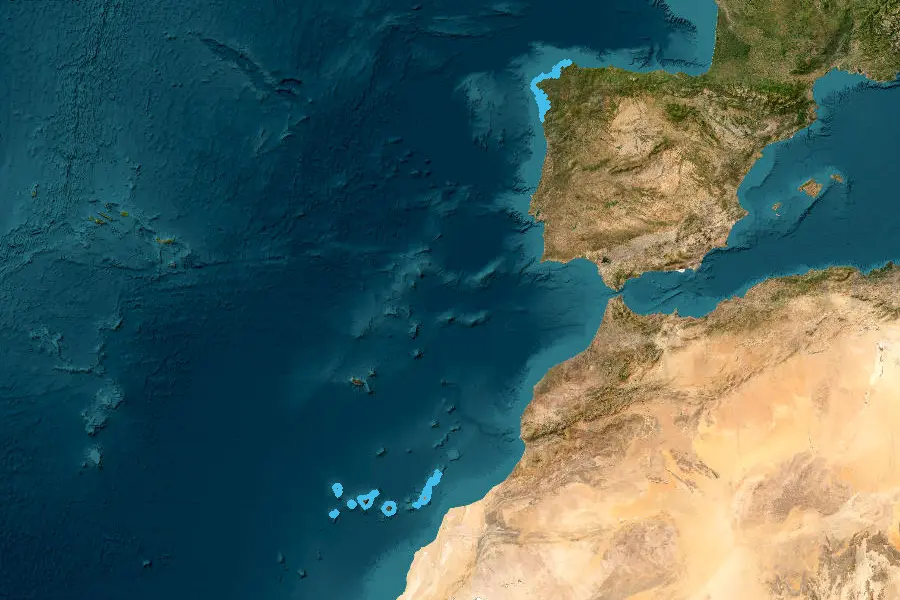
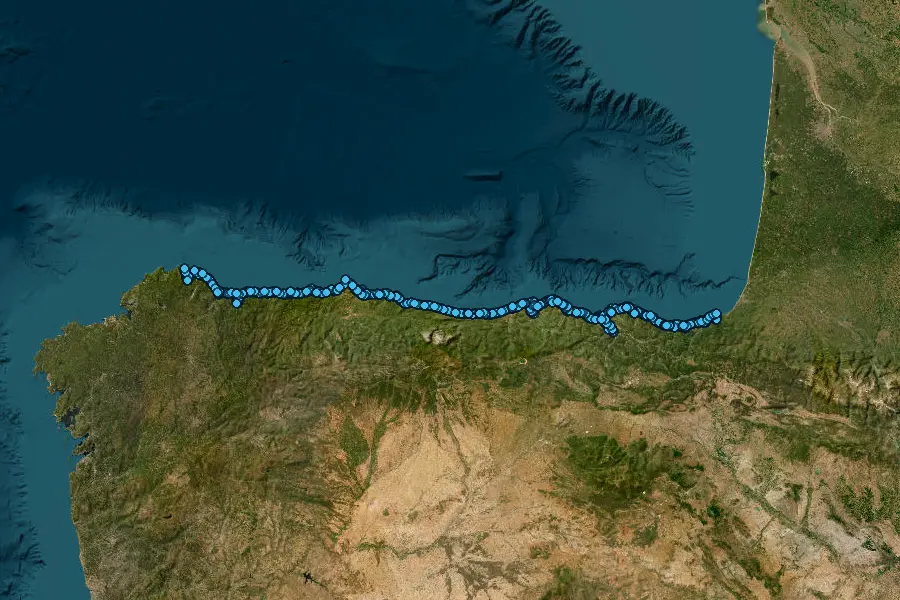
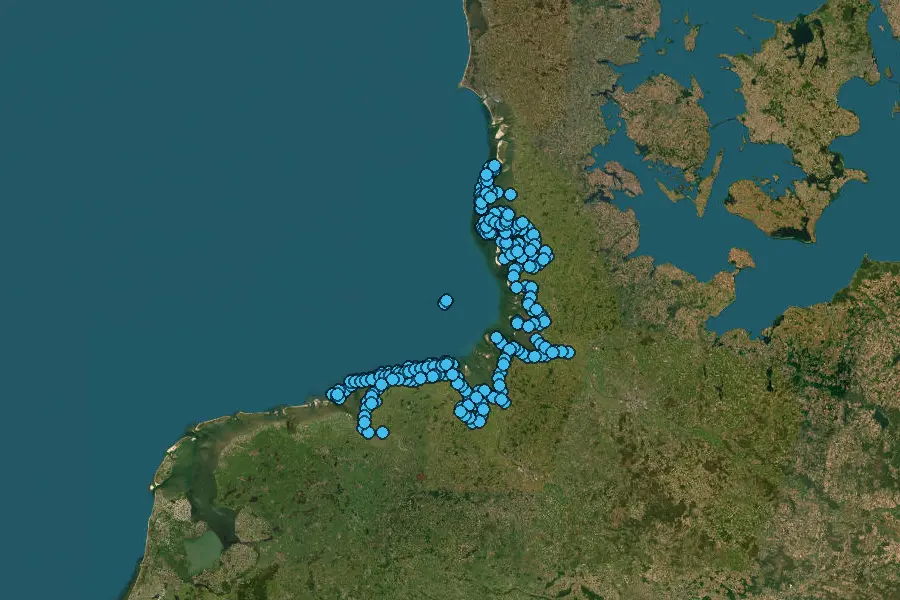
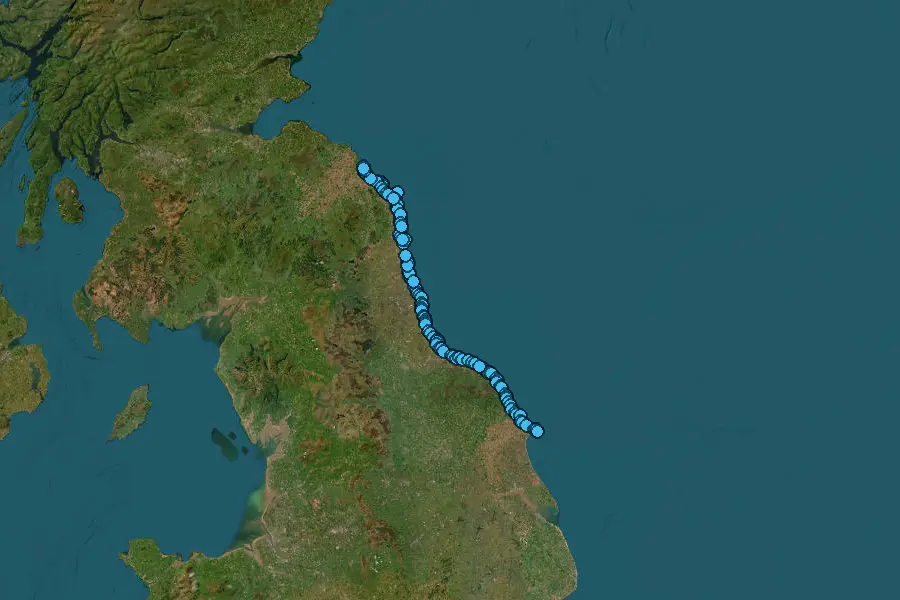
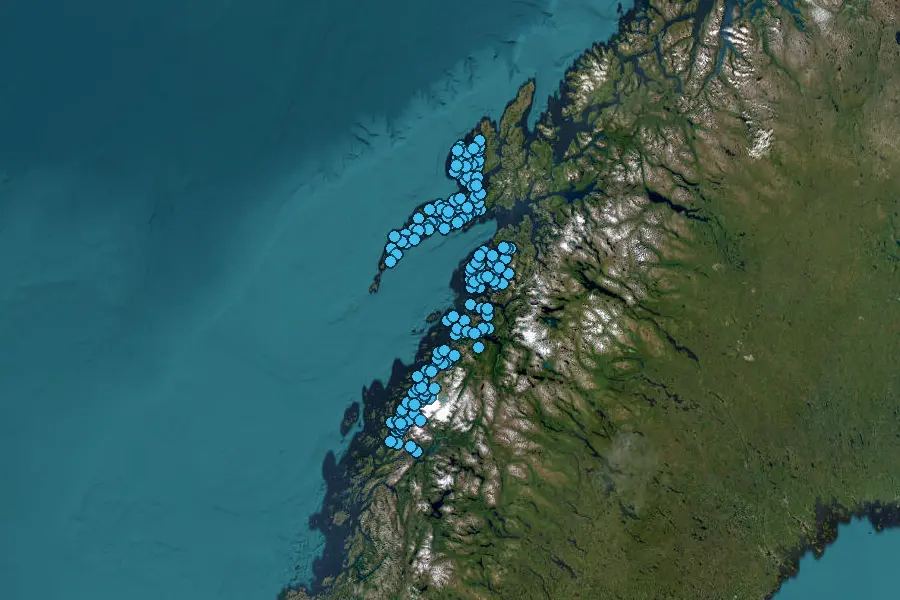
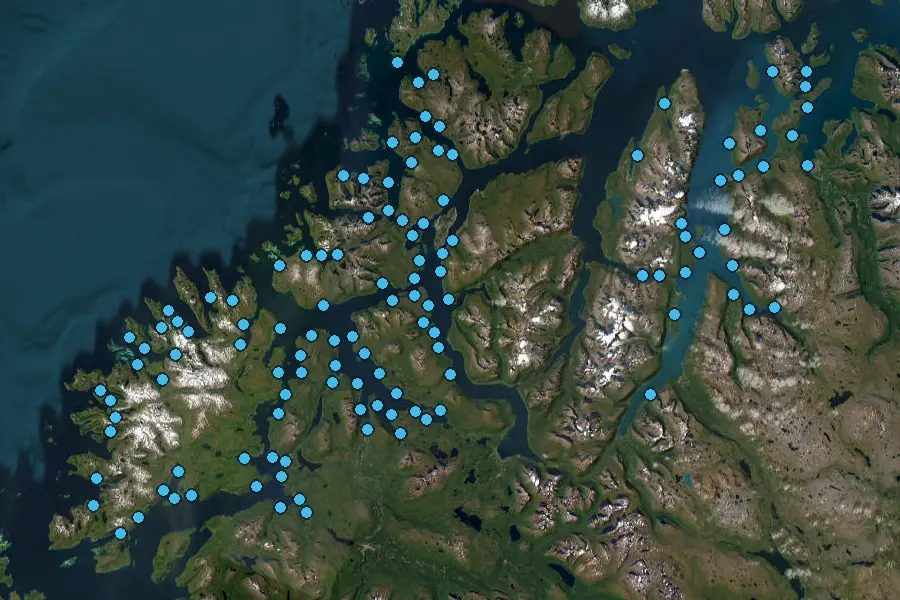
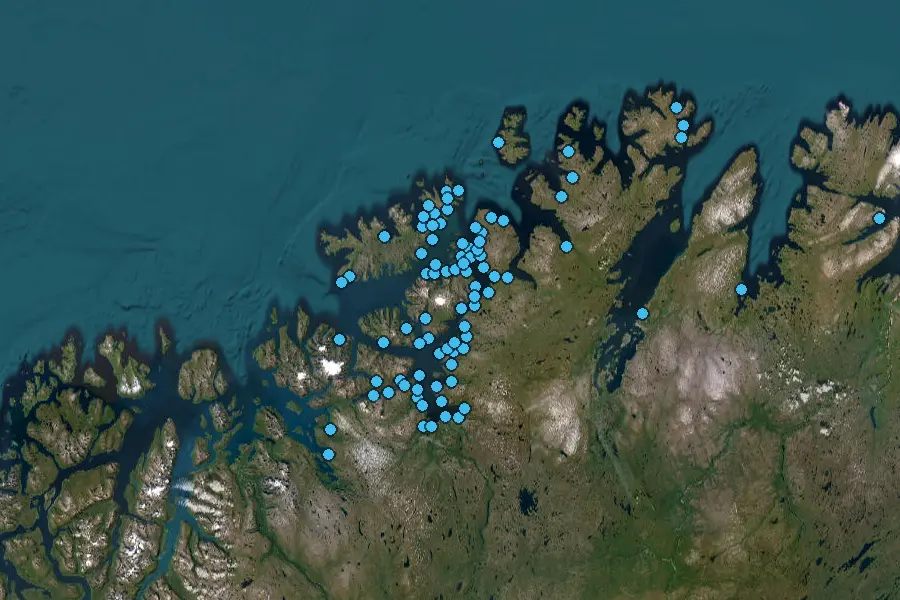
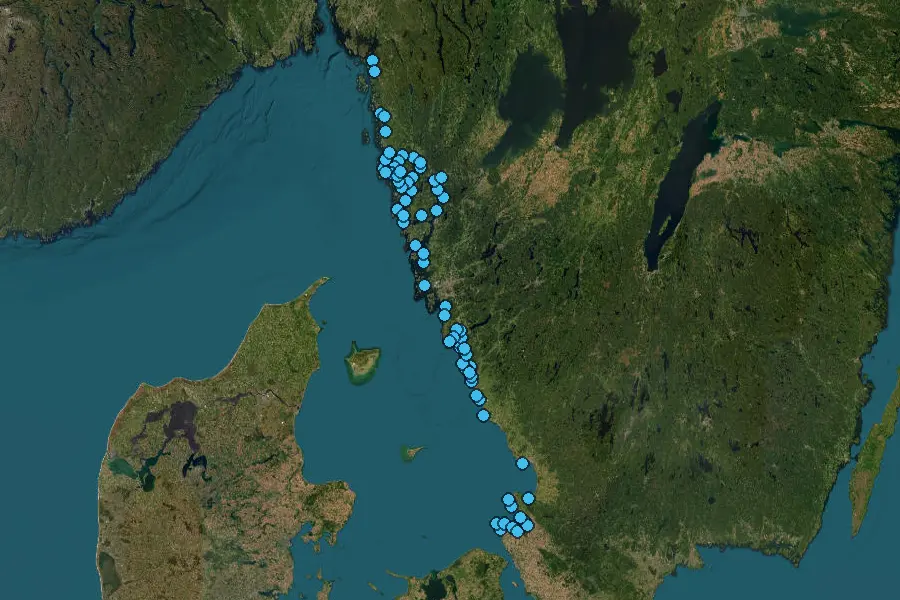
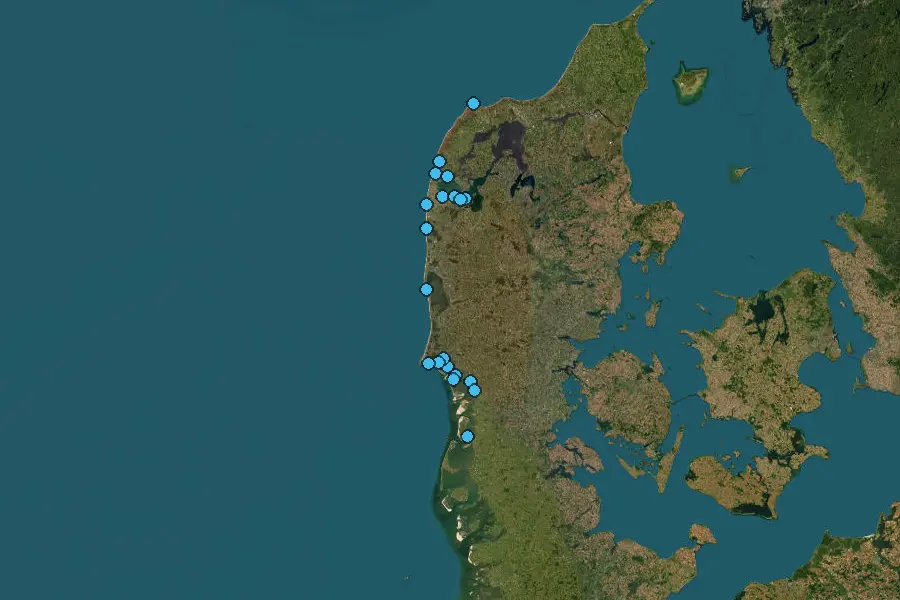
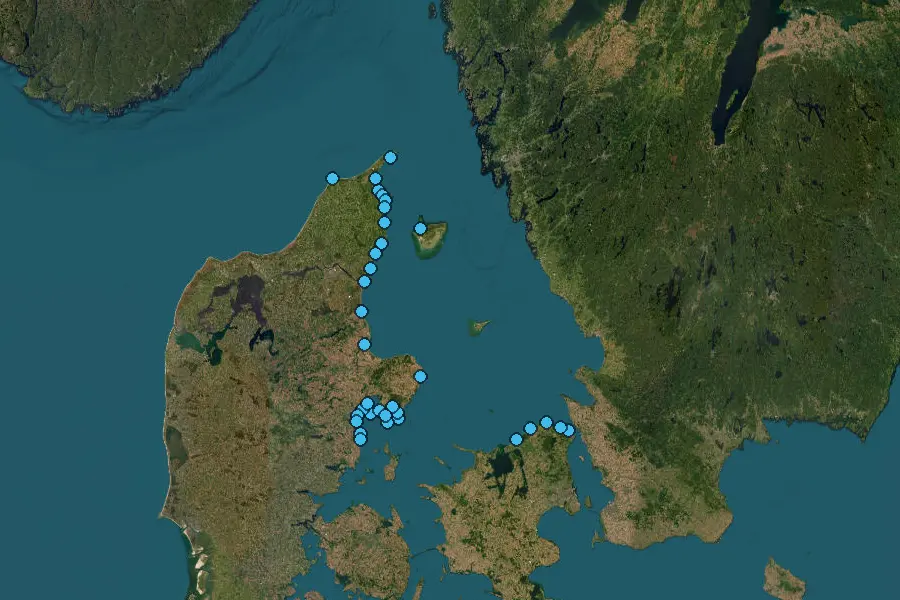
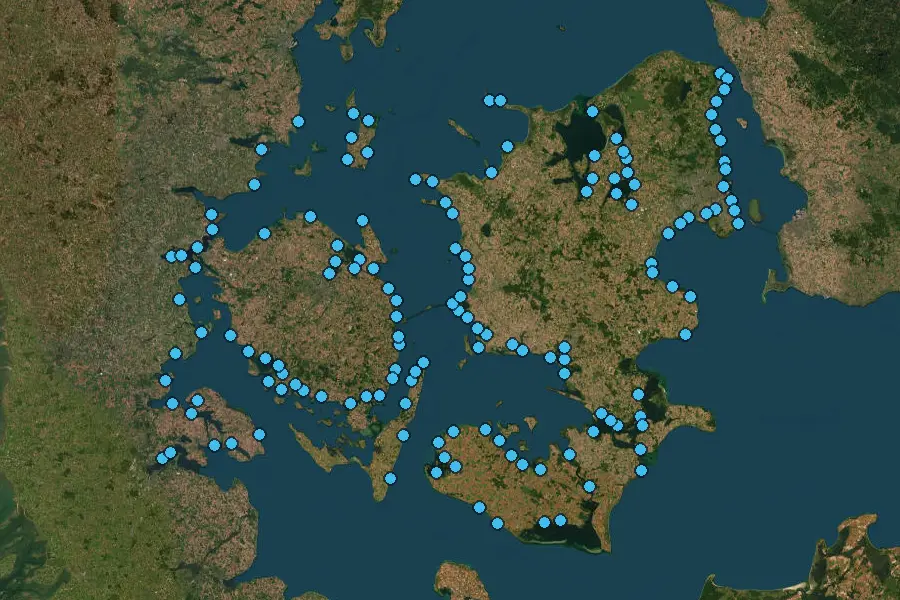
A listed spot is not a guarantee of a catch.
Gulf of Cádiz
Season and suitable conditions
Check the season information for the region you chose.
Peak months: Feb, Mar, Apr, Oct, Nov, Dec
Atlantic Ocean
Season and suitable conditions
Check the season information for the region you chose.
Peak months: Jan, Feb, Mar, Sep, Oct, Nov
Cantabrian Sea
Season and suitable conditions
Check the season information for the region you chose.
Peak months: Jan, Feb, Mar, Sep, Oct, Nov
North Sea
Season and suitable conditions
Recorded all year round in this region; no distinct fishing season shows.
North East coast
Season and suitable conditions
Check the season information for the region you chose.
Peak months: Apr, May, Jun, Jul, Aug, Sep
East coast
Season and suitable conditions
Check the season information for the region you chose.
Peak months: Apr, May, Jun, Jul, Aug, Sep
South East coast
Season and suitable conditions
Check the season information for the region you chose.
Peak months: Apr, May, Jun, Jul, Aug, Sep
South coast
Season and suitable conditions
Check the season information for the region you chose.
Peak months: Apr, May, Jun, Jul, Aug, Sep
South West coast
Season and suitable conditions
Check the season information for the region you chose.
Peak months: Apr, May, Jun, Jul, Aug, Sep
North West coast
Season and suitable conditions
Check the season information for the region you chose.
Peak months: Apr, May, Jun, Jul, Aug, Sep
South coast
Season and suitable conditions
Check the season information for the region you chose.
Peak months: Apr, May, Jun, Jul, Aug, Sep, Oct
West coast
Season and suitable conditions
Check the season information for the region you chose.
Peak months: Apr, May, Jun, Jul, Aug, Sep, Oct
Møre and Trøndelag coast
Season and suitable conditions
Check the season information for the region you chose.
Peak months: Apr, May, Jun, Jul, Aug, Sep, Oct
Nordland coast
Season and suitable conditions
Check the season information for the region you chose.
Peak months: Apr, May, Jun, Jul, Aug, Sep, Oct
Troms coast
Season and suitable conditions
Check the season information for the region you chose.
Peak months: Apr, May, Jun, Jul, Aug, Sep, Oct
Barents Sea
Season and suitable conditions
Check the season information for the region you chose.
Peak months: Apr, May, Jun, Jul, Aug, Sep, Oct
West coast
Season and suitable conditions
Check the season information for the region you chose.
Peak months: May, Jul, Sep, Oct
North Sea
Season and suitable conditions
Check the season information for the region you chose.
Peak months: Apr, May, Jun, Jul, Aug, Sep, Oct
Kattegat and Skagerrak
Season and suitable conditions
Check the season information for the region you chose.
Peak months: Apr, May, Jun, Jul, Aug, Sep, Oct
Baltic Sea
Season and suitable conditions
Check the season information for the region you chose.
There is no season data for this species yet.
Missing data does not mean an unproductive period.
Season information is no guarantee of a catch.
Best times of day
When in the day it bites best, month by month.
- Active at dawn and dusk
- Limited at night
In November
-
Dawn 85
1 h before sunrise → 2 h after
-
Midday 35
1 h before midday → 1 h after
-
Dusk Best 95
2 h before sunset → 1.5 h after
-
Night 45
1 h after sunset → 2 h before sunrise
Moon phase
Effect of the moon on night fishing; the scores compare the phases.
- New moon 55
- First quarter 55
- Full moon 55
- Last quarter 55


Best phase: No clear effect
Windows across 12 months
| Best times of day | JJan | FFeb | MMar | AApr | MMay | JJun | JJul | AAug | SSep | OOct | NNov | DDec |
|---|---|---|---|---|---|---|---|---|---|---|---|---|
| Dawn | 85 | 85 | 85 | 85 | 85 | 85 | 85 | 85 | 85 | 85 | 85 | 85 |
| Midday | 35 | 35 | 35 | 35 | 35 | 35 | 35 | 35 | 35 | 35 | 35 | 35 |
| Dusk | 95 | 95 | 95 | 95 | 95 | 95 | 95 | 95 | 95 | 95 | 95 | 95 |
| Night | 45 | 45 | 45 | 45 | 45 | 45 | 45 | 45 | 45 | 45 | 45 | 45 |
Windows follow sunrise and sunset; clock times change with place and date. Scores are relative within the month: 100 is the best window of the day.
3 sources · confidence medium
Habitat
Where it lives and in what kind of water: ranges compiled by the research.
Depth
0–200 m
mostly 40–100 m
Water temperature
9–21 °C
ideal 12–15 °C
Salinity
Full-strength seawater
20–37.5 ‰
Shore types
- Sandy beach
- Cove / inner bay
- Rocky shore
- Breakwater / jetty
- Pier / quay
- Headland
- Mixed shore
- River / stream mouth
- Inside harbours
- Cliff / steep shore
- Harbour mouth
- Strait shore
- Reclaimed shore
- Shoal / reef
Bottom
Lives close to the bottom
- Sand
- Rock
- Seaweed
Ranges from FishBase, AquaMaps and the literature; a general tendency, not a hard limit.
Confidence: shore type medium, temperature high
Bait and tackle suggestions
Recorded baits and fishing techniques.
Bait by month
Baits documented for shore fishing, month by month and by water clarity.
In November
Lures
By water clarity
Inshore / reef predator — Semi-pelagic; ambushes and chases. Good eyesight and a strong lateral line; takes both kinds of bait.
- Clear Visibility: over 8 m
- Lure First natural bait: Ragworm · Very suitable Usually in this water: Live shrimp or a live small fish; thin leader; dawn, dusk and night first. First lure: Fly · Very suitable Usually in this water: Natural-coloured soft shad/minnow, LRF, slim hard lure; slow and natural. Colour: Natural brown, Silver, Clear
- Slightly coloured Visibility: 4–8 m
- Lure First natural bait: Ragworm · Very suitable Usually in this water: Live shrimp or worm, fresh sardine pieces. First lure: Fly · Very suitable Usually in this water: Hard minnow, jighead + shad, stickbait. Colour: White, Silver, Blue-green back
- Moderately coloured Visibility: 2–4 m
- Lure first, natural also works First natural bait: Ragworm · Very suitable Usually in this water: Live shrimp or worm, or a piece of oily fish; one size bigger. First lure: Spinner · Very suitable Usually in this water: Paddle-tail shad, vibe, spinner; vibration first. Colour: White, Fluorescent, Gold
- Murky Visibility: 1–2 m
- Natural first, lures also work First natural bait: Ragworm · Suitable Usually in this water: Bloodworm, crab, cut bait; on the bottom or at mid-depth; chum. First lure: Spinner · Very suitable Usually in this water: Rattling vibe, scented soft plastic; near the bottom, slow. Colour: Dark silhouette, Red, Fluorescent
- Very murky Visibility: under 1 m
- Natural bait First natural bait: Sand eel · Suitable Usually in this water: The strongest scent: fish guts, cut mackerel or sardine, mussel; big pieces. First lure: Spinner · Weak Usually in this water: Not recommended; if you must, scented and rattling. Colour: Dark silhouette
12-month bait calendar
- January
- Natural baits: Sand eel, Ragworm, Mackerel Lures: Jighead + shad, Hard minnow, Spinner, Fly
- February
- Natural baits: Sand eel, Ragworm, Mackerel Lures: Jighead + shad, Hard minnow, Spinner, Fly
- March
- Natural baits: Sand eel, Ragworm, Mackerel Lures: Jighead + shad, Hard minnow, Spinner, Fly
- April
- Natural baits: Sand eel, Ragworm, Mackerel Lures: Jighead + shad, Hard minnow, Spinner, Fly
- May
- Natural baits: Sand eel, Ragworm, Mackerel Lures: Jighead + shad, Hard minnow, Spinner, Fly
- June
- Natural baits: Sand eel, Ragworm, Mackerel Lures: Jighead + shad, Hard minnow, Spinner, Fly
- July
- Natural baits: Sand eel, Ragworm, Mackerel Lures: Jighead + shad, Hard minnow, Spinner, Fly
- August
- Natural baits: Sand eel, Ragworm, Mackerel Lures: Jighead + shad, Hard minnow, Spinner, Fly
- September
- Natural baits: Sand eel, Ragworm, Mackerel Lures: Jighead + shad, Hard minnow, Spinner, Fly
- October
- Natural baits: Sand eel, Ragworm, Mackerel Lures: Jighead + shad, Hard minnow, Spinner, Fly
- November
- Natural baits: Sand eel, Ragworm, Mackerel Lures: Jighead + shad, Hard minnow, Spinner, Fly
- December
- Natural baits: Sand eel, Ragworm, Mackerel Lures: Jighead + shad, Hard minnow, Spinner, Fly
This is the usual pattern; the water and weather on the day can change it. Colour is fine-tuning: bait type, size and action come first. Confidence: natural medium, lures high. Colour and presentation guide
Fishing rules
The regulation holds no separate minimum size or closed season entry for this species. The provisions for Türkiye as a whole apply.
Before you go, check local area and method restrictions.
Species profile
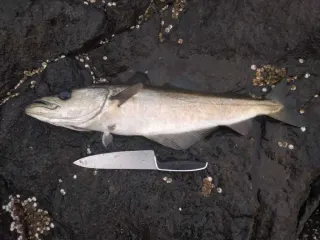
- Scientific name
- Pollachius pollachius
- Water type
- Saltwater
- Other names
- Abadejo
Frequently asked questions
Which seas is Pollack found in?
In our records Pollack appears in these seas: Atlantic Ocean — Spain, Cantabrian Sea — Spain, Gulf of Cádiz — Spain, North East coast — England, East coast — England, South East coast — England, South coast — England, South West coast — England, North West coast — England, North Sea — Germany, South coast — Norway, West coast — Norway, Møre and Trøndelag coast — Norway, Nordland coast — Norway, Troms coast — Norway, Barents Sea — Norway, West coast — Sweden, North Sea — Denmark, Kattegat and Skagerrak — Denmark.
In which months is Pollack at its peak?
Peak periods by sea: Gulf of Cádiz — Spain February, March, April, October, November, December; Atlantic Ocean — Spain January, February, March, September, October, November; Cantabrian Sea — Spain January, February, March, September, October, November; North Sea — Germany all year; North East coast — England April–September; East coast — England April–September; South East coast — England April–September; South coast — England April–September; South West coast — England April–September; North West coast — England April–September; South coast — Norway April–October; West coast — Norway April–October; Møre and Trøndelag coast — Norway April–October; Nordland coast — Norway April–October; Troms coast — Norway April–October; Barents Sea — Norway April–October; West coast — Sweden May, July, September, October; North Sea — Denmark April–October; Kattegat and Skagerrak — Denmark April–October.
Similar species