
















Sea fish
Peacock wrasse
Symphodus tinca
Get to know the species, pick your region, find your spot.
Other names: Lapin · Yeşil lapin

- Habitat
- Weedy · rocky
- Method
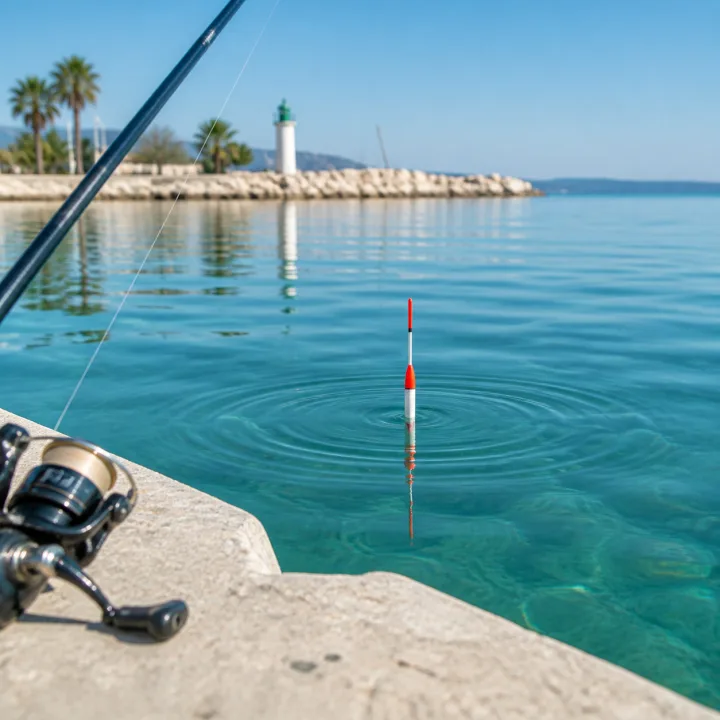
- LRF · Float fishing
- Family
- Labridae
Choose your region
The information changes with the region you choose.
Where is Peacock wrasse caught?
Explore the regions or go straight to the map.
Ionian Sea fishing spots
2Adriatic fishing spots
1Bay of Vlorë fishing spots
4Sea of Marmara fishing spots
Aegean Sea fishing spots
Mediterranean fishing spots
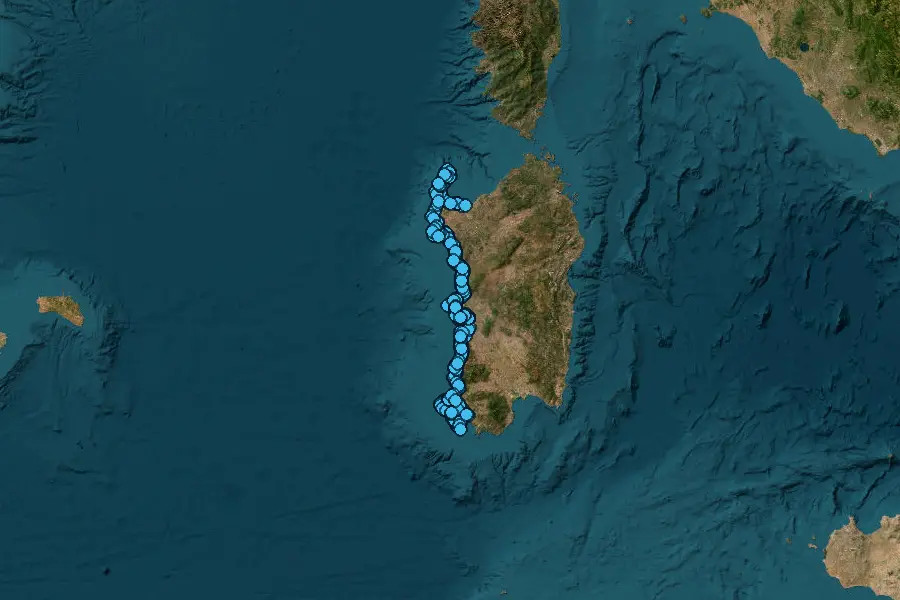
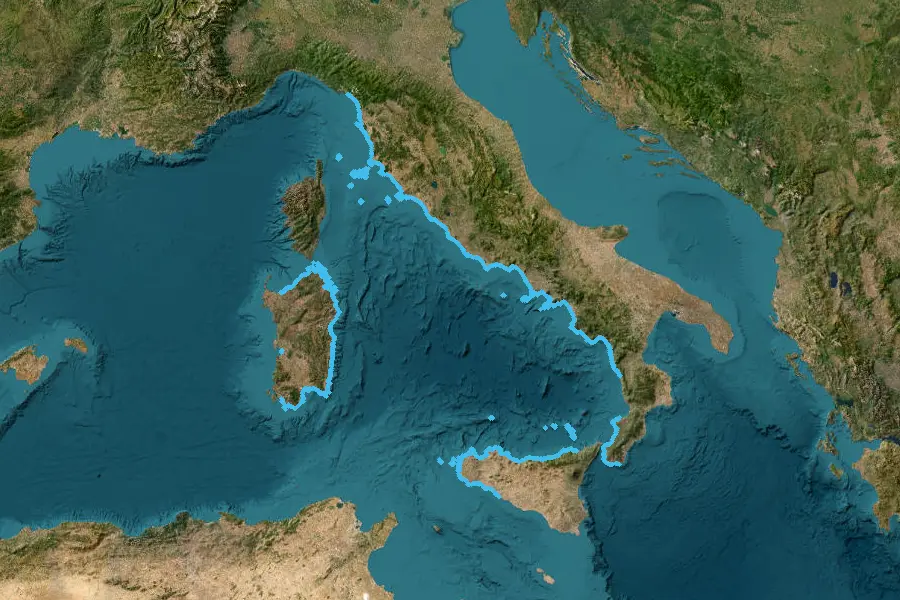
Sardinian Sea fishing spots
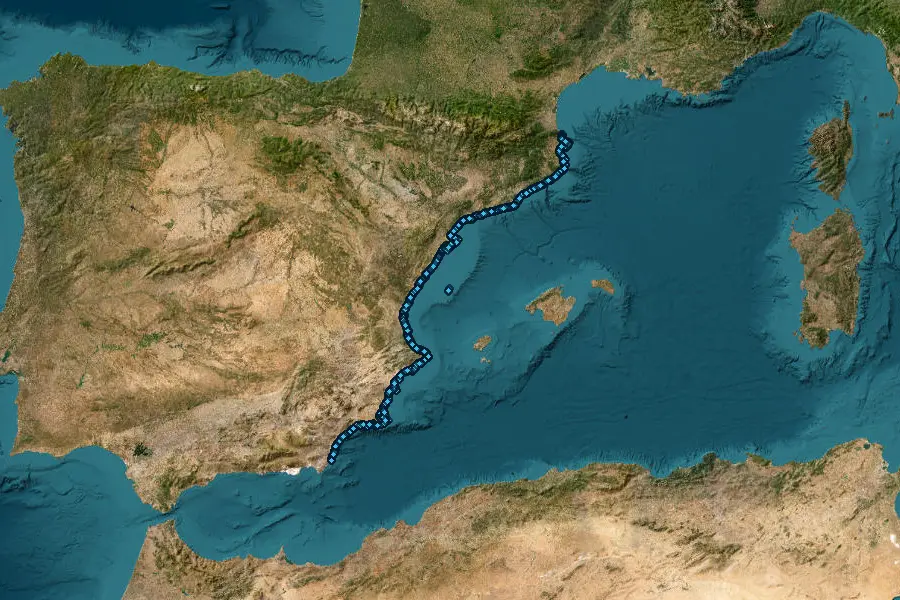
34Mediterranean fishing spots
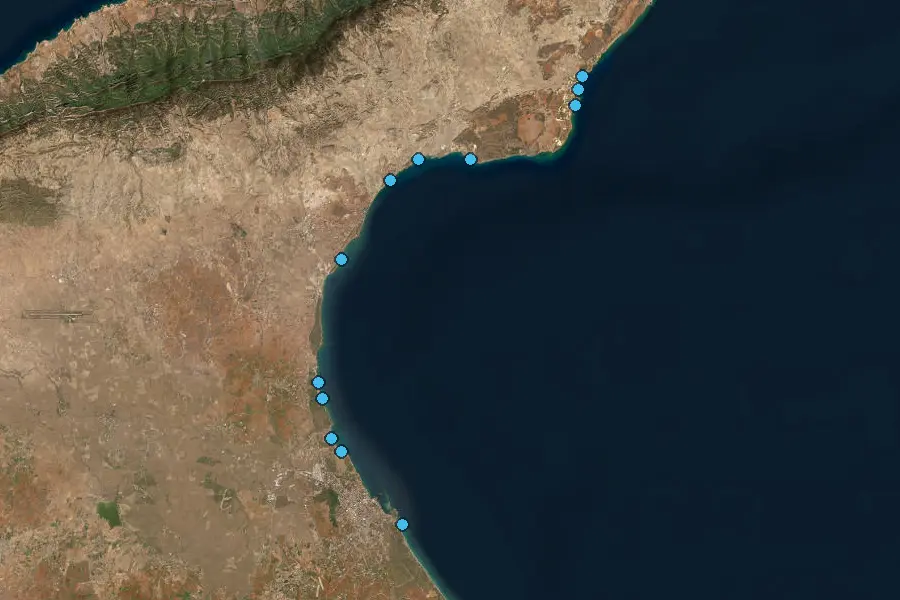
63Famagusta–İskele fishing spots
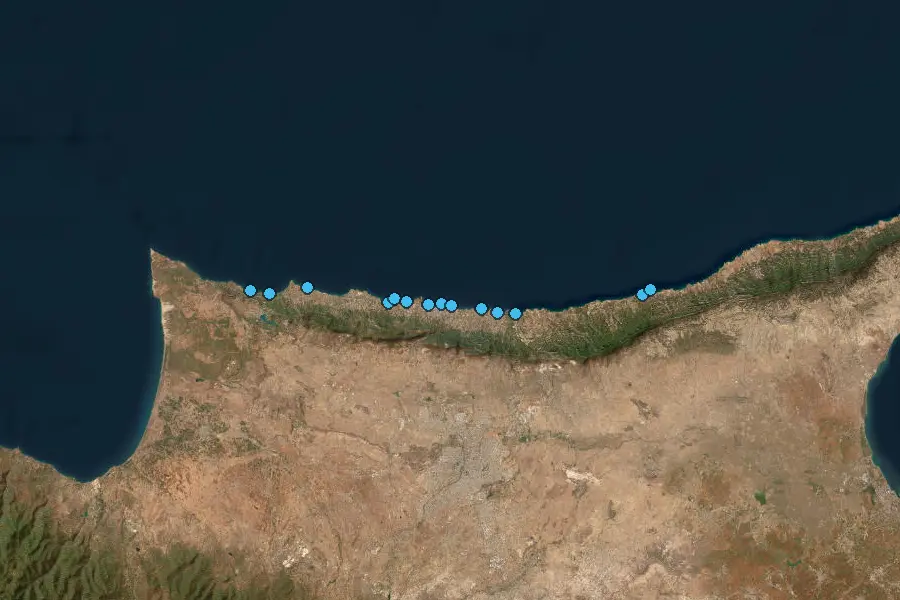
12Güzelyurt Bay fishing spots
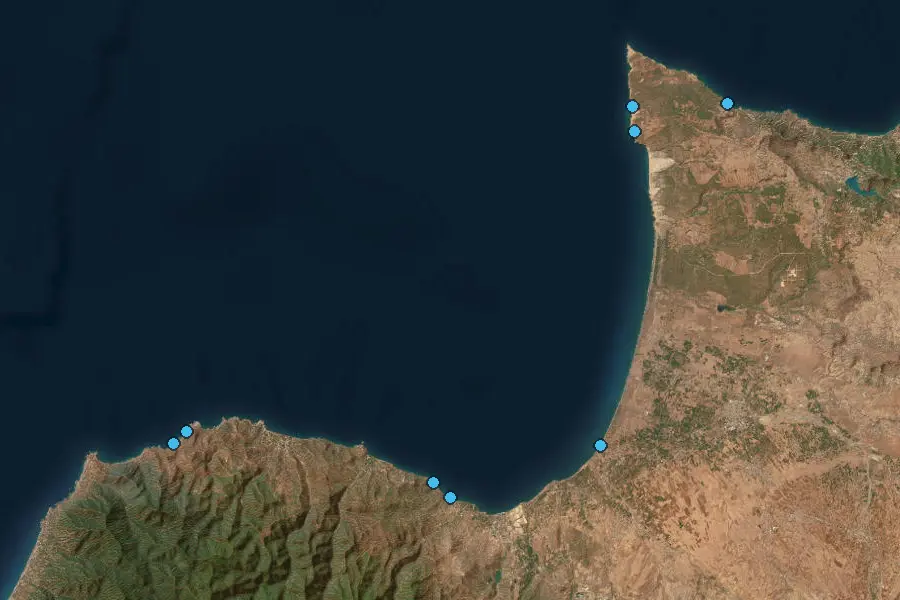
8Kyrenia north coast fishing spots
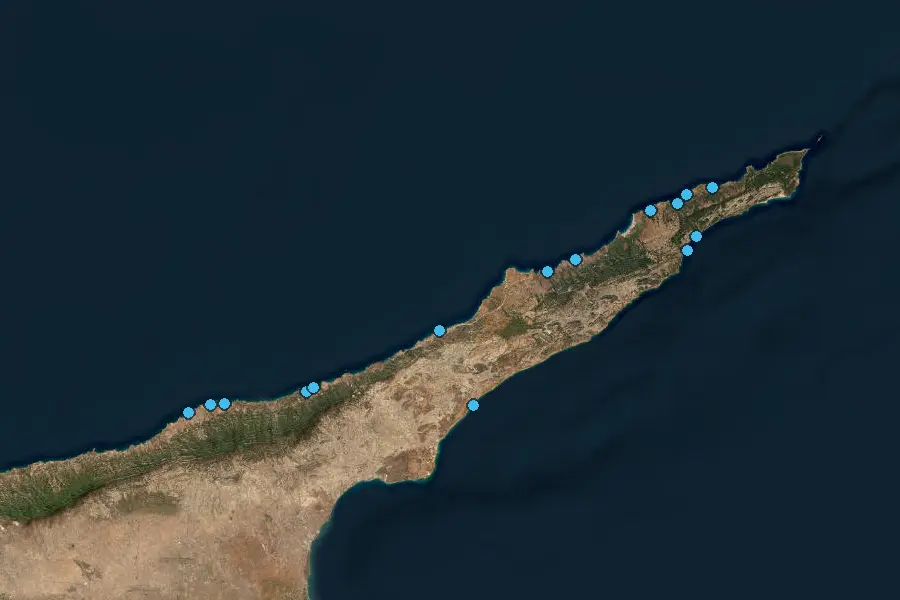
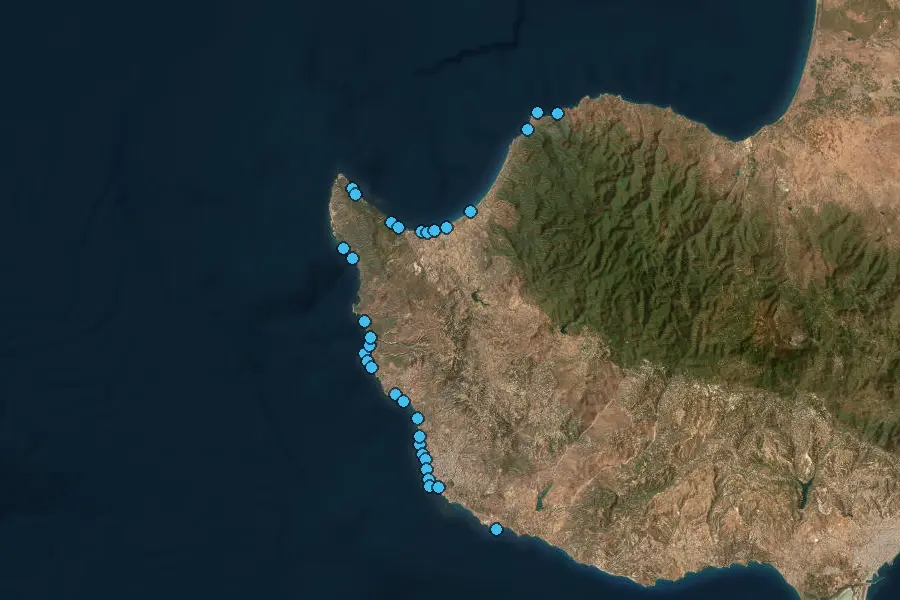
14Karpas Peninsula fishing spots
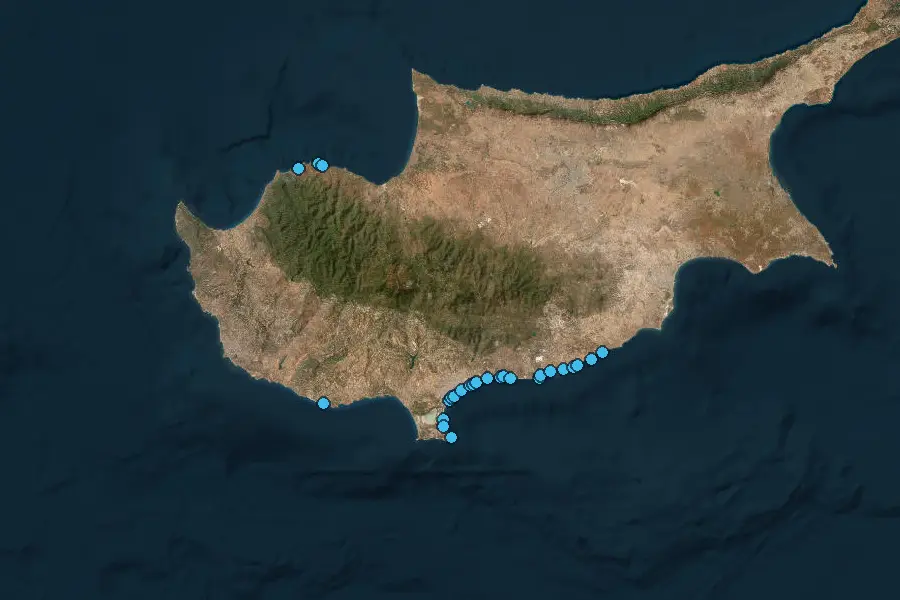
15Paphos–Limassol south coast fishing spots
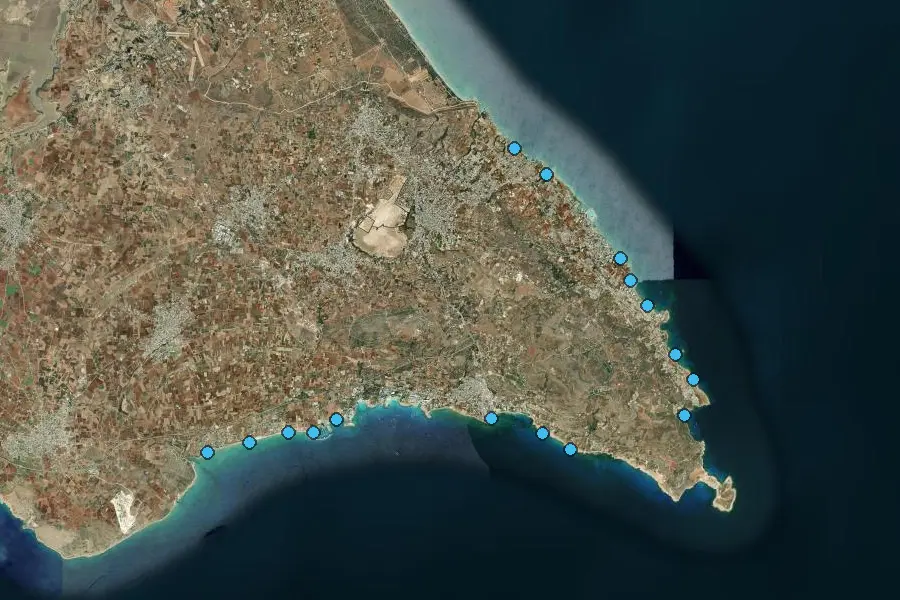
26Ayia Napa–Protaras fishing spots
16Akamas–Paphos west coast fishing spots
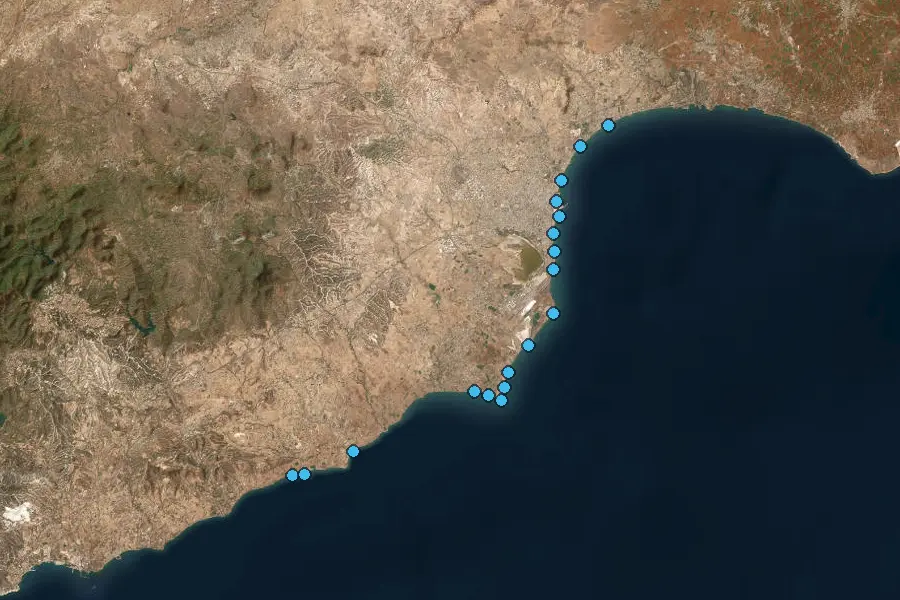
32Larnaca southeast coast fishing spots
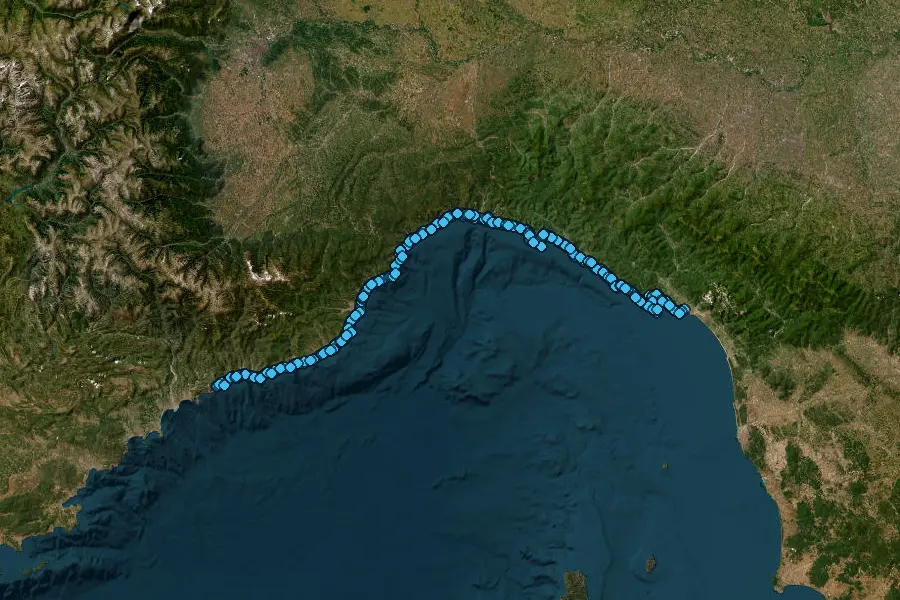
18Ligurian Sea fishing spots
18Tyrrhenian Sea fishing spots
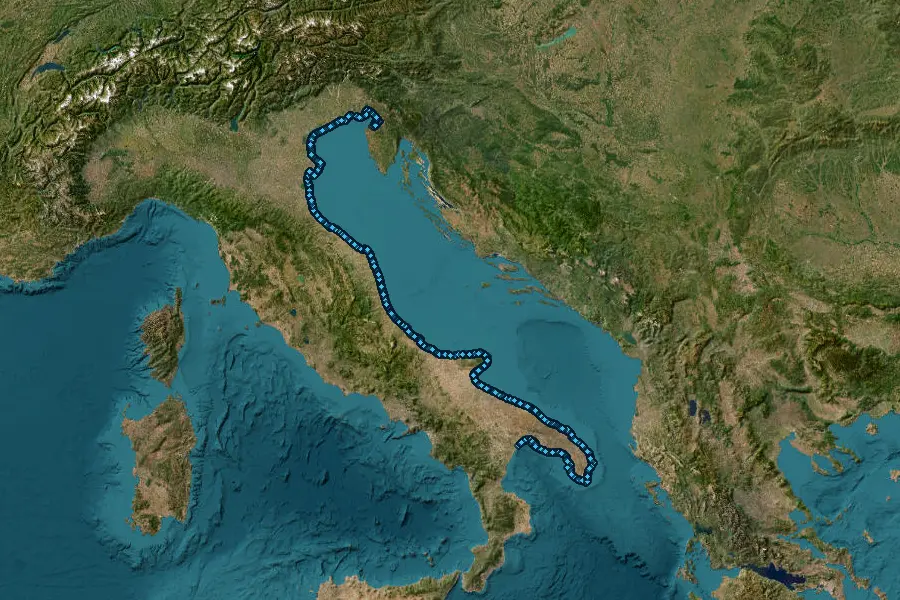
183Adriatic fishing spots
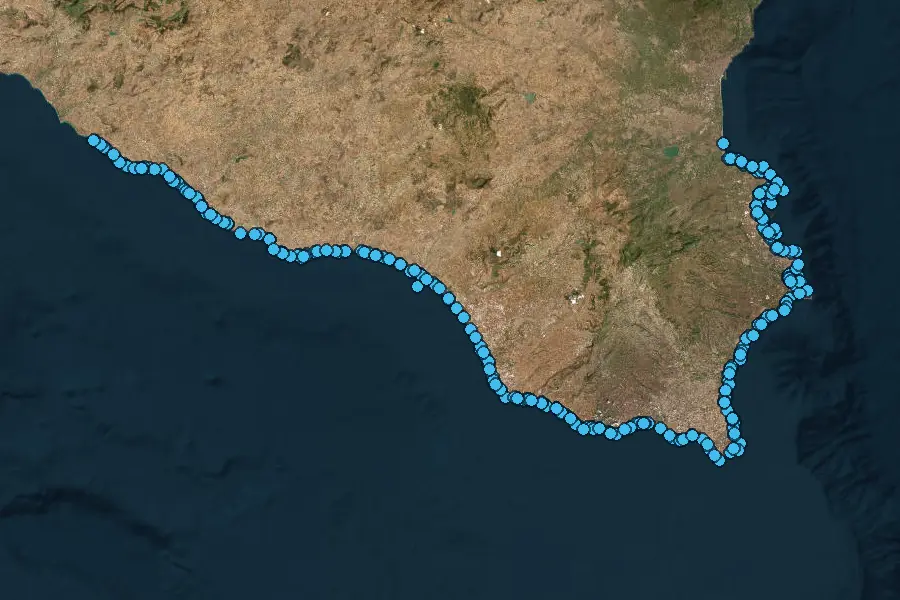
111Strait of Sicily fishing spots
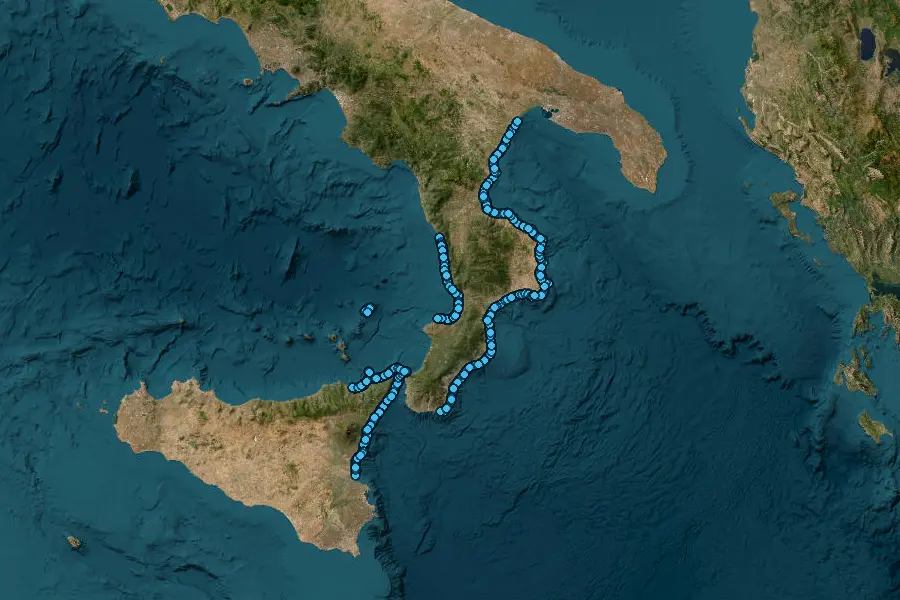
29Ionian Sea fishing spots
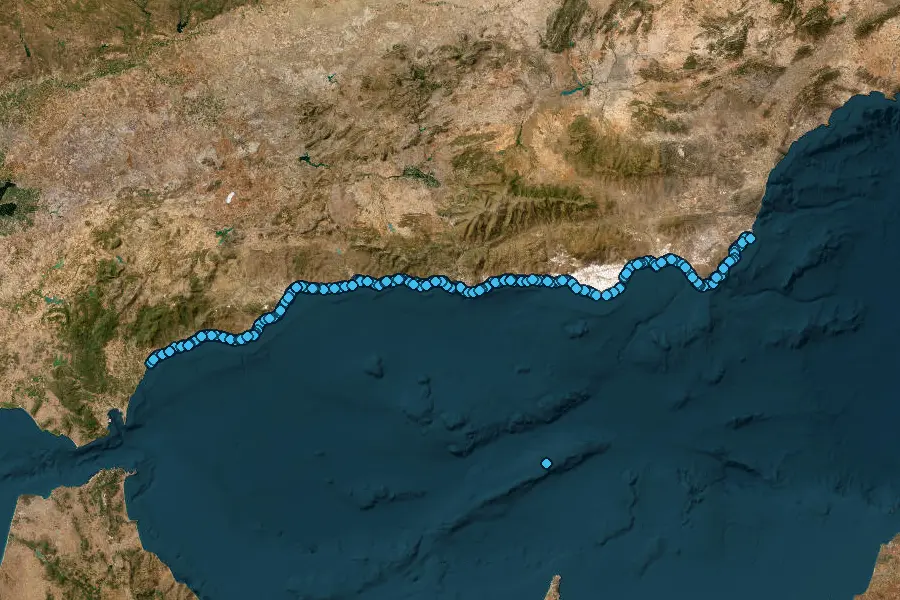
61Alboran Sea fishing spots
25Strait of Gibraltar fishing spots
16Gulf of Cádiz fishing spots
17Cantabrian Sea fishing spots
31Atlantic Ocean fishing spots
37Balearic Sea fishing spots
50Bay of Kotor fishing spots
16Adriatic coast fishing spots
132 fishing grounds
1 fishing ground
4 fishing grounds
No site-level records in this region; the information is at region level.
No site-level records in this region; the information is at region level.
No site-level records in this region; the information is at region level.
- Porto Torres · rocky cliff sector Sassari · Porto Torres
- Riu S'Attentu Oristano · Cuglieri
- Alghero · pier sector Sassari · Alghero
- Arbus · pier sector Medio Campidano · Arbus
- Buggerru · river mouth sector Sulcis Iglesiente · Buggerru
- Cabras · beach sector Oristano · Cabras
- Cabras · beach sector 2 Oristano · Cabras
- Calasetta · river mouth sector Sulcis Iglesiente · Calasetta
63 fishing grounds
12 fishing grounds
8 fishing grounds
14 fishing grounds
15 fishing grounds
26 fishing grounds
16 fishing grounds
32 fishing grounds
18 fishing grounds
- Ventimiglia · river mouth sector Imperia · Ventimiglia
- Fiume Centa Savona · Albenga
- Fiume Magra La Spezia · Sarzana
- Lerici · river mouth sector La Spezia · Lerici
- Portovenere · river mouth sector La Spezia · Portovenere
- Rio Armea Imperia · Taggia
- Rio Bordella Savona · Finale Ligure
- Rio Borghi Genova · Camogli
- Campo nell'Elba · rocky cliff sector Livorno · Campo nell'Elba
- Canale di Mezzanotte Salerno · Sapri
- Capoliveri · river mouth sector Livorno · Capoliveri
- Capraia Isola · river mouth sector Livorno · Capraia Isola
- Castiglione della Pescaia · rocky cliff sector Grosseto · Castiglione della Pescaia
- Grosseto · rocky cliff sector Grosseto
- Livorno · rocky cliff sector Livorno
- Lumia Vibo Valentia · Tropea
- Duino Aurisina-Devin Nabrežina · canal mouth sector Trieste · Duino Aurisina-Devin Nabrežina
- Gagliano del Capo · river mouth sector Lecce · Gagliano del Capo
- Vieste · river mouth sector 2 Foggia · Vieste
- Adige Venezia · Chioggia
- Biferno Campobasso · Termoli
- Bisceglie · breakwater sector Barletta-Andria-Trani · Bisceglie
- Bocca di Porto di Lido Venezia · Cavallino-Treporti
- Brindisi · beach sector 2 Brindisi
- Augusta · rocky cliff sector Siracusa · Augusta
- Lampedusa e Linosa · rocky cliff sector 2 Agrigento · Lampedusa e Linosa
- Agrigento · river mouth sector Agrigento
- Cava di Mistretta Ragusa · Santa Croce Camerina
- Fiume Asinaro Siracusa · Avola
- Fiume Cassibile Siracusa
- Fiume Palma Agrigento · Palma di Montechiaro
- Fiume San Leonardo Siracusa · Augusta
- Acireale · river mouth sector Catania · Acireale
- Amantea · river mouth sector Cosenza · Amantea
- Assi Reggio Calabria · Monasterace
- Basento Matera · Pisticci
- Belcastro · river mouth sector Catanzaro · Belcastro
- Bradano Matera · Bernalda
- Briatico · river mouth sector Vibo Valentia · Briatico
- Canale Buttaceto Catania
25 fishing grounds
16 fishing grounds
17 fishing grounds
31 fishing grounds
37 fishing grounds
50 fishing grounds
16 fishing grounds
13 fishing grounds
No fishing ground or region matches your search.
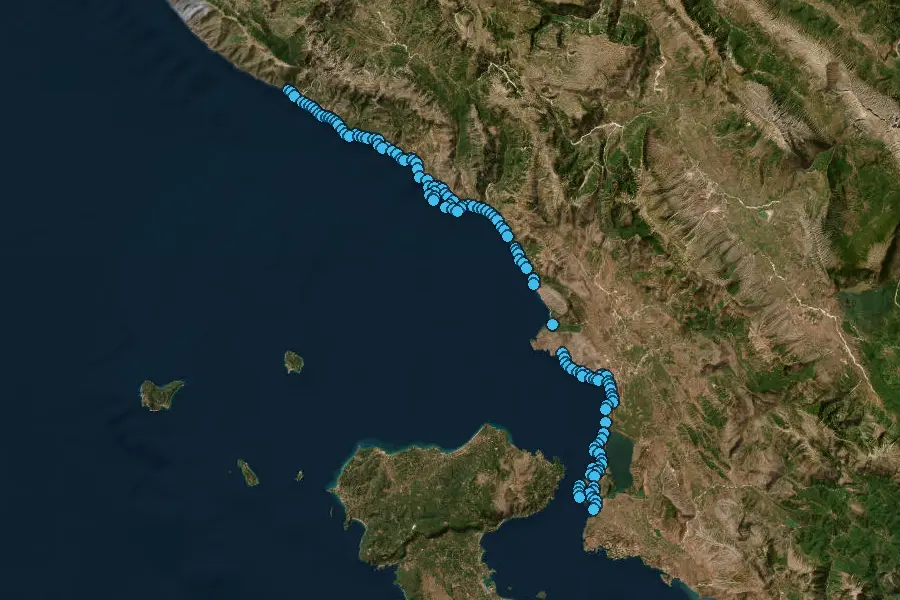
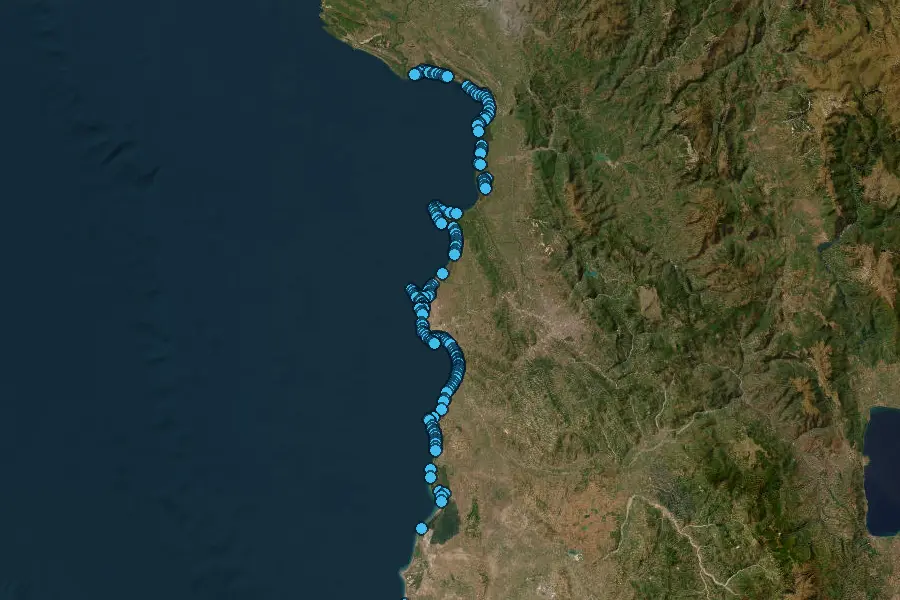
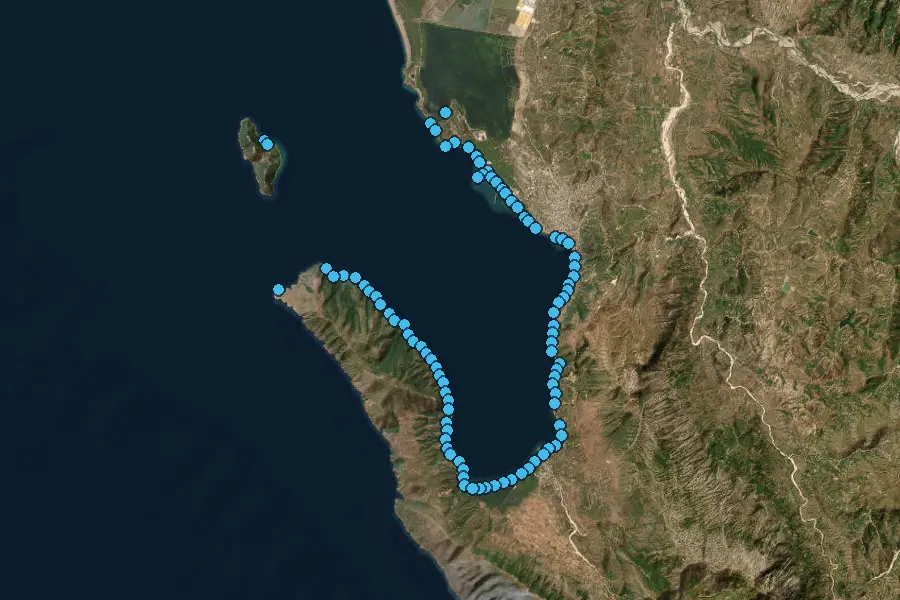


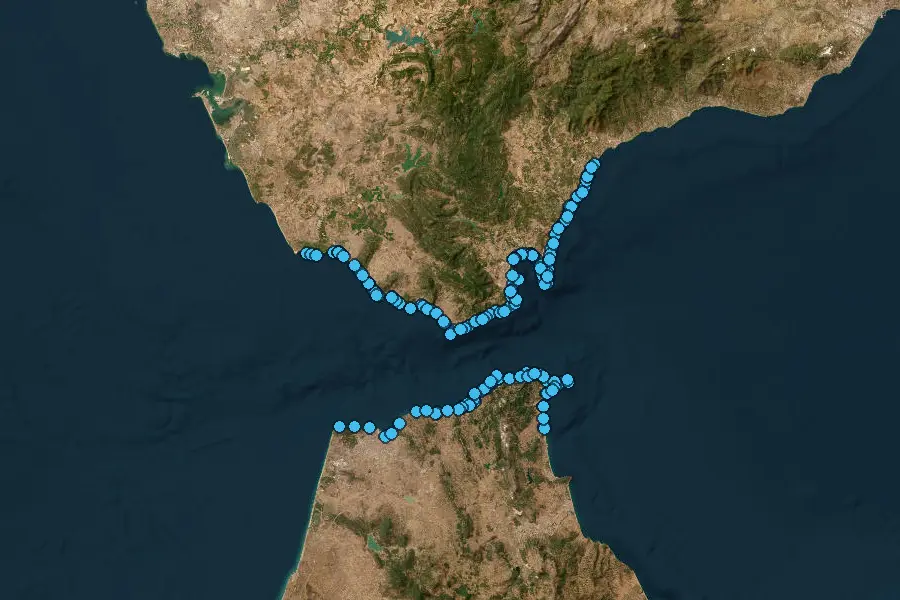
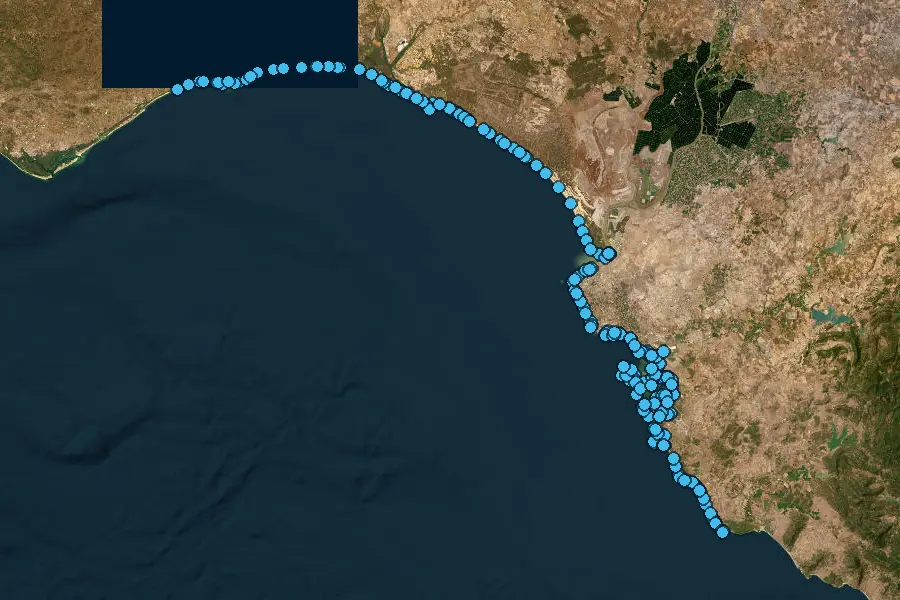
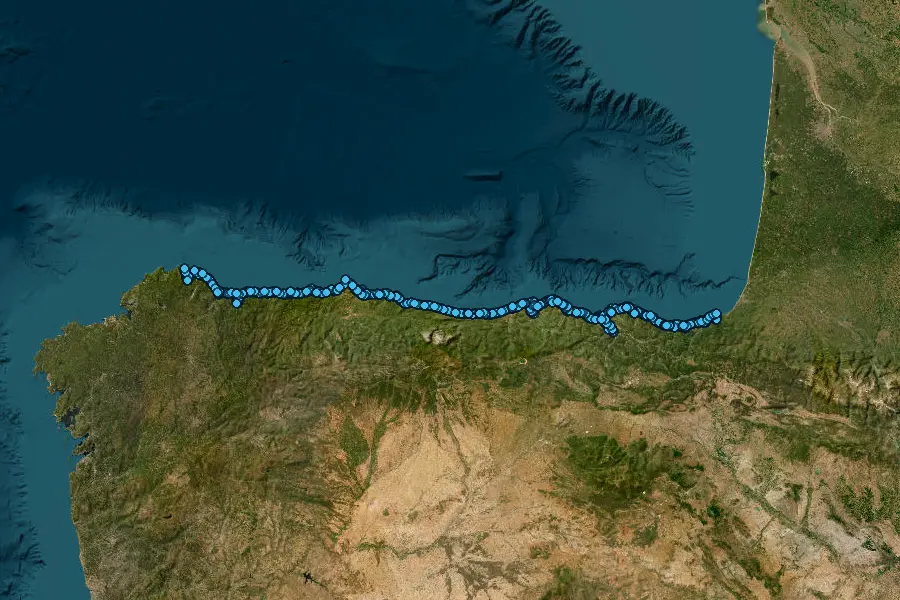
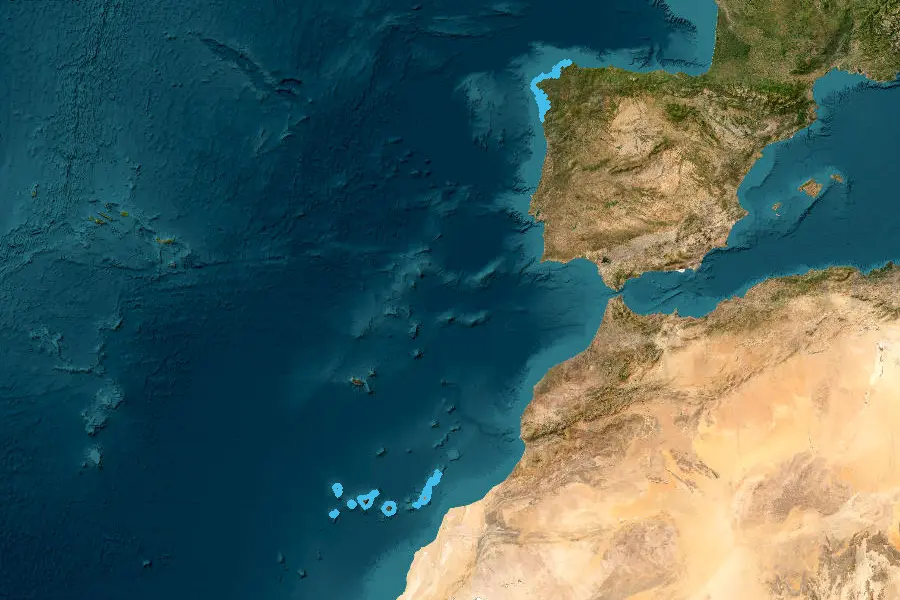
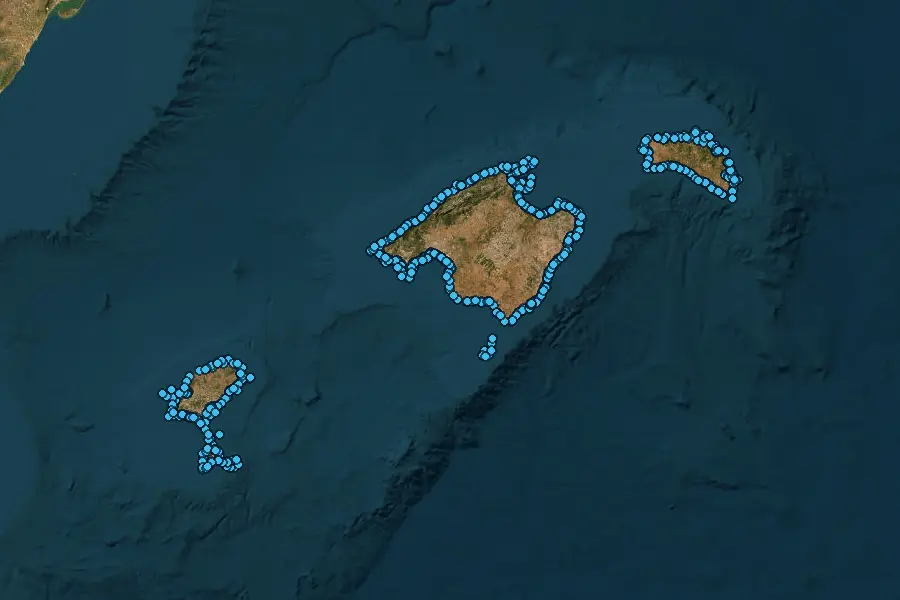
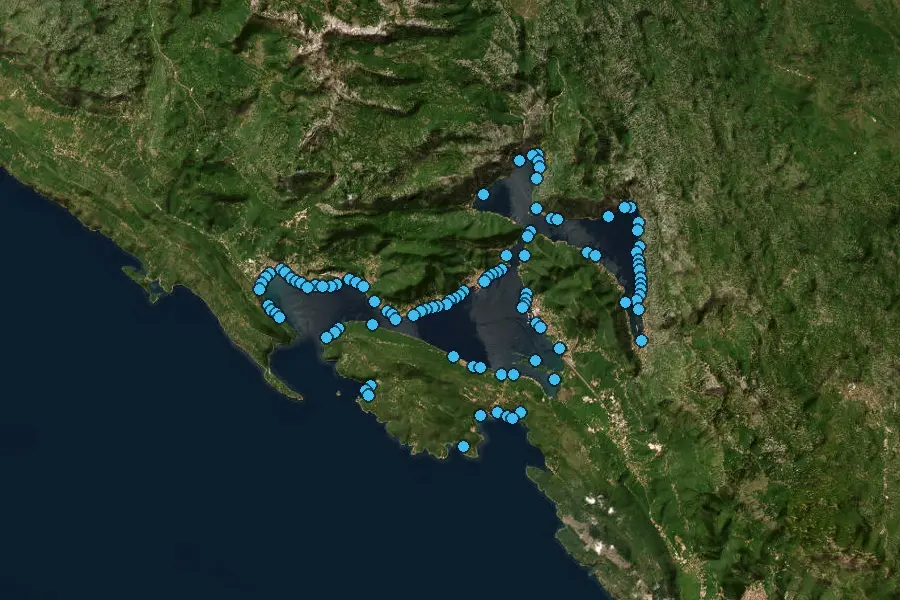
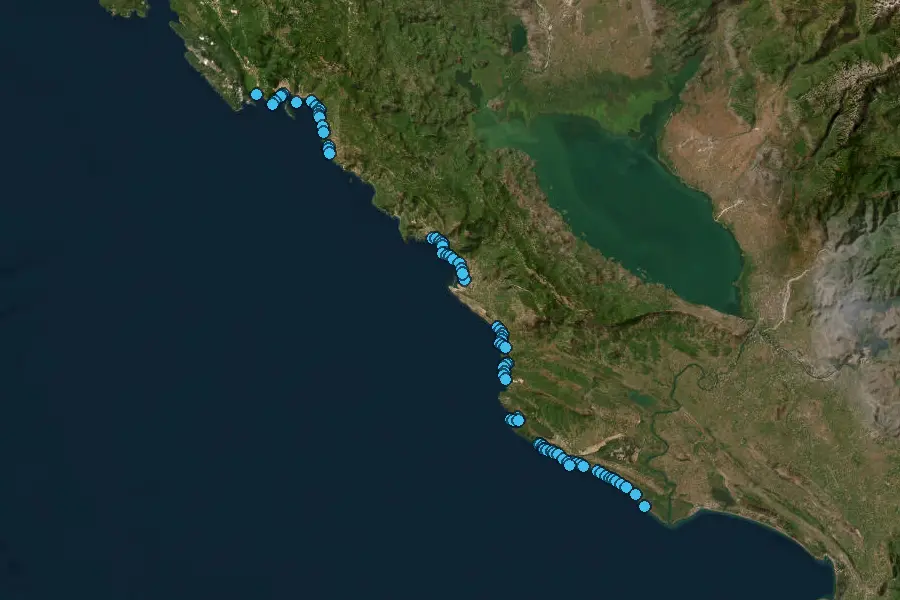
A listed spot is not a guarantee of a catch.
Ionian Sea
Season and suitable conditions
Check the season information for the region you chose.
Peak months: May, Jun, Jul, Aug, Sep, Oct
Adriatic
Season and suitable conditions
Check the season information for the region you chose.
Peak months: May, Jun, Jul, Aug, Sep, Oct
Bay of Vlorë
Season and suitable conditions
Check the season information for the region you chose.
Peak months: May, Jun, Jul, Aug, Sep, Oct
Sea of Marmara
Season and suitable conditions
Check the season information for the region you chose.
Peak months: Apr, May, Jun, Jul, Aug, Sep, Oct
Aegean Sea
Season and suitable conditions
Check the season information for the region you chose.
Peak months: Apr, May, Jun, Jul, Aug, Sep, Oct
Mediterranean
Season and suitable conditions
Check the season information for the region you chose.
Peak months: Mar, Apr, May, Jun, Jul, Aug, Sep
Sardinian Sea
Season and suitable conditions
Check the season information for the region you chose.
Peak months: Apr, May, Jun, Sep, Oct
Mediterranean
Season and suitable conditions
Check the season information for the region you chose.
Peak months: Apr, May, Jun, Sep, Oct
Famagusta–İskele
Season and suitable conditions
Recorded all year round in this region; no distinct fishing season shows.
Güzelyurt Bay
Season and suitable conditions
Recorded all year round in this region; no distinct fishing season shows.
Kyrenia north coast
Season and suitable conditions
Recorded all year round in this region; no distinct fishing season shows.
Karpas Peninsula
Season and suitable conditions
Recorded all year round in this region; no distinct fishing season shows.
Paphos–Limassol south coast
Season and suitable conditions
Recorded all year round in this region; no distinct fishing season shows.
Ayia Napa–Protaras
Season and suitable conditions
Recorded all year round in this region; no distinct fishing season shows.
Akamas–Paphos west coast
Season and suitable conditions
Recorded all year round in this region; no distinct fishing season shows.
Larnaca southeast coast
Season and suitable conditions
Recorded all year round in this region; no distinct fishing season shows.
Ligurian Sea
Season and suitable conditions
Check the season information for the region you chose.
Peak months: Apr, May, Jun, Sep, Oct
Tyrrhenian Sea
Season and suitable conditions
Check the season information for the region you chose.
Peak months: Apr, May, Jun, Sep, Oct
Adriatic
Season and suitable conditions
Check the season information for the region you chose.
Peak months: Apr, May, Jun, Sep, Oct
Strait of Sicily
Season and suitable conditions
Check the season information for the region you chose.
Peak months: Apr, May, Jun, Sep, Oct
Ionian Sea
Season and suitable conditions
Check the season information for the region you chose.
Peak months: Apr, May, Jun, Sep, Oct
Alboran Sea
Season and suitable conditions
Check the season information for the region you chose.
Peak months: Apr, May, Jun, Sep, Oct
Strait of Gibraltar
Season and suitable conditions
Check the season information for the region you chose.
Peak months: Apr, May, Jun, Sep, Oct
Gulf of Cádiz
Season and suitable conditions
Check the season information for the region you chose.
Peak months: Apr, May, Jun, Sep, Oct
Cantabrian Sea
Season and suitable conditions
Check the season information for the region you chose.
Peak months: Mar, Apr, May, Aug, Sep
Atlantic Ocean
Season and suitable conditions
Check the season information for the region you chose.
Peak months: Mar, Apr, May, Aug, Sep
Balearic Sea
Season and suitable conditions
Check the season information for the region you chose.
Peak months: Apr, May, Jun, Sep, Oct
Bay of Kotor
Season and suitable conditions
Check the season information for the region you chose.
There is no season data for this species yet.
Missing data does not mean an unproductive period.
Adriatic coast
Season and suitable conditions
Check the season information for the region you chose.
There is no season data for this species yet.
Missing data does not mean an unproductive period.
Season information is no guarantee of a catch.
Best spots in October
By month
Average monthly score of the spots in Turkey (0–100).
- 26 Jan
- 25 Feb
- 25 Mar
- 41 Apr
- 68 May
- 78 Jun
- 56 Jul
- 46 Aug
- 60 Sep
- 65 Oct
- 65 Nov
- 37 Dec
The best spot in each Turkish province, by this month’s score.
- Aliaport Aliağa, İzmir 84/100 Very good
- Asit İskelesi Bandırma, Balıkesir 80/100 Very good
- Fatma Kadın Plajı 2 Gelibolu, Çanakkale 80/100 Very good
- İbrice Limanı Dış Kıyısı Keşan, Edirne 80/100 Very good
- Heybeliada Vapur İskelesi Adalar, İstanbul 80/100 Very good
A 0–100 score from season, water temperature, habitat and local records; a general trend, not a guarantee.
Best times of day
When in the day it bites best, month by month.
- Active by day
- Poor at night
In October
-
Dawn 70
Sunrise → 3 h after
-
Midday Best 80
2 h before midday → 2.5 h after
-
Dusk 70
2.5 h before sunset → sunset
Not productive at night
Moon phase
Effect of the moon on night fishing; the scores compare the phases.
- New moon 0
- First quarter 0
- Full moon 0
- Last quarter 0


Best phase: No clear effect
Windows across 12 months
| Best times of day | JJan | FFeb | MMar | AApr | MMay | JJun | JJul | AAug | SSep | OOct | NNov | DDec |
|---|---|---|---|---|---|---|---|---|---|---|---|---|
| Dawn | 45 | 45 | 45 | 70 | 70 | 80 | 80 | 80 | 80 | 70 | 70 | 45 |
| Midday | 85 | 85 | 85 | 80 | 80 | 65 | 65 | 65 | 65 | 80 | 80 | 85 |
| Dusk | 55 | 55 | 55 | 70 | 70 | 70 | 70 | 70 | 70 | 70 | 70 | 55 |
| Night |
Windows follow sunrise and sunset; clock times change with place and date. Scores are relative within the month: 100 is the best window of the day.
4 sources · confidence medium
Habitat
Where it lives and in what kind of water: ranges compiled by the research.
Depth
1–50 m
mostly 1–30 m
Water temperature
14.5–23.1 °C
ideal 17–21.7 °C
Salinity
Full-strength seawater
15.6–40.4 ‰
Shore types
- Cove / inner bay
- Rocky shore
- Breakwater / jetty
- Pier / quay
- Headland
- Mixed shore
- Lagoon / weir mouth
- Inside harbours
- Harbour mouth
- Reclaimed shore
- Shoal / reef
Bottom
Lives close to the bottom
- Rock
- Seagrass
- Seaweed
Ranges from FishBase, AquaMaps and the literature; a general tendency, not a hard limit.
Confidence: shore type high, temperature medium
Bait and tackle suggestions
Recorded baits and fishing techniques.
Bait by month
Baits documented for shore fishing, month by month and by water clarity.
In October
Natural baits
Processed bait (all year)
- Bread
By water clarity
Rock / bottom omnivore — Picks up crustaceans, worms and weed. Wary; relies on smell and a natural look.
- Clear Visibility: over 8 m
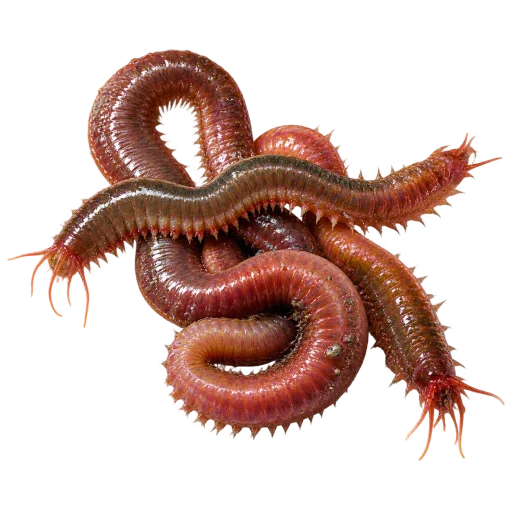
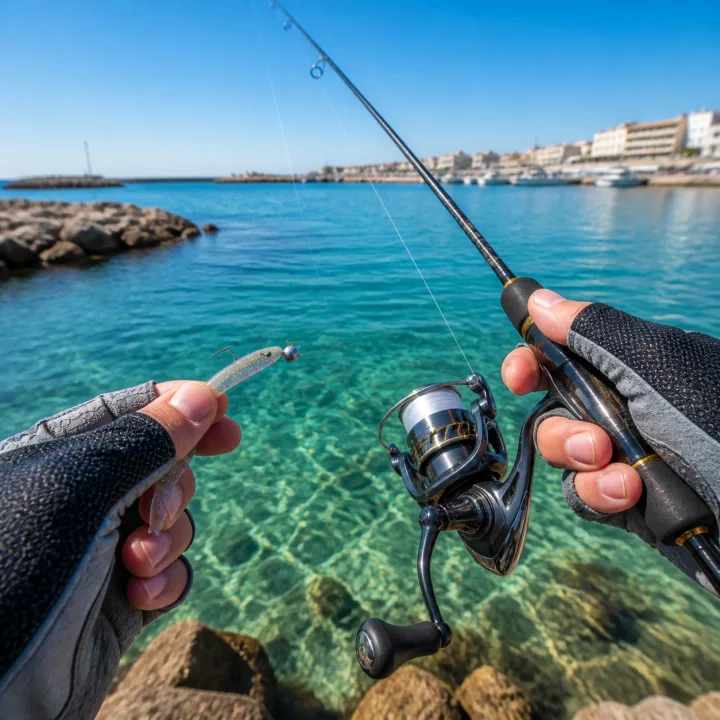
- Natural first, lures also work First natural bait: Diopatra tube worm · Very suitable Usually in this water: Live shrimp, tube worm, mud shrimp, mussel; thin line, small hidden hook; little chum. First lure: LRF micro soft plastic · Very suitable Usually in this water: LRF micro soft plastic, imitation shrimp; very small, slow. Colour: Clear, Natural brown, Red
- Slightly coloured Visibility: 4–8 m
- Natural first, lures also work First natural bait: Diopatra tube worm · Very suitable Usually in this water: Shrimp, worm, mussel; normal pieces. First lure: LRF micro soft plastic · Very suitable Usually in this water: LRF/micro soft plastic, imitation shrimp. Colour: Pink, White, Red
- Moderately coloured Visibility: 2–4 m
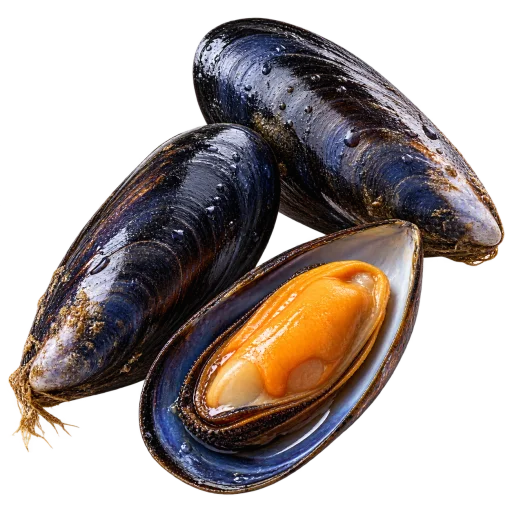
- Natural bait First natural bait: Diopatra tube worm · Very suitable Usually in this water: Mussel, crab, sardine pieces with chum (crushed mussel or bread). First lure: Jighead + soft swimbait · Very suitable Usually in this water: Scented soft plastic (Isome/Gulp type); slow, on the bottom. Colour: Glow (UV)
- Murky Visibility: 1–2 m
- Natural bait First natural bait: Mussel · Suitable Usually in this water: Crab, mussel, razor clam; bottom rig; strong scent. First lure: Jighead + soft swimbait · Suitable Usually in this water: Weak; scented soft plastic only. Colour: Glow (UV)
- Very murky Visibility: under 1 m
- Natural bait First natural bait: Mussel · Suitable Usually in this water: Mussel, crab, cut bait; big pieces. First lure: Scented soft plastic · Weak Colour: Glow (UV)
12-month bait calendar
- January
- Natural baits: Mussel, Diopatra tube worm, Ragworm, Squid Lures: LRF micro soft plastic, Scented soft plastic, Jighead + soft swimbait
- February
- Natural baits: Mussel, Diopatra tube worm, Ragworm, Squid Lures: LRF micro soft plastic, Scented soft plastic, Jighead + soft swimbait
- March
- Natural baits: Mussel, Diopatra tube worm, Ragworm, Squid Lures: LRF micro soft plastic, Scented soft plastic, Jighead + soft swimbait
- April
- Natural baits: Mussel, Diopatra tube worm, Ragworm, Squid Lures: LRF micro soft plastic, Scented soft plastic, Jighead + soft swimbait
- May
- Natural baits: Mussel, Diopatra tube worm, Ragworm, Squid Lures: LRF micro soft plastic, Scented soft plastic, Jighead + soft swimbait
- June
- Natural baits: Mussel, Diopatra tube worm, Ragworm, Squid Lures: LRF micro soft plastic, Scented soft plastic, Jighead + soft swimbait
- July
- Natural baits: Mussel, Diopatra tube worm, Ragworm, Squid Lures: LRF micro soft plastic, Scented soft plastic, Jighead + soft swimbait
- August
- Natural baits: Mussel, Diopatra tube worm, Ragworm, Squid Lures: LRF micro soft plastic, Scented soft plastic, Jighead + soft swimbait
- September
- Natural baits: Mussel, Diopatra tube worm, Ragworm, Squid Lures: LRF micro soft plastic, Scented soft plastic, Jighead + soft swimbait
- October
- Natural baits: Mussel, Diopatra tube worm, Ragworm, Squid Lures: LRF micro soft plastic, Scented soft plastic, Jighead + soft swimbait
- November
- Natural baits: Mussel, Diopatra tube worm, Ragworm, Squid Lures: LRF micro soft plastic, Scented soft plastic, Jighead + soft swimbait
- December
- Natural baits: Mussel, Diopatra tube worm, Ragworm, Squid Lures: LRF micro soft plastic, Scented soft plastic, Jighead + soft swimbait
This is the usual pattern; the water and weather on the day can change it. Colour is fine-tuning: bait type, size and action come first. Confidence: natural medium, lures high. Colour and presentation guide
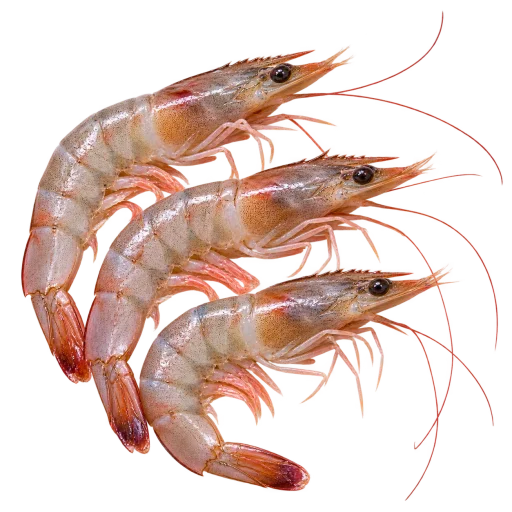
In this region · Sea of Marmara
- Natural bait:
- shrimp, worm, mussel; regional support: European anchovy / Atlantic horse mackerel / shrimp
- Lure:
- micro soft plastic
- Technique:
- LRF, float
In this region · Aegean Sea
- Natural bait:
- shrimp, worm, mussel; regional support: European sardine / mamun / sülünez
- Lure:
- micro soft plastic
- Technique:
- LRF, float
In this region · Mediterranean
- Natural bait:
- shrimp, worm, mussel; regional support: European sardine / European squid / shrimp
- Lure:
- micro soft plastic
- Technique:
- LRF, float
Fishing rules
The regulation holds no separate minimum size or closed season entry for this species. The provisions for Türkiye as a whole apply.
Before you go, check local area and method restrictions.
Species profile

- Scientific name
- Symphodus tinca
- Family
- Labridae
- Order
- Eupercaria incertae sedis
- Water type
- Saltwater
- Seas
- Sea of Marmara, Aegean Sea, Mediterranean
- Other names
- Lapin, Yeşil lapin
Frequently asked questions
Which seas is Peacock wrasse found in?
In our records Peacock wrasse appears in these seas: Sea of Marmara, Aegean Sea, Mediterranean, Adriatic — Albania, Ionian Sea — Albania, Bay of Vlorë — Albania, Güzelyurt Bay — Northern Cyprus, Kyrenia north coast — Northern Cyprus, Famagusta–İskele — Northern Cyprus, Karpas Peninsula — Northern Cyprus, Akamas–Paphos west coast — Southern Cyprus, Paphos–Limassol south coast — Southern Cyprus, Larnaca southeast coast — Southern Cyprus, Ayia Napa–Protaras — Southern Cyprus, Ligurian Sea — Italy, Tyrrhenian Sea — Italy, Adriatic — Italy, Ionian Sea — Italy, Strait of Sicily — Italy, Sardinian Sea — Italy, Atlantic Ocean — Spain, Mediterranean — Spain, Cantabrian Sea — Spain, Balearic Sea — Spain, Alboran Sea — Spain, Gulf of Cádiz — Spain, Strait of Gibraltar — Spain.
In which months is Peacock wrasse at its peak?
Peak periods by sea: Ionian Sea — Albania May–October; Adriatic — Albania May–October; Bay of Vlorë — Albania May–October; Sea of Marmara April–October; Aegean Sea April–October; Mediterranean March–September; Sardinian Sea — Italy April, May, June, September, October; Mediterranean — Spain April, May, June, September, October; Famagusta–İskele — Northern Cyprus all year; Güzelyurt Bay — Northern Cyprus all year; Kyrenia north coast — Northern Cyprus all year; Karpas Peninsula — Northern Cyprus all year; Paphos–Limassol south coast — Southern Cyprus all year; Ayia Napa–Protaras — Southern Cyprus all year; Akamas–Paphos west coast — Southern Cyprus all year; Larnaca southeast coast — Southern Cyprus all year; Ligurian Sea — Italy April, May, June, September, October; Tyrrhenian Sea — Italy April, May, June, September, October; Adriatic — Italy April, May, June, September, October; Strait of Sicily — Italy April, May, June, September, October; Ionian Sea — Italy April, May, June, September, October; Alboran Sea — Spain April, May, June, September, October; Strait of Gibraltar — Spain April, May, June, September, October; Gulf of Cádiz — Spain April, May, June, September, October; Cantabrian Sea — Spain March, April, May, August, September; Atlantic Ocean — Spain March, April, May, August, September; Balearic Sea — Spain April, May, June, September, October.
Which bait is Peacock wrasse caught with?
Baits and lures on record: shrimp, worm, mussel, European anchovy, Atlantic horse mackerel, micro soft plastic, European sardine, mamun, sülünez, European squid.
Similar species