
























Sea fish
Pouting
Trisopterus luscus
Get to know the species, pick your region, find your spot.
Other names: Faneca

- Habitat
- Rock · sand · structure
Choose your region
The information changes with the region you choose.
Where is Pouting caught?
Explore the regions or go straight to the map.
Gulf of Cádiz fishing spots
24Cantabrian Sea fishing spots
32Atlantic Ocean fishing spots
39North Sea fishing spots
18North Sea fishing spots
5- Cádiz · breakwater sector Cádiz
- Cádiz · breakwater sector 2 Cádiz
- Cádiz · breakwater sector 3 Cádiz
- Huelva · lagoon sector Huelva
- Huelva · breakwater sector Huelva
- Marina Isla Canela Huelva · Ayamonte
- Marina Nuevo Portil Huelva
- Río Roche Cádiz
- Arroaerreka Gipuzkoa · Donostia
- Río Sella Asturias · Llanes
- Udondo Bizkaia · Bilbao
- Arroyo del Acebo Asturias · Llanes
- Arroyo de la Presa Cantabria · Santander
- Arroyo de Rabió Cantabria · Santander
- Bilbao · breakwater sector Bizkaia · Bilbao
- Deba ibaia Gipuzkoa · Donostia
- A Coruña · canal mouth sector A Coruña
- Peirao de Sálvora Pontevedra · Ribeira
- Peirao do IGAFA Pontevedra · Ribeira
- Ribeira · breakwater sector Pontevedra · Ribeira
- A Area do Porto do Sol Pontevedra · Ribeira
- A Boca do Río Pontevedra · Vigo
- A Coruña · river mouth sector A Coruña
- A Coruña · river mouth sector 3 A Coruña
18 fishing grounds
5 fishing grounds
No fishing ground or region matches your search.
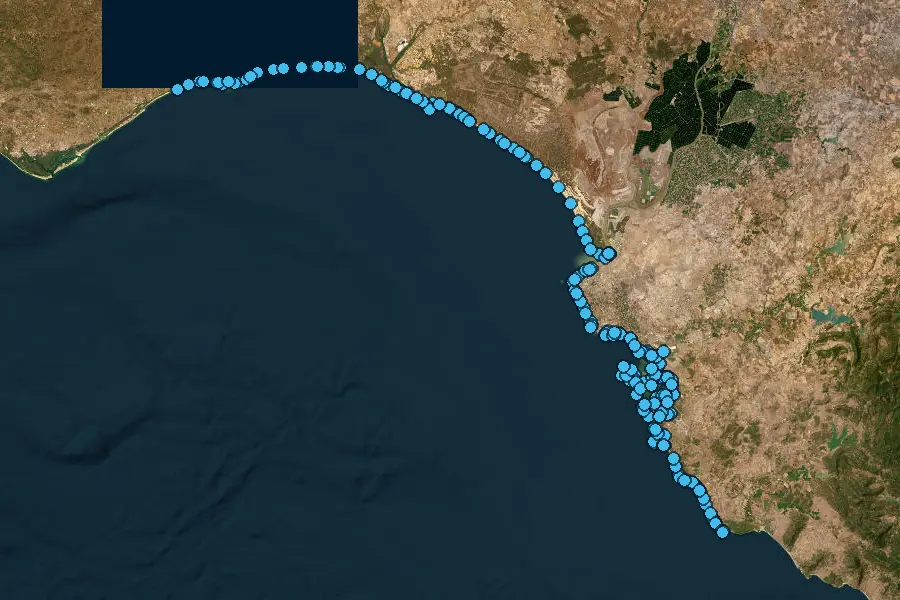
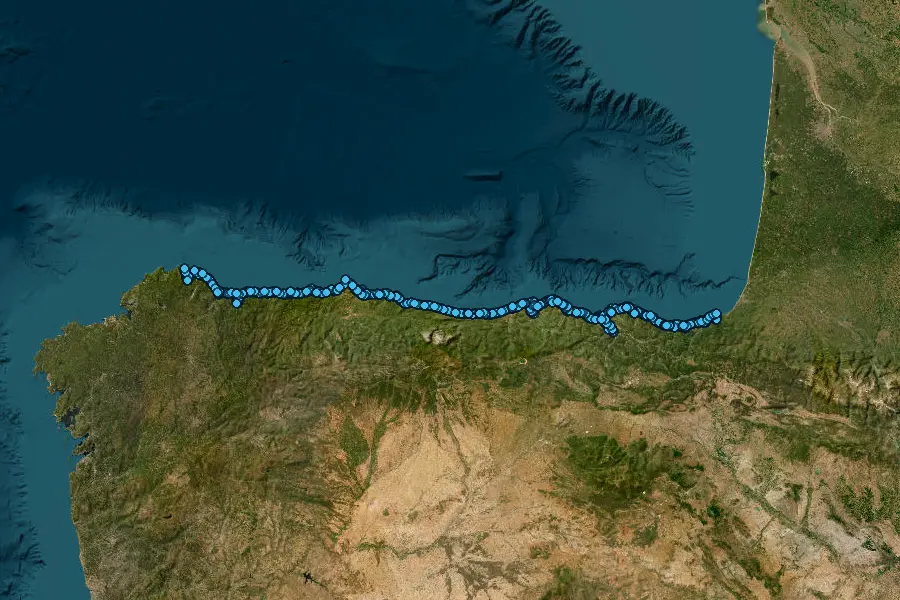
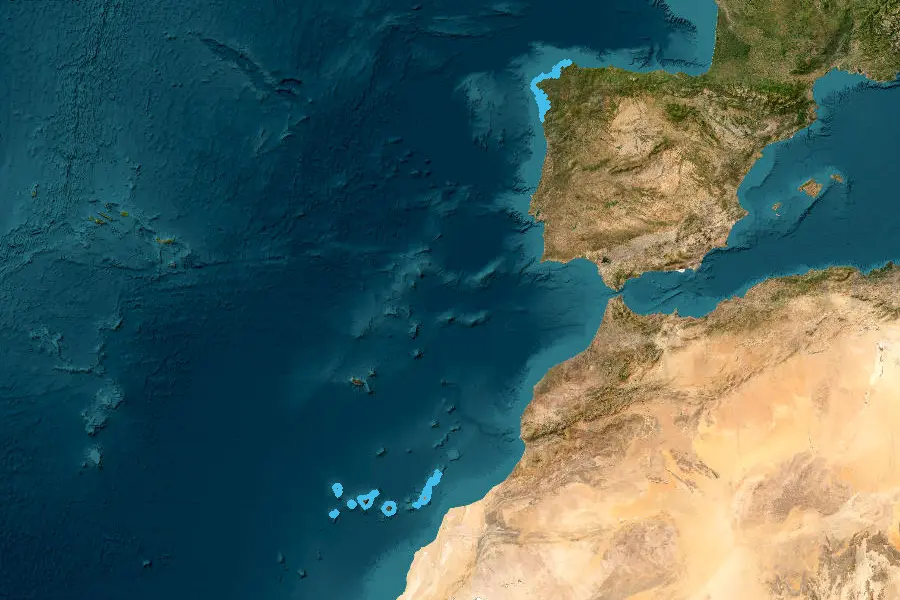
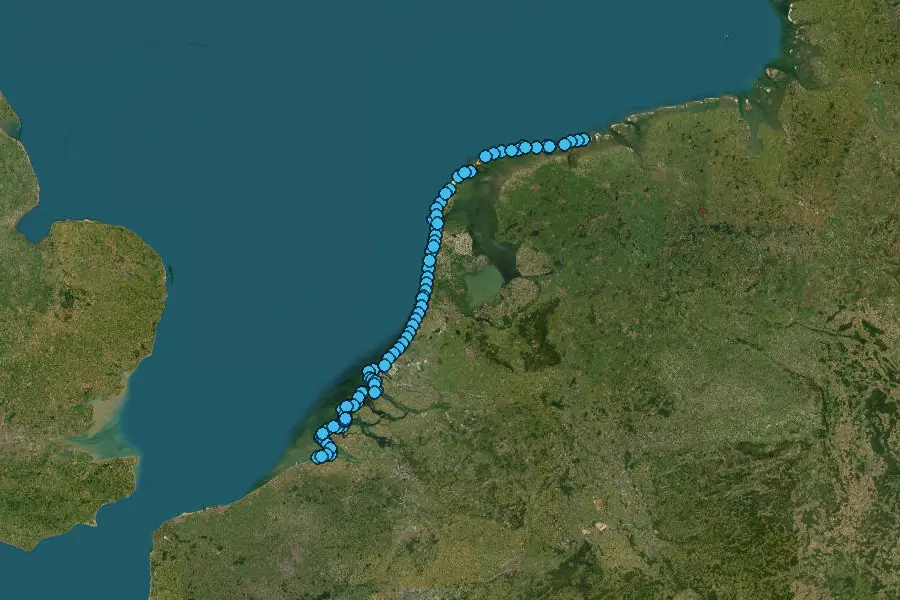
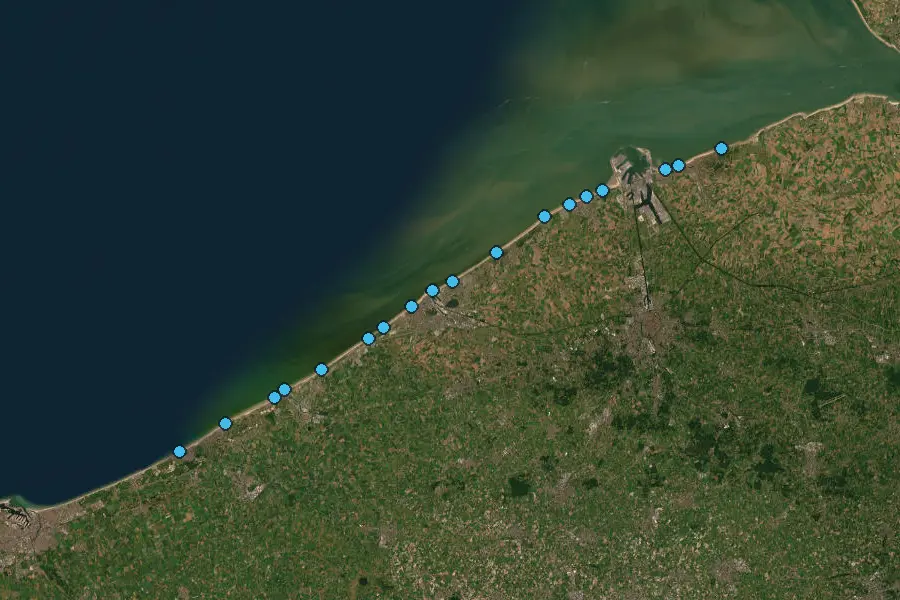
A listed spot is not a guarantee of a catch.
Gulf of Cádiz
Season and suitable conditions
Check the season information for the region you chose.
Peak months: Jan, Feb, Mar, Oct, Nov, Dec
Cantabrian Sea
Season and suitable conditions
Check the season information for the region you chose.
Peak months: Jan, Feb, Sep, Oct, Nov, Dec
Atlantic Ocean
Season and suitable conditions
Check the season information for the region you chose.
Peak months: Jan, Feb, Sep, Oct, Nov, Dec
North Sea
Season and suitable conditions
Recorded all year round in this region; no distinct fishing season shows.
North Sea
Season and suitable conditions
Recorded all year round in this region; no distinct fishing season shows.
Season information is no guarantee of a catch.
Best times of day
When in the day it bites best, month by month.
- Active at night
- Good at night
In October
-
Dawn 55
1.5 h before sunrise → 0.5 h after
-
Midday 40
1 h before midday → 1 h after
-
Dusk 85
1 h before sunset → 2 h after
-
Night Best 90
0.5 h after sunset → 1 h before sunrise
Moon phase
Effect of the moon on night fishing; the scores compare the phases.
- New moon 70
- First quarter 60
- Full moon 55
- Last quarter 60


Best phase: New moon
Windows across 12 months
| Best times of day | JJan | FFeb | MMar | AApr | MMay | JJun | JJul | AAug | SSep | OOct | NNov | DDec |
|---|---|---|---|---|---|---|---|---|---|---|---|---|
| Dawn | 55 | 55 | 55 | 55 | 55 | 55 | 55 | 55 | 55 | 55 | 55 | 55 |
| Midday | 40 | 40 | 40 | 40 | 40 | 40 | 40 | 40 | 40 | 40 | 40 | 40 |
| Dusk | 85 | 85 | 85 | 85 | 85 | 85 | 85 | 85 | 85 | 85 | 85 | 85 |
| Night | 90 | 90 | 90 | 90 | 90 | 90 | 90 | 90 | 90 | 90 | 90 | 90 |
Windows follow sunrise and sunset; clock times change with place and date. Scores are relative within the month: 100 is the best window of the day.
3 sources · confidence medium
Habitat
Where it lives and in what kind of water: ranges compiled by the research.
Depth
1–100 m
mostly 30–100 m
Water temperature
7.4–20.3 °C
ideal 10.3–15.9 °C
Salinity
Full-strength seawater
13–38.1 ‰
Shore types
- Rocky shore
- Breakwater / jetty
- Pier / quay
- Around marinas
- Headland
- Mixed shore
- Inside harbours
- Harbour mouth
- Reclaimed shore
- Shoal / reef
Bottom
Lives close to the bottom
- Sand
- Rock
Ranges from FishBase, AquaMaps and the literature; a general tendency, not a hard limit.
Confidence: shore type medium, temperature medium
Bait and tackle suggestions
Recorded baits and fishing techniques.
Bait by month
Baits documented for shore fishing, month by month and by water clarity.
In October
By water clarity
Bottom scent / lateral-line hunter — Searches the bottom with barbels, smell and lateral line. Has the edge in murky water.
- Clear Visibility: over 8 m
- Natural bait First natural bait: Ragworm · Very suitable Usually in this water: Live or very fresh worm, shrimp, mole crab; small hidden hook; sunset and night first. First lure: LRF micro soft plastic · Very suitable Usually in this water: Only where it is known to work locally: scented soft plastic or worm, dragged slowly along the bottom. Colour: White
- Slightly coloured Visibility: 4–8 m
- Natural bait First natural bait: Ragworm · Very suitable Usually in this water: Worm and shrimp; fresh mussel. First lure: LRF micro soft plastic · Very suitable Usually in this water: Scented soft plastic; bead attractor (for flatfish). Colour: White, Pink
- Moderately coloured Visibility: 2–4 m
- Natural bait First natural bait: Ragworm · Very suitable Usually in this water: Bloodworm, mussel, sardine; worm and squid cocktail; the most productive water. First lure: Metal jig · Very suitable Usually in this water: Scented soft plastic with scent gel; bead attractor. Colour: White, Pink
- Murky Visibility: 1–2 m
- Natural bait First natural bait: Mackerel · Very suitable Usually in this water: Heavy scent: a cocktail (worm with squid or fish), crab; on the bottom. First lure: Jighead + shad · Suitable Usually in this water: Not recommended; if you must, scented soft plastic. Colour: Pink, White
- Very murky Visibility: under 1 m
- Natural bait First natural bait: Mackerel · Very suitable Usually in this water: Oily fish and worm cocktail, crab; big pieces, refreshed often. First lure: Scented soft plastic · Weak
12-month bait calendar
- January
- Natural baits: Ragworm, Lugworm, Mackerel, Squid Lures: Scented soft plastic, Jighead + shad, LRF micro soft plastic, Metal jig
- February
- Natural baits: Ragworm, Lugworm, Mackerel, Squid Lures: Scented soft plastic, Jighead + shad, LRF micro soft plastic, Metal jig
- March
- Natural baits: Ragworm, Lugworm, Mackerel, Squid Lures: Scented soft plastic, Jighead + shad, LRF micro soft plastic, Metal jig
- April
- Natural baits: Ragworm, Lugworm, Mackerel, Squid Lures: Scented soft plastic, Jighead + shad, LRF micro soft plastic, Metal jig
- May
- Out of season
- June
- Out of season
- July
- Out of season
- August
- Out of season
- September
- Out of season
- October
- Natural baits: Ragworm, Lugworm, Mackerel, Squid Lures: Scented soft plastic, Jighead + shad, LRF micro soft plastic, Metal jig
- November
- Natural baits: Ragworm, Lugworm, Mackerel, Squid Lures: Scented soft plastic, Jighead + shad, LRF micro soft plastic, Metal jig
- December
- Natural baits: Ragworm, Lugworm, Mackerel, Squid Lures: Scented soft plastic, Jighead + shad, LRF micro soft plastic, Metal jig
This is the usual pattern; the water and weather on the day can change it. Colour is fine-tuning: bait type, size and action come first. Confidence: natural low, lures high. Colour and presentation guide
Fishing rules
The regulation holds no separate minimum size or closed season entry for this species. The provisions for Türkiye as a whole apply.
Before you go, check local area and method restrictions.
Species profile

- Scientific name
- Trisopterus luscus
- Water type
- Saltwater
- Other names
- Faneca
Frequently asked questions
Which seas is Pouting found in?
In our records Pouting appears in these seas: Atlantic Ocean — Spain, Cantabrian Sea — Spain, Gulf of Cádiz — Spain, North Sea — Netherlands, North Sea — Belgium.
In which months is Pouting at its peak?
Peak periods by sea: Gulf of Cádiz — Spain October–March; Cantabrian Sea — Spain September–February; Atlantic Ocean — Spain September–February; North Sea — Netherlands all year; North Sea — Belgium all year.
Similar species