Skip to content

Sea fish

Salema porgy

Sarpa salpa

Get to know the species, pick your region, find your spot.

Other names: Çitari

Salema porgy
(c) Donald Davesne, some rights reserved (CC BY) · source
Family
Sparidae

Choose your region

The information changes with the region you choose.

Where is Salema porgy caught?

Explore the regions or go straight to the map.

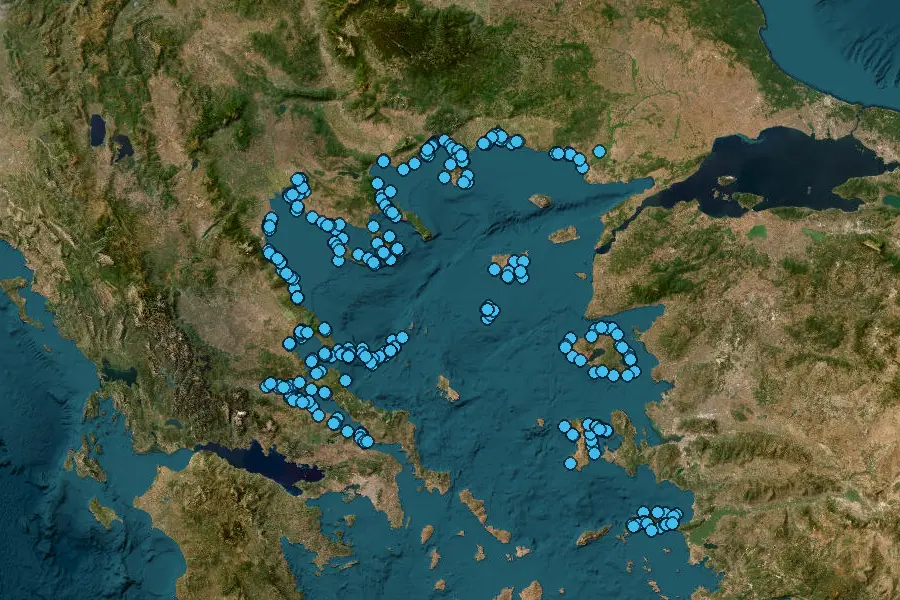
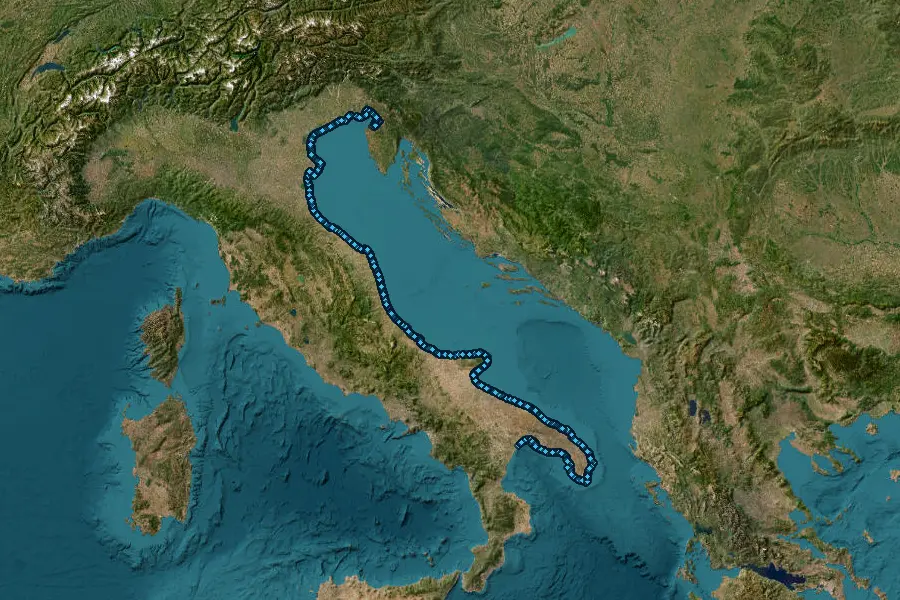
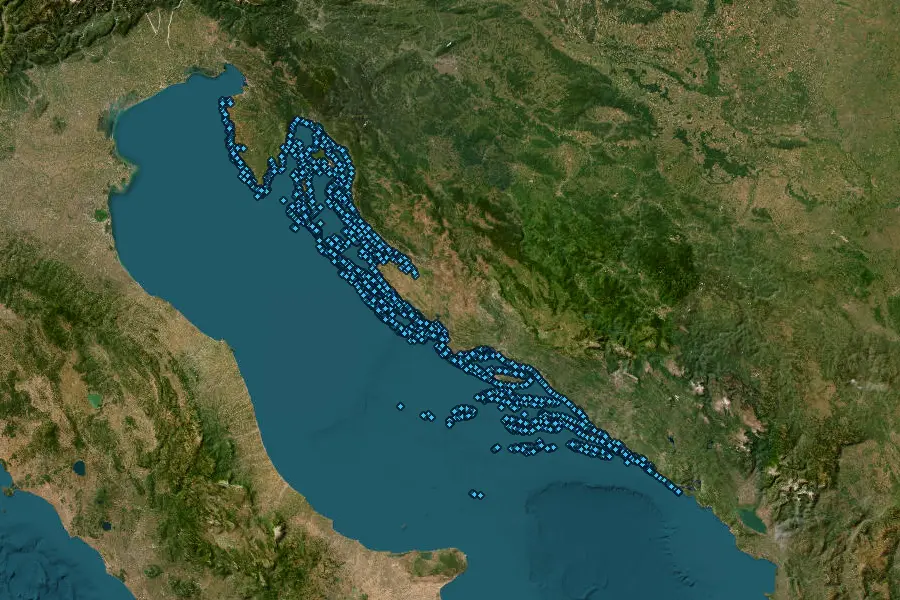
Adriatic fishing spots

1,089
Adriatic
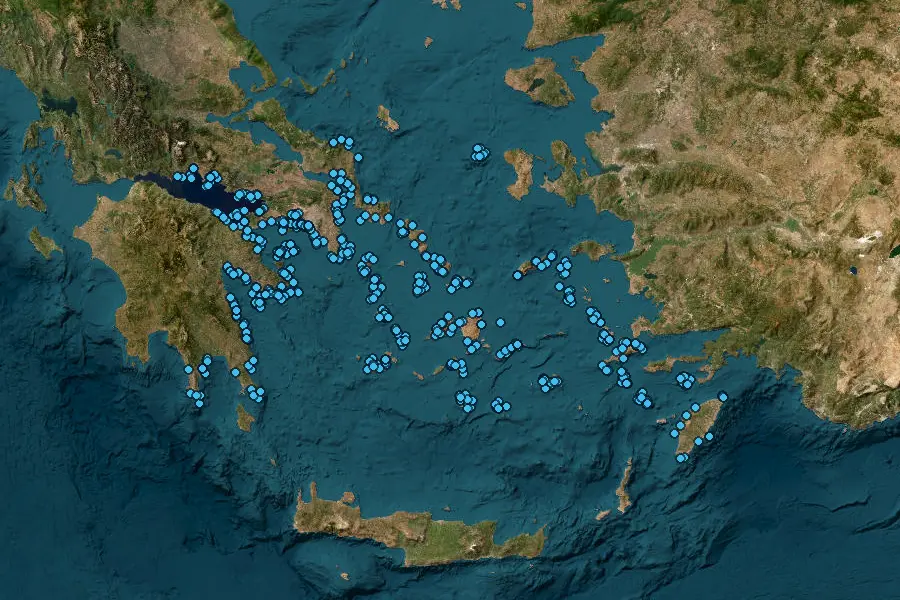
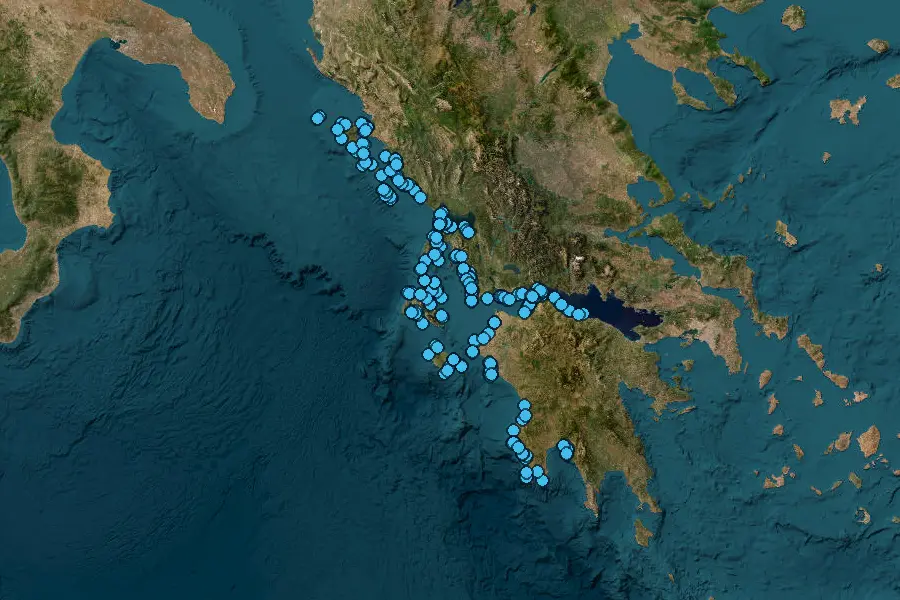
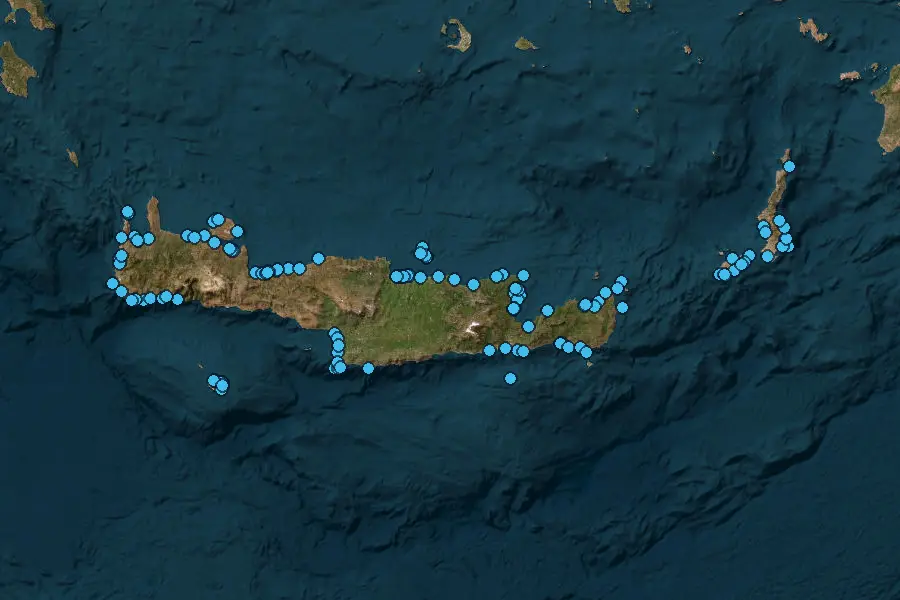
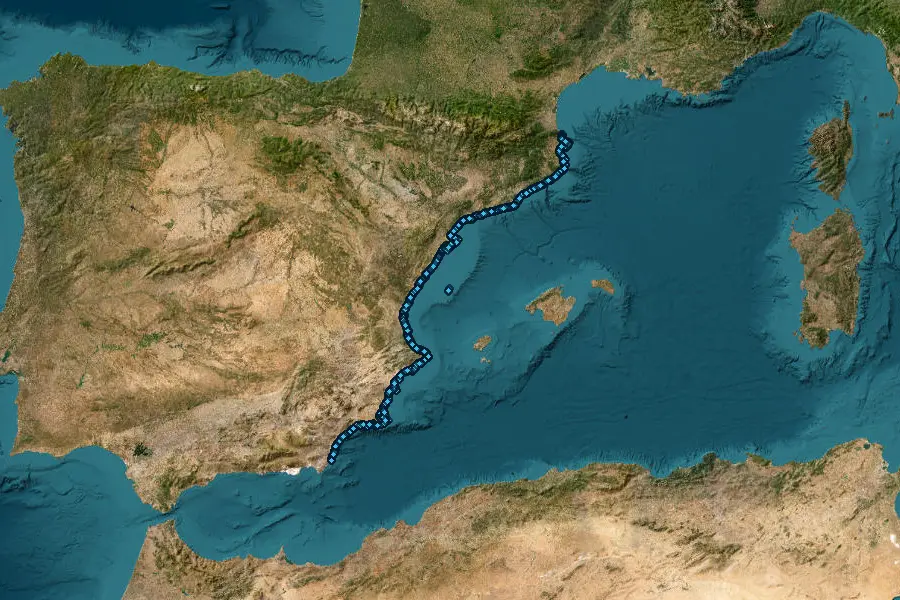
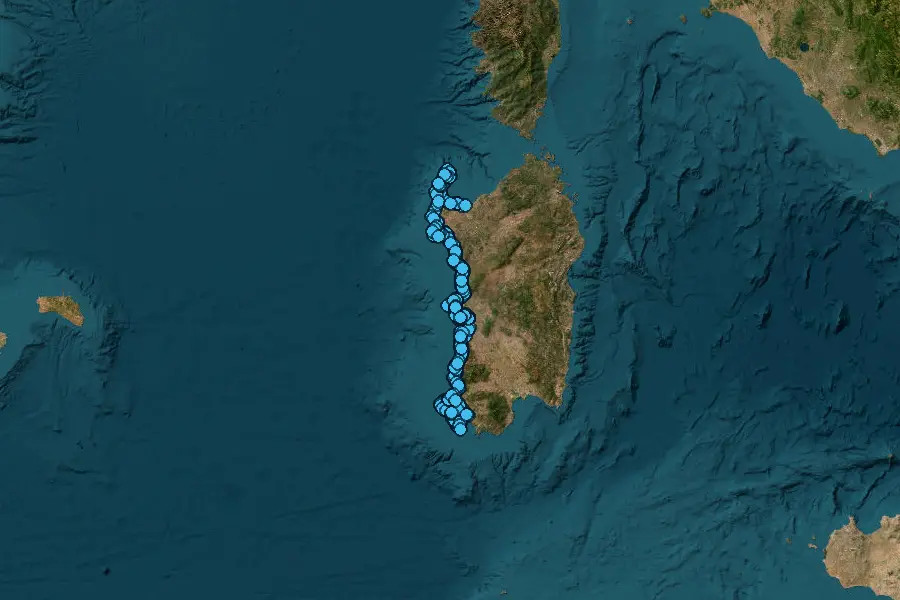
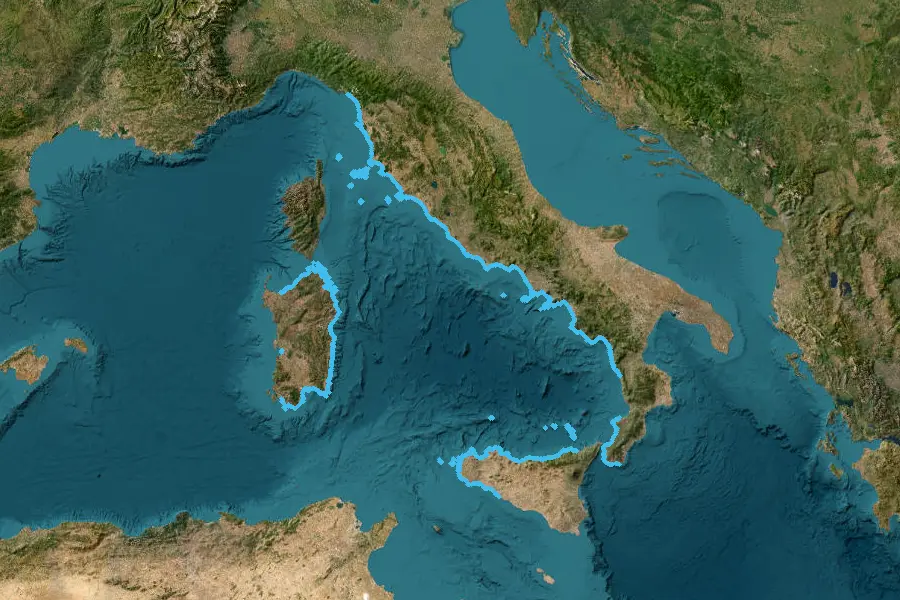
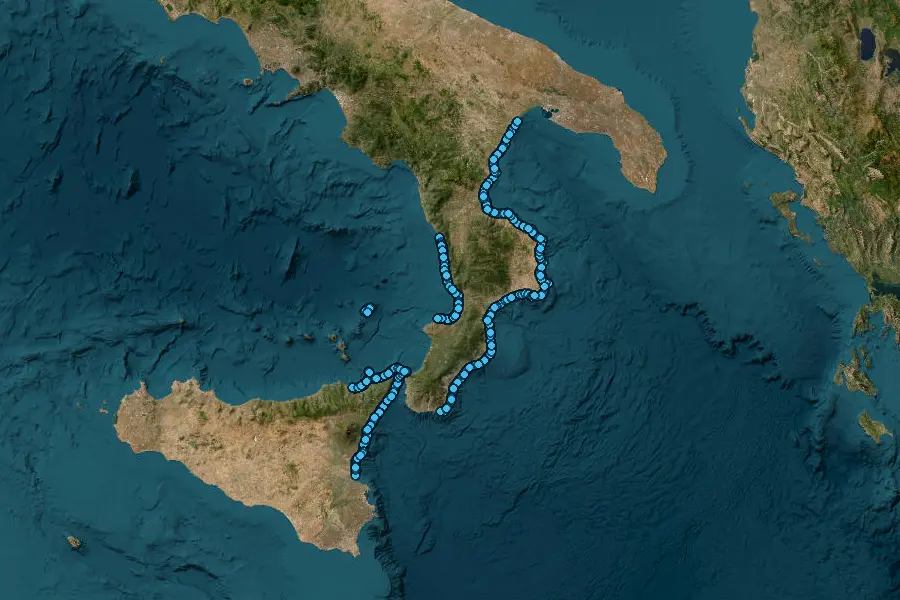
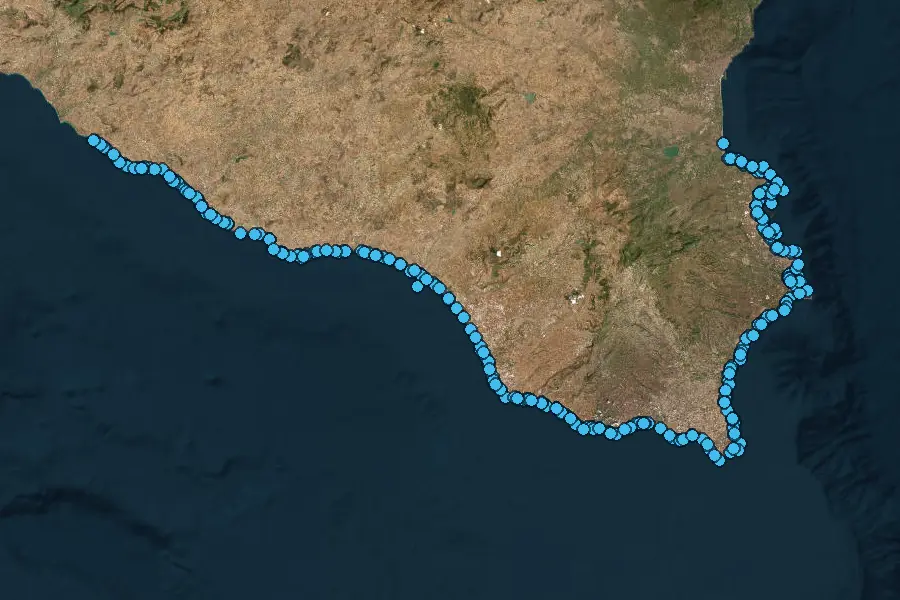
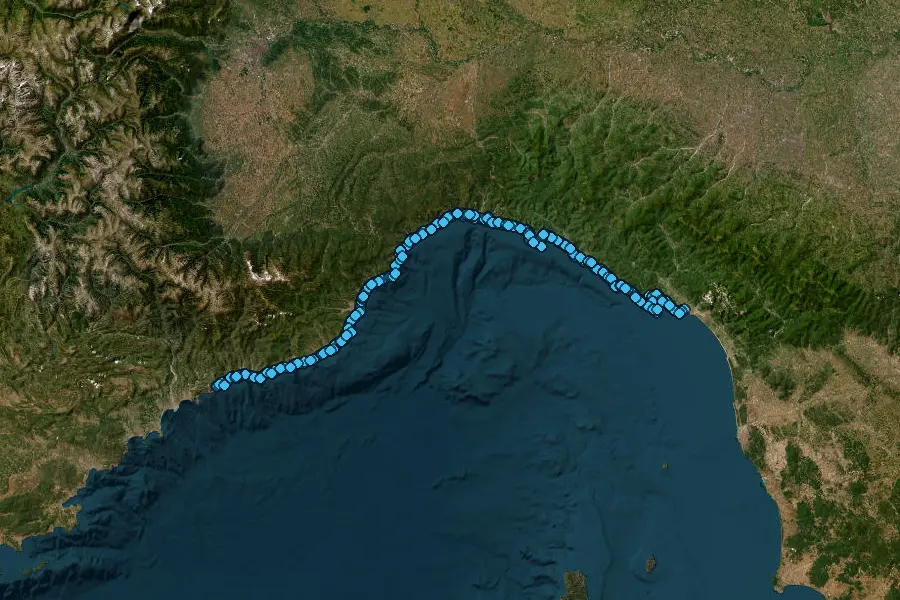
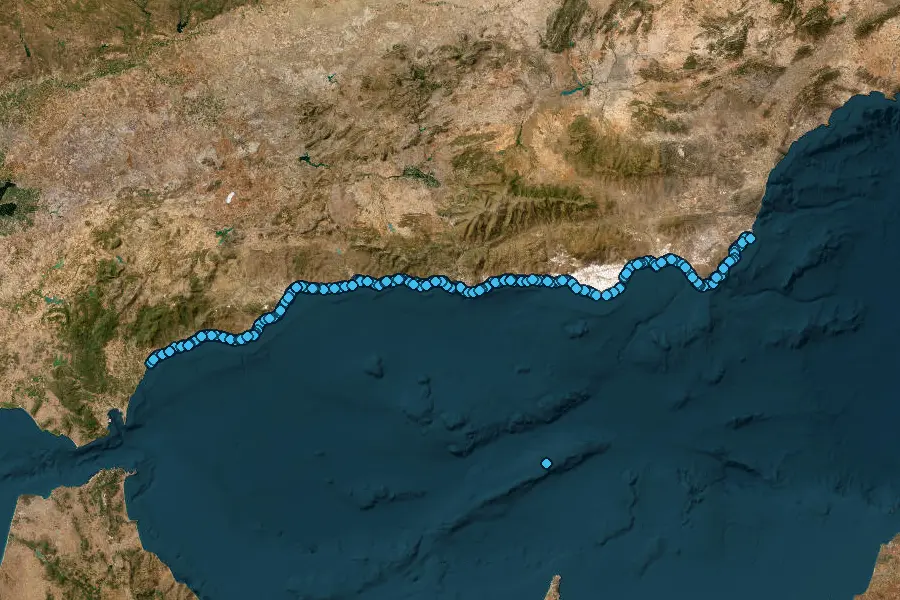
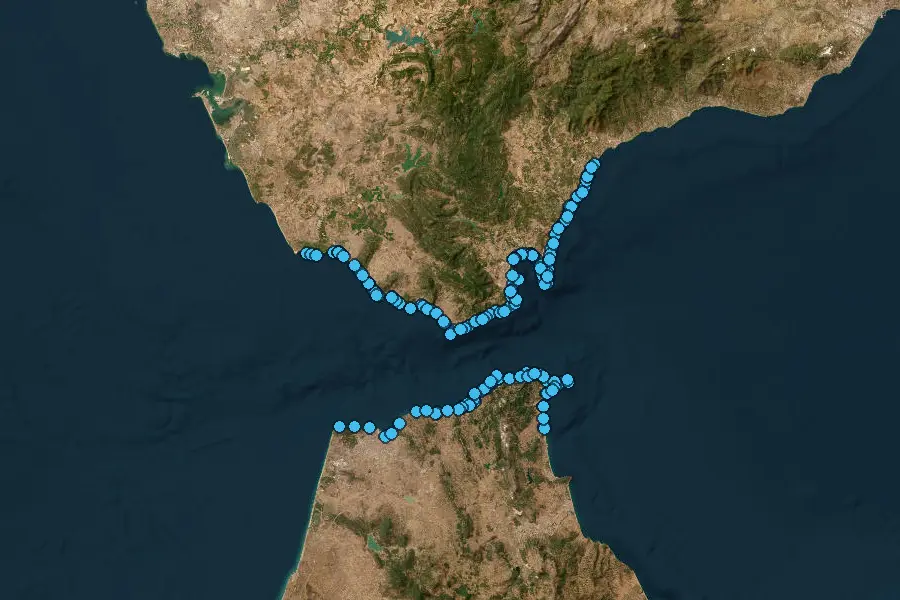
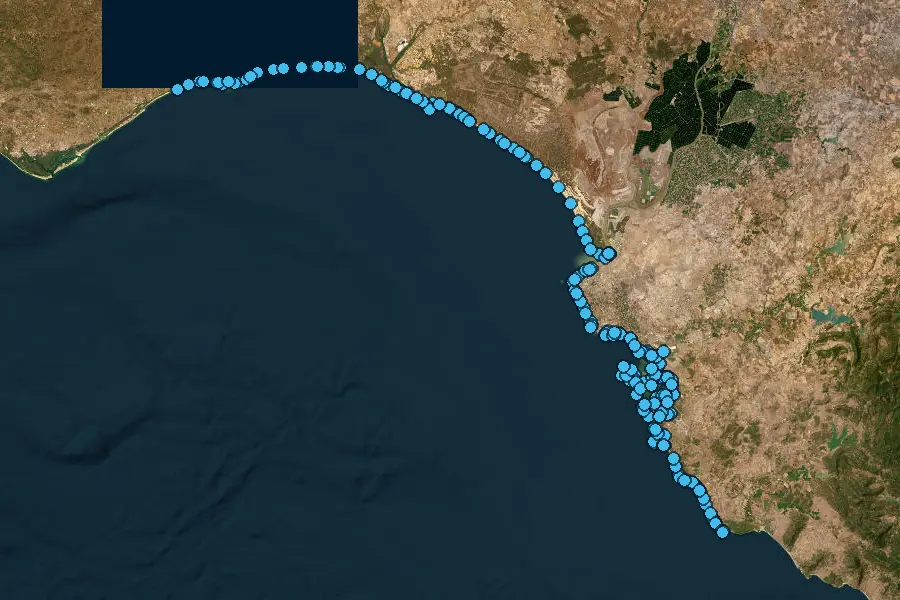
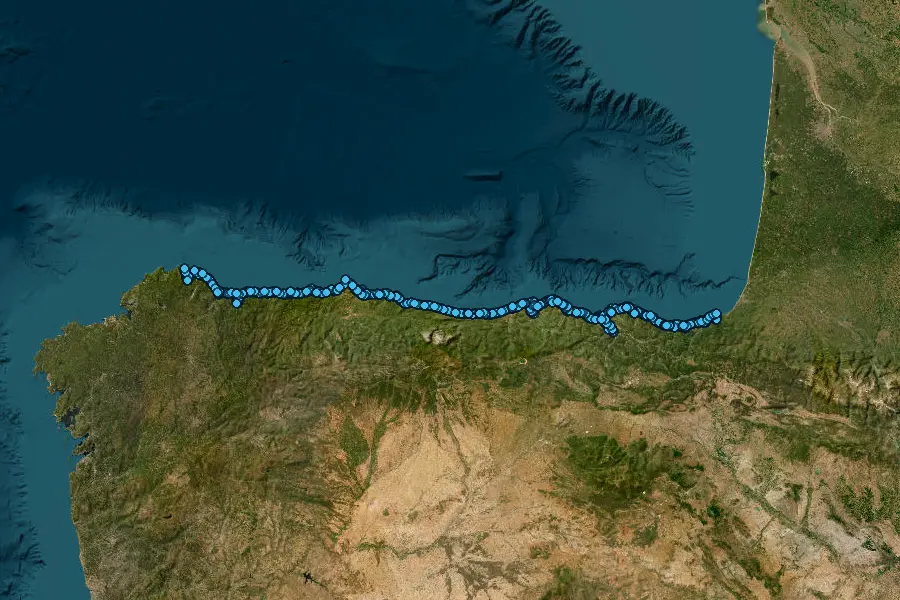
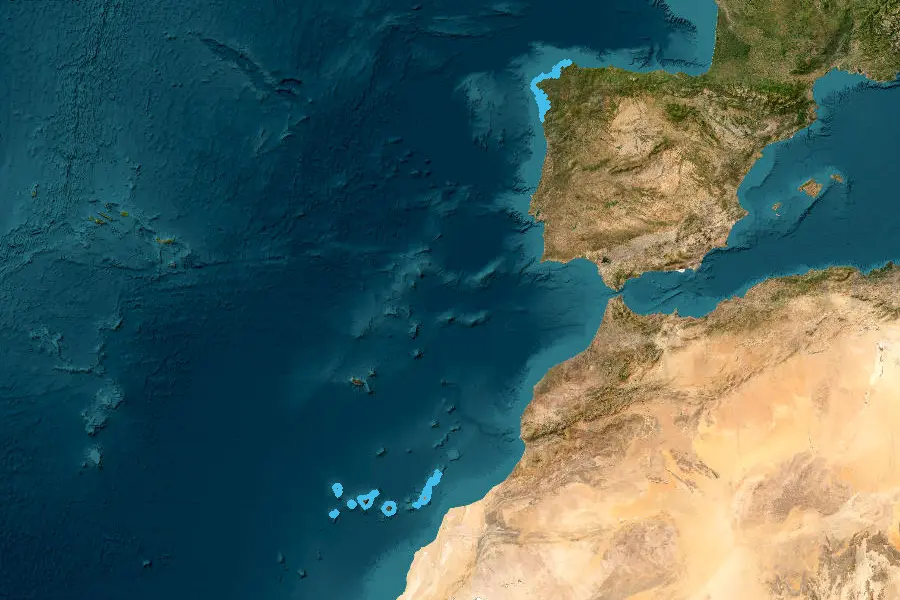
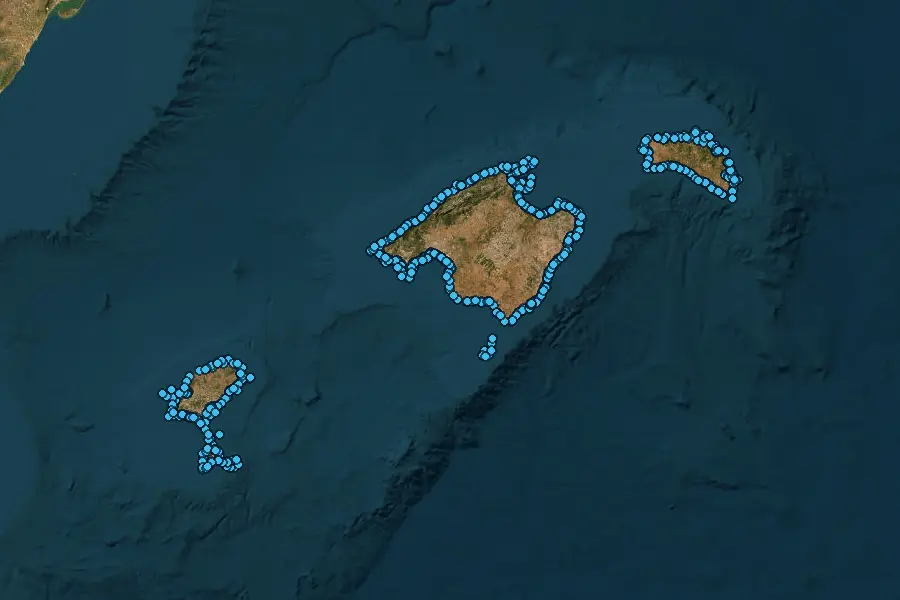
Map preview

Explore the coast on the map

Open map

A listed spot is not a guarantee of a catch.

Adriatic

Season and suitable conditions

Check the season information for the region you chose.

Peak months: May, Jun, Jul, Aug, Sep, Oct

Season information is no guarantee of a catch.

Best spots in October

By month

Average monthly score of the spots in Turkey (0–100).

  1. 44 Jan
  2. 44 Feb
  3. 44 Mar
  4. 75 Apr
  5. 73 May
  6. 63 Jun
  7. 59 Jul
  8. 58 Aug
  9. 69 Sep
  10. 74 Oct
  11. 68 Nov
  12. 62 Dec

The best spot in each Turkish province, by this month’s score.

  1. İğneada Limanı Dış Kıyısı Demirköy, Kırklareli 91/100 Very good
  2. Avana Plajı Bozcaada, Çanakkale 89/100 Very good
  3. Enez Limanı Dış Kıyısı Enez, Edirne 89/100 Very good
  4. Ayvalık Belediyesi Plaj İşletmesi Ayvalık, Balıkesir 88/100 Very good
  5. Aliaport Aliağa, İzmir 88/100 Very good

A 0–100 score from season, water temperature, habitat and local records; a general trend, not a guarantee.

Best times of day

When in the day it bites best, month by month.

  • Active by day
  • Poor at night

In October

  1. Dawn 70

    Sunrise → 2.5 h after

  2. Midday 75

    1 h before midday → 3 h after

  3. Dusk Best 75

    2 h before sunset → 0.5 h after

Not productive at night

Moon phase

Effect of the moon on night fishing; the scores compare the phases.

  1. New moon 10
  2. First quarter 10
  3. Full moon 15
  4. Last quarter 10

Best phase: No clear effect

Windows across 12 months

Best times of day J F M A M J J A S O N D
Dawn 55 55 55 70 70 85 85 85 85 70 70 55
Midday 85 85 85 75 75 55 55 55 55 75 75 85
Dusk 70 70 70 75 75 75 75 75 75 75 75 70
Night

Windows follow sunrise and sunset; clock times change with place and date. Scores are relative within the month: 100 is the best window of the day.

4 sources · confidence medium

Habitat

Where it lives and in what kind of water: ranges compiled by the research.

Depth

0–70 m

mostly 0–20 m

Water temperature

11–28 °C

ideal 18–22 °C

Salinity

Full-strength seawater

17.7–39.8 ‰

Shore types

  • Sandy beach
  • Cove / inner bay
  • Rocky shore
  • Breakwater / jetty
  • Around marinas
  • Headland
  • Mixed shore
  • Inside harbours
  • Cliff / steep shore
  • Harbour mouth
  • Reclaimed shore
  • Shoal / reef

Bottom

Lives close to the bottom

  • Sand
  • Rock
  • Seagrass
  • Seaweed

Ranges from FishBase, AquaMaps and the literature; a general tendency, not a hard limit.

Confidence: shore type high, temperature medium

Bait and tackle suggestions

Recorded baits and fishing techniques.

Bait by month

Baits documented for shore fishing, month by month and by water clarity.

In October

Processed bait (all year)

  • Bread

By water clarity

Herbivore / detritivore — Eats weed, algae and bottom mud. Rarely takes a lure.

Clear Visibility: over 8 m
Natural bait First natural bait: Seaweed · Very suitable Usually in this water: Weed, sea lettuce, worm; very fine tackle; chum. First lure: LRF micro soft plastic · Very suitable Usually in this water: Only where it is known to work locally: weed or bread imitation fly, micro soft plastic. Colour: Blue-green back, White, Clear
Slightly coloured Visibility: 4–8 m
Natural bait First natural bait: Seaweed · Very suitable Usually in this water: Weed, worm; chum. First lure: LRF micro soft plastic · Very suitable Usually in this water: Where it is known to work locally, a bread or weed fly. Colour: White, Blue-green back
Moderately coloured Visibility: 2–4 m
Natural bait First natural bait: Diopatra tube worm · Very suitable Usually in this water: Worm with chum; stream or channel mouths. First lure: LRF micro soft plastic · Suitable
Murky Visibility: 1–2 m
Natural bait First natural bait: Shrimp · Suitable Usually in this water: Worm, fish guts; chum; mullet feed in murky stream mouths. First lure: LRF micro soft plastic · Weak
Very murky Visibility: under 1 m
Natural bait First natural bait: Shrimp · Suitable Usually in this water: Worm, fish guts; chum. First lure: LRF micro soft plastic · Not recommended
12-month bait calendar
January
Natural baits: Seaweed, Diopatra tube worm, Shrimp Lures: LRF micro soft plastic
February
Natural baits: Seaweed, Diopatra tube worm, Shrimp Lures: LRF micro soft plastic
March
Natural baits: Seaweed, Diopatra tube worm, Shrimp Lures: LRF micro soft plastic
April
Natural baits: Seaweed, Diopatra tube worm, Shrimp Lures: LRF micro soft plastic
May
Natural baits: Seaweed, Diopatra tube worm, Shrimp Lures: LRF micro soft plastic
June
Natural baits: Seaweed, Diopatra tube worm, Shrimp Lures: LRF micro soft plastic
July
Natural baits: Seaweed, Diopatra tube worm, Shrimp Lures: LRF micro soft plastic
August
Natural baits: Seaweed, Diopatra tube worm, Shrimp Lures: LRF micro soft plastic
September
Natural baits: Seaweed, Diopatra tube worm, Shrimp Lures: LRF micro soft plastic
October
Natural baits: Seaweed, Diopatra tube worm, Shrimp Lures: LRF micro soft plastic
November
Natural baits: Seaweed, Diopatra tube worm, Shrimp Lures: LRF micro soft plastic
December
Natural baits: Seaweed, Diopatra tube worm, Shrimp Lures: LRF micro soft plastic

This is the usual pattern; the water and weather on the day can change it. Colour is fine-tuning: bait type, size and action come first. Confidence: natural high, lures medium. Colour and presentation guide

Tackle recipe

Float Fishing

Float fishing

Presenting the bait at a set water layer

  • Level: Beginner–Advanced
  • Effort: Low
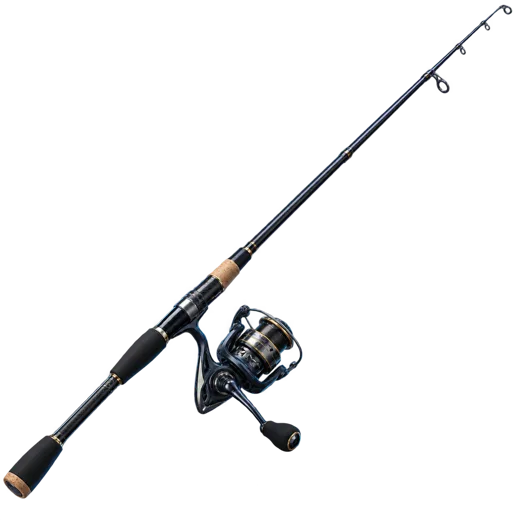
Rod
3.60–6.00 m; 5–30 g
Reel
2000–3000
Main line
0.16–0.24 mm mono
Leader/trace
0.12–0.22 mm
Hook/lure
#12–#4
Bait/lure
Mussel meat
Connector
Swivel/clip; pick a suitable breaking strain

Watch out: Current and line tangles with other anglers

Keep with you: Pliers, hook remover, glasses and first aid

Regulations: Communiqué 2024/21 Article 16 hook and line limits and place bans are checked
  • Rod

  • Reel

  • Line and leader

A setup to start from. Rod length, line diameter and drag are changed to suit the size of fish you are after and the current and bottom structure of the ground.

See tackle suggestions

Fishing rules

The regulation holds no separate minimum size or closed season entry for this species. The provisions for Türkiye as a whole apply.

Before you go, check local area and method restrictions.

Species profile

Salema porgy
Scientific name
Sarpa salpa
Family
Sparidae
Order
Eupercaria incertae sedis
Water type
Saltwater
Seas
Aegean Sea, Mediterranean, Sea of Marmara
Other names
Sarpa, Çitari

Frequently asked questions

Which seas is Salema porgy found in?

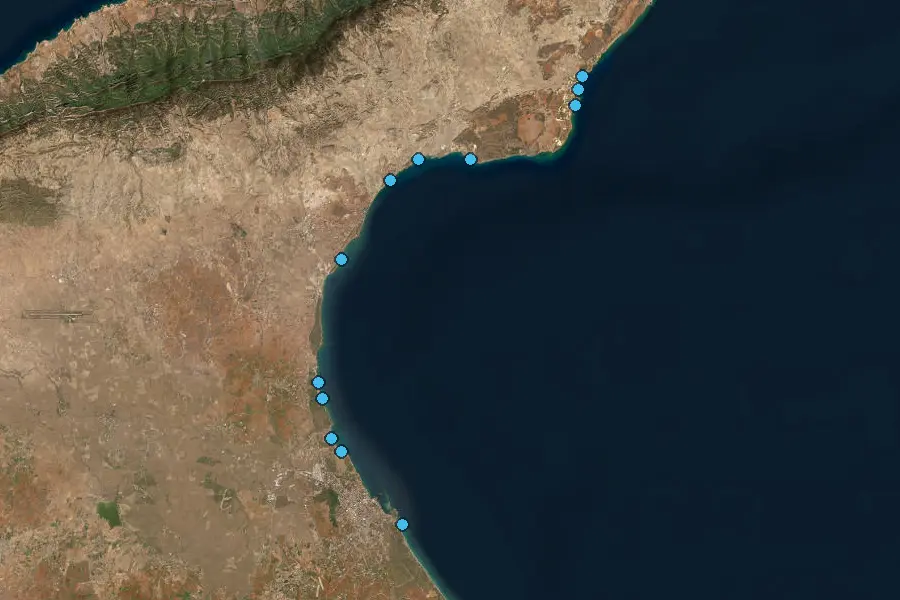
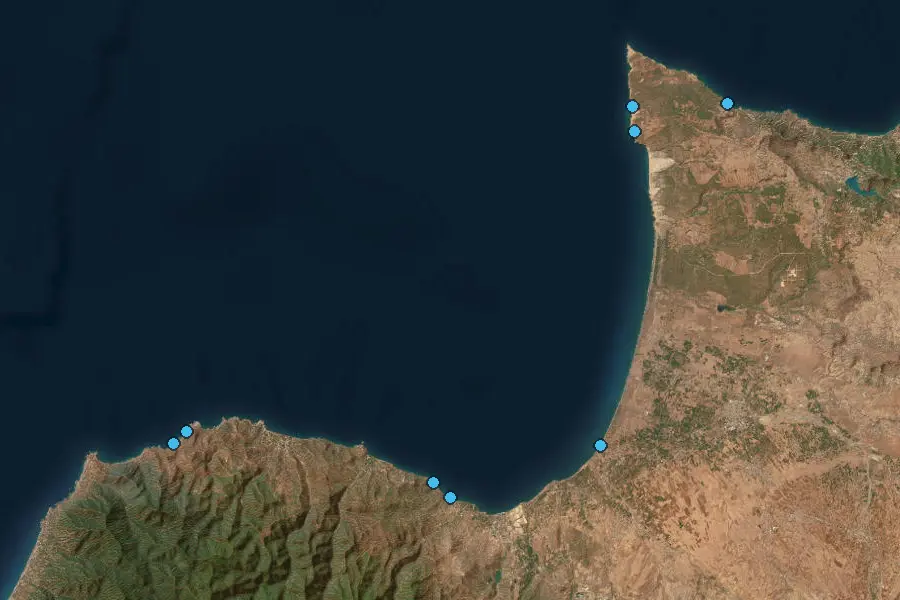
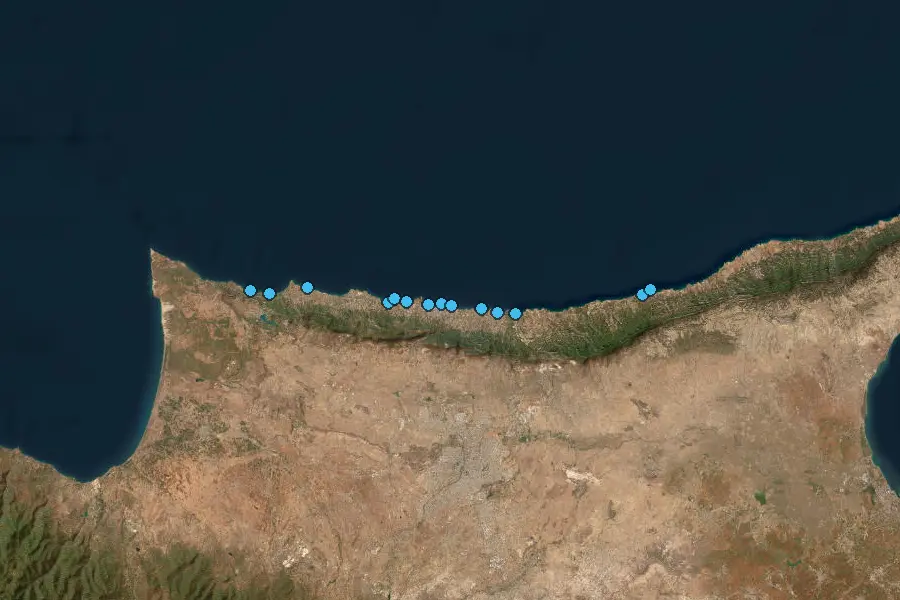
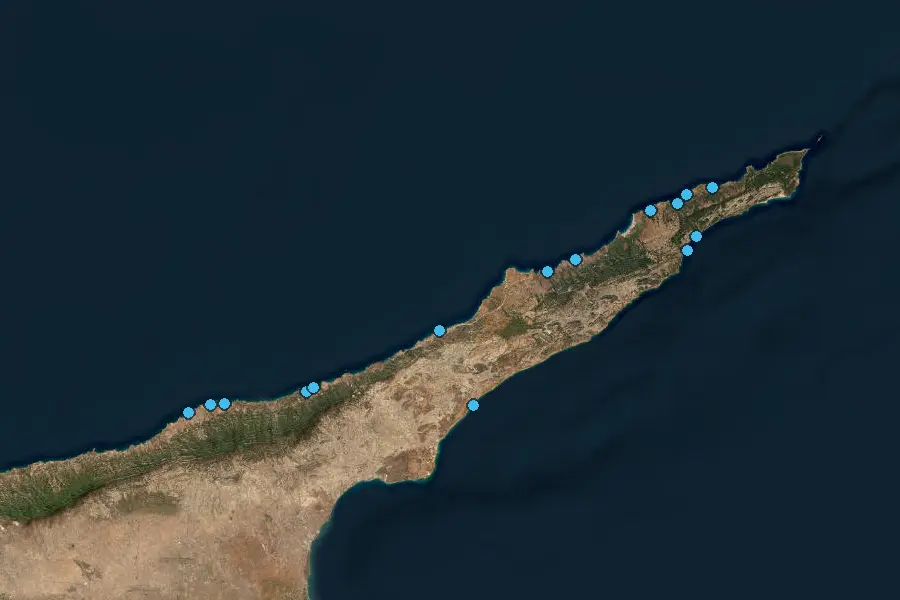
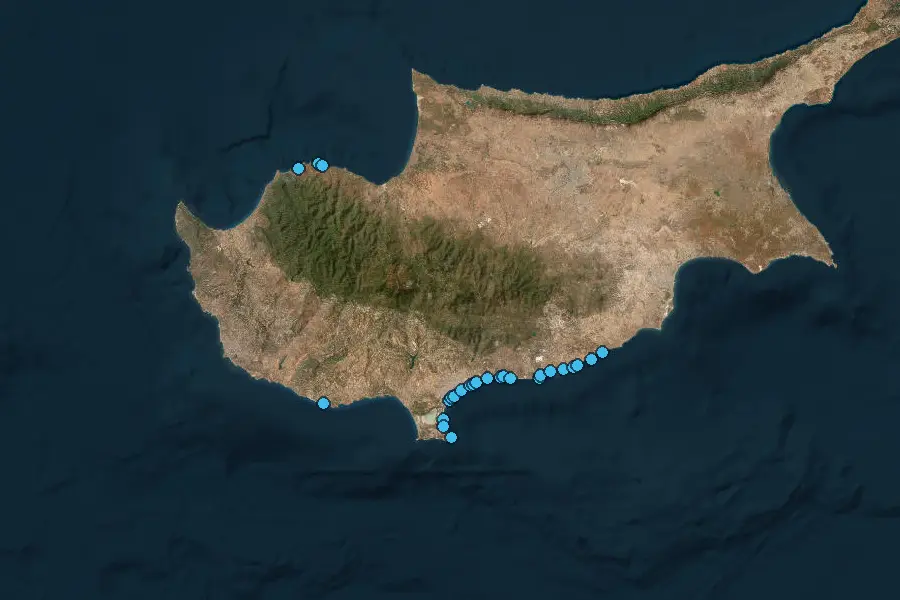
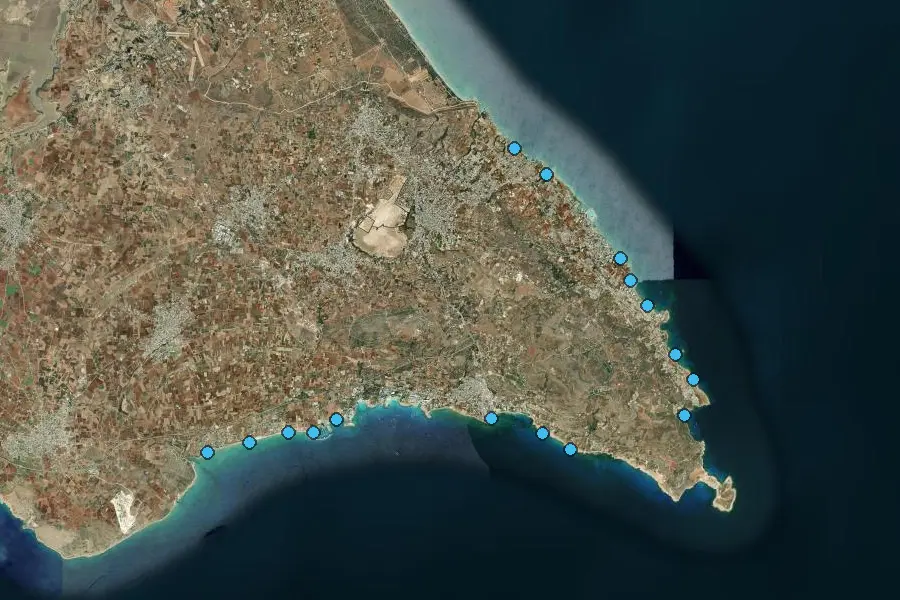
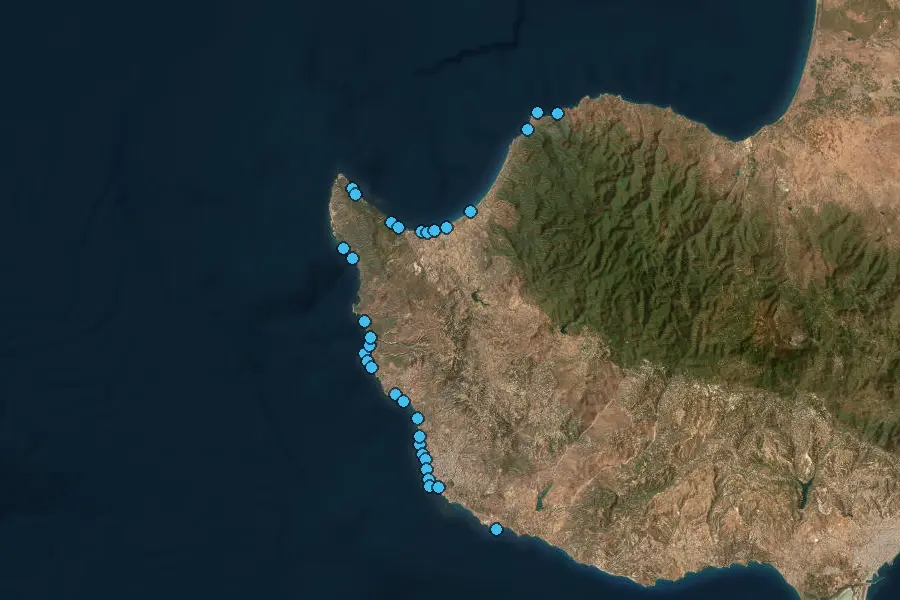
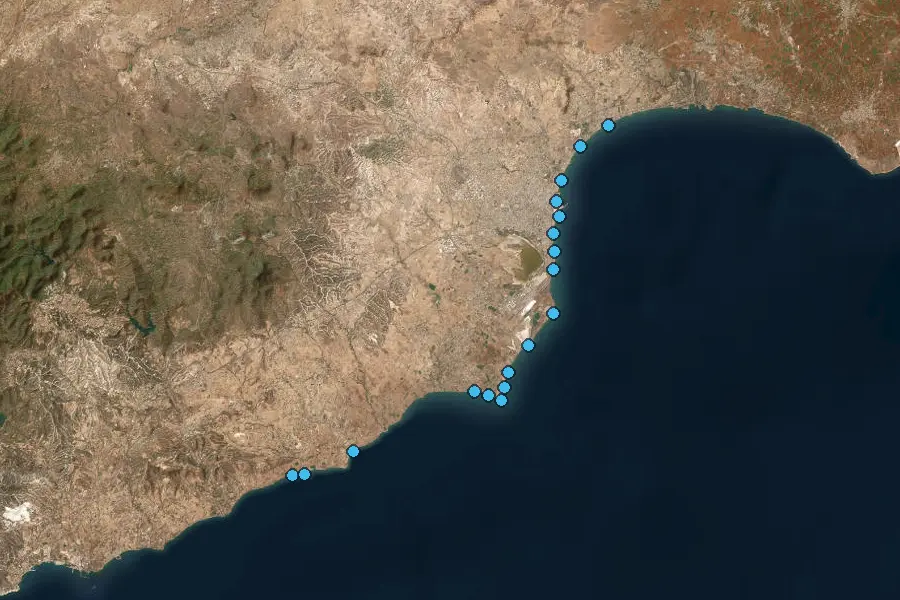
In our records Salema porgy appears in these seas: Sea of Marmara, Aegean Sea, Mediterranean, North Aegean & Thrace — Greece, Central & South Aegean — Greece, Ionian Sea — Greece, Crete & Libyan Sea — Greece, Güzelyurt Bay — Northern Cyprus, Kyrenia north coast — Northern Cyprus, Famagusta–İskele — Northern Cyprus, Karpas Peninsula — Northern Cyprus, Akamas–Paphos west coast — Southern Cyprus, Paphos–Limassol south coast — Southern Cyprus, Larnaca southeast coast — Southern Cyprus, Ayia Napa–Protaras — Southern Cyprus, Ligurian Sea — Italy, Tyrrhenian Sea — Italy, Adriatic — Italy, Ionian Sea — Italy, Strait of Sicily — Italy, Sardinian Sea — Italy, Atlantic Ocean — Spain, Mediterranean — Spain, Cantabrian Sea — Spain, Balearic Sea — Spain, Alboran Sea — Spain, Gulf of Cádiz — Spain, Strait of Gibraltar — Spain, Adriatic — Croatia.

In which months is Salema porgy at its peak?

Peak periods by sea: Aegean Sea all year; Mediterranean all year; Sea of Marmara all year; North Aegean & Thrace — Greece April–October; Central & South Aegean — Greece April–October; Ionian Sea — Greece April–October; Crete & Libyan Sea — Greece April–October; Mediterranean — Spain April, May, June, September, October; Famagusta–İskele — Northern Cyprus all year; Güzelyurt Bay — Northern Cyprus all year; Kyrenia north coast — Northern Cyprus all year; Karpas Peninsula — Northern Cyprus all year; Paphos–Limassol south coast — Southern Cyprus all year; Ayia Napa–Protaras — Southern Cyprus all year; Akamas–Paphos west coast — Southern Cyprus all year; Larnaca southeast coast — Southern Cyprus all year; Sardinian Sea — Italy April, May, June, September, October; Tyrrhenian Sea — Italy April, May, June, September, October; Adriatic — Italy April, May, June, September, October; Ionian Sea — Italy April, May, June, September, October; Strait of Sicily — Italy April, May, June, September, October; Ligurian Sea — Italy April, May, June, September, October; Alboran Sea — Spain April, May, June, September, October; Strait of Gibraltar — Spain April, May, June, September, October; Gulf of Cádiz — Spain April, May, June, September, October; Cantabrian Sea — Spain March, April, May, August, September; Atlantic Ocean — Spain May, June, July, October, November; Balearic Sea — Spain April, May, June, September, October; Adriatic — Croatia May–October.

Similar species

Pick your spot, check the conditions, then head out.

Open fishing grounds on the map

Pisca AI

Members only

Ask about this species

Salema porgy · Sarpa salpa

Works with Piscatorium data: spot scores, seasonal species and tackle recipes. Type your question and the chat opens in the side panel.

What can you ask?

Weigh the answers together with their sources.

Ask Pisca AI

Pro membership

PRO MEMBERSHIP