Sea fish
Marbled spinefoot
Siganus rivulatus
Get to know the species, pick your region, find your spot.
Other names: Beyaz sokar

- Habitat
- Weedy · rocky
- Method
- Float fishing · LRF
- Family
- Siganidae
Choose your region
The information changes with the region you choose.
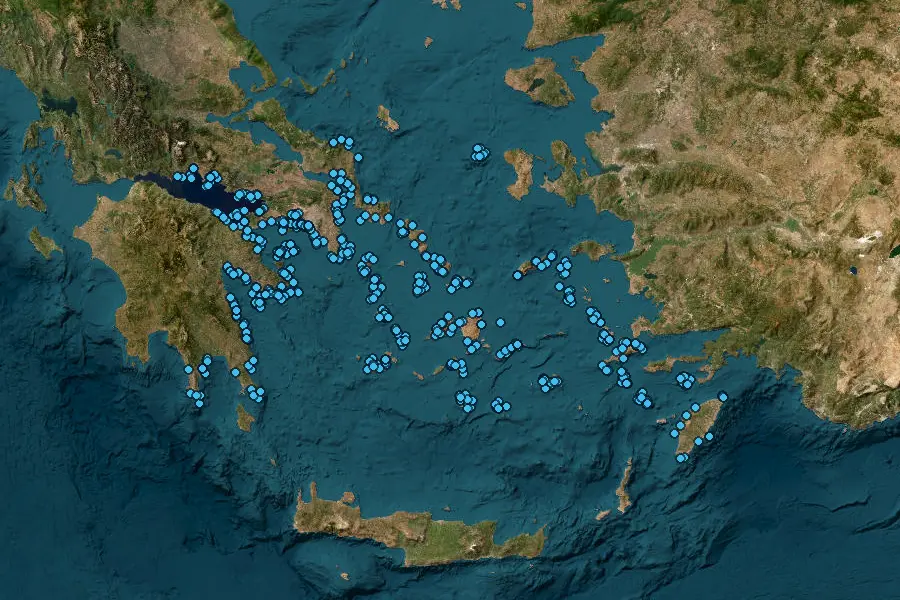
Where is Marbled spinefoot caught?
Explore the regions or go straight to the map.
Aegean Sea fishing spots
Mediterranean fishing spots
Central & South Aegean fishing spots
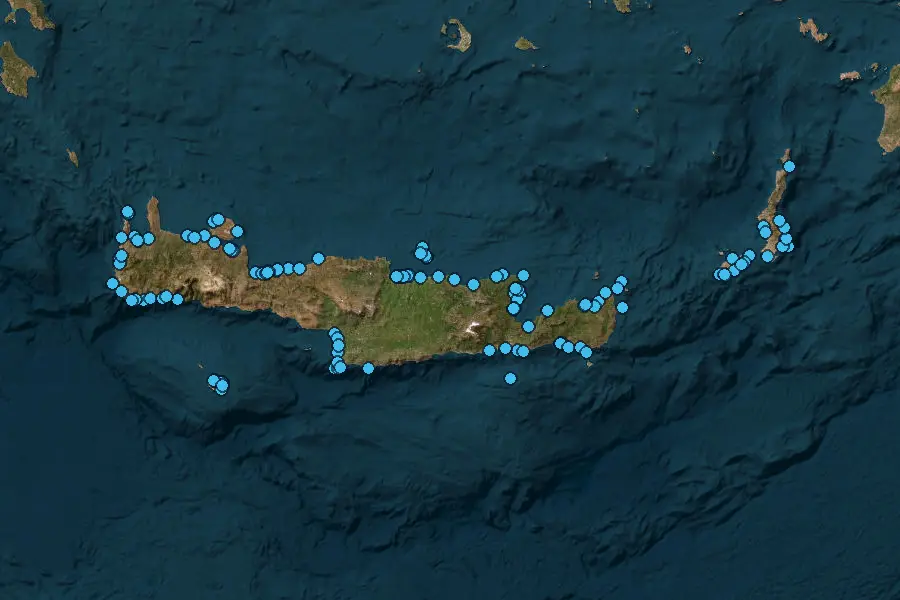
179Crete & Libyan Sea fishing spots
45Mediterranean fishing spots
62Famagusta–İskele fishing spots
12Güzelyurt Bay fishing spots
8Kyrenia north coast fishing spots
14Karpas Peninsula fishing spots
15Paphos–Limassol south coast fishing spots
26Ayia Napa–Protaras fishing spots
16Akamas–Paphos west coast fishing spots
32Larnaca southeast coast fishing spots
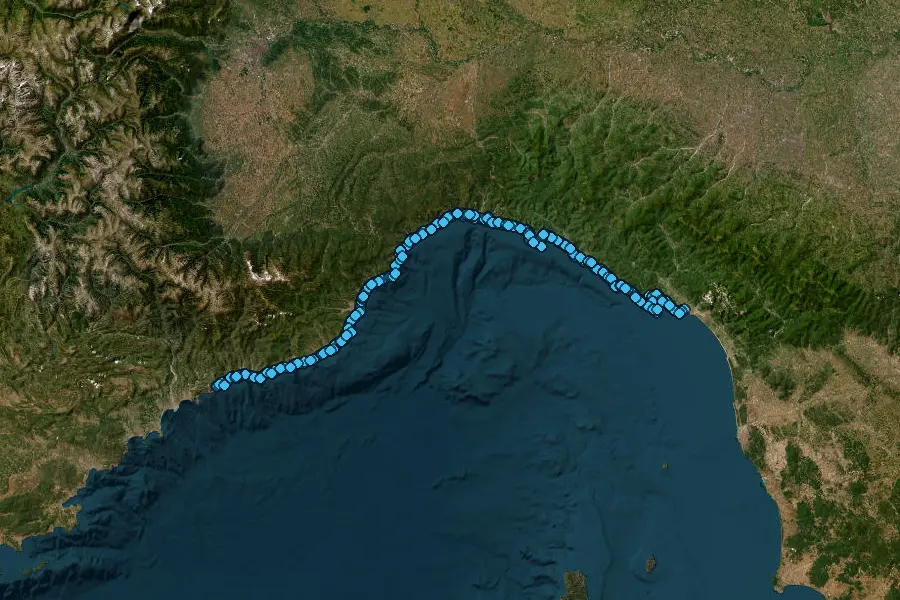
18Ligurian Sea fishing spots
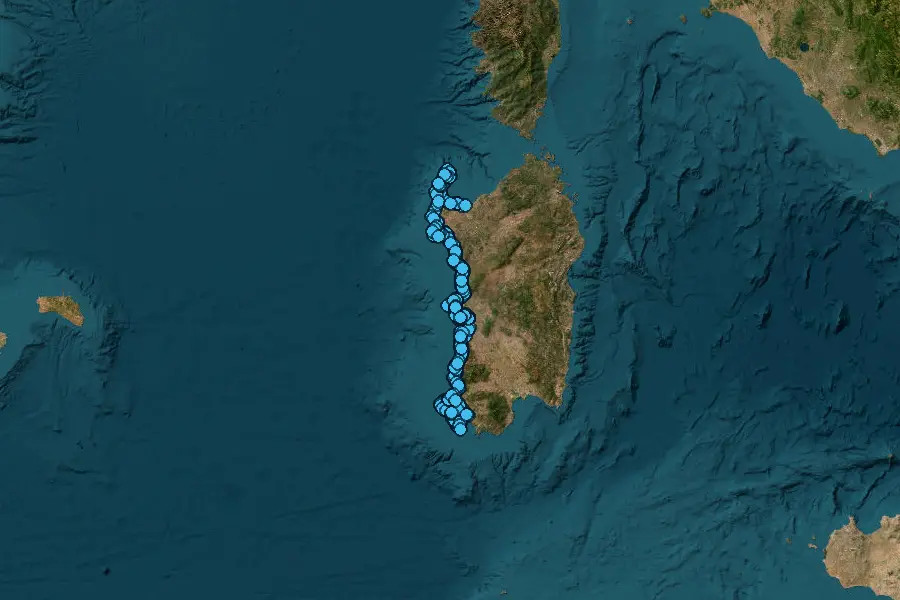
19Sardinian Sea fishing spots
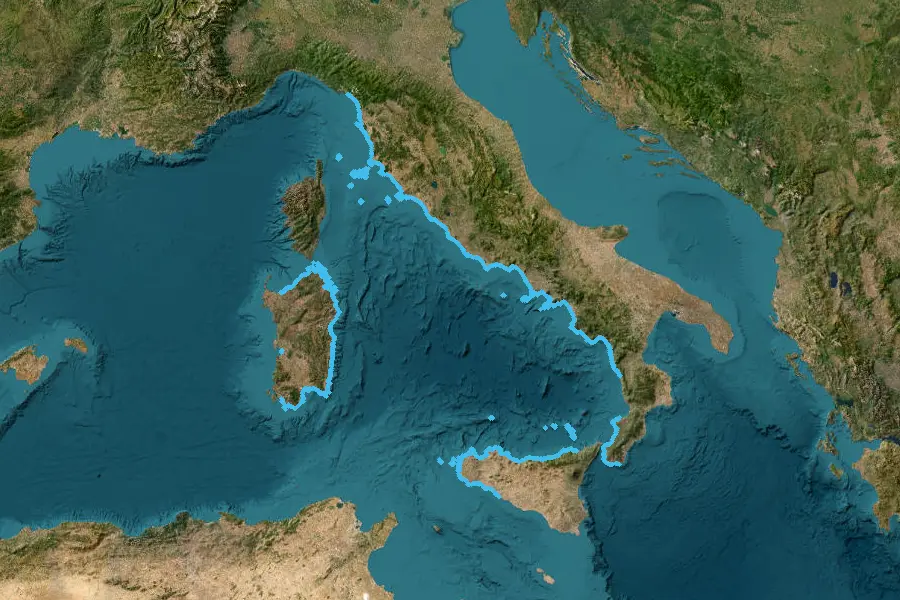
36Tyrrhenian Sea fishing spots
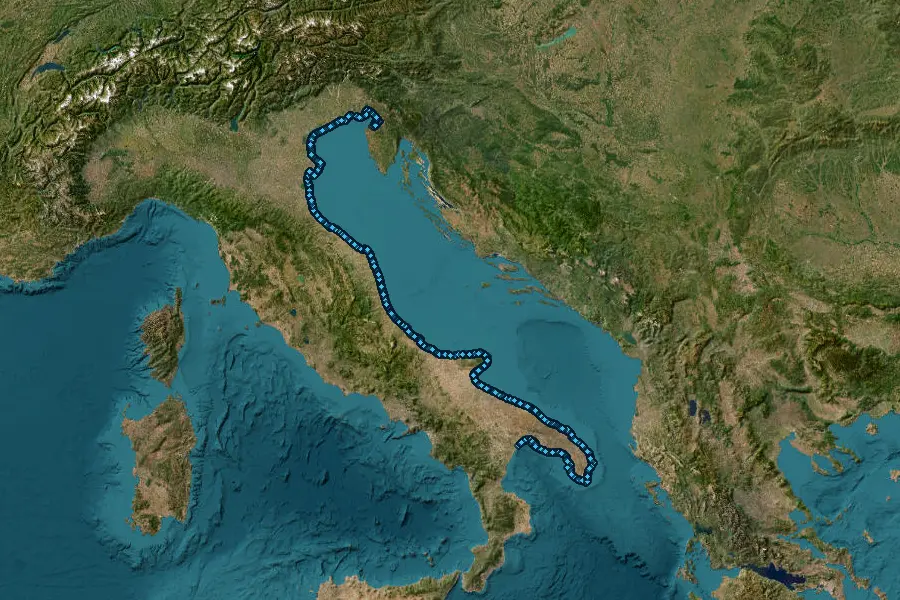
192Adriatic fishing spots
118Strait of Sicily fishing spots
30Ionian Sea fishing spots
64Alboran Sea fishing spots
25Strait of Gibraltar fishing spots
16Gulf of Cádiz fishing spots
17Cantabrian Sea fishing spots
31Atlantic Ocean fishing spots
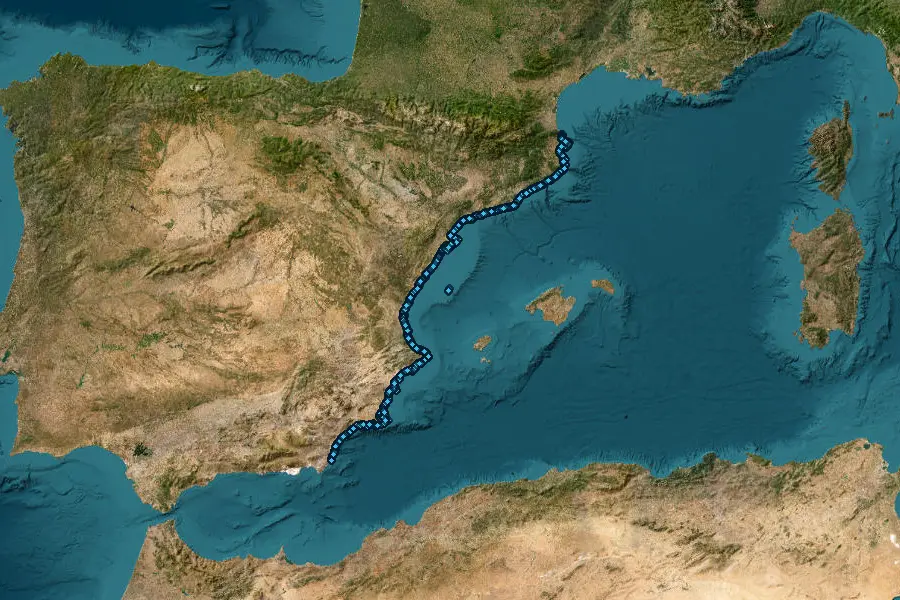
37Balearic Sea fishing spots
50No site-level records in this region; the information is at region level.
No site-level records in this region; the information is at region level.
179 fishing grounds
45 fishing grounds
62 fishing grounds
12 fishing grounds
8 fishing grounds
14 fishing grounds
15 fishing grounds
26 fishing grounds
16 fishing grounds
32 fishing grounds
18 fishing grounds
- Ventimiglia · river mouth sector Imperia · Ventimiglia
- Fiume Centa Savona · Albenga
- Fiume Magra La Spezia · Sarzana
- Lerici · river mouth sector La Spezia · Lerici
- Portovenere · river mouth sector La Spezia · Portovenere
- Rio Armea Imperia · Taggia
- Rio Bordella Savona · Finale Ligure
- Rio Borghi Genova · Camogli
- Porto Torres · rocky cliff sector Sassari · Porto Torres
- Riu S'Attentu Oristano · Cuglieri
- Alghero · pier sector Sassari · Alghero
- Arbus · pier sector Medio Campidano · Arbus
- Buggerru · river mouth sector Sulcis Iglesiente · Buggerru
- Cabras · beach sector Oristano · Cabras
- Cabras · beach sector 2 Oristano · Cabras
- Calasetta · river mouth sector Sulcis Iglesiente · Calasetta
- Campo nell'Elba · rocky cliff sector Livorno · Campo nell'Elba
- Canale di Mezzanotte Salerno · Sapri
- Capoliveri · river mouth sector Livorno · Capoliveri
- Capraia Isola · river mouth sector Livorno · Capraia Isola
- Castiglione della Pescaia · rocky cliff sector Grosseto · Castiglione della Pescaia
- Grosseto · rocky cliff sector Grosseto
- Livorno · rocky cliff sector Livorno
- Lumia Vibo Valentia · Tropea
- Duino Aurisina-Devin Nabrežina · canal mouth sector Trieste · Duino Aurisina-Devin Nabrežina
- Gagliano del Capo · river mouth sector Lecce · Gagliano del Capo
- Vieste · river mouth sector 2 Foggia · Vieste
- Adige Venezia · Chioggia
- Biferno Campobasso · Termoli
- Bisceglie · breakwater sector Barletta-Andria-Trani · Bisceglie
- Bocca di Porto di Lido Venezia · Cavallino-Treporti
- Brindisi · beach sector 2 Brindisi
- Augusta · rocky cliff sector Siracusa · Augusta
- Lampedusa e Linosa · rocky cliff sector 2 Agrigento · Lampedusa e Linosa
- Agrigento · river mouth sector Agrigento
- Cava di Mistretta Ragusa · Santa Croce Camerina
- Fiume Asinaro Siracusa · Avola
- Fiume Cassibile Siracusa
- Fiume Palma Agrigento · Palma di Montechiaro
- Fiume San Leonardo Siracusa · Augusta
- Acireale · river mouth sector Catania · Acireale
- Amantea · river mouth sector Cosenza · Amantea
- Assi Reggio Calabria · Monasterace
- Basento Matera · Pisticci
- Belcastro · river mouth sector Catanzaro · Belcastro
- Bradano Matera · Bernalda
- Briatico · river mouth sector Vibo Valentia · Briatico
- Canale Buttaceto Catania
25 fishing grounds
16 fishing grounds
17 fishing grounds
31 fishing grounds
37 fishing grounds
50 fishing grounds
No fishing ground or region matches your search.


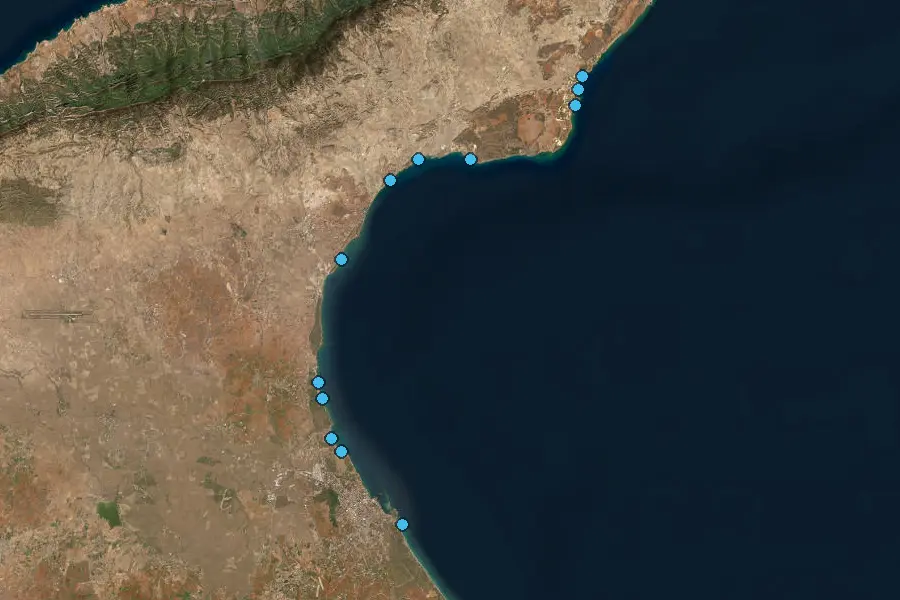
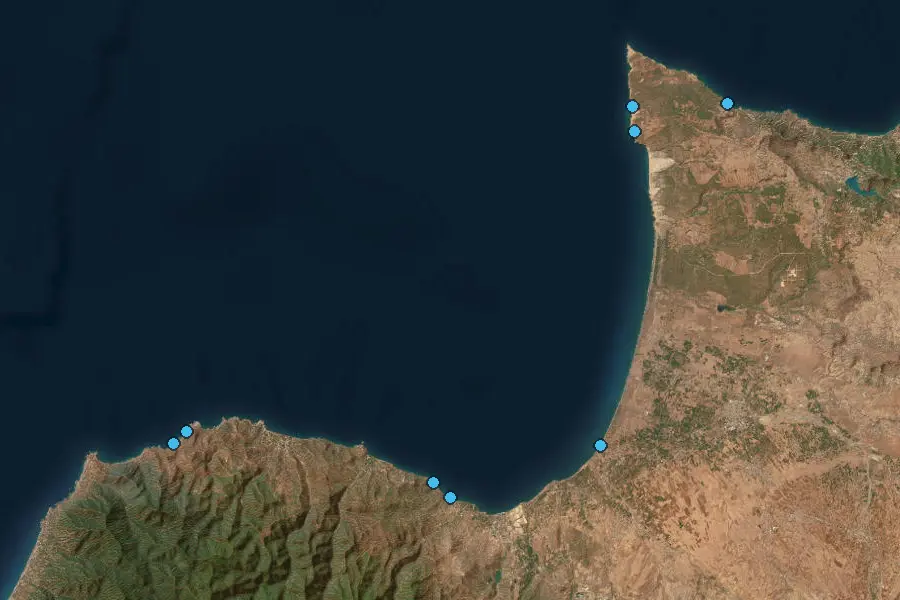
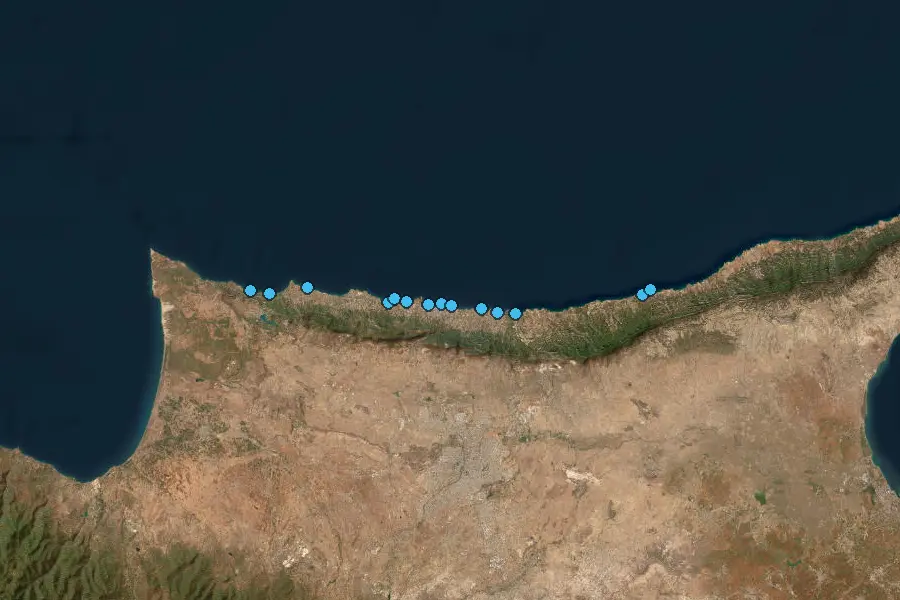
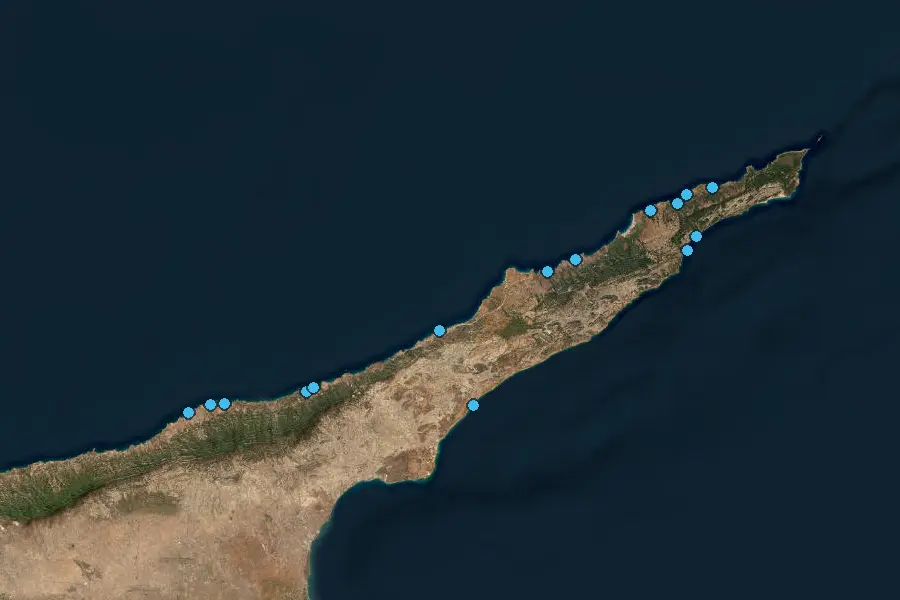
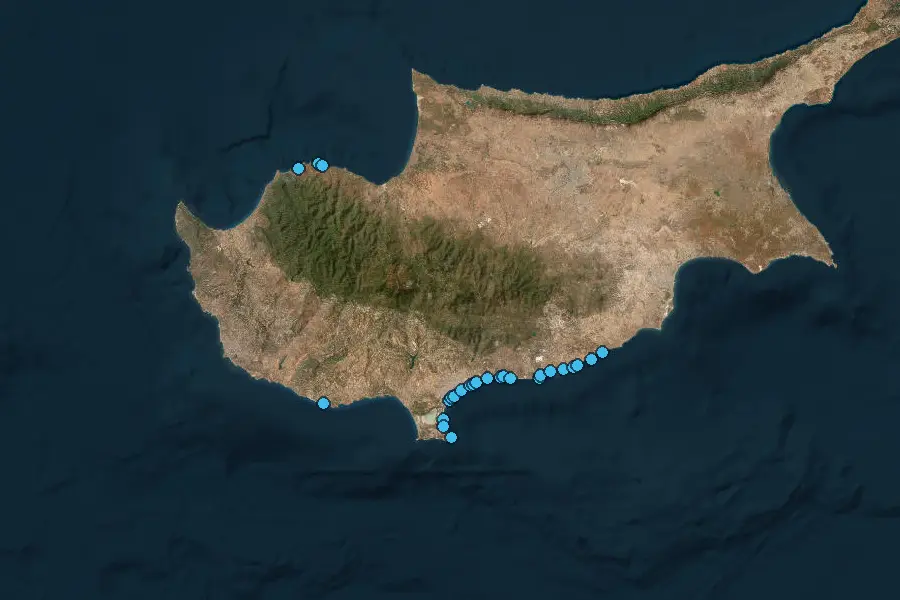
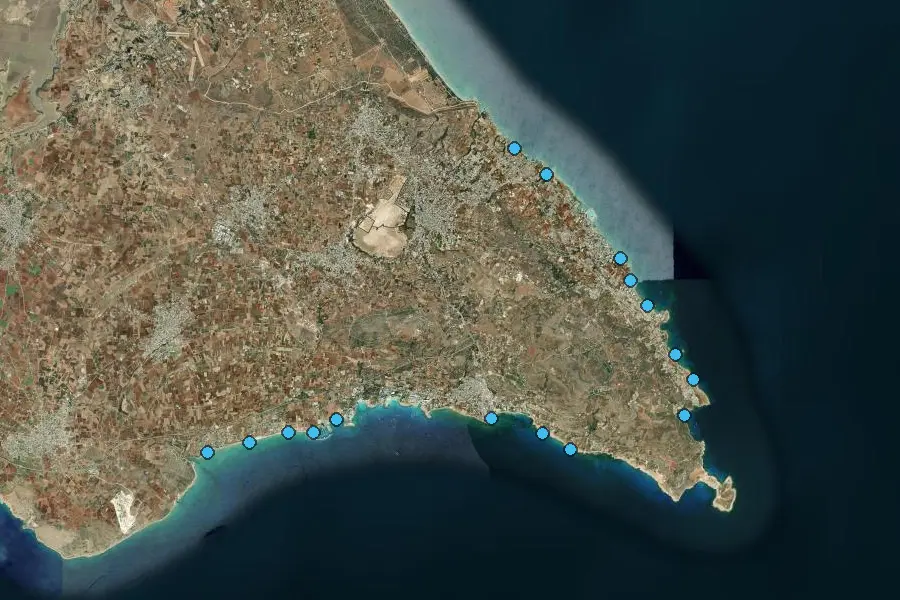
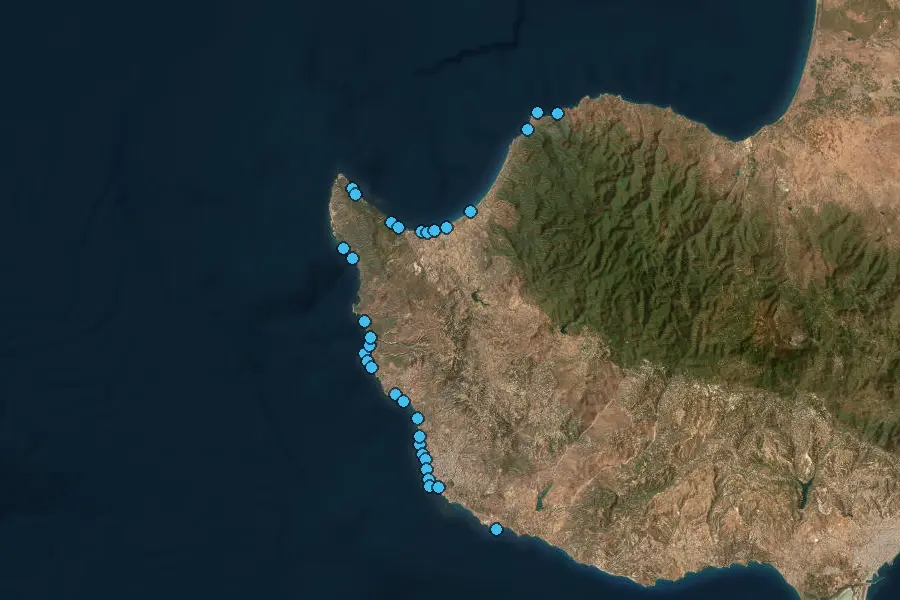
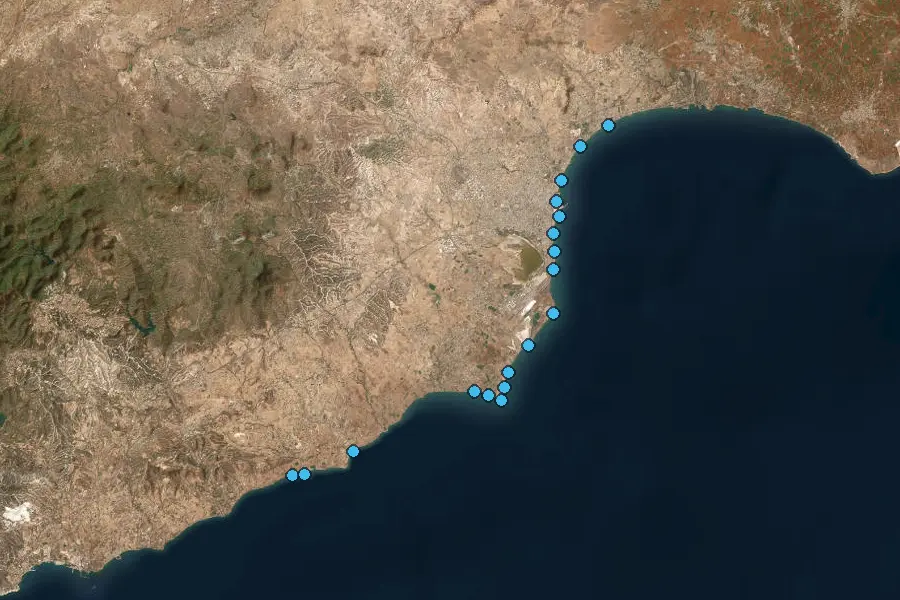
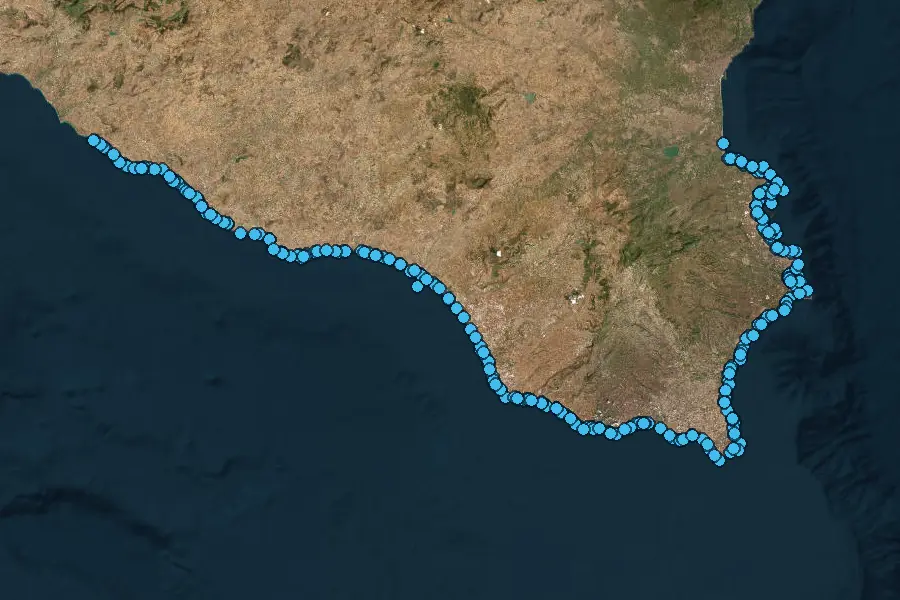
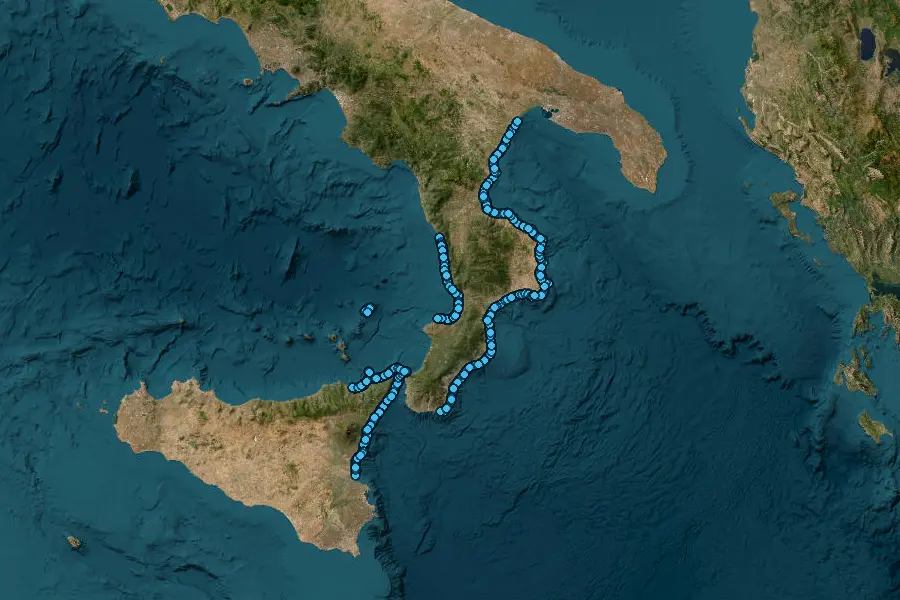
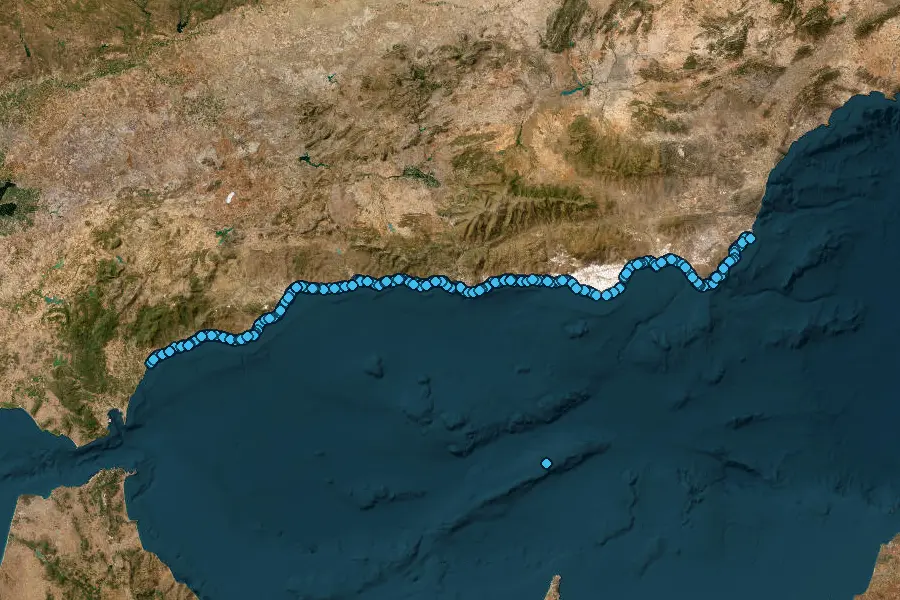
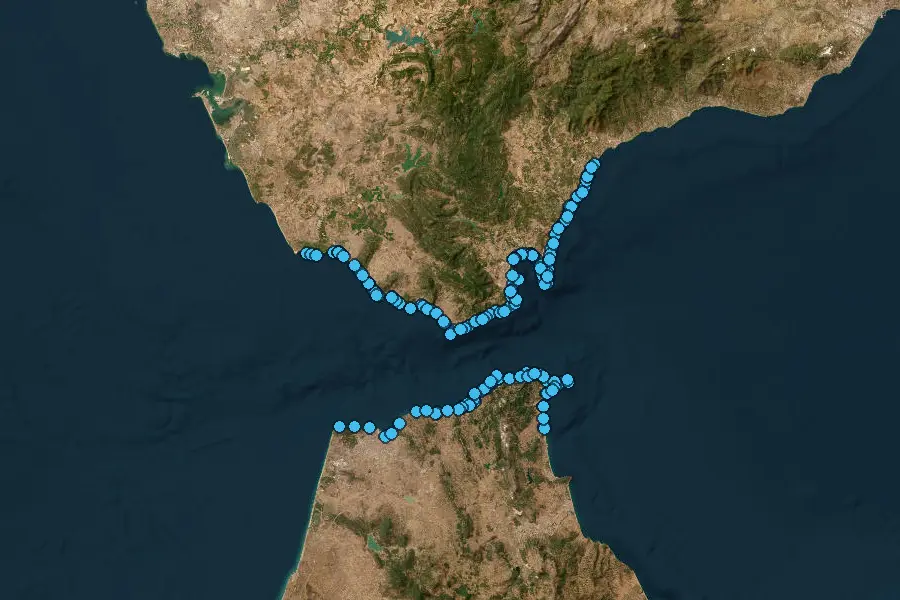
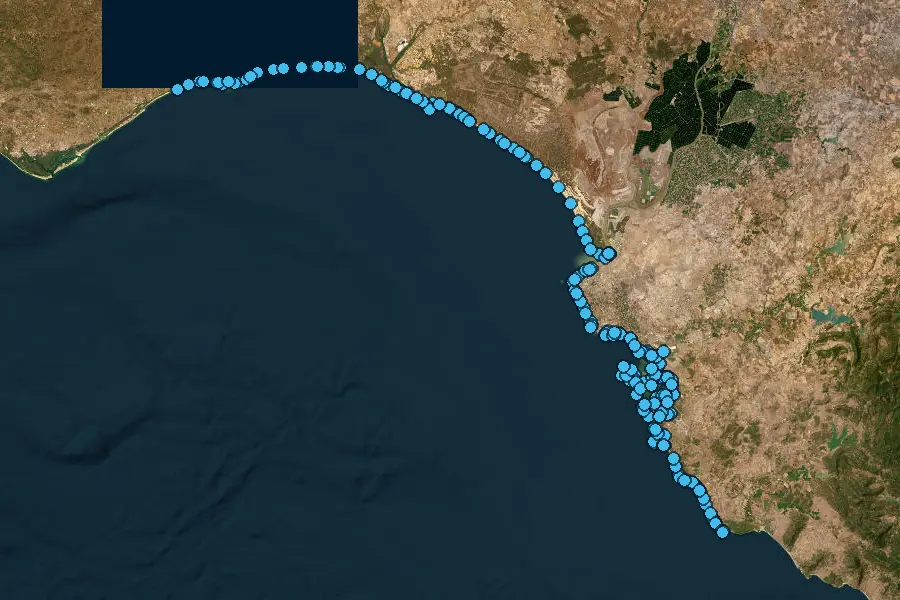
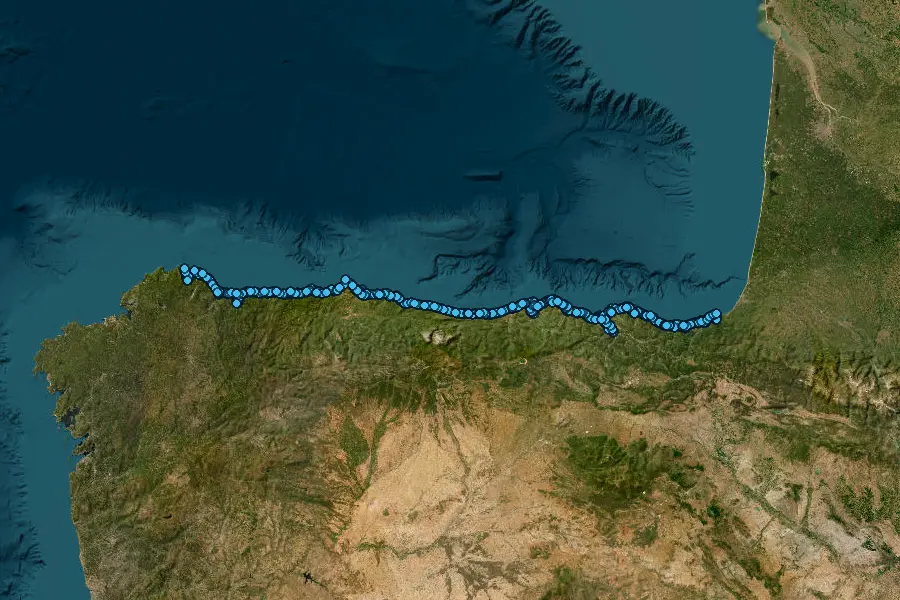
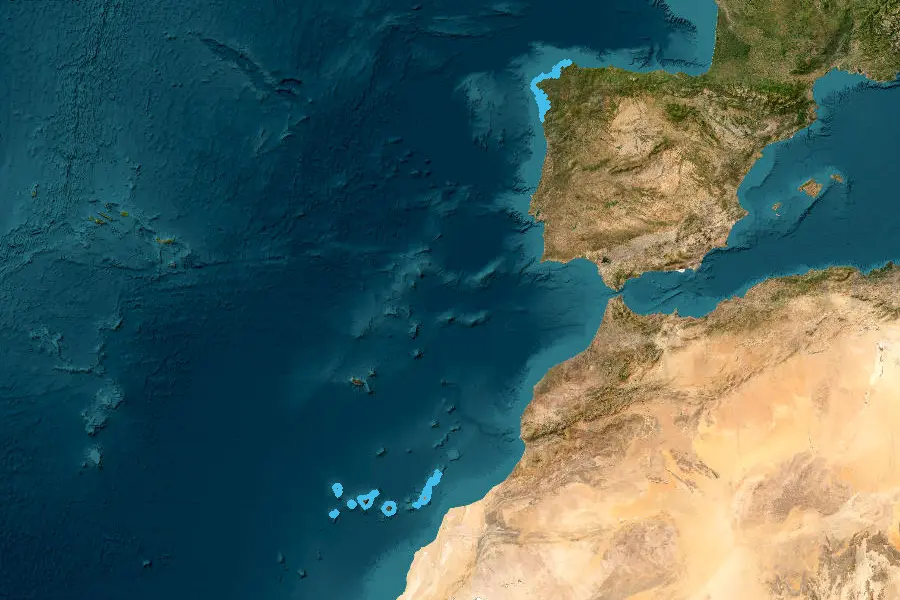
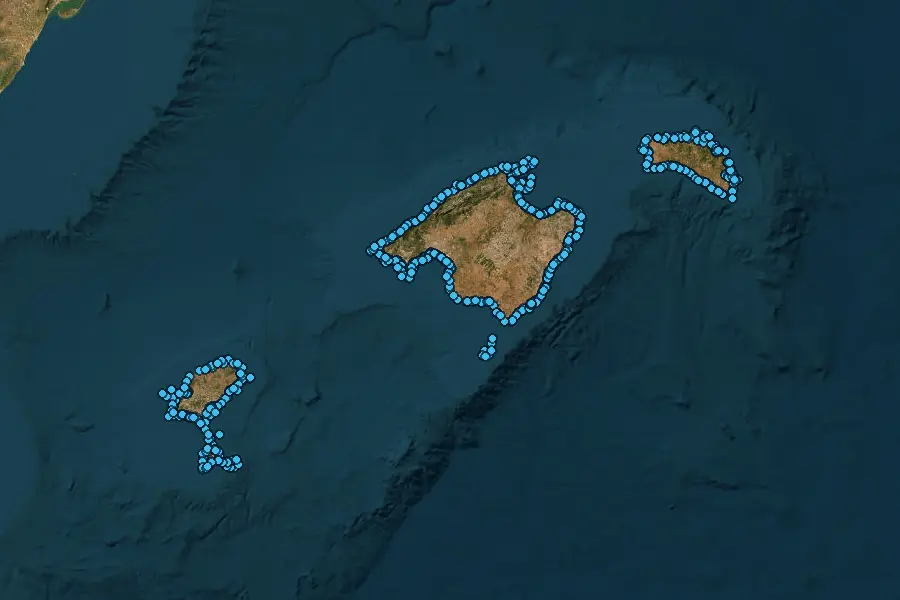
A listed spot is not a guarantee of a catch.
Aegean Sea
Season and suitable conditions
Check the season information for the region you chose.
Peak months: Apr, May, Jun, Jul, Aug, Sep, Oct, Nov
Mediterranean
Season and suitable conditions
Check the season information for the region you chose.
Peak months: Mar, Apr, May, Jun, Jul, Aug, Sep, Oct
Central & South Aegean
Season and suitable conditions
Check the season information for the region you chose.
Peak months: Mar, Apr, May, Jun, Jul, Aug, Sep, Oct, Nov
Crete & Libyan Sea
Season and suitable conditions
Check the season information for the region you chose.
Peak months: Mar, Apr, May, Jun, Jul, Aug, Sep, Oct, Nov
Mediterranean
Season and suitable conditions
Check the season information for the region you chose.
Peak months: Jun, Jul, Aug, Sep, Oct
Famagusta–İskele
Season and suitable conditions
Check the season information for the region you chose.
Peak months: Jun, Jul, Aug, Sep
Güzelyurt Bay
Season and suitable conditions
Check the season information for the region you chose.
Peak months: Jun, Jul, Aug, Sep
Kyrenia north coast
Season and suitable conditions
Check the season information for the region you chose.
Peak months: Jun, Jul, Aug, Sep
Karpas Peninsula
Season and suitable conditions
Check the season information for the region you chose.
Peak months: Jun, Jul, Aug, Sep
Paphos–Limassol south coast
Season and suitable conditions
Check the season information for the region you chose.
Peak months: Jun, Jul, Aug, Sep
Ayia Napa–Protaras
Season and suitable conditions
Check the season information for the region you chose.
Peak months: Jun, Jul, Aug, Sep
Akamas–Paphos west coast
Season and suitable conditions
Check the season information for the region you chose.
Peak months: Jun, Jul, Aug, Sep
Larnaca southeast coast
Season and suitable conditions
Check the season information for the region you chose.
Peak months: Jun, Jul, Aug, Sep
Ligurian Sea
Season and suitable conditions
Check the season information for the region you chose.
Peak months: Jun, Jul, Aug, Sep, Oct
Sardinian Sea
Season and suitable conditions
Check the season information for the region you chose.
Peak months: Jun, Jul, Aug, Sep, Oct
Tyrrhenian Sea
Season and suitable conditions
Check the season information for the region you chose.
Peak months: Jun, Jul, Aug, Sep, Oct
Adriatic
Season and suitable conditions
Check the season information for the region you chose.
Peak months: Jun, Jul, Aug, Sep, Oct
Strait of Sicily
Season and suitable conditions
Check the season information for the region you chose.
Peak months: Jun, Jul, Aug, Sep, Oct
Ionian Sea
Season and suitable conditions
Check the season information for the region you chose.
Peak months: Jun, Jul, Aug, Sep, Oct
Alboran Sea
Season and suitable conditions
Check the season information for the region you chose.
Peak months: Jun, Jul, Aug, Sep, Oct
Strait of Gibraltar
Season and suitable conditions
Check the season information for the region you chose.
Peak months: Jun, Jul, Aug, Sep, Oct
Gulf of Cádiz
Season and suitable conditions
Check the season information for the region you chose.
Peak months: Jun, Jul, Aug, Sep, Oct
Cantabrian Sea
Season and suitable conditions
Check the season information for the region you chose.
Peak months: May, Jun, Jul, Aug, Sep
Atlantic Ocean
Season and suitable conditions
Check the season information for the region you chose.
Peak months: May, Jun, Jul, Aug, Sep
Balearic Sea
Season and suitable conditions
Check the season information for the region you chose.
Peak months: Jun, Jul, Aug, Sep, Oct
Season information is no guarantee of a catch.
Best spots in October
By month
Average monthly score of the spots in Turkey (0–100).
- 64 Jan
- 64 Feb
- 64 Mar
- 64 Apr
- 76 May
- 76 Jun
- 76 Jul
- 86 Aug
- 87 Sep
- 87 Oct
- 76 Nov
- 64 Dec
The best spot in each Turkish province, by this month’s score.
- Liman Hamami Manavgat, Antalya 100/100 Very good
- Altınkum Didim, Aydın 92/100 Very good
- Avana Plajı Bozcaada, Çanakkale 92/100 Very good
- Sultaniçe Sahili Enez, Edirne 92/100 Very good
- Akgunler Ferry Silifke, Mersin 92/100 Very good
A 0–100 score from season, water temperature, habitat and local records; a general trend, not a guarantee.
Best times of day
When in the day it bites best, month by month.
- Active by day
- Poor at night
In October
-
Dawn Best 85
0.5 h before sunrise → 3 h after
-
Midday 70
1 h before midday → 2 h after
-
Dusk 75
2.5 h before sunset → sunset
Not productive at night
Moon phase
Effect of the moon on night fishing; the scores compare the phases.
- New moon 5
- First quarter 5
- Full moon 5
- Last quarter 5


Best phase: No clear effect
Windows across 12 months
| Best times of day | JJan | FFeb | MMar | AApr | MMay | JJun | JJul | AAug | SSep | OOct | NNov | DDec |
|---|---|---|---|---|---|---|---|---|---|---|---|---|
| Dawn | 45 | 45 | 70 | 70 | 70 | 85 | 85 | 85 | 85 | 85 | 85 | 45 |
| Midday | 80 | 80 | 75 | 75 | 75 | 60 | 60 | 60 | 70 | 70 | 70 | 80 |
| Dusk | 55 | 55 | 70 | 70 | 70 | 85 | 85 | 80 | 75 | 75 | 75 | 55 |
| Night |
Windows follow sunrise and sunset; clock times change with place and date. Scores are relative within the month: 100 is the best window of the day.
3 sources · confidence medium
Habitat
Where it lives and in what kind of water: ranges compiled by the research.
Depth
1–30 m
mostly 1–15 m
Water temperature
14–36 °C
ideal 27–29 °C
Salinity
Full-strength seawater
25–40 ‰
Shore types
- Cove / inner bay
- Rocky shore
- Breakwater / jetty
- Pier / quay
- Around marinas
- Mixed shore
- Inside harbours
- Harbour mouth
- Reclaimed shore
- Shoal / reef
Bottom
Lives close to the bottom
- Sand
- Rock
- Seagrass
- Seaweed
Ranges from FishBase, AquaMaps and the literature; a general tendency, not a hard limit.
Confidence: shore type medium, temperature high
Bait and tackle suggestions
Recorded baits and fishing techniques.
Bait by month
Baits documented for shore fishing, month by month and by water clarity.
In October
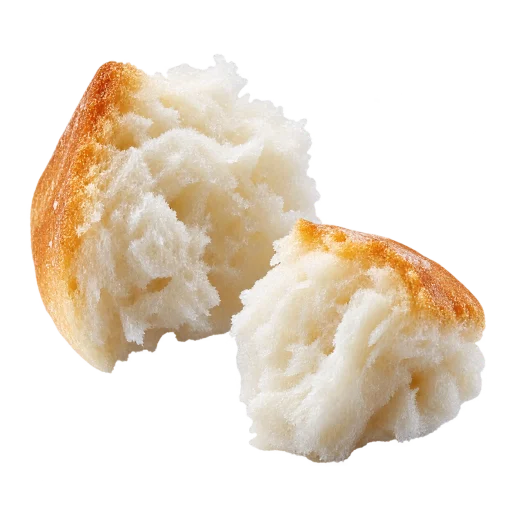
Processed bait (all year)
- Dough
- Bread
By water clarity
Herbivore / detritivore — Eats weed, algae and bottom mud. Rarely takes a lure.
- Clear Visibility: over 8 m
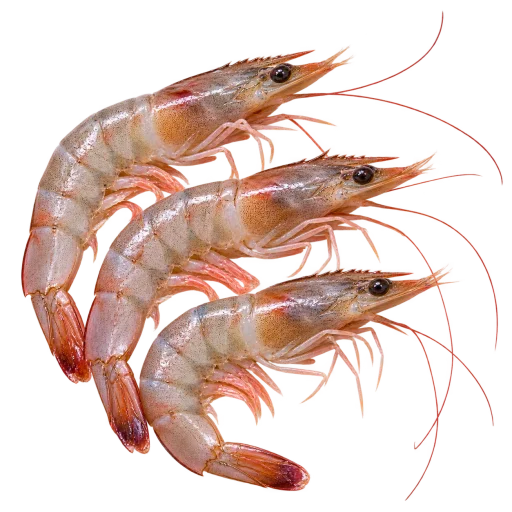
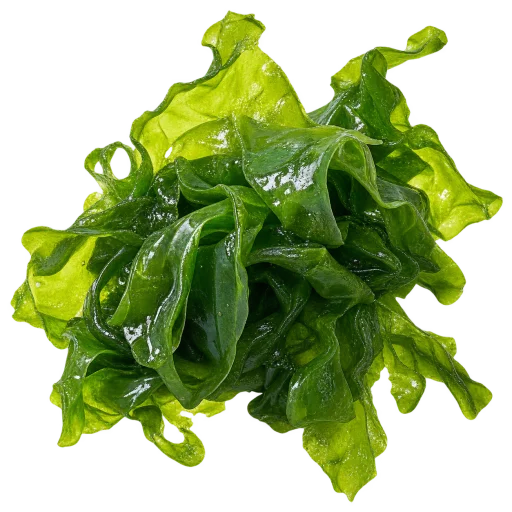
- Natural bait First natural bait: Seaweed · Very suitable Usually in this water: Weed, sea lettuce, worm; very fine tackle; chum.
- Slightly coloured Visibility: 4–8 m
- Natural bait First natural bait: Seaweed · Very suitable Usually in this water: Weed, worm; chum.
- Moderately coloured Visibility: 2–4 m
- Natural bait First natural bait: Shrimp · Very suitable Usually in this water: Worm with chum; stream or channel mouths.
- Murky Visibility: 1–2 m
- Natural bait First natural bait: Shrimp · Suitable Usually in this water: Worm, fish guts; chum; mullet feed in murky stream mouths.
- Very murky Visibility: under 1 m
- Natural bait First natural bait: Shrimp · Suitable Usually in this water: Worm, fish guts; chum.
12-month bait calendar
- January
- Natural baits: Seaweed, Shrimp, Squid
- February
- Natural baits: Seaweed, Shrimp, Squid
- March
- Natural baits: Seaweed, Shrimp, Squid Lures: Sinking minnow / micro jig, Jighead + shad
- April
- Natural baits: Seaweed, Shrimp, Squid
- May
- Natural baits: Seaweed, Shrimp, Squid
- June
- Natural baits: Seaweed, Shrimp, Squid
- July
- Natural baits: Seaweed, Shrimp, Squid
- August
- Natural baits: Seaweed, Shrimp, Squid
- September
- Natural baits: Seaweed, Shrimp, Squid Lures: LRF micro lure
- October
- Natural baits: Seaweed, Shrimp, Squid
- November
- Natural baits: Seaweed, Shrimp, Squid
- December
- Natural baits: Seaweed, Shrimp, Squid
This is the usual pattern; the water and weather on the day can change it. Colour is fine-tuning: bait type, size and action come first. Confidence: natural high, lures low. Colour and presentation guide
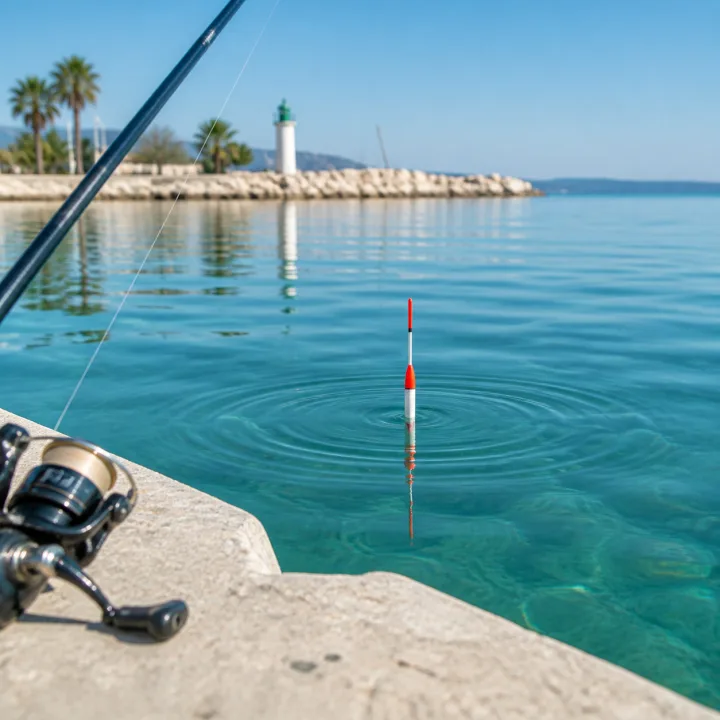
In this region · Aegean Sea
- Natural bait:
- seaweed, bread, shrimp; regional support: European sardine / mamun / sülünez
- Lure:
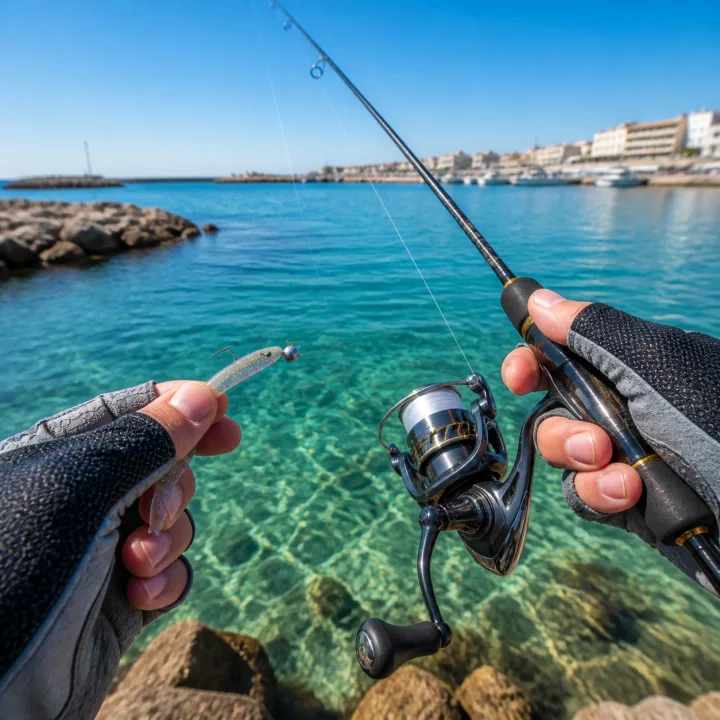
- small soft plastic
- Technique:
- float, LRF
In this region · Mediterranean
- Natural bait:
- seaweed, bread, shrimp; regional support: European sardine / European squid / shrimp
- Lure:
- small soft plastic
- Technique:
- float, LRF
Fishing rules
The regulation holds no separate minimum size or closed season entry for this species. The provisions for Türkiye as a whole apply.
Before you go, check local area and method restrictions.
Species profile

- Scientific name
- Siganus rivulatus
- Family
- Siganidae
- Order
- Acanthuriformes
- Water type
- Saltwater
- Seas
- Aegean Sea, Mediterranean
- Other names
- Sokar, Beyaz sokar
Frequently asked questions
Which seas is Marbled spinefoot found in?
In our records Marbled spinefoot appears in these seas: Aegean Sea, Mediterranean, Central & South Aegean — Greece, Crete & Libyan Sea — Greece, Güzelyurt Bay — Northern Cyprus, Kyrenia north coast — Northern Cyprus, Famagusta–İskele — Northern Cyprus, Karpas Peninsula — Northern Cyprus, Akamas–Paphos west coast — Southern Cyprus, Paphos–Limassol south coast — Southern Cyprus, Larnaca southeast coast — Southern Cyprus, Ayia Napa–Protaras — Southern Cyprus, Ligurian Sea — Italy, Tyrrhenian Sea — Italy, Adriatic — Italy, Ionian Sea — Italy, Strait of Sicily — Italy, Sardinian Sea — Italy, Atlantic Ocean — Spain, Mediterranean — Spain, Cantabrian Sea — Spain, Balearic Sea — Spain, Alboran Sea — Spain, Gulf of Cádiz — Spain, Strait of Gibraltar — Spain.
In which months is Marbled spinefoot at its peak?
Peak periods by sea: Aegean Sea April–November; Mediterranean March–October; Central & South Aegean — Greece March–November; Crete & Libyan Sea — Greece March–November; Mediterranean — Spain June–October; Famagusta–İskele — Northern Cyprus June–September; Güzelyurt Bay — Northern Cyprus June–September; Kyrenia north coast — Northern Cyprus June–September; Karpas Peninsula — Northern Cyprus June–September; Paphos–Limassol south coast — Southern Cyprus June–September; Ayia Napa–Protaras — Southern Cyprus June–September; Akamas–Paphos west coast — Southern Cyprus June–September; Larnaca southeast coast — Southern Cyprus June–September; Ligurian Sea — Italy June–October; Sardinian Sea — Italy June–October; Tyrrhenian Sea — Italy June–October; Adriatic — Italy June–October; Strait of Sicily — Italy June–October; Ionian Sea — Italy June–October; Alboran Sea — Spain June–October; Strait of Gibraltar — Spain June–October; Gulf of Cádiz — Spain June–October; Cantabrian Sea — Spain May–September; Atlantic Ocean — Spain May–September; Balearic Sea — Spain June–October.
Which bait is Marbled spinefoot caught with?
Baits and lures on record: seaweed, bread, shrimp, European sardine, mamun, sülünez, small soft plastic, European squid.
Similar species