

















Sea fish
Pompano
Trachinotus ovatus
Get to know the species, pick your region, find your spot.
Other names: Tüysüz

- Family
- Carangidae
Choose your region
The information changes with the region you choose.
Where is Pompano caught?
Explore the regions or go straight to the map.
Ionian Sea fishing spots
9Adriatic fishing spots
17Bay of Vlorë fishing spots
4Aegean Sea fishing spots
229Mediterranean fishing spots
173Tyrrhenian Sea fishing spots
251Mediterranean fishing spots
122Famagusta–İskele fishing spots
9Güzelyurt Bay fishing spots
6Kyrenia north coast fishing spots
10Karpas Peninsula fishing spots
10Paphos–Limassol south coast fishing spots
15Ayia Napa–Protaras fishing spots
12Akamas–Paphos west coast fishing spots
25Larnaca southeast coast fishing spots
11Ligurian Sea fishing spots
37Sardinian Sea fishing spots
40Adriatic fishing spots
124Strait of Sicily fishing spots
34Ionian Sea fishing spots
85Alboran Sea fishing spots
48Strait of Gibraltar fishing spots
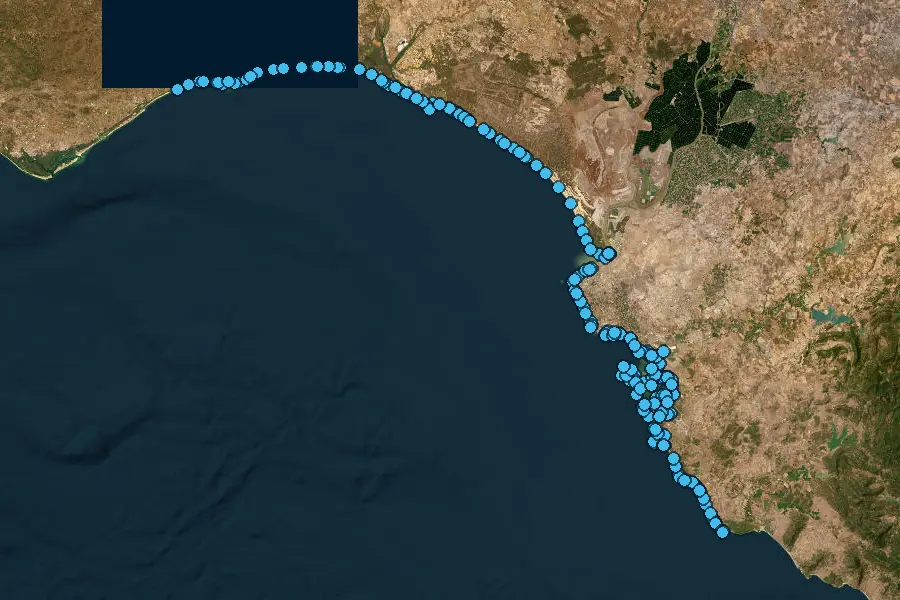
24Gulf of Cádiz fishing spots
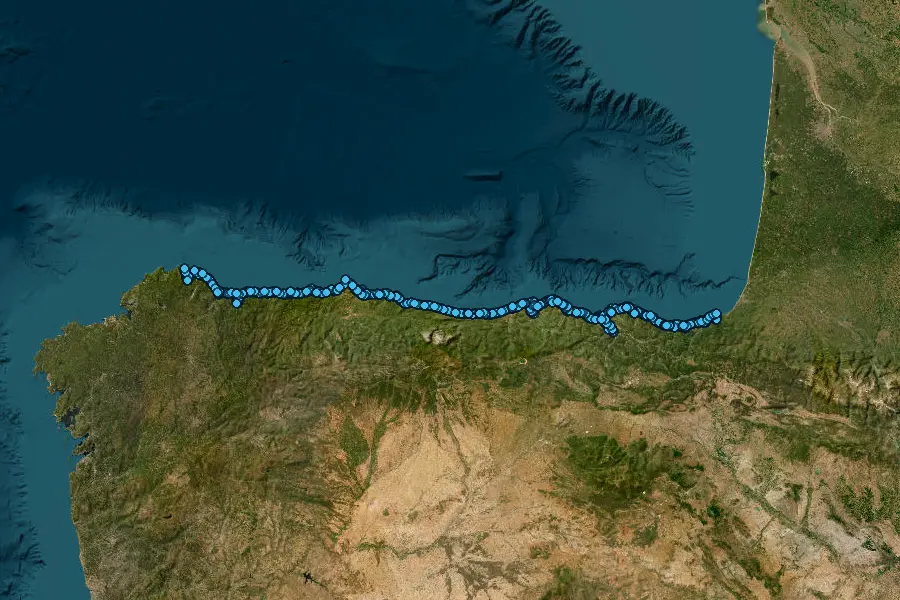
29Cantabrian Sea fishing spots
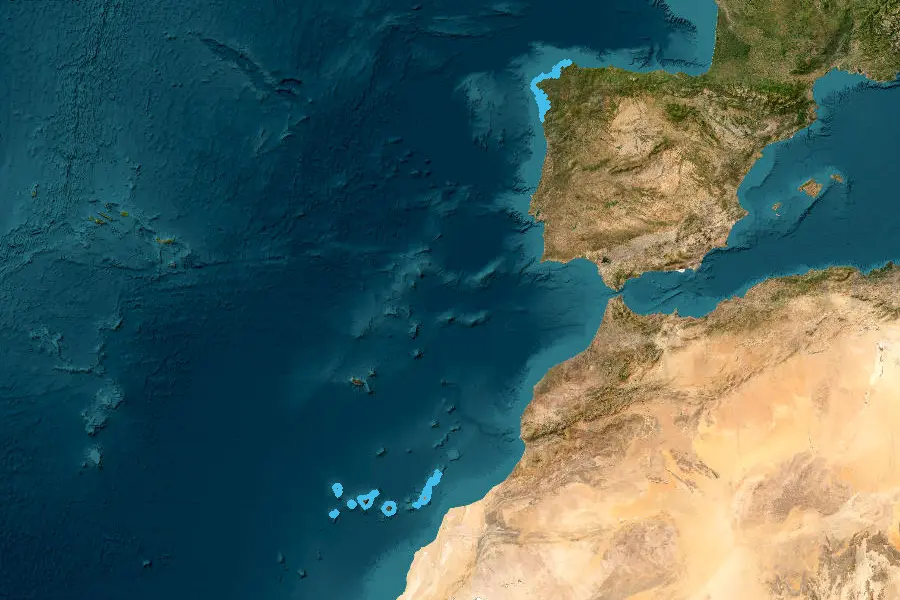
75Atlantic Ocean fishing spots
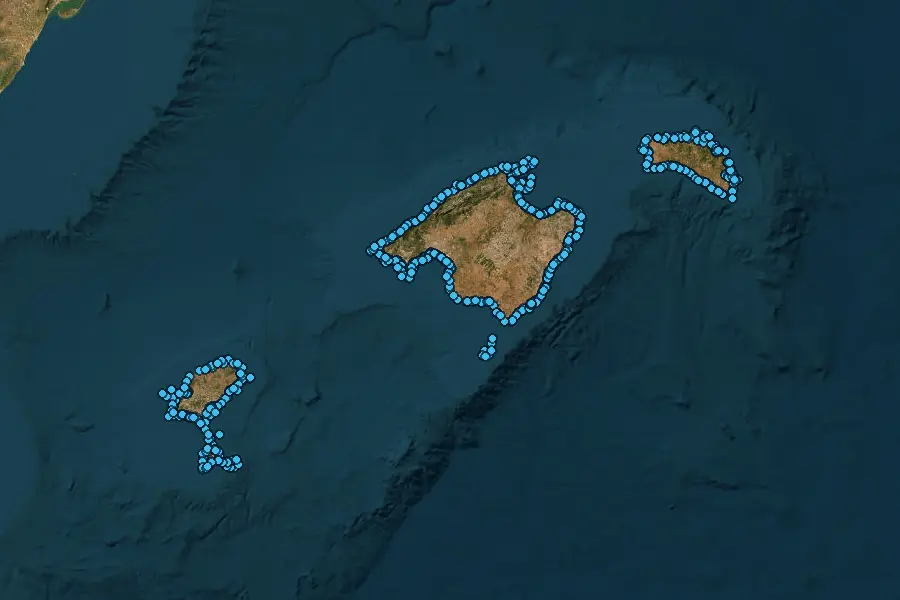
75Balearic Sea fishing spots
689 fishing grounds
17 fishing grounds
4 fishing grounds
229 fishing grounds
173 fishing grounds
- Alento Salerno · Casal Velino
- Anzio · breakwater sector Roma · Anzio
- Arrone Roma · Fiumicino
- Canale di Mezzanotte Salerno · Sapri
- Capoliveri · river mouth sector Livorno · Capoliveri
- Capoliveri · river mouth sector 2 Livorno · Capoliveri
- Casamicciola Terme · river mouth sector Napoli · Casamicciola Terme
- Codula Sisine Ogliastra · Baunei
122 fishing grounds
9 fishing grounds
6 fishing grounds
10 fishing grounds
10 fishing grounds
15 fishing grounds
12 fishing grounds
25 fishing grounds
11 fishing grounds
- Lerici · river mouth sector La Spezia · Lerici
- Maremola Savona · Pietra Ligure
- Rio Foce Imperia · Sanremo
- Torrente Deiva Genova · Moneglia
- Torrente Nervia Imperia · Vallecrosia
- Torrente Segno Savona · Vado Ligure
- Ventimiglia · river mouth sector 2 Imperia · Ventimiglia
- Bordighera · breakwater sector Imperia · Bordighera
- Canale del Banco Sassari · Porto Torres
- Canale de sa Baracca Abrusci Sulcis Iglesiente · Iglesias
- Porto Torres · breakwater sector Sassari · Porto Torres
- Riu Gùturu Cardàxius Sulcis Iglesiente · Iglesias
- Riu sa Canna (Bosa) Oristano · Bosa
- Riu Sa Canna (Cuglieri) Oristano · Cuglieri
- Riu sa Murta Medio Campidano · Arbus
- Alghero · pier sector Sassari · Alghero
- Gagliano del Capo · river mouth sector Lecce · Gagliano del Capo
- Lama Lamacornola Brindisi · Ostuni
- Lama San Giorgio ( Annunziata - Lamione) Bari
- Peschici · river mouth sector Foggia · Peschici
- Polignano a Mare · river mouth sector Bari · Polignano a Mare
- Rimini · groyne sector Rimini
- Vernole · breakwater sector Lecce · Vernole
- Adige Venezia · Chioggia
- Cava di Randello Ragusa
- Fiume Tellaro Siracusa · Noto
- Priolo Gargallo · river mouth sector Siracusa · Priolo Gargallo
- Vallone San Calogero Siracusa · Augusta
- Agrigento · river mouth sector Agrigento
- Cava di Mistretta Ragusa · Santa Croce Camerina
- Fiume Asinaro Siracusa · Avola
- Fiume Cassibile Siracusa
- Canale Buttaceto Catania
- Crotone · river mouth sector Crotone
- Acireale · river mouth sector Catania · Acireale
- Alaco Catanzaro · San Sostene
- Alli Catanzaro
- Amantea · river mouth sector Cosenza · Amantea
- Assi Reggio Calabria · Monasterace
- Badolato · river mouth sector Catanzaro · Badolato
48 fishing grounds
24 fishing grounds
29 fishing grounds
75 fishing grounds
75 fishing grounds
68 fishing grounds
No fishing ground or region matches your search.
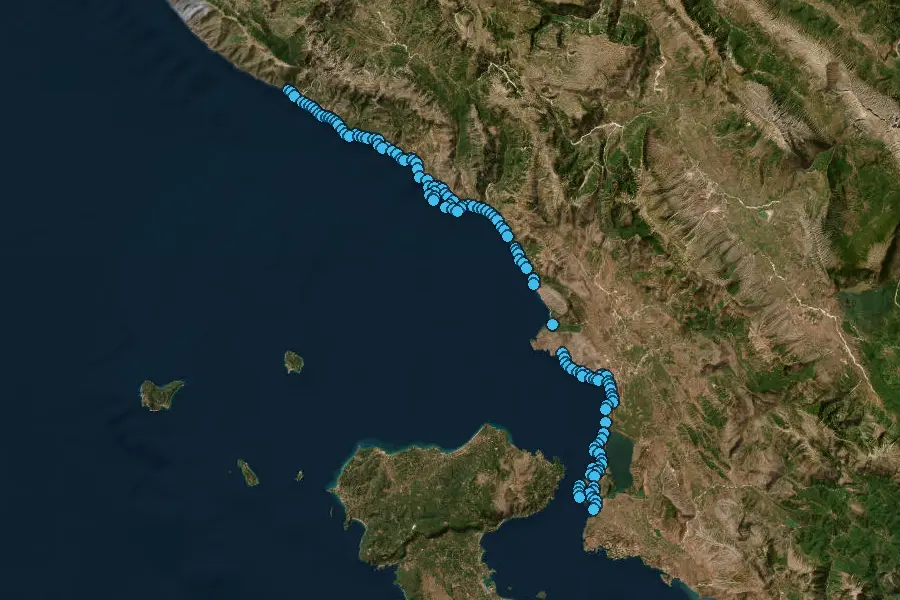
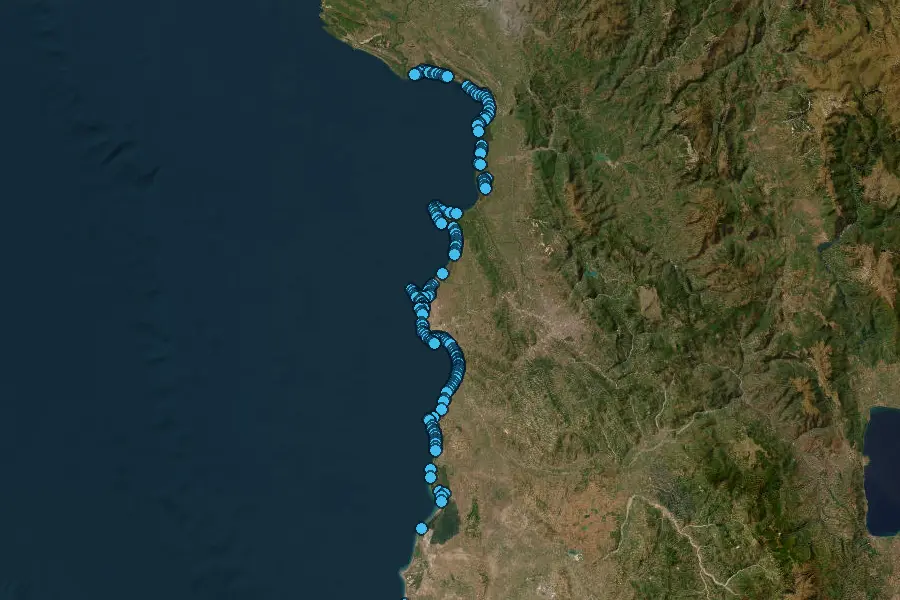
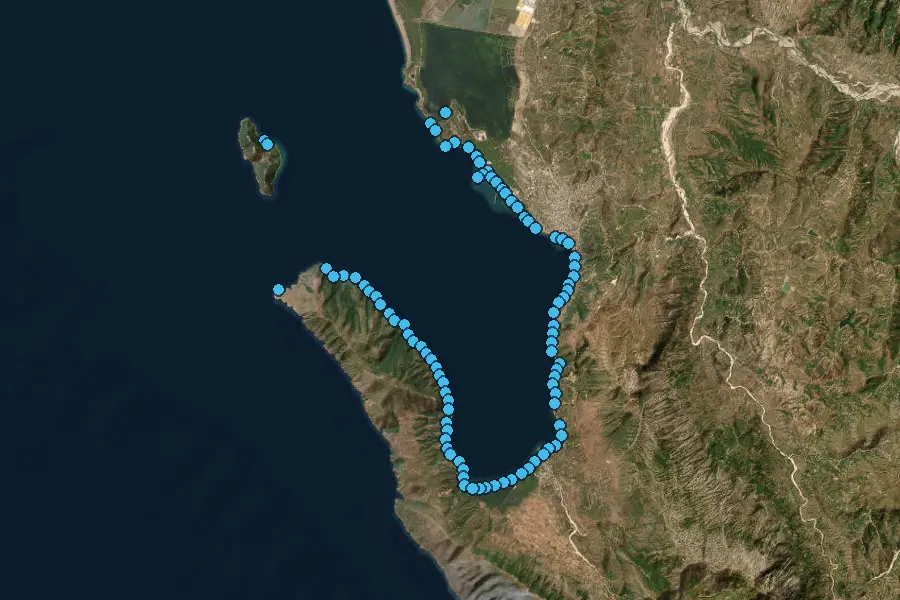


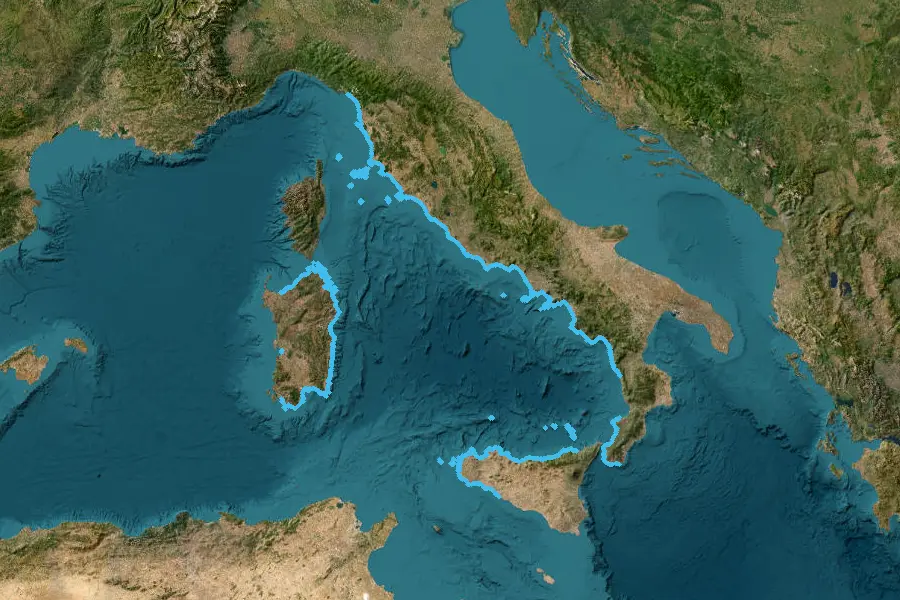
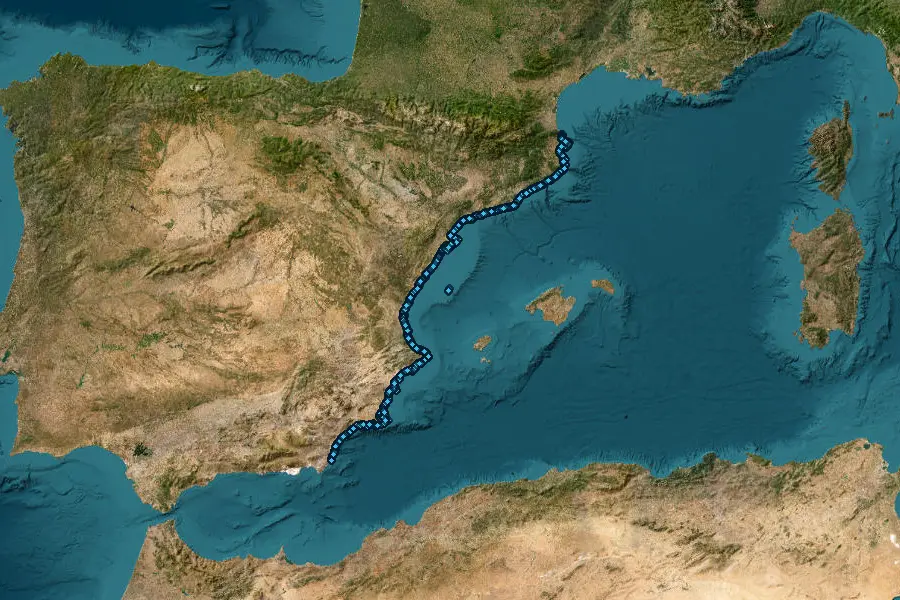
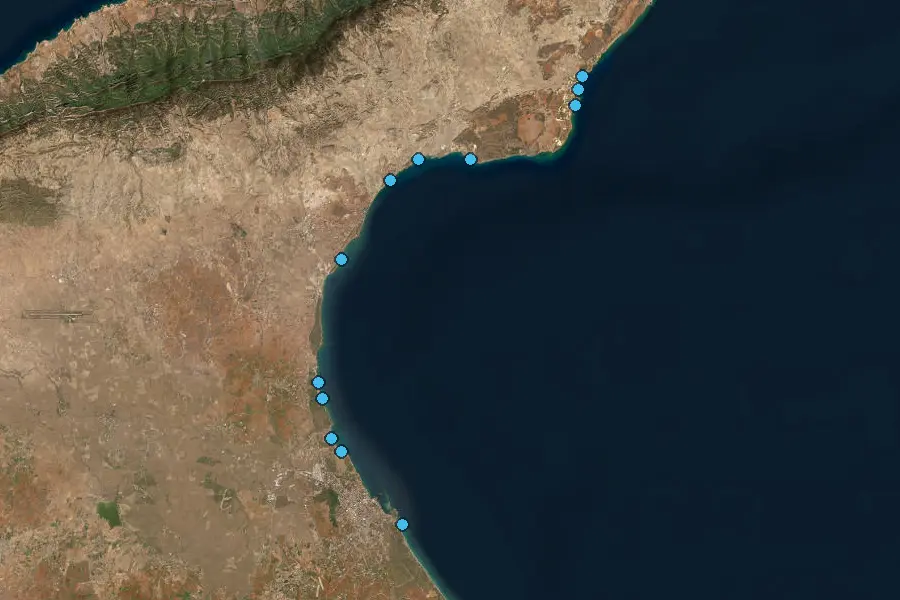
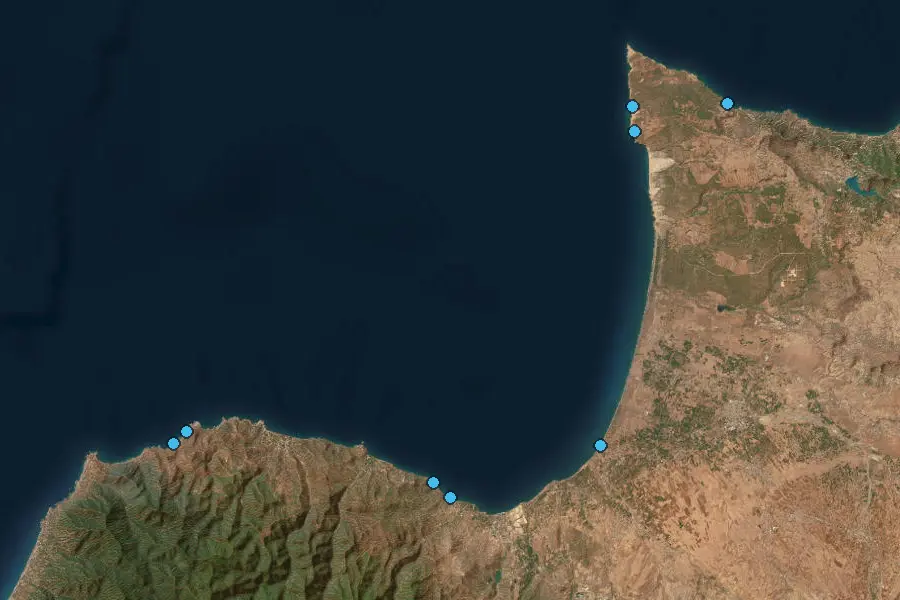
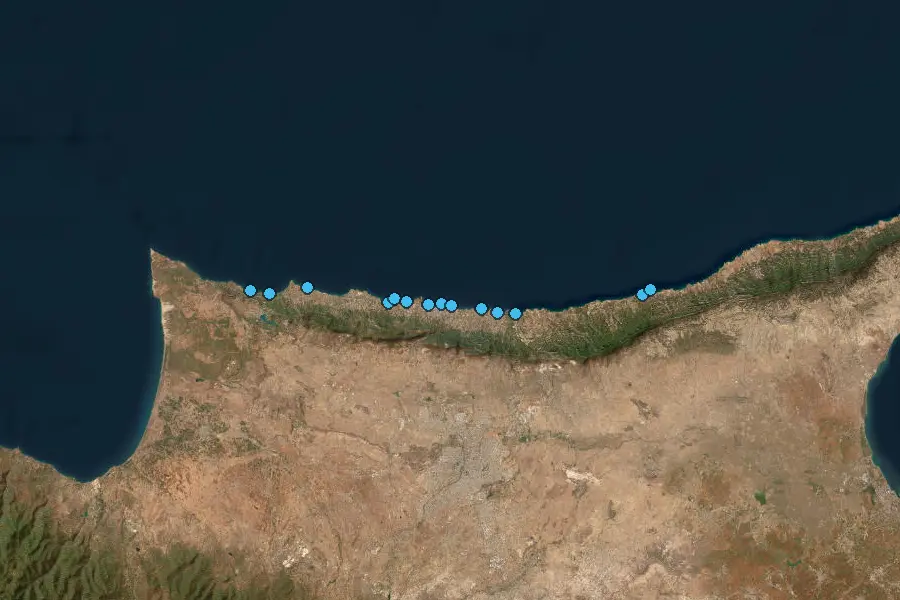
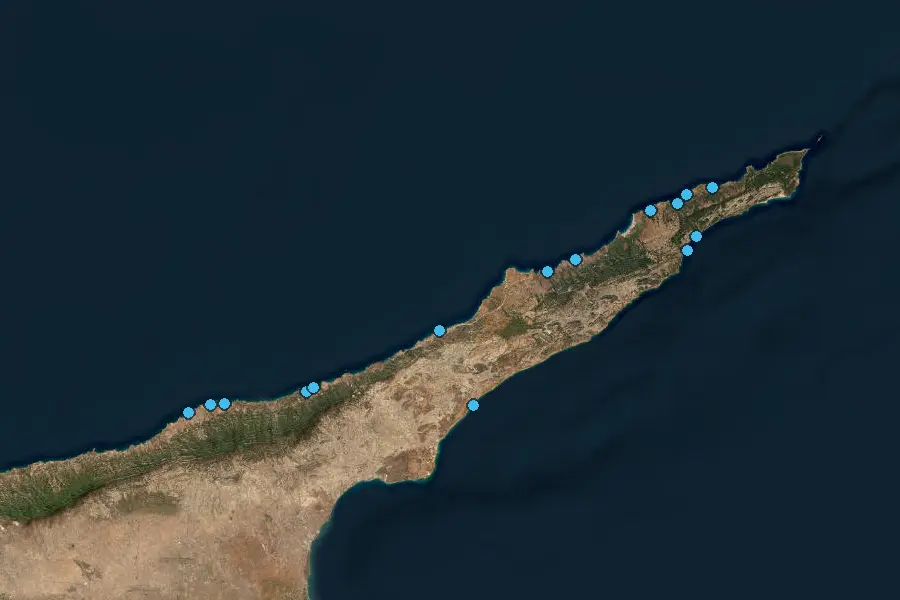
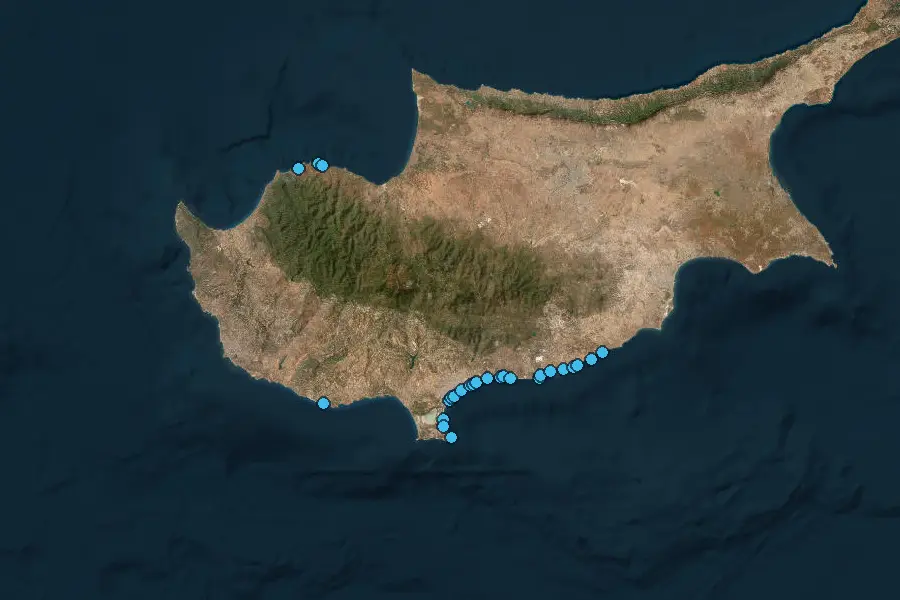
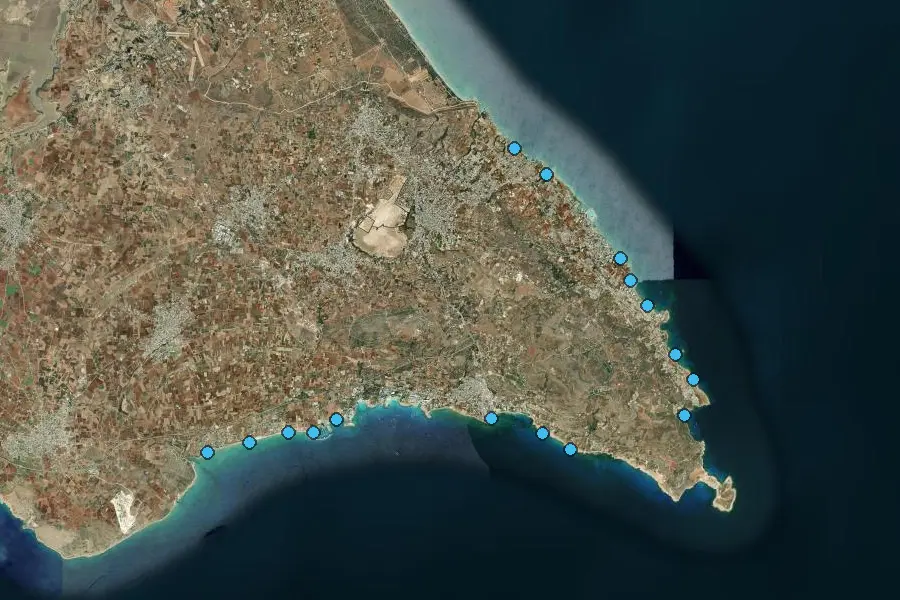
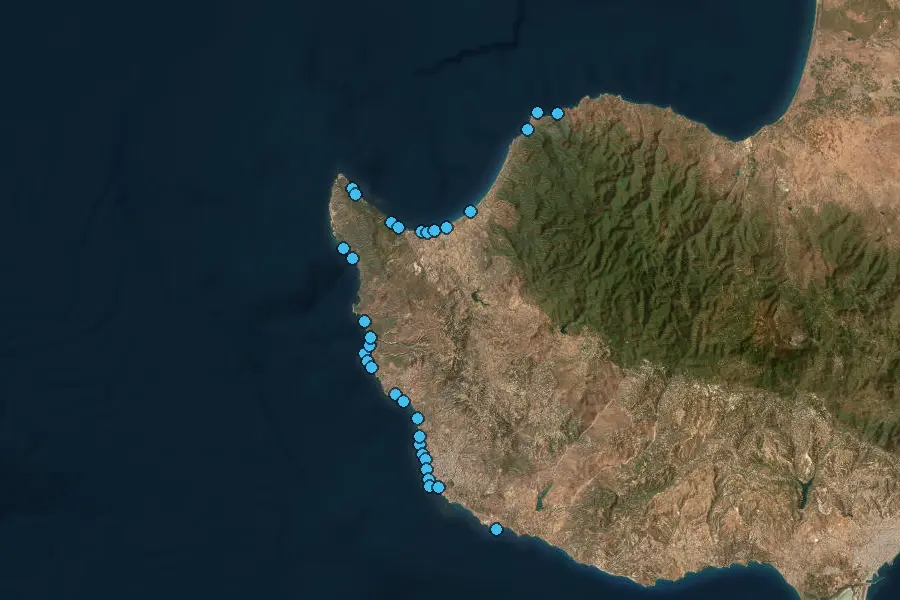
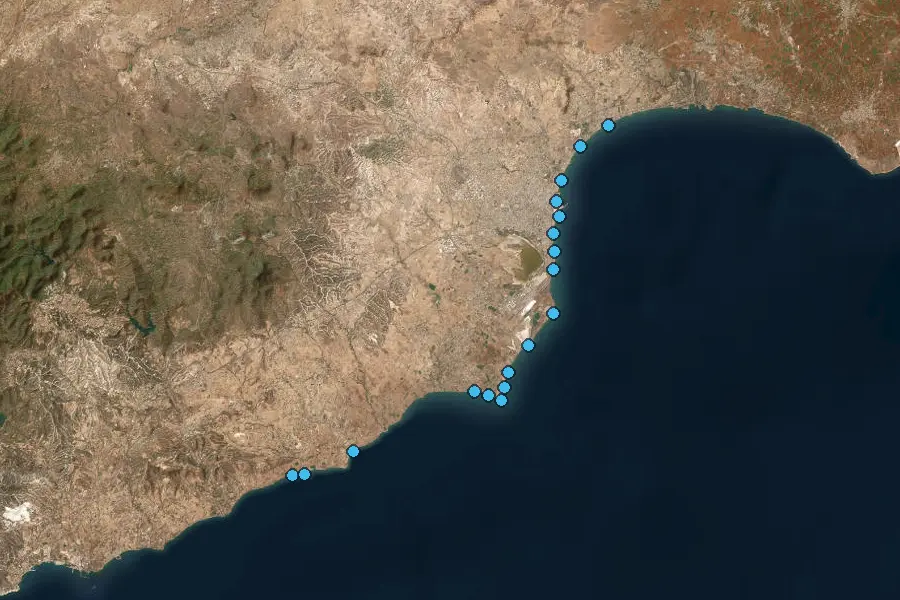
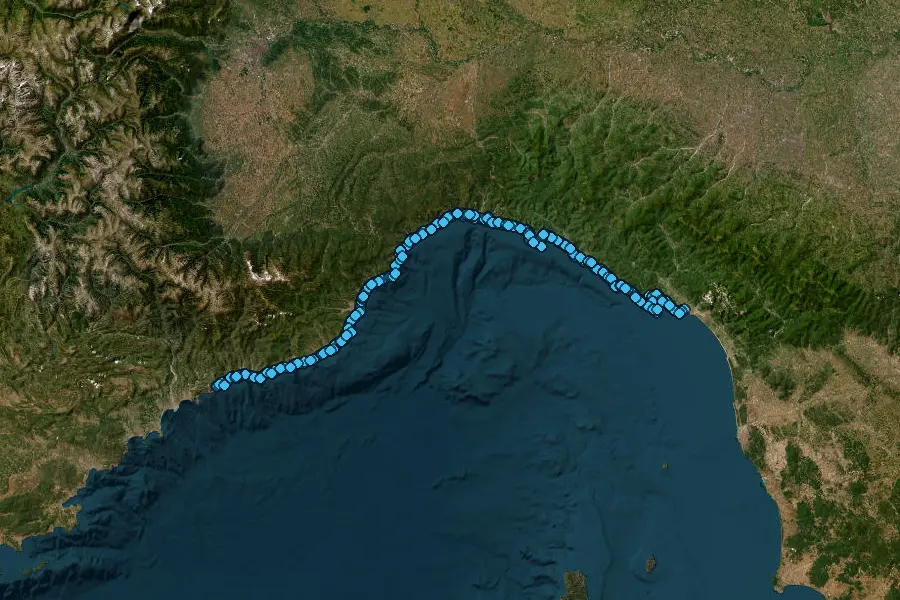
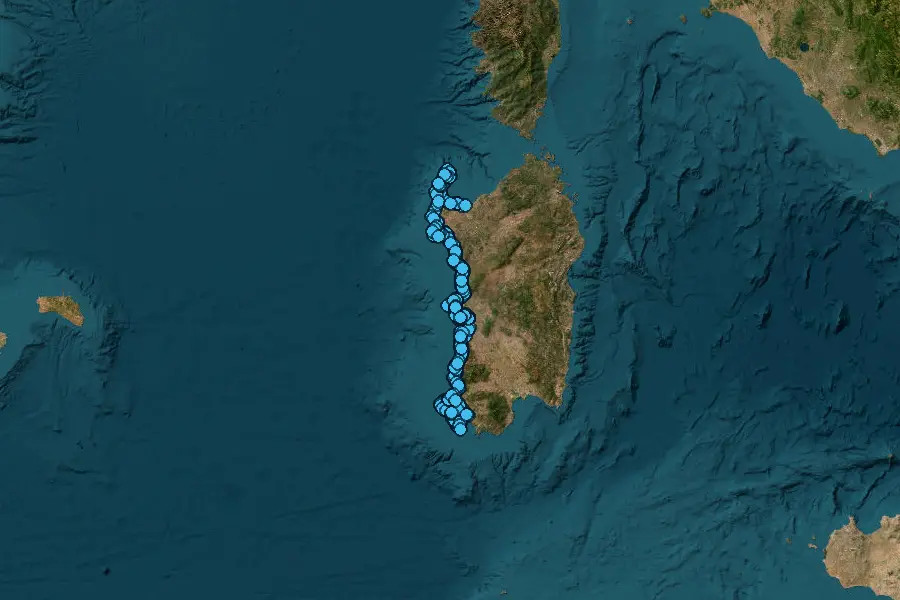
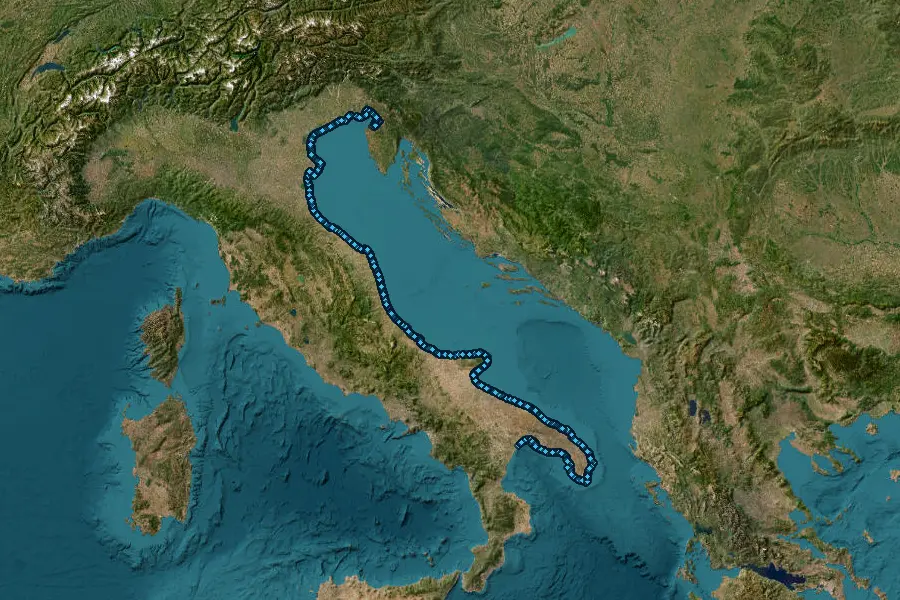
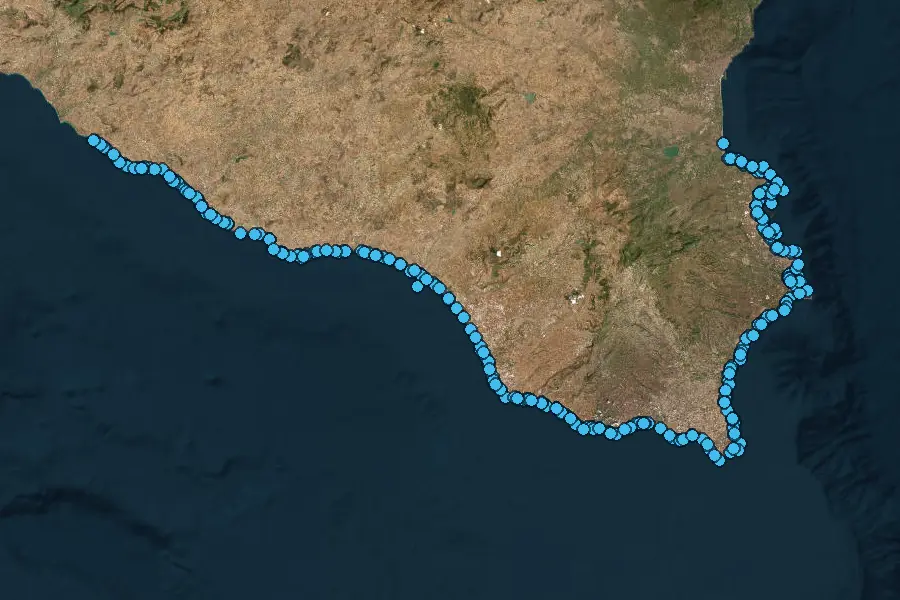
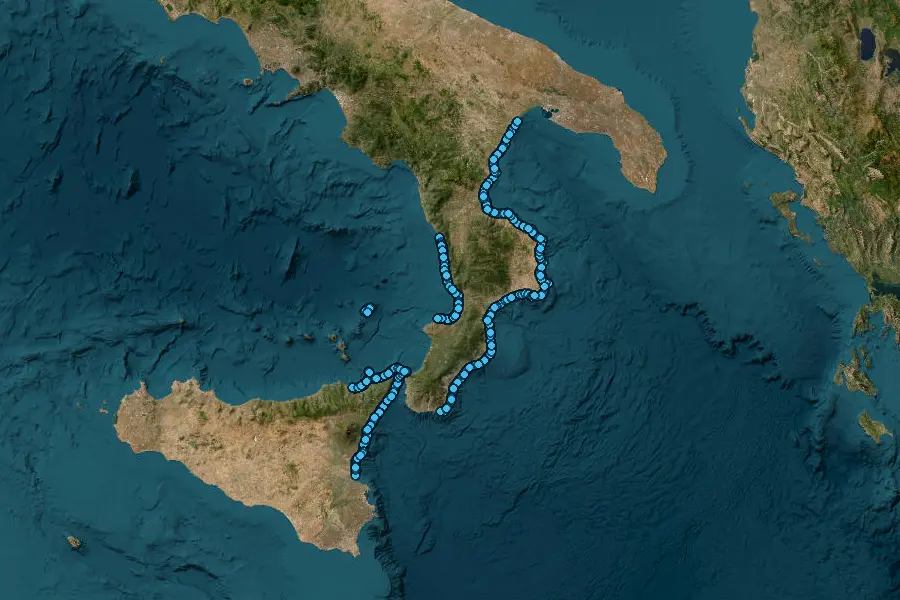
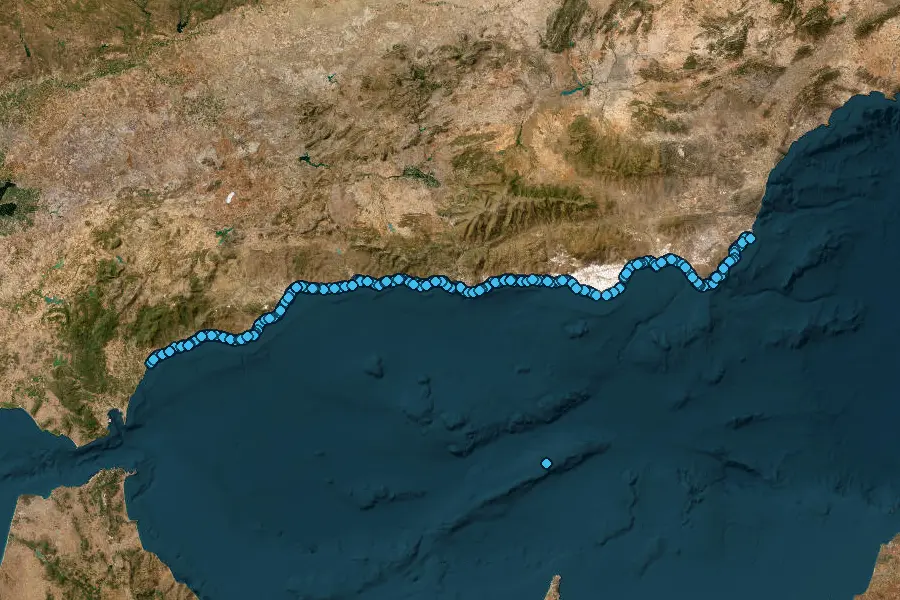
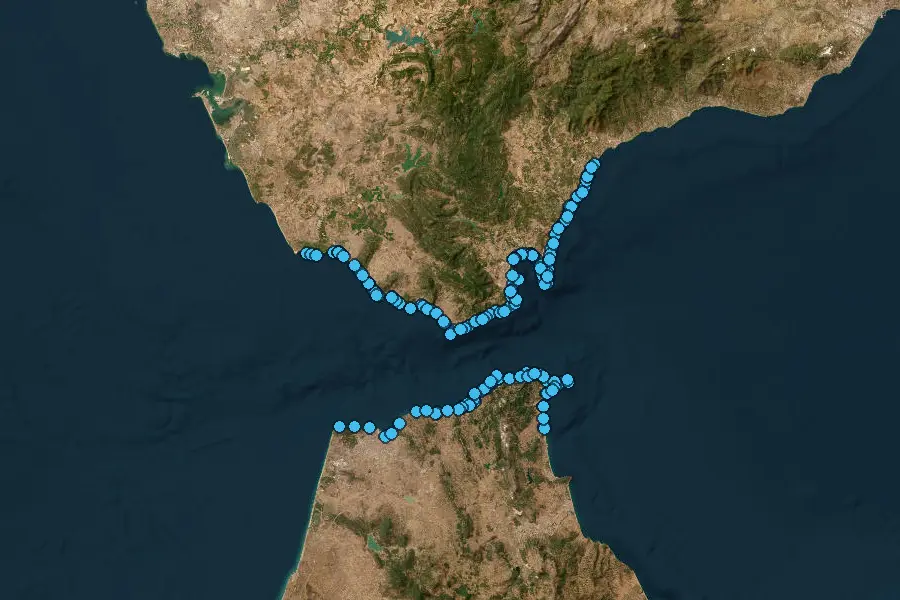
A listed spot is not a guarantee of a catch.
Ionian Sea
Season and suitable conditions
Check the season information for the region you chose.
Peak months: May, Jun, Jul, Aug, Sep, Oct
Adriatic
Season and suitable conditions
Check the season information for the region you chose.
Peak months: May, Jun, Jul, Aug, Sep, Oct
Bay of Vlorë
Season and suitable conditions
Check the season information for the region you chose.
Peak months: May, Jun, Jul, Aug, Sep, Oct
Aegean Sea
Season and suitable conditions
Recorded all year round in this region; no distinct fishing season shows.
Mediterranean
Season and suitable conditions
Recorded all year round in this region; no distinct fishing season shows.
Tyrrhenian Sea
Season and suitable conditions
Check the season information for the region you chose.
Peak months: Jun, Jul, Aug, Sep
Mediterranean
Season and suitable conditions
Check the season information for the region you chose.
Peak months: Jun, Jul, Aug, Sep
Famagusta–İskele
Season and suitable conditions
Recorded all year round in this region; no distinct fishing season shows.
Güzelyurt Bay
Season and suitable conditions
Recorded all year round in this region; no distinct fishing season shows.
Kyrenia north coast
Season and suitable conditions
Recorded all year round in this region; no distinct fishing season shows.
Karpas Peninsula
Season and suitable conditions
Recorded all year round in this region; no distinct fishing season shows.
Paphos–Limassol south coast
Season and suitable conditions
Recorded all year round in this region; no distinct fishing season shows.
Ayia Napa–Protaras
Season and suitable conditions
Recorded all year round in this region; no distinct fishing season shows.
Akamas–Paphos west coast
Season and suitable conditions
Recorded all year round in this region; no distinct fishing season shows.
Larnaca southeast coast
Season and suitable conditions
Recorded all year round in this region; no distinct fishing season shows.
Ligurian Sea
Season and suitable conditions
Check the season information for the region you chose.
Peak months: Jun, Jul, Aug, Sep
Sardinian Sea
Season and suitable conditions
Check the season information for the region you chose.
Peak months: Jun, Jul, Aug, Sep
Adriatic
Season and suitable conditions
Check the season information for the region you chose.
Peak months: Jun, Jul, Aug, Sep
Strait of Sicily
Season and suitable conditions
Check the season information for the region you chose.
Peak months: Jun, Jul, Aug, Sep
Ionian Sea
Season and suitable conditions
Check the season information for the region you chose.
Peak months: Jun, Jul, Aug, Sep
Alboran Sea
Season and suitable conditions
Check the season information for the region you chose.
Peak months: Jun, Jul, Aug, Sep
Strait of Gibraltar
Season and suitable conditions
Check the season information for the region you chose.
Peak months: Jun, Jul, Aug, Sep
Gulf of Cádiz
Season and suitable conditions
Check the season information for the region you chose.
Peak months: Jun, Jul, Aug, Sep
Cantabrian Sea
Season and suitable conditions
Check the season information for the region you chose.
Peak months: May, Jun, Jul, Aug
Atlantic Ocean
Season and suitable conditions
Check the season information for the region you chose.
Peak months: May, Jun, Jul, Aug
Balearic Sea
Season and suitable conditions
Check the season information for the region you chose.
Peak months: Jun, Jul, Aug, Sep
Season information is no guarantee of a catch.
Best spots in October
By month
Average monthly score of the spots in Turkey (0–100).
- — Jan
- — Feb
- — Mar
- 0 Apr
- 62 May
- 74 Jun
- 75 Jul
- 74 Aug
- 74 Sep
- 76 Oct
- 74 Nov
- 62 Dec
The best spot in each Turkish province, by this month’s score.
- Aksu Çayı Aksu, Antalya 92/100 Very good
- D-Marin Didim The Blue Point Beach Club Didim, Aydın 92/100 Very good
- Enez Limanı Dış Kıyısı Enez, Edirne 92/100 Very good
- Alaçatı Bay Surf Beach Çeşme, İzmir 92/100 Very good
- Hüseyin Burnu Feneri Bodrum, Muğla 92/100 Very good
A 0–100 score from season, water temperature, habitat and local records; a general trend, not a guarantee.
Best times of day
When in the day it bites best, month by month.
- Active by day
- Limited at night
In October
-
Dawn Best 90
0.5 h before sunrise → 2 h after
-
Midday 65
1 h before midday → 1 h after
-
Dusk 85
2 h before sunset → 1 h after
-
Night 35
1 h after sunset → 3 h before sunrise
Moon phase
Effect of the moon on night fishing; the scores compare the phases.
- New moon 55
- First quarter 55
- Full moon 60
- Last quarter 55


Best phase: No clear effect
Windows across 12 months
| Best times of day | JJan | FFeb | MMar | AApr | MMay | JJun | JJul | AAug | SSep | OOct | NNov | DDec |
|---|---|---|---|---|---|---|---|---|---|---|---|---|
| Dawn | 55 | 55 | 75 | 75 | 75 | 90 | 90 | 90 | 90 | 90 | 90 | 55 |
| Midday | 65 | 65 | 60 | 60 | 60 | 55 | 55 | 55 | 60 | 65 | 65 | 65 |
| Dusk | 55 | 55 | 70 | 70 | 70 | 85 | 85 | 85 | 85 | 85 | 85 | 55 |
| Night | 30 | 30 | 35 | 35 | 35 | 45 | 45 | 45 | 50 | 35 | 35 | 30 |
Windows follow sunrise and sunset; clock times change with place and date. Scores are relative within the month: 100 is the best window of the day.
4 sources · confidence medium
Habitat
Where it lives and in what kind of water: ranges compiled by the research.
Depth
0–200 m
mostly 0–50 m
Water temperature
7–32 °C
ideal 26–29 °C
Salinity
Full-strength seawater
17–39.5 ‰
Shore types
- Sandy beach
- Rocky shore
- Breakwater / jetty
- Headland
- Mixed shore
- Shingle shore
- River / stream mouth
- Lagoon / weir mouth
- Cliff / steep shore
- Harbour mouth
- Reclaimed shore
Bottom
Lives close to the bottom
- Sand
Ranges from FishBase, AquaMaps and the literature; a general tendency, not a hard limit.
Confidence: shore type high, temperature medium
Bait and tackle suggestions
Recorded baits and fishing techniques.
Bait by month
Baits documented for shore fishing, month by month and by water clarity.
In October
By water clarity
Pelagic sight hunter — Chases baitfish shoals by sight. Lures shine in clear water; in murky water its hunting range shrinks.
- Clear Visibility: over 8 m
- Lure first, natural also works First natural bait: Ragworm · Very suitable Usually in this water: Live baitfish or a whole fresh fish; thin fluorocarbon leader, no float or a light one. First lure: Feathered spoon · Very suitable Usually in this water: Hard minnow/stickbait, slim metal jig; fast, erratic retrieve. Colour: Blue-green back, Silver, White
- Slightly coloured Visibility: 4–8 m
- Lure First natural bait: Ragworm · Very suitable Usually in this water: Live or fresh whole fish; normal size. First lure: Feathered spoon · Very suitable Usually in this water: Spoon, metal jig, popper/topwater; medium-fast retrieve. Colour: Silver, White, Blue-green back, Pink
- Moderately coloured Visibility: 2–4 m
- Lure first, natural also works First natural bait: Ragworm · Very suitable Usually in this water: Cut oily fish (sardine/mackerel) with chum; under a float or at mid-depth. First lure: Spoon · Very suitable Usually in this water: Spinner, paddle-tail shad, metal jig one size up; vibration first. Colour: White, Fluorescent, Gold
- Murky Visibility: 1–2 m
- Natural bait First natural bait: Korean worm · Very suitable Usually in this water: Oily fish fillet, bloody chunks; chum for a scent trail; fish slower. First lure: Spoon · Suitable Usually in this water: If you must, a rattling vibe/lipless; near the bottom, slow. Colour: Fluorescent, Dark silhouette
- Very murky Visibility: under 1 m
- Natural bait First natural bait: Korean worm · Suitable Usually in this water: A large, bloody chunk of oily fish; refresh the bait often. Catches usually drop. First lure: Spoon · Not recommended Colour: Colour does not matter
12-month bait calendar
- January
- Out of season
- February
- Out of season
- March
- Out of season
- April
- Out of season
- May
- Natural baits: Sardine, Squid, Korean worm, Ragworm Lures: Metal jig, Bombarda + fly, Feathered spoon, Spoon
- June
- Natural baits: Sardine, Squid, Korean worm, Ragworm Lures: Metal jig, Bombarda + fly, Feathered spoon, Spoon
- July
- Natural baits: Sardine, Squid, Korean worm, Ragworm Lures: Metal jig, Bombarda + fly, Feathered spoon, Spoon
- August
- Natural baits: Sardine, Squid, Korean worm, Ragworm Lures: Metal jig, Bombarda + fly, Feathered spoon, Spoon
- September
- Natural baits: Sardine, Squid, Korean worm, Ragworm Lures: Metal jig, Bombarda + fly, Feathered spoon, Spoon
- October
- Natural baits: Sardine, Squid, Korean worm, Ragworm Lures: Metal jig, Bombarda + fly, Feathered spoon, Spoon
- November
- Natural baits: Sardine, Squid, Korean worm, Ragworm Lures: Metal jig, Bombarda + fly, Feathered spoon, Spoon
- December
- Natural baits: Sardine, Squid, Korean worm, Ragworm Lures: Metal jig, Bombarda + fly, Feathered spoon, Spoon
This is the usual pattern; the water and weather on the day can change it. Colour is fine-tuning: bait type, size and action come first. Confidence: natural high, lures high. Colour and presentation guide
In this region · Aegean Sea
- Technique:
- Bottom Fishing
In this region · Mediterranean
- Technique:
- Bottom Fishing
Fishing rules
The regulation holds no separate minimum size or closed season entry for this species. The provisions for Türkiye as a whole apply.
Before you go, check local area and method restrictions.
Species profile

- Scientific name
- Trachinotus ovatus
- Family
- Carangidae
- Order
- Carangiformes
- Water type
- Saltwater
- Seas
- Aegean Sea, Mediterranean
- Other names
- Yaladerma, Tüysüz
Frequently asked questions
Which seas is Pompano found in?
In our records Pompano appears in these seas: Aegean Sea, Mediterranean, Adriatic — Albania, Ionian Sea — Albania, Bay of Vlorë — Albania, Güzelyurt Bay — Northern Cyprus, Kyrenia north coast — Northern Cyprus, Famagusta–İskele — Northern Cyprus, Karpas Peninsula — Northern Cyprus, Akamas–Paphos west coast — Southern Cyprus, Paphos–Limassol south coast — Southern Cyprus, Larnaca southeast coast — Southern Cyprus, Ayia Napa–Protaras — Southern Cyprus, Ligurian Sea — Italy, Tyrrhenian Sea — Italy, Adriatic — Italy, Ionian Sea — Italy, Strait of Sicily — Italy, Sardinian Sea — Italy, Atlantic Ocean — Spain, Mediterranean — Spain, Cantabrian Sea — Spain, Balearic Sea — Spain, Alboran Sea — Spain, Gulf of Cádiz — Spain, Strait of Gibraltar — Spain.
In which months is Pompano at its peak?
Peak periods by sea: Ionian Sea — Albania May–October; Adriatic — Albania May–October; Bay of Vlorë — Albania May–October; Aegean Sea all year; Mediterranean all year; Tyrrhenian Sea — Italy June–September; Mediterranean — Spain June–September; Famagusta–İskele — Northern Cyprus all year; Güzelyurt Bay — Northern Cyprus all year; Kyrenia north coast — Northern Cyprus all year; Karpas Peninsula — Northern Cyprus all year; Paphos–Limassol south coast — Southern Cyprus all year; Ayia Napa–Protaras — Southern Cyprus all year; Akamas–Paphos west coast — Southern Cyprus all year; Larnaca southeast coast — Southern Cyprus all year; Ligurian Sea — Italy June–September; Sardinian Sea — Italy June–September; Adriatic — Italy June–September; Strait of Sicily — Italy June–September; Ionian Sea — Italy June–September; Alboran Sea — Spain June–September; Strait of Gibraltar — Spain June–September; Gulf of Cádiz — Spain June–September; Cantabrian Sea — Spain May–August; Atlantic Ocean — Spain May–August; Balearic Sea — Spain June–September.
Similar species