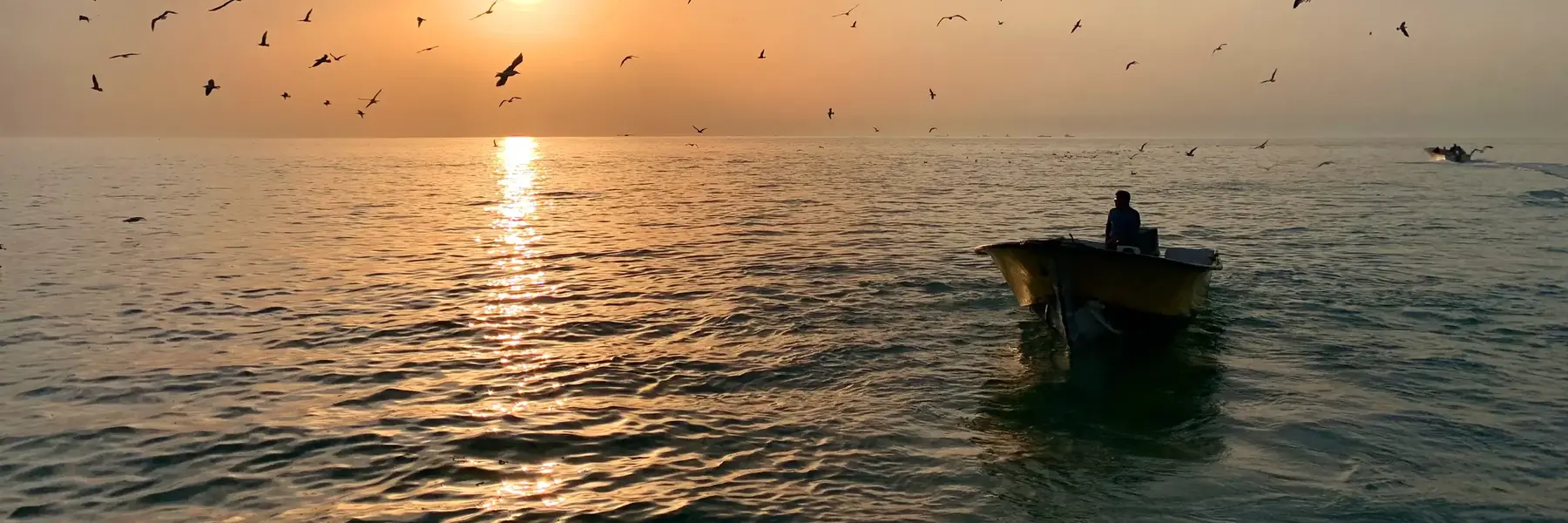































Sea fish
Little tunny
Euthynnus alletteratus
Get to know the species, pick your region, find your spot.
Other names: Yazılı ton

- Habitat
- Open · coastal water
- Method
- Trolling · Spinning · Jigging
- Family
- Scombridae
Choose your region
The information changes with the region you choose.
Where is Little tunny caught?
Explore the regions or go straight to the map.
Sea of Marmara fishing spots
Aegean Sea fishing spots
Mediterranean fishing spots
No site-level records in this region; the information is at region level.
No site-level records in this region; the information is at region level.
No site-level records in this region; the information is at region level.
No fishing ground or region matches your search.


A listed spot is not a guarantee of a catch.
Sea of Marmara
Season and suitable conditions
Check the season information for the region you chose.
Peak months: May, Jun, Jul, Aug, Sep, Oct, Nov
Aegean Sea
Season and suitable conditions
Check the season information for the region you chose.
Peak months: May, Jun, Jul, Aug, Sep, Oct, Nov
Mediterranean
Season and suitable conditions
Check the season information for the region you chose.
Peak months: Apr, May, Jun, Jul, Aug, Sep, Oct
Season information is no guarantee of a catch.
Best spots in November
By month
Average monthly score of the spots in Turkey (0–100).
- — Jan
- — Feb
- — Mar
- — Apr
- — May
- 61 Jun
- 64 Jul
- 63 Aug
- 72 Sep
- 73 Oct
- 73 Nov
- 61 Dec
The best spot in each Turkish province, by this month’s score.
- Barak Limanı Kaş, Antalya 79/100 Very good
- Altınkum Didim, Aydın 79/100 Very good
- Ayvalık Belediyesi Plaj İşletmesi Ayvalık, Balıkesir 79/100 Very good
- Behram İskelesi Ayvacık, Çanakkale 79/100 Very good
- Enez Limanı Dış Kıyısı Enez, Edirne 79/100 Very good
A 0–100 score from season, water temperature, habitat and local records; a general trend, not a guarantee.
Best times of day
When in the day it bites best, month by month.
- Active by day
- Poor at night
In November
-
Dawn Best 95
0.5 h before sunrise → 3 h after
-
Midday 60
1 h before midday → 1.5 h after
-
Dusk 85
2 h before sunset → 0.5 h after
Not productive at night
Moon phase
Effect of the moon on night fishing; the scores compare the phases.
- New moon 45
- First quarter 45
- Full moon 45
- Last quarter 45


Best phase: No clear effect
Windows across 12 months
| Best times of day | JJan | FFeb | MMar | AApr | MMay | JJun | JJul | AAug | SSep | OOct | NNov | DDec |
|---|---|---|---|---|---|---|---|---|---|---|---|---|
| Dawn | 60 | 60 | 75 | 75 | 75 | 95 | 95 | 95 | 95 | 95 | 95 | 60 |
| Midday | 60 | 60 | 55 | 55 | 55 | 40 | 40 | 40 | 60 | 60 | 60 | 60 |
| Dusk | 55 | 55 | 70 | 70 | 70 | 85 | 85 | 85 | 85 | 85 | 85 | 55 |
| Night | 15 | 15 | 15 |
Windows follow sunrise and sunset; clock times change with place and date. Scores are relative within the month: 100 is the best window of the day.
6 sources · confidence medium
Habitat
Where it lives and in what kind of water: ranges compiled by the research.
Depth
1–150 m
mostly 1–50 m
Water temperature
2.7–32.2 °C
ideal 24–28 °C
Salinity
Full-strength seawater
20–39.3 ‰
Shore types
- Sandy beach
- Breakwater / jetty
- Pier / quay
- Headland
- Channel / strait link
- Cliff / steep shore
- Harbour mouth
- Strait shore
- Reclaimed shore
- Shoal / reef
Bottom
Lives in open water
Ranges from FishBase, AquaMaps and the literature; a general tendency, not a hard limit.
Confidence: shore type high, temperature medium
Bait and tackle suggestions
Recorded baits and fishing techniques.
Bait by month
Baits documented for shore fishing, month by month and by water clarity.
In November
By water clarity
Pelagic sight hunter — Chases baitfish shoals by sight. Lures shine in clear water; in murky water its hunting range shrinks.
- Clear Visibility: over 8 m
- Lure First natural bait: Pandora · Very suitable Usually in this water: Live baitfish or a whole fresh fish; thin fluorocarbon leader, no float or a light one. First lure: Stickbait · Very suitable Usually in this water: Hard minnow/stickbait, slim metal jig; fast, erratic retrieve. Colour: Clear
- Slightly coloured Visibility: 4–8 m
- Lure First natural bait: Pandora · Very suitable Usually in this water: Live or fresh whole fish; normal size. First lure: Stickbait · Very suitable Usually in this water: Spoon, metal jig, popper/topwater; medium-fast retrieve. Colour: Clear
- Moderately coloured Visibility: 2–4 m
- Lure first, natural also works First natural bait: Pandora · Very suitable Usually in this water: Cut oily fish (sardine/mackerel) with chum; under a float or at mid-depth. First lure: Metal jig · Very suitable Usually in this water: Spinner, paddle-tail shad, metal jig one size up; vibration first. Colour: White, Fluorescent, Gold
- Murky Visibility: 1–2 m
- Natural first, lures also work First natural bait: Pandora · Very suitable Usually in this water: Oily fish fillet, bloody chunks; chum for a scent trail; fish slower. First lure: Jighead + soft swimbait · Suitable Usually in this water: If you must, a rattling vibe/lipless; near the bottom, slow. Colour: Fluorescent, Dark silhouette
- Very murky Visibility: under 1 m
- Natural bait First natural bait: Pandora · Suitable Usually in this water: A large, bloody chunk of oily fish; refresh the bait often. Catches usually drop. First lure: Jighead + soft swimbait · Weak Colour: Colour does not matter
12-month bait calendar
- January
- Out of season
- February
- Out of season
- March
- Out of season
- April
- Out of season
- May
- Out of season
- June
- Natural baits: Pandora, Sardine, Mackerel, Squid Lures: Metal jig, Jighead + soft swimbait, Stickbait, Popper
- July
- Natural baits: Pandora, Sardine, Mackerel, Squid Lures: Metal jig, Jighead + soft swimbait, Stickbait, Popper
- August
- Natural baits: Pandora, Sardine, Mackerel, Squid Lures: Metal jig, Jighead + soft swimbait, Stickbait, Popper
- September
- Natural baits: Pandora, Sardine, Mackerel, Squid Lures: Metal jig, Jighead + soft swimbait, Stickbait, Popper
- October
- Natural baits: Pandora, Sardine, Mackerel, Squid Lures: Metal jig, Jighead + soft swimbait, Stickbait, Popper
- November
- Natural baits: Pandora, Sardine, Mackerel, Squid Lures: Metal jig, Jighead + soft swimbait, Stickbait, Popper
- December
- Natural baits: Pandora, Sardine, Mackerel, Squid Lures: Metal jig, Jighead + soft swimbait, Stickbait, Popper
This is the usual pattern; the water and weather on the day can change it. Colour is fine-tuning: bait type, size and action come first. Confidence: natural medium, lures high. Colour and presentation guide
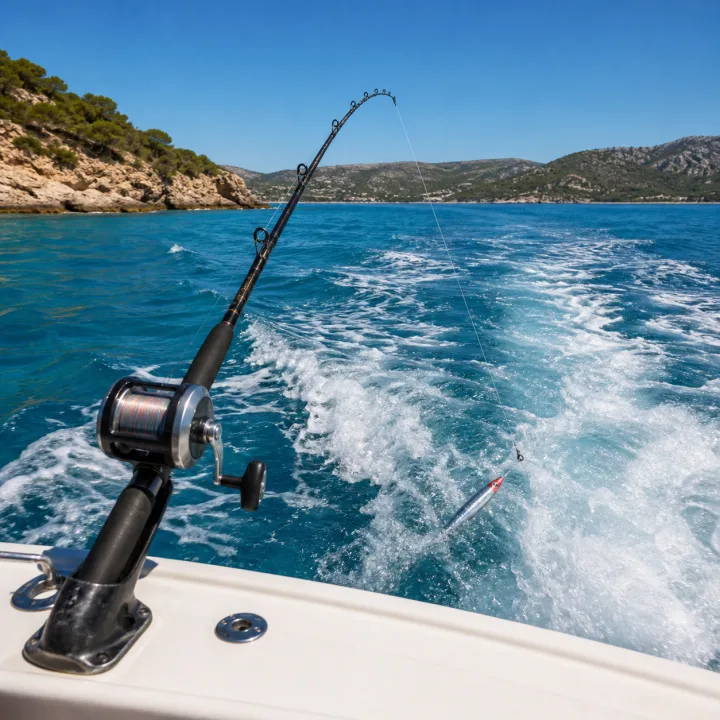
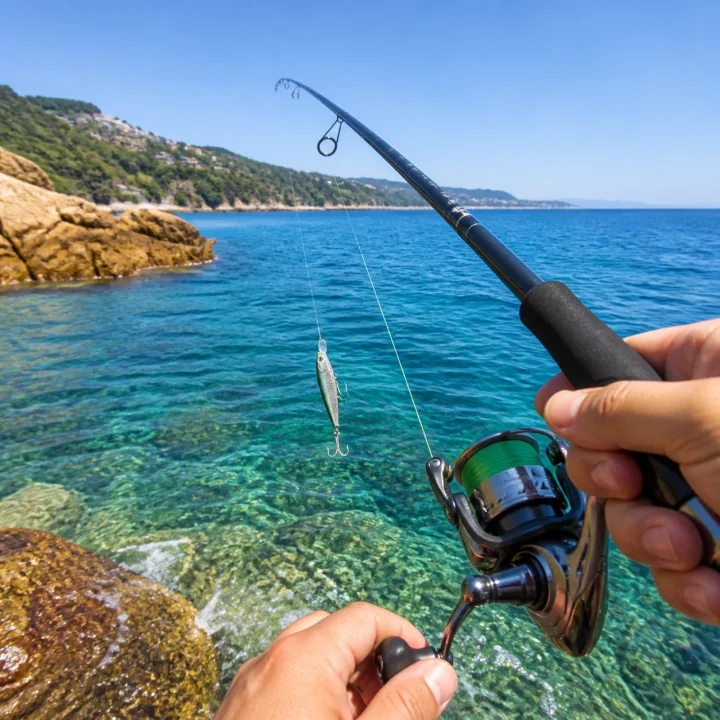
In this region · Sea of Marmara
- Natural bait:
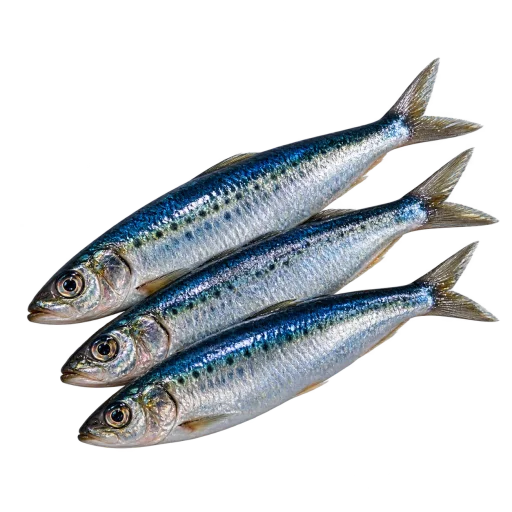
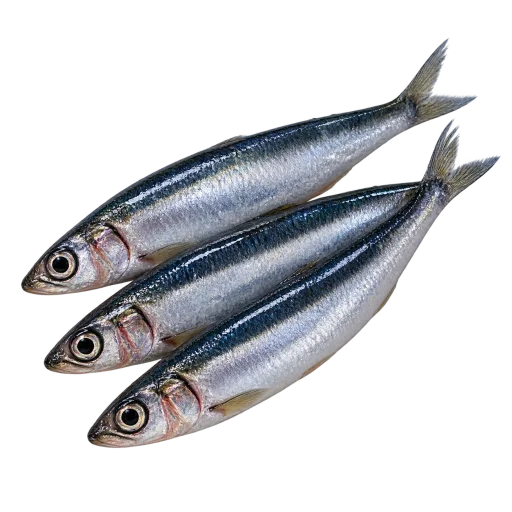
- European sardine, European anchovy; regional support: European anchovy / Atlantic horse mackerel / shrimp
- Lure:
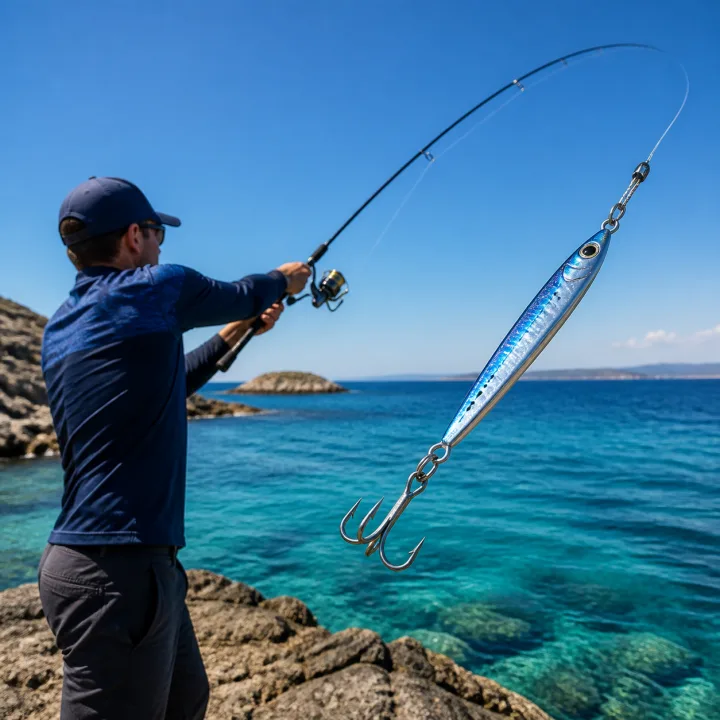
- minnow, jig, spoon
- Technique:
- trolling, spin, jig
In this region · Aegean Sea
- Natural bait:
- European sardine, European anchovy; regional support: European sardine / mamun / sülünez
- Lure:
- minnow, jig, spoon
- Technique:
- trolling, spin, jig
In this region · Mediterranean
- Natural bait:
- European sardine, European anchovy; regional support: European sardine / European squid / shrimp
- Lure:
- minnow, jig, spoon
- Technique:
- trolling, spin, jig
Fishing rules for Türkiye
 Türkiye
- Minimum size
- 45 cm
- Maximum quantity
- 2 fish
Single-species or mixed total; details and exceptions are in the regulation.
No species-specific closed season is listed; area and method rules still apply.
Legal basis: 2024/21 Çizelge 7 communiqué text
Before you go, check local area and method restrictions.
Species profile

- Scientific name
- Euthynnus alletteratus
- Family
- Scombridae
- Order
- Scombriformes
- Water type
- Saltwater
- Seas
- Sea of Marmara, Aegean Sea, Mediterranean
- Other names
- Yazılı orkinos, Yazılı ton
Frequently asked questions
What is the minimum size for Little tunny?
In recreational angling the minimum catch size for Little tunny is 45 cm. Fish below that length have to be returned to the water. Legal basis: 2024/21 Çizelge 7.
When is Little tunny closed to fishing?
There is no closed season specific to Little tunny — the regulations set no time ban for this species. Area and gear rules still apply. The limit that applies all year is the minimum size: 45 cm. Legal basis: 2024/21 Çizelge 7.
Which seas is Little tunny found in?
In our records Little tunny appears in these seas: Sea of Marmara, Aegean Sea, Mediterranean.
In which months is Little tunny at its peak?
Peak periods by sea: Sea of Marmara May–November; Aegean Sea May–November; Mediterranean April–October.
Which bait is Little tunny caught with?
Baits and lures on record: European sardine, European anchovy, Atlantic horse mackerel, shrimp, minnow, jig, spoon, mamun, sülünez, European squid.
Similar species