
























Sea fish
Sharpsnout seabream
Diplodus puntazzo
Get to know the species, pick your region, find your spot.
Other names: Sivriburun

- Habitat
- Rocky · weedy
- Method
- Bottom fishing · Float fishing
- Family
- Sparidae
Choose your region
The information changes with the region you choose.
Where is Sharpsnout seabream caught?
Explore the regions or go straight to the map.
Aegean Sea fishing spots
Mediterranean fishing spots
North Aegean & Thrace fishing spots
98Central & South Aegean fishing spots
137Ionian Sea fishing spots
67Crete & Libyan Sea fishing spots
37Sea of Marmara fishing spots
Famagusta–İskele fishing spots
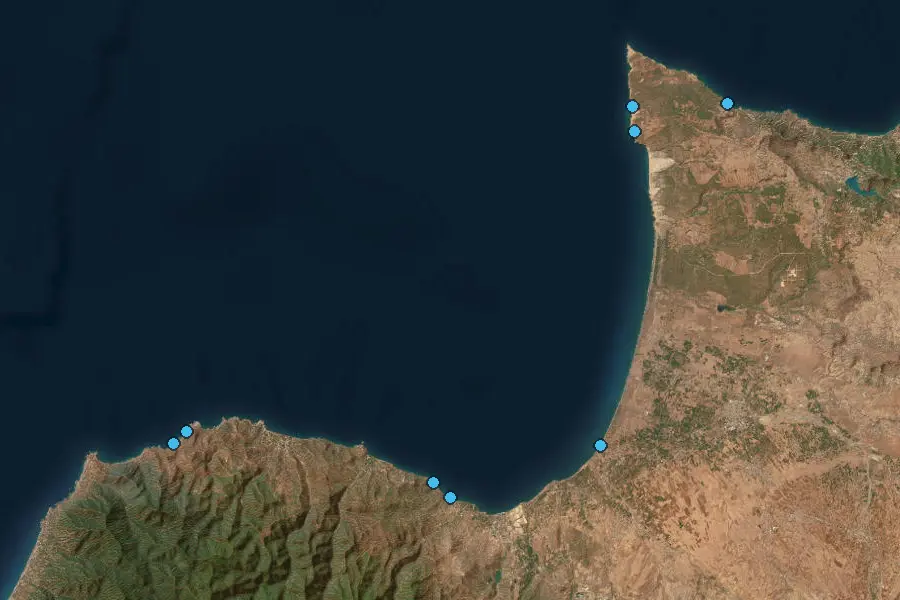
12Güzelyurt Bay fishing spots
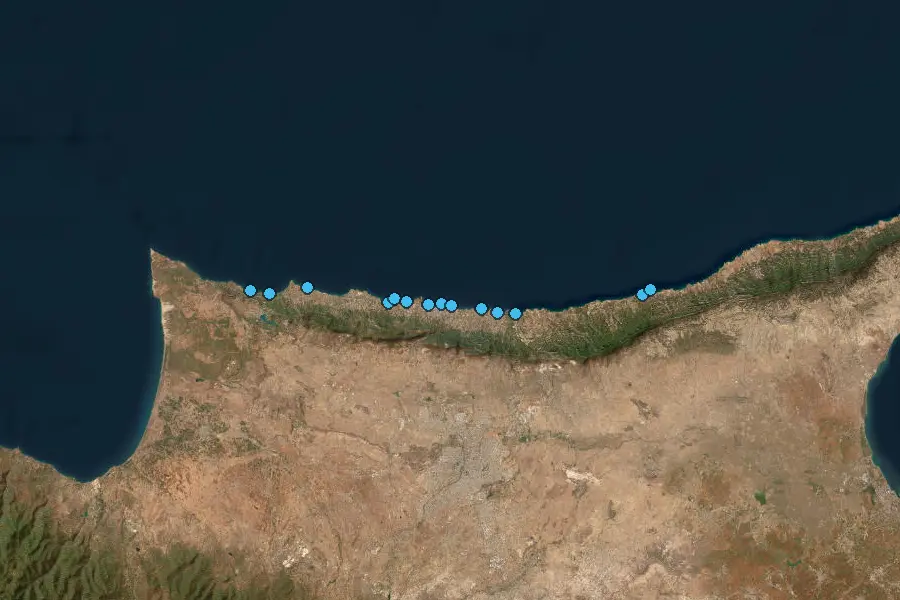
8Kyrenia north coast fishing spots
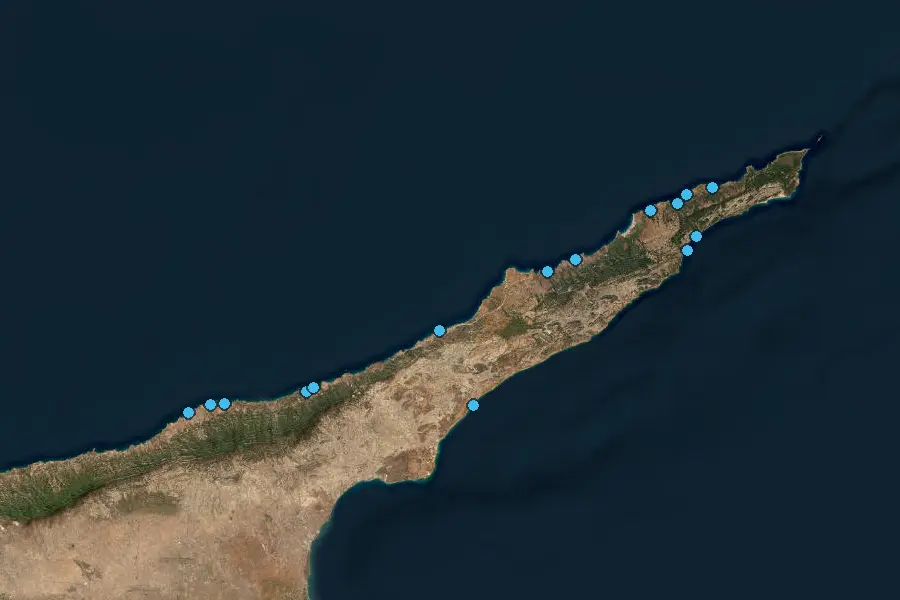
14Karpas Peninsula fishing spots
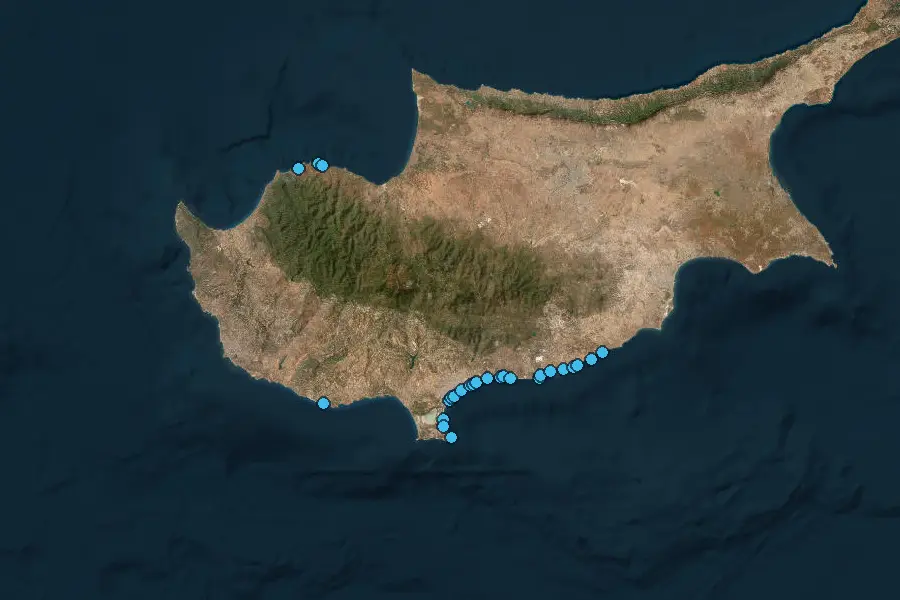
15Paphos–Limassol south coast fishing spots
26Ayia Napa–Protaras fishing spots
16Akamas–Paphos west coast fishing spots
32Larnaca southeast coast fishing spots
18Adriatic fishing spots
1,121No site-level records in this region; the information is at region level.
No site-level records in this region; the information is at region level.
98 fishing grounds
137 fishing grounds
67 fishing grounds
37 fishing grounds
No site-level records in this region; the information is at region level.
12 fishing grounds
8 fishing grounds
14 fishing grounds
15 fishing grounds
26 fishing grounds
16 fishing grounds
32 fishing grounds
18 fishing grounds
- Arat Primorje-Gorski Kotar · Otok Losinj
- Arbanasi Zadar
- Artatore Primorje-Gorski Kotar · Otok Losinj
- Baba Šibenik-Knin · Otok Sit
- Babe Zadar · Povljana
- Babina Dubrovnik-Neretva · Korčula
- Babina Guzica Šibenik-Knin · Otok Kurba Vela
- Babino Polje Dubrovnik-Neretva · Mljet
No fishing ground or region matches your search.


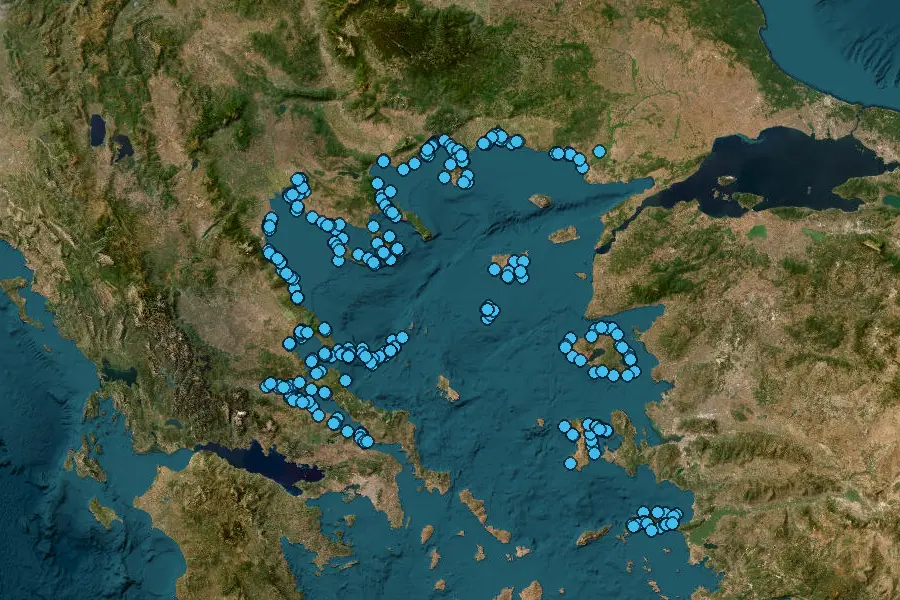
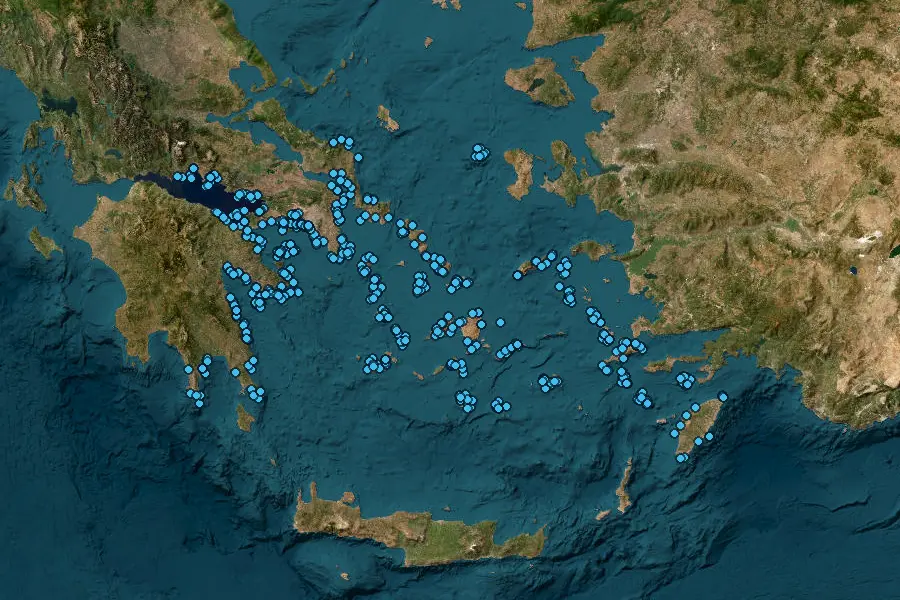
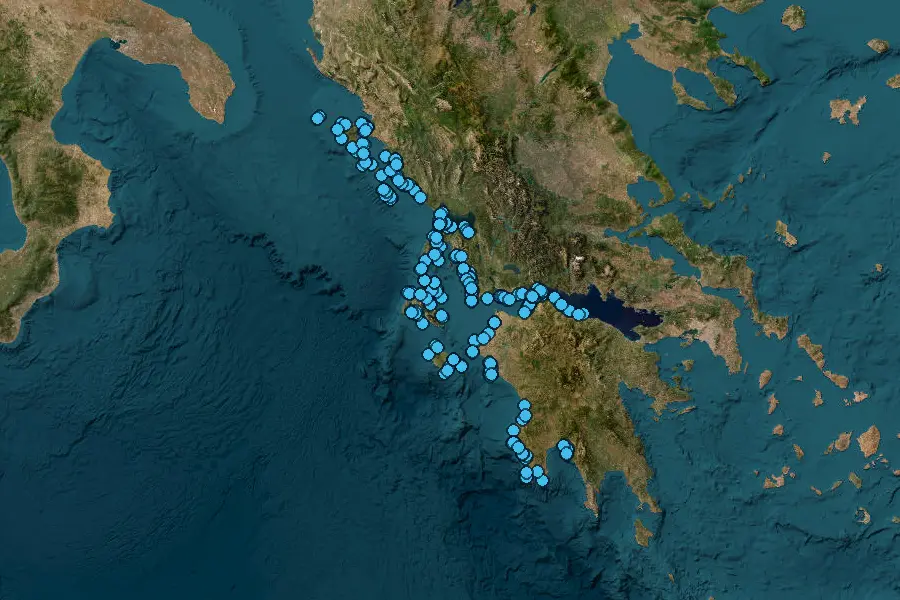
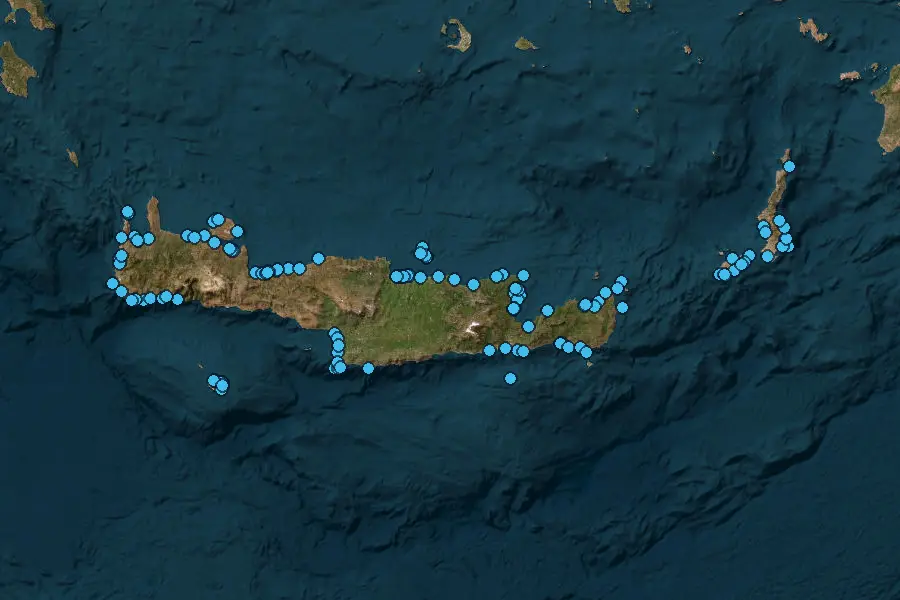

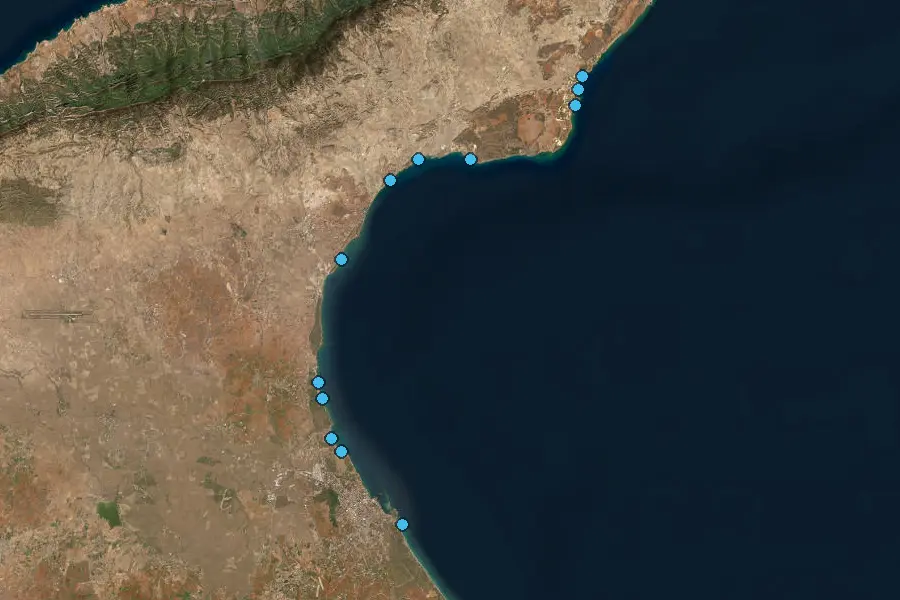
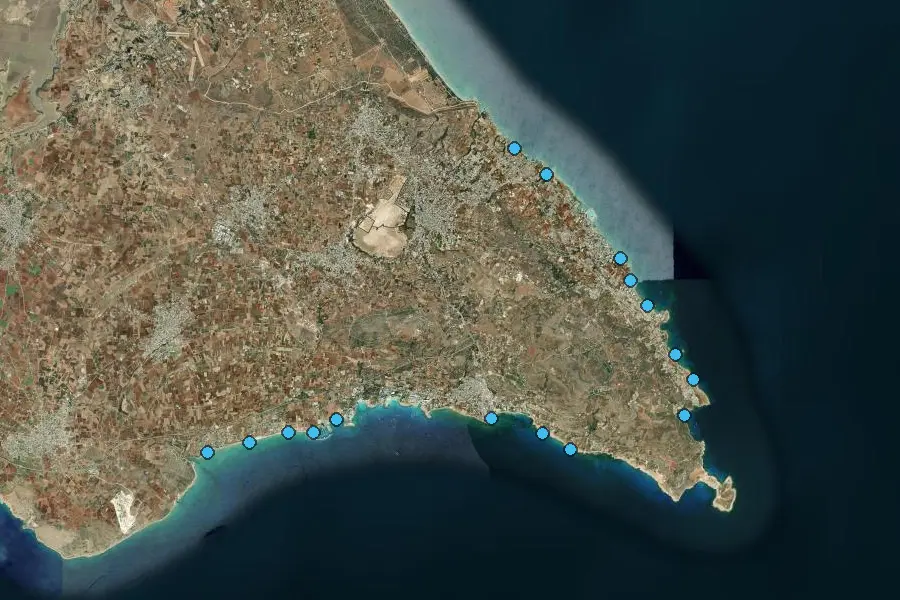
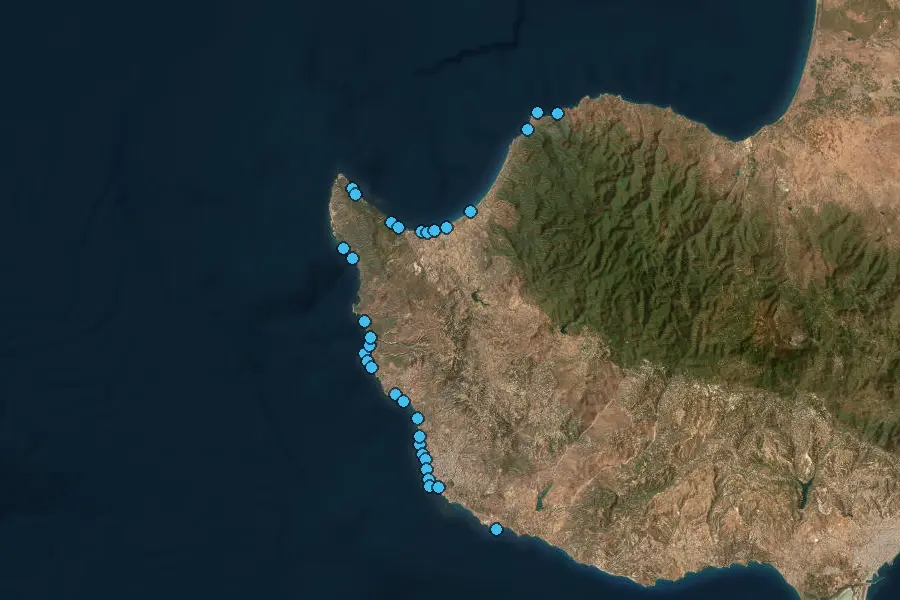
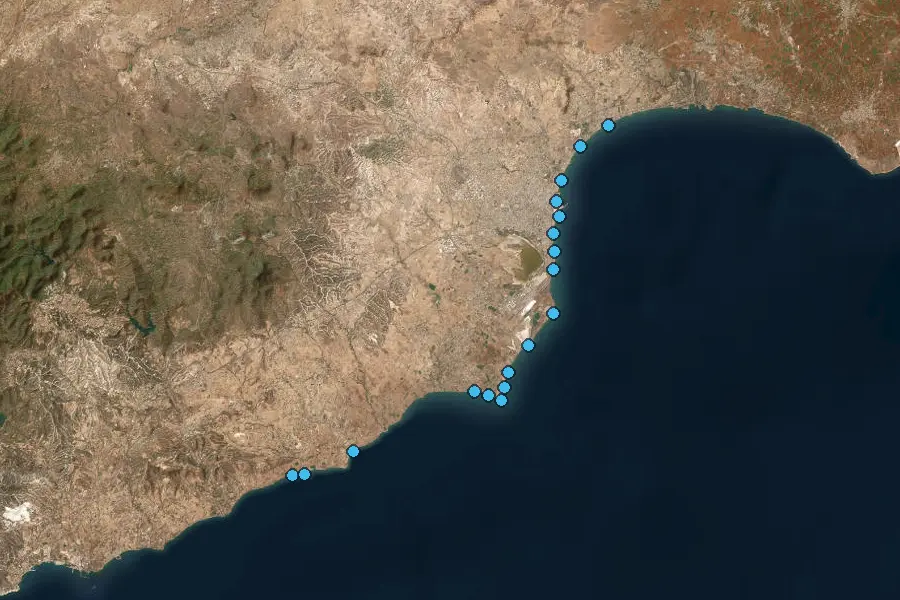
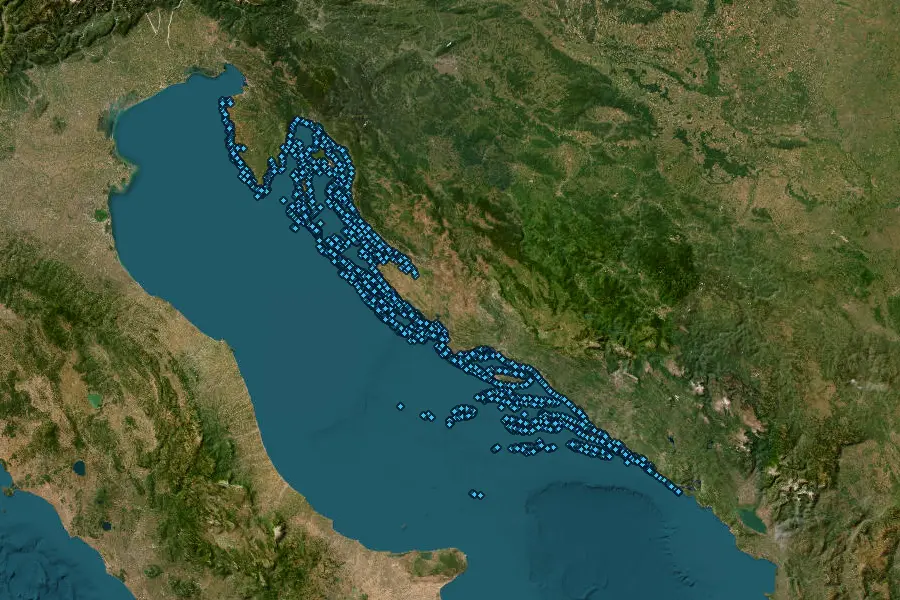
A listed spot is not a guarantee of a catch.
Aegean Sea
Season and suitable conditions
Check the season information for the region you chose.
Peak months: May, Jun, Jul, Aug, Sep, Oct, Nov
Mediterranean
Season and suitable conditions
Check the season information for the region you chose.
Peak months: Apr, May, Jun, Jul, Aug, Sep, Oct
North Aegean & Thrace
Season and suitable conditions
Check the season information for the region you chose.
Peak months: Mar, Apr, May, Jun, Jul, Aug, Sep, Oct, Nov
Central & South Aegean
Season and suitable conditions
Check the season information for the region you chose.
Peak months: Mar, Apr, May, Jun, Jul, Aug, Sep, Oct, Nov
Ionian Sea
Season and suitable conditions
Check the season information for the region you chose.
Peak months: Mar, Apr, May, Jun, Jul, Aug, Sep, Oct, Nov
Crete & Libyan Sea
Season and suitable conditions
Check the season information for the region you chose.
Peak months: Mar, Apr, May, Jun, Jul, Aug, Sep, Oct, Nov
Sea of Marmara
Season and suitable conditions
Check the season information for the region you chose.
There is no season data for this species yet.
Missing data does not mean an unproductive period.
Famagusta–İskele
Season and suitable conditions
Recorded all year round in this region; no distinct fishing season shows.
Güzelyurt Bay
Season and suitable conditions
Recorded all year round in this region; no distinct fishing season shows.
Kyrenia north coast
Season and suitable conditions
Recorded all year round in this region; no distinct fishing season shows.
Karpas Peninsula
Season and suitable conditions
Recorded all year round in this region; no distinct fishing season shows.
Paphos–Limassol south coast
Season and suitable conditions
Recorded all year round in this region; no distinct fishing season shows.
Ayia Napa–Protaras
Season and suitable conditions
Recorded all year round in this region; no distinct fishing season shows.
Akamas–Paphos west coast
Season and suitable conditions
Recorded all year round in this region; no distinct fishing season shows.
Larnaca southeast coast
Season and suitable conditions
Recorded all year round in this region; no distinct fishing season shows.
Adriatic
Season and suitable conditions
Recorded all year round in this region; no distinct fishing season shows.
Season information is no guarantee of a catch.
Best spots in October
By month
Average monthly score of the spots in Turkey (0–100).
- 74 Jan
- 74 Feb
- 74 Mar
- 74 Apr
- 46 May
- 42 Jun
- 40 Jul
- 39 Aug
- 61 Sep
- 74 Oct
- 76 Nov
- 73 Dec
The best spot in each Turkish province, by this month’s score.
- Aya Nikola Halk Plajı Adalar, İstanbul 91/100 Very good
- Arı Burnu Eceabat, Çanakkale 90/100 Very good
- Gökçetepe Plajı Keşan, Edirne 89/100 Very good
- Ayvalık Belediyesi Plaj İşletmesi Ayvalık, Balıkesir 88/100 Very good
- Eski Foça Küçükdeniz Kıyısı Foça, İzmir 88/100 Very good
A 0–100 score from season, water temperature, habitat and local records; a general trend, not a guarantee.
Best times of day
When in the day it bites best, month by month.
- Active at dawn and dusk
- Limited at night
In October
-
Dawn Best 85
1 h before sunrise → 1.5 h after
-
Midday 30
1 h before midday → 1 h after
-
Dusk 85
1.5 h before sunset → 2 h after
-
Night 60
0.5 h after sunset → 3 h before sunrise
Moon phase
Effect of the moon on night fishing; the scores compare the phases.
- New moon 45
- First quarter 60
- Full moon 70
- Last quarter 60


Best phase: Full moon
Windows across 12 months
| Best times of day | JJan | FFeb | MMar | AApr | MMay | JJun | JJul | AAug | SSep | OOct | NNov | DDec |
|---|---|---|---|---|---|---|---|---|---|---|---|---|
| Dawn | 80 | 80 | 80 | 85 | 85 | 85 | 85 | 85 | 85 | 85 | 85 | 80 |
| Midday | 45 | 45 | 45 | 30 | 30 | 30 | 30 | 45 | ||||
| Dusk | 85 | 85 | 85 | 85 | 85 | 85 | 85 | 85 | 85 | 85 | 85 | 85 |
| Night | 50 | 50 | 50 | 60 | 60 | 65 | 65 | 65 | 65 | 60 | 60 | 50 |
Windows follow sunrise and sunset; clock times change with place and date. Scores are relative within the month: 100 is the best window of the day.
4 sources · confidence medium
Habitat
Where it lives and in what kind of water: ranges compiled by the research.
Depth
0–150 m
mostly 0–60 m
Water temperature
11–29 °C
ideal 18–23 °C
Salinity
Full-strength seawater
23.9–40 ‰
Shore types
- Sandy beach
- Cove / inner bay
- Rocky shore
- Breakwater / jetty
- Headland
- Mixed shore
- Lagoon / weir mouth
- Cliff / steep shore
- Harbour mouth
- Reclaimed shore
- Shoal / reef
Bottom
Lives close to the bottom
- Sand
- Rock
Ranges from FishBase, AquaMaps and the literature; a general tendency, not a hard limit.
Confidence: shore type high, temperature high
Bait and tackle suggestions
Recorded baits and fishing techniques.
Bait by month
Baits documented for shore fishing, month by month and by water clarity.
In October
Natural baits
By water clarity
Rock / bottom omnivore — Picks up crustaceans, worms and weed. Wary; relies on smell and a natural look.
- Clear Visibility: over 8 m
- Natural bait First natural bait: Seaweed · Very suitable Usually in this water: Live shrimp, tube worm, mud shrimp, mussel; thin line, small hidden hook; little chum.
- Slightly coloured Visibility: 4–8 m
- Natural bait First natural bait: Seaweed · Very suitable Usually in this water: Shrimp, worm, mussel; normal pieces.
- Moderately coloured Visibility: 2–4 m
- Natural bait First natural bait: Diopatra tube worm · Very suitable Usually in this water: Mussel, crab, sardine pieces with chum (crushed mussel or bread).
- Murky Visibility: 1–2 m
- Natural bait First natural bait: Mussel · Suitable Usually in this water: Crab, mussel, razor clam; bottom rig; strong scent.
- Very murky Visibility: under 1 m
- Natural bait First natural bait: Mussel · Suitable Usually in this water: Mussel, crab, cut bait; big pieces.
12-month bait calendar
- January
- Natural baits: Mussel, Seaweed, Razor clam, Diopatra tube worm
- February
- Natural baits: Mussel, Seaweed, Razor clam, Diopatra tube worm
- March
- Natural baits: Mussel, Seaweed, Razor clam, Diopatra tube worm
- April
- Natural baits: Mussel, Seaweed, Razor clam, Diopatra tube worm
- May
- Natural baits: Mussel, Seaweed, Razor clam, Diopatra tube worm
- June
- Natural baits: Mussel, Seaweed, Razor clam, Diopatra tube worm
- July
- Natural baits: Mussel, Seaweed, Razor clam, Diopatra tube worm
- August
- Natural baits: Mussel, Seaweed, Razor clam, Diopatra tube worm
- September
- Natural baits: Mussel, Seaweed, Razor clam, Diopatra tube worm
- October
- Natural baits: Mussel, Seaweed, Razor clam, Diopatra tube worm
- November
- Natural baits: Mussel, Seaweed, Razor clam, Diopatra tube worm
- December
- Natural baits: Mussel, Seaweed, Razor clam, Diopatra tube worm
This is the usual pattern; the water and weather on the day can change it. Colour is fine-tuning: bait type, size and action come first. Confidence: natural high, lures low. Colour and presentation guide
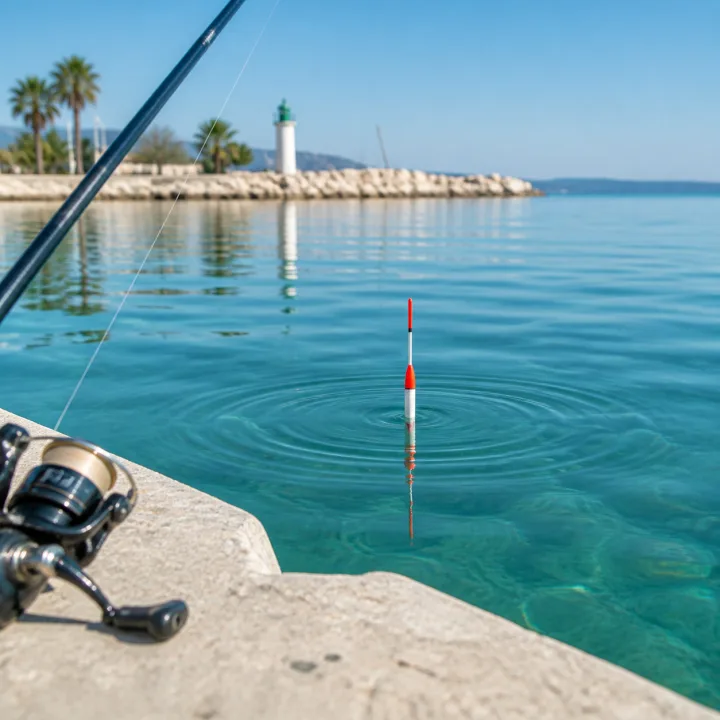
In this region · Aegean Sea
- Natural bait:
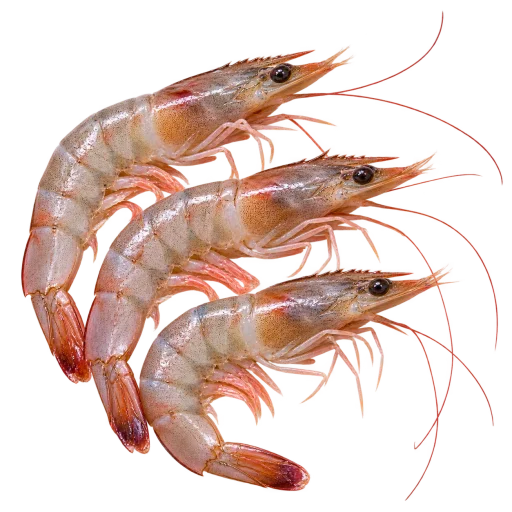
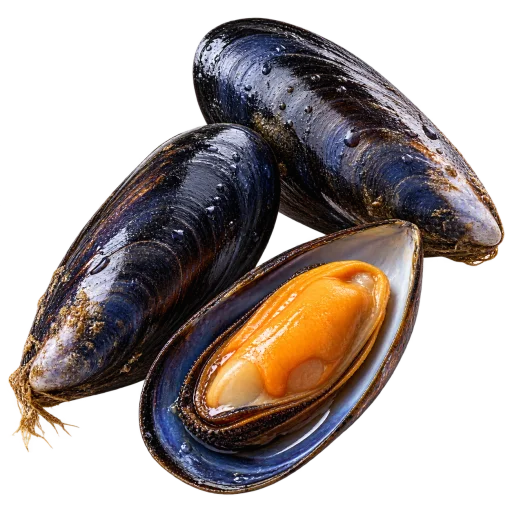
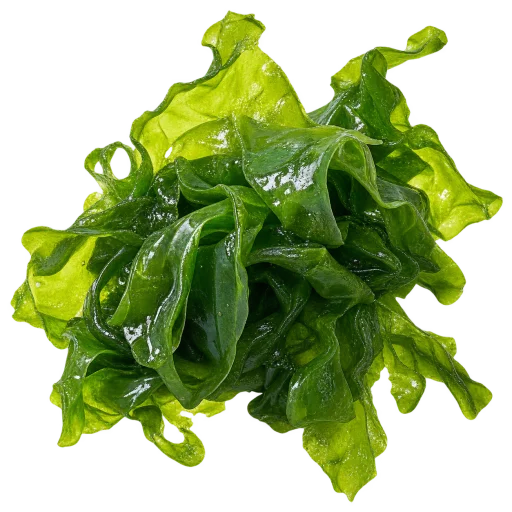
- mussel, seaweed, shrimp; regional support: European sardine / mamun / sülünez
- Lure:
- soft plastic worm
- Technique:
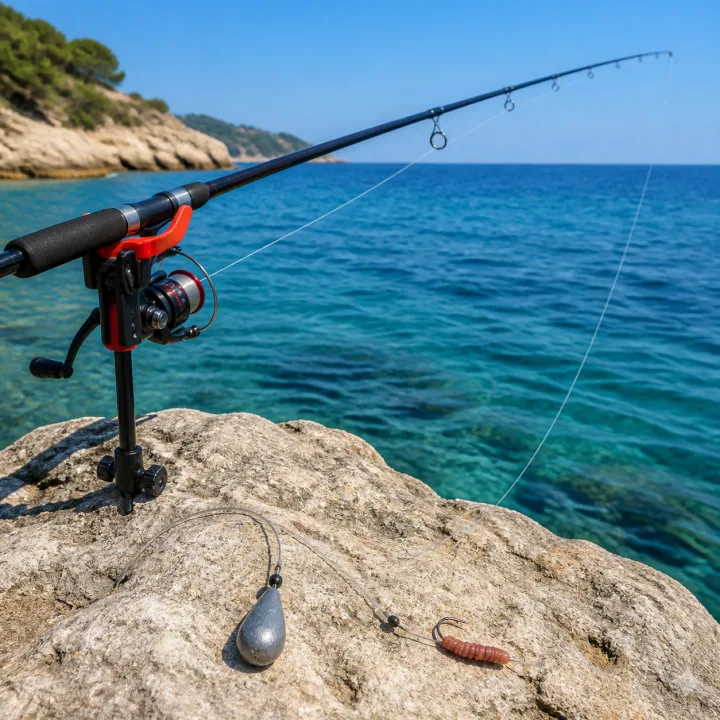
- bottom, float
In this region · Mediterranean
- Natural bait:
- mussel, seaweed, shrimp; regional support: European sardine / European squid / shrimp
- Lure:
- soft plastic worm
- Technique:
- bottom, float
Fishing rules for Greece
 Greece
- Minimum size
- 18 cm
- Maximum quantity
- 5 kg
Closed season: Tür/alan/dönem için daha sıkı kural olabilir
Legal basis: EU 2019/1241 Ek IX + Yunan ulusal mevzuatı communiqué text
Before you go, check local area and method restrictions.
Species profile

- Scientific name
- Diplodus puntazzo
- Family
- Sparidae
- Order
- Eupercaria incertae sedis
- Water type
- Saltwater
- Seas
- Aegean Sea, Mediterranean, Sea of Marmara
- Other names
- Sivriburun karagöz, Sivriburun
Frequently asked questions
What is the minimum size for Sharpsnout seabream?
In recreational angling the minimum catch size for Sharpsnout seabream is 18 cm. Fish below that length have to be returned to the water. Legal basis: EU 2019/1241 Ek IX + Yunan ulusal mevzuatı.
Which seas is Sharpsnout seabream found in?
In our records Sharpsnout seabream appears in these seas: Sea of Marmara, Aegean Sea, Mediterranean, North Aegean & Thrace — Greece, Central & South Aegean — Greece, Ionian Sea — Greece, Crete & Libyan Sea — Greece, Güzelyurt Bay — Northern Cyprus, Kyrenia north coast — Northern Cyprus, Famagusta–İskele — Northern Cyprus, Karpas Peninsula — Northern Cyprus, Akamas–Paphos west coast — Southern Cyprus, Paphos–Limassol south coast — Southern Cyprus, Larnaca southeast coast — Southern Cyprus, Ayia Napa–Protaras — Southern Cyprus, Adriatic — Croatia.
In which months is Sharpsnout seabream at its peak?
Peak periods by sea: Aegean Sea May–November; Mediterranean April–October; North Aegean & Thrace — Greece March–November; Central & South Aegean — Greece March–November; Ionian Sea — Greece March–November; Crete & Libyan Sea — Greece March–November; Famagusta–İskele — Northern Cyprus all year; Güzelyurt Bay — Northern Cyprus all year; Kyrenia north coast — Northern Cyprus all year; Karpas Peninsula — Northern Cyprus all year; Paphos–Limassol south coast — Southern Cyprus all year; Ayia Napa–Protaras — Southern Cyprus all year; Akamas–Paphos west coast — Southern Cyprus all year; Larnaca southeast coast — Southern Cyprus all year; Adriatic — Croatia all year.
Which bait is Sharpsnout seabream caught with?
Baits and lures on record: mussel, seaweed, shrimp, European sardine, mamun, sülünez, soft plastic worm, European squid.
Similar species