



















Sea fish
Black goby
Gobius niger
Get to know the species, pick your region, find your spot.
Other names: Kara gobi

- Habitat
- Harbour · rocky ground
- Method
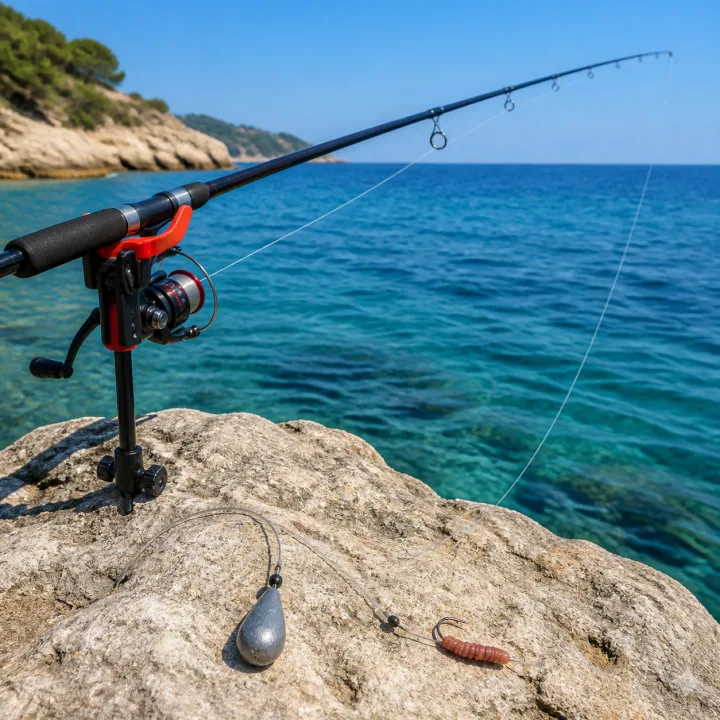
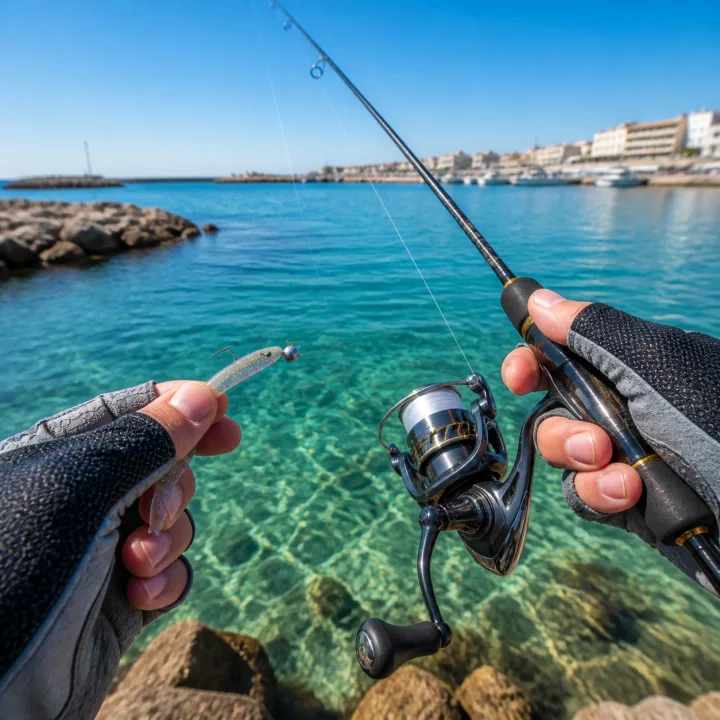
- LRF · Bottom fishing
- Family
- Gobiidae
Choose your region
The information changes with the region you choose.
Where is Black goby caught?
Explore the regions or go straight to the map.
Sea of Marmara fishing spots
94Black Sea fishing spots
169Aegean Sea fishing spots
58Mediterranean fishing spots
53Ligurian Sea fishing spots
2Sardinian Sea fishing spots
4Tyrrhenian Sea fishing spots
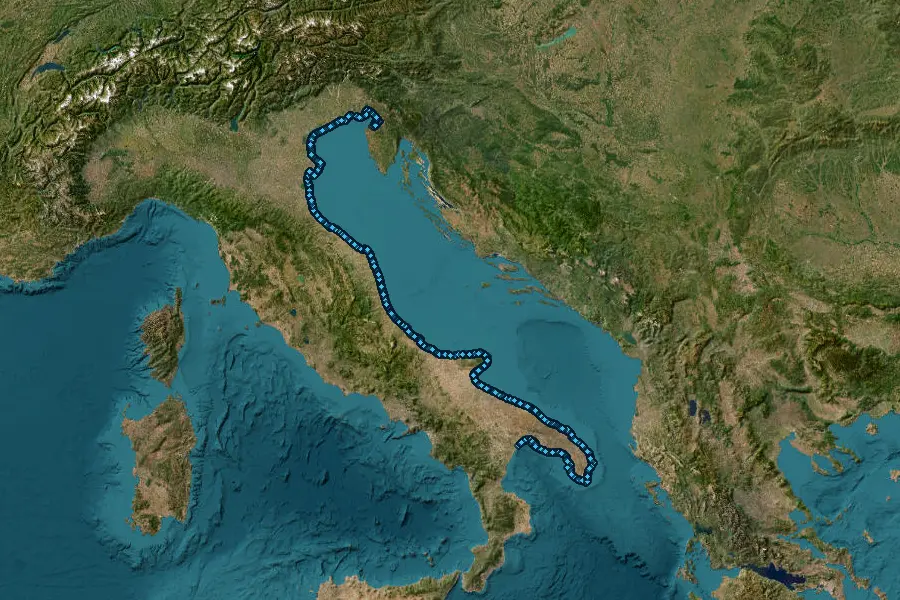
21Adriatic fishing spots
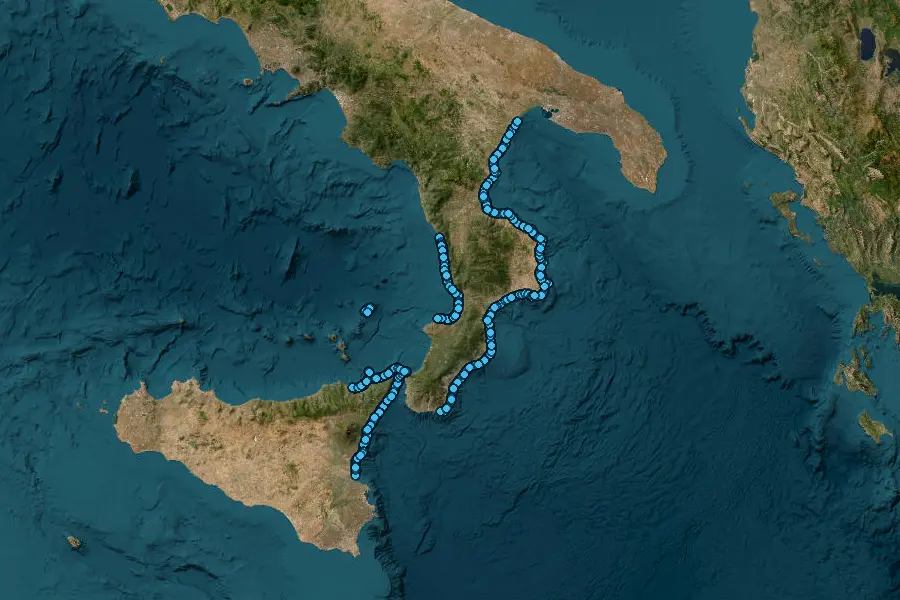
16Ionian Sea fishing spots
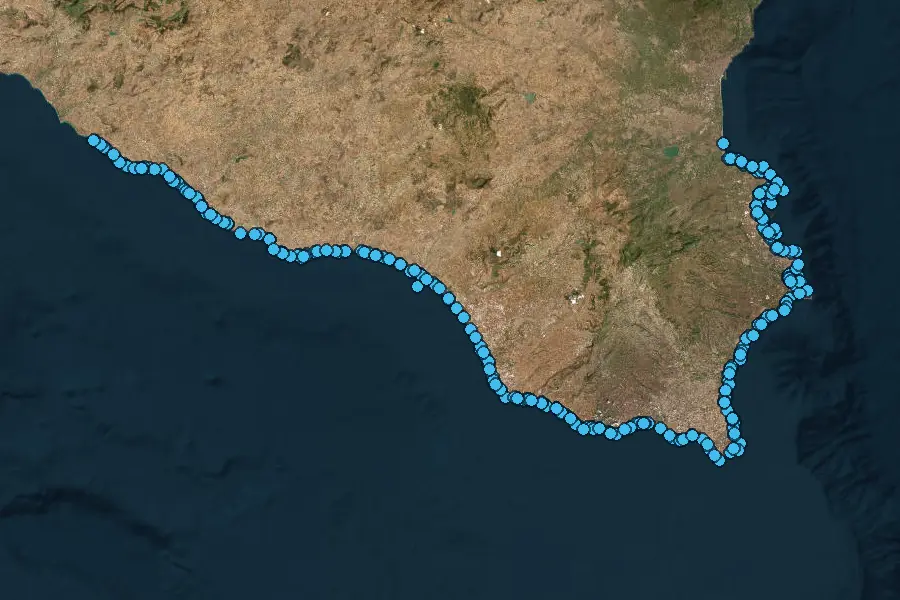
3Strait of Sicily fishing spots
1Mediterranean fishing spots
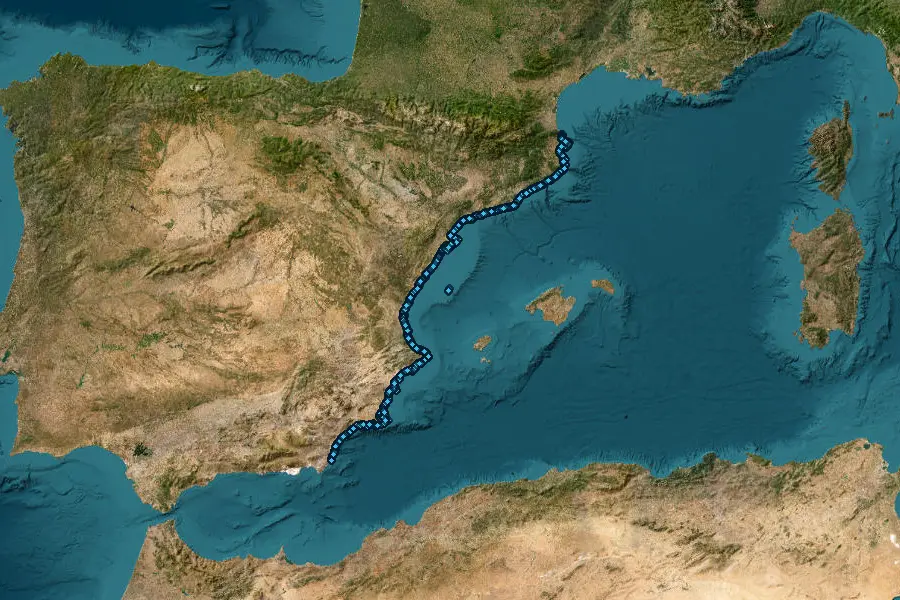
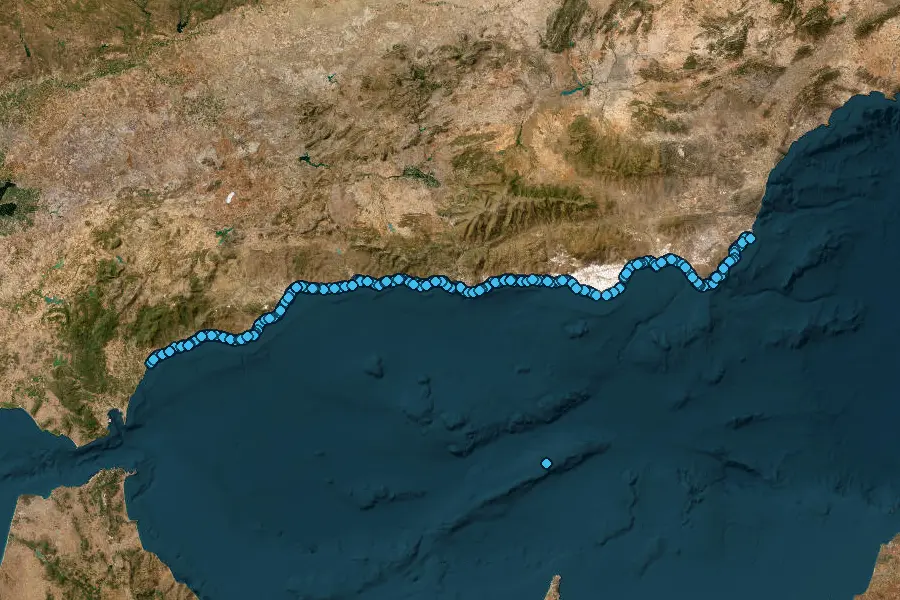
11Alboran Sea fishing spots
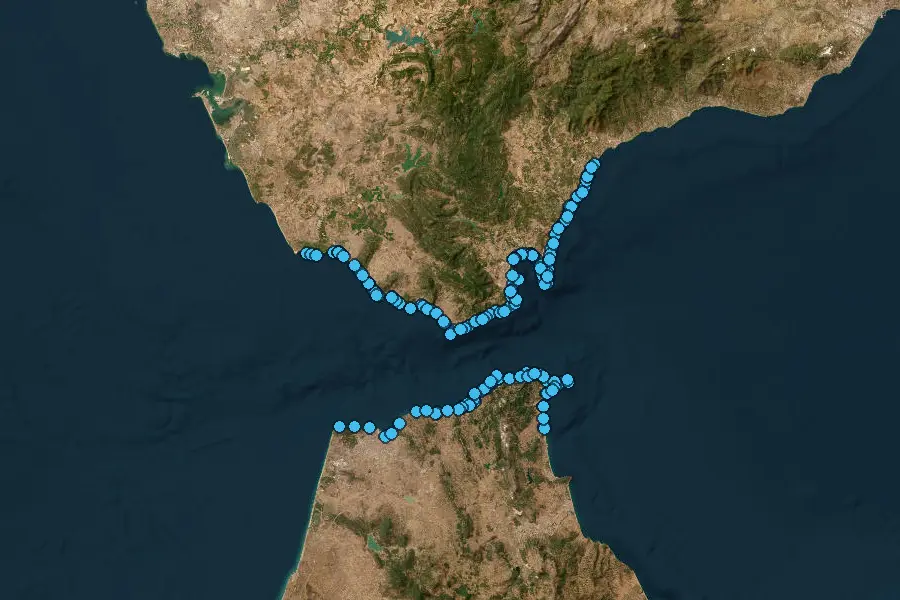
1Strait of Gibraltar fishing spots
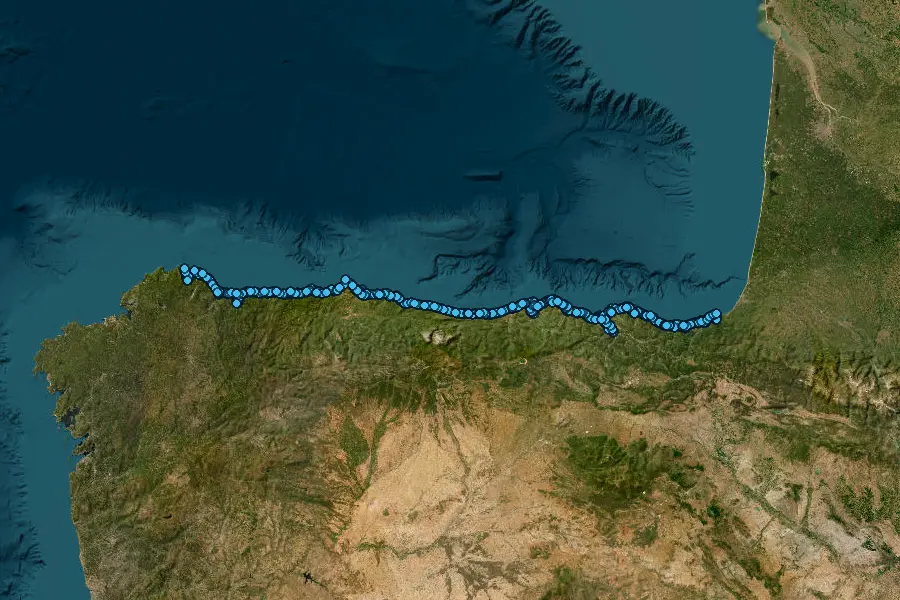
1Cantabrian Sea fishing spots
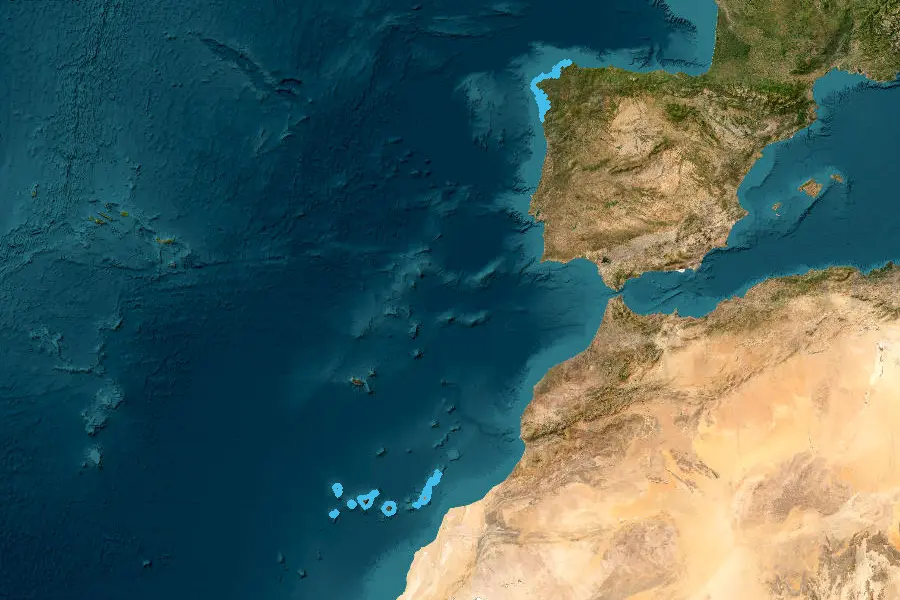
2Atlantic Ocean fishing spots
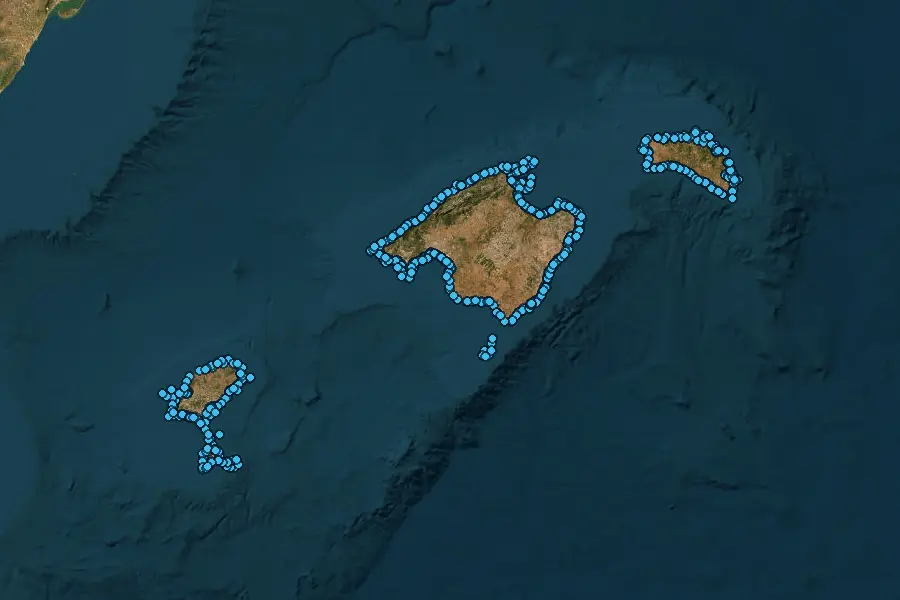
3Balearic Sea fishing spots
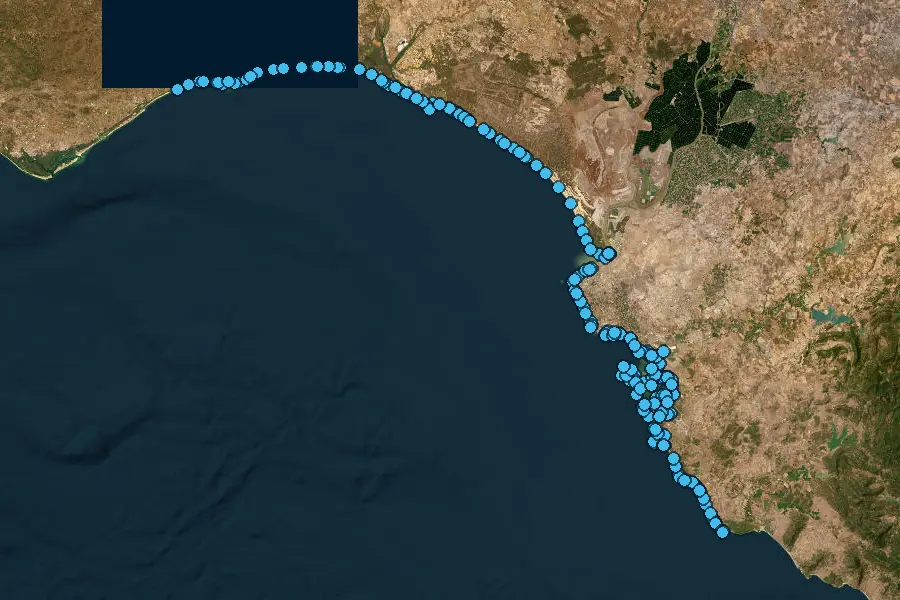
7Gulf of Cádiz fishing spots
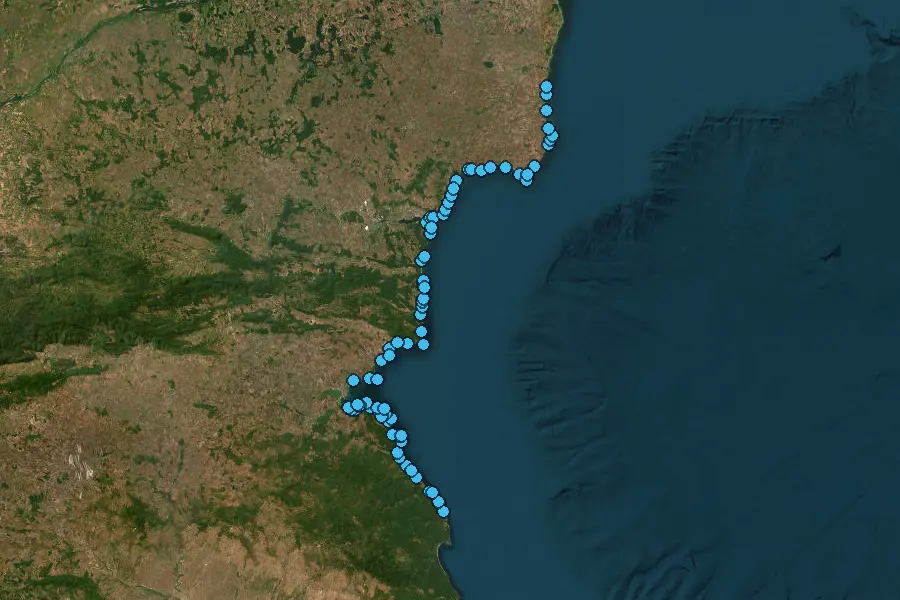
1Black Sea fishing spots
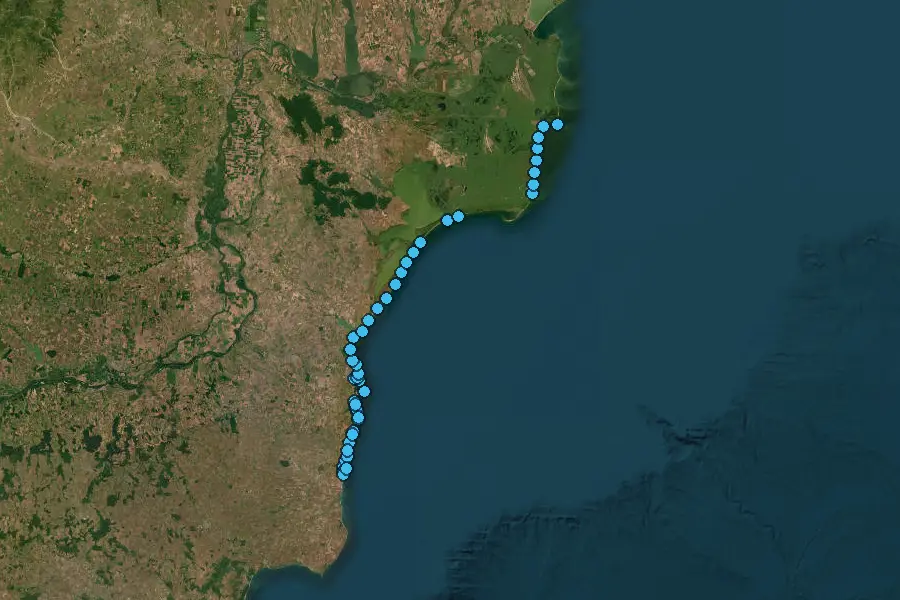
35Black Sea fishing spots
13South coast fishing spots
66West coast fishing spots
266South coast fishing spots
26West coast fishing spots
69North Sea fishing spots
20Kattegat and Skagerrak fishing spots
34Baltic Sea fishing spots
146- Adalı Dere Kocaeli · Gölcük
- Ağadere Kocaeli · Körfez
- Agil Deresi Yalova · Çiftlikköy
- Alibey Deresi İstanbul · Eyüpsultan
- Alişan Deresi Balıkesir · Erdek
- Alpagut Deresi Çanakkale · Lapseki
- Arap Deresi Balıkesir · Erdek
- Ayamama Deresi İstanbul · Bakırköy
- Abdal Deresi Samsun · Çarşamba
- Afanlı Deresi Samsun · Atakum
- Ağasar Deresi Trabzon · Beşikdüzü
- Ağva Kıyı Rekreasyon Alanı Parkı İstanbul · Şile
- Akçaova Çayı Ordu · Perşembe
- Akçay Samsun · Terme
- Akgüney Creek Zonguldak · Zonguldak Merkez
- Akkiraz Deresi Samsun · Tekkeköy
- Aghyl Dere Çanakkale · Eceabat
- Ahırkuyu Deresi İzmir · Karşıyaka
- Azmak Çayı Muğla · Ula
- Azmak Dere Çanakkale · Eceabat
- Bakırçay İzmir · Bergama
- Bornova Çayı İzmir · Bayraklı
- Bully Beef Gully Çanakkale · Eceabat
- Büyük Çiğli Deresi İzmir · Karşıyaka
- Akçay Antalya · Finike
- Aksu Çayı Antalya · Aksu
- Alakır Çayı Antalya · Kumluca
- Alara Çayı Antalya · Manavgat
- Anamur Çayı Mersin · Anamur
- Asi Nehri Hatay · Samandağ
- Ayvalık Deresi Adana · Yumurtalık
- Berdan Çayı Mersin · Tarsus
2 fishing grounds
4 fishing grounds
21 fishing grounds
16 fishing grounds
3 fishing grounds
1 fishing ground
11 fishing grounds
1 fishing ground
1 fishing ground
2 fishing grounds
3 fishing grounds
7 fishing grounds
1 fishing ground
35 fishing grounds
13 fishing grounds
66 fishing grounds
266 fishing grounds
26 fishing grounds
69 fishing grounds
20 fishing grounds
34 fishing grounds
146 fishing grounds
No fishing ground or region matches your search.


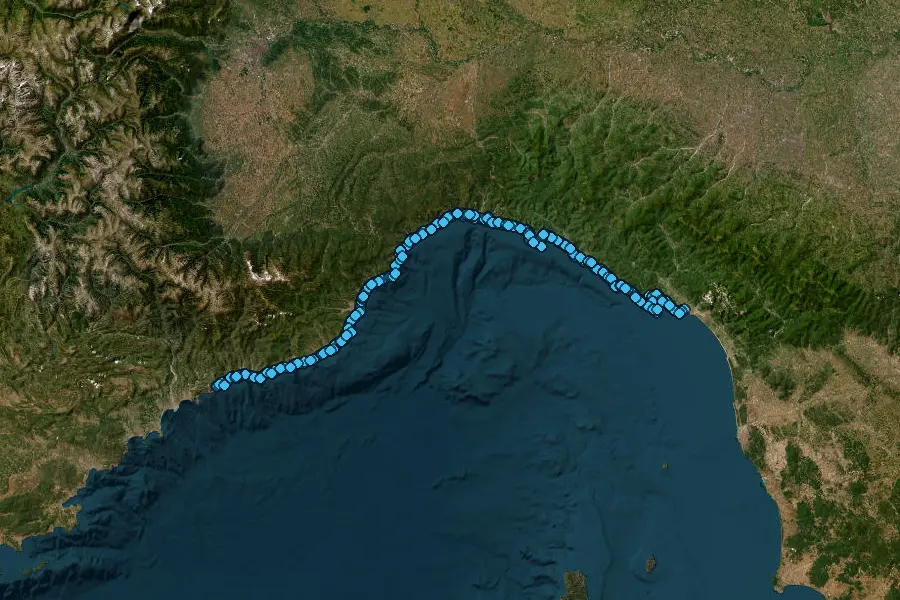
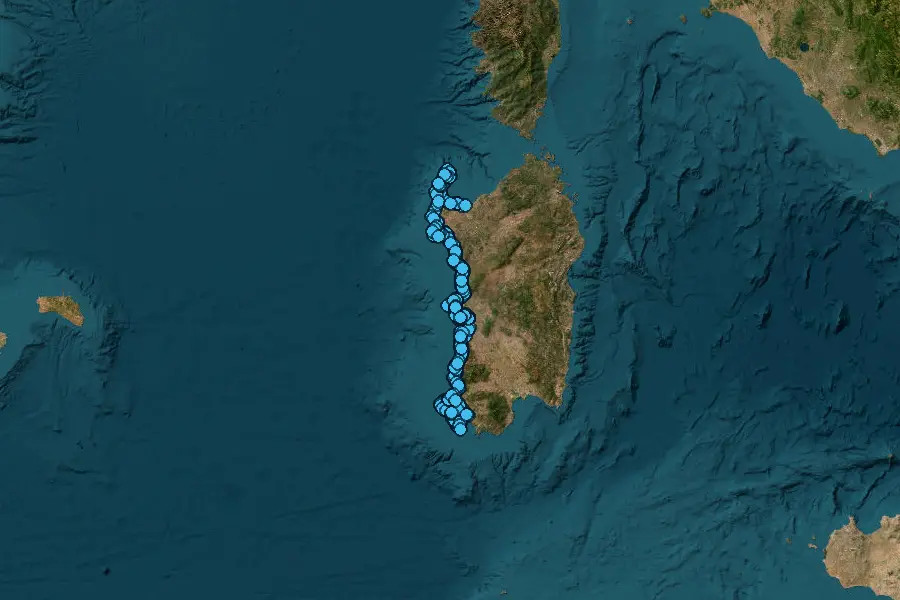
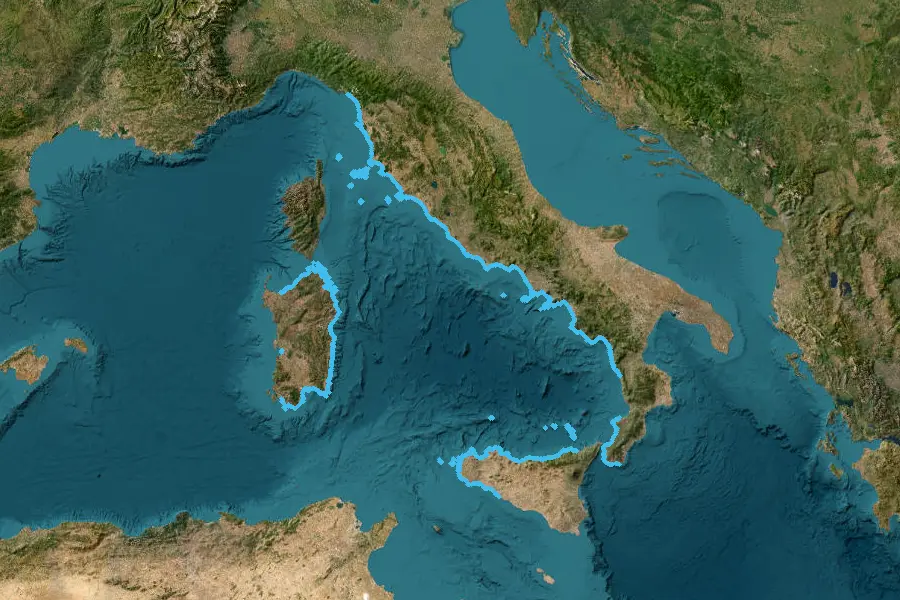
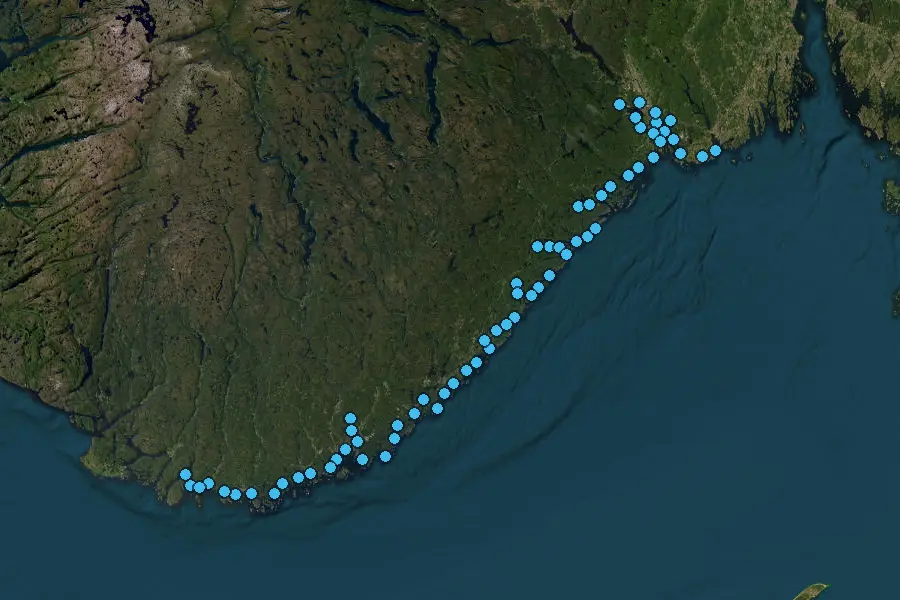
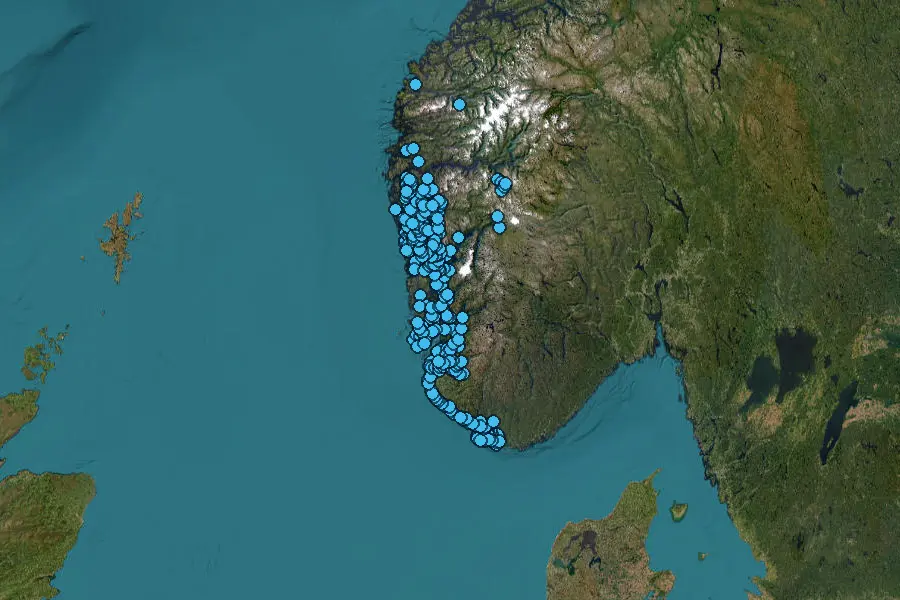
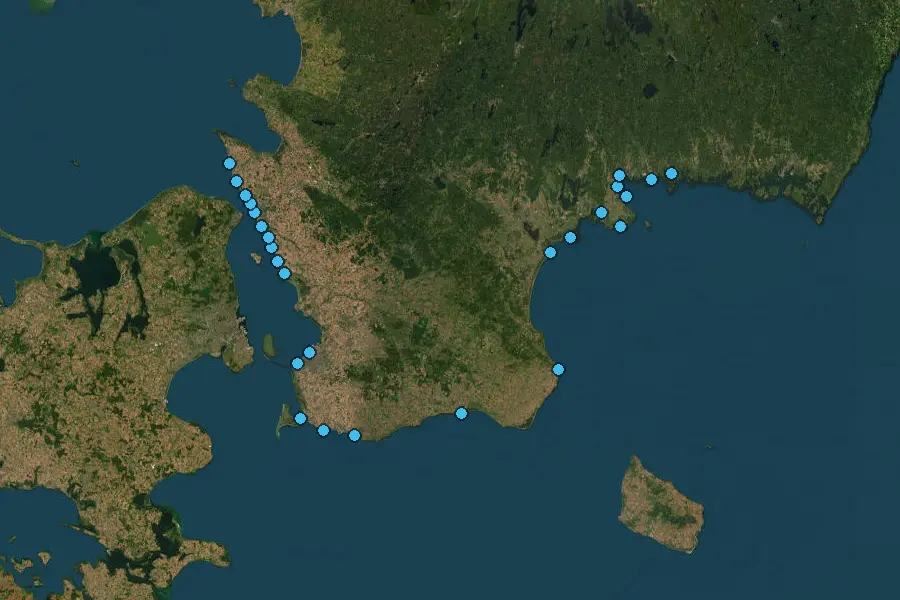
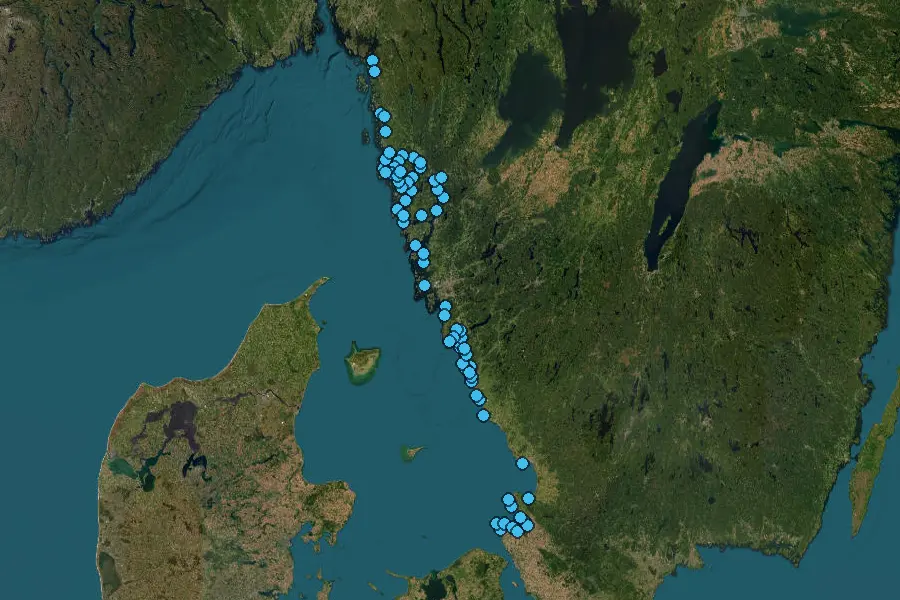
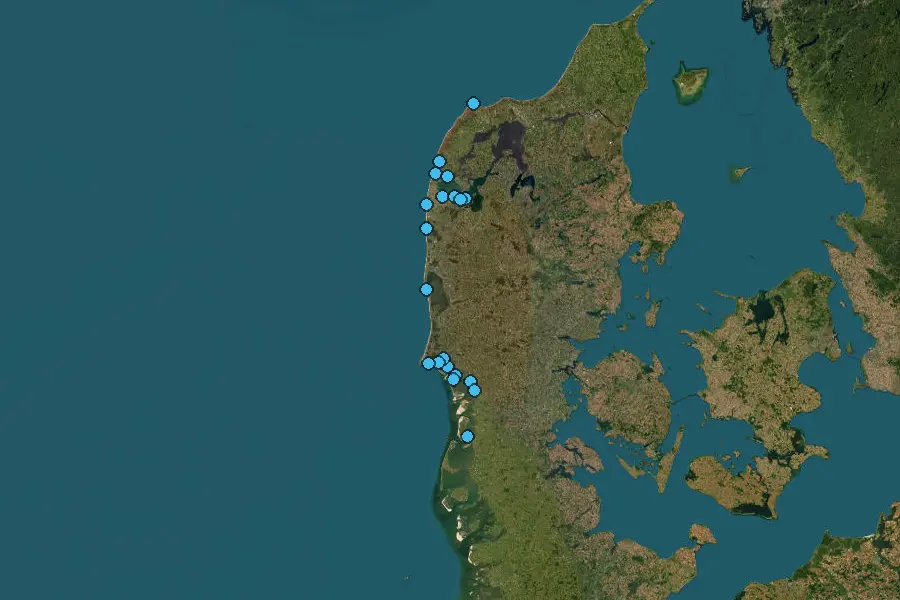
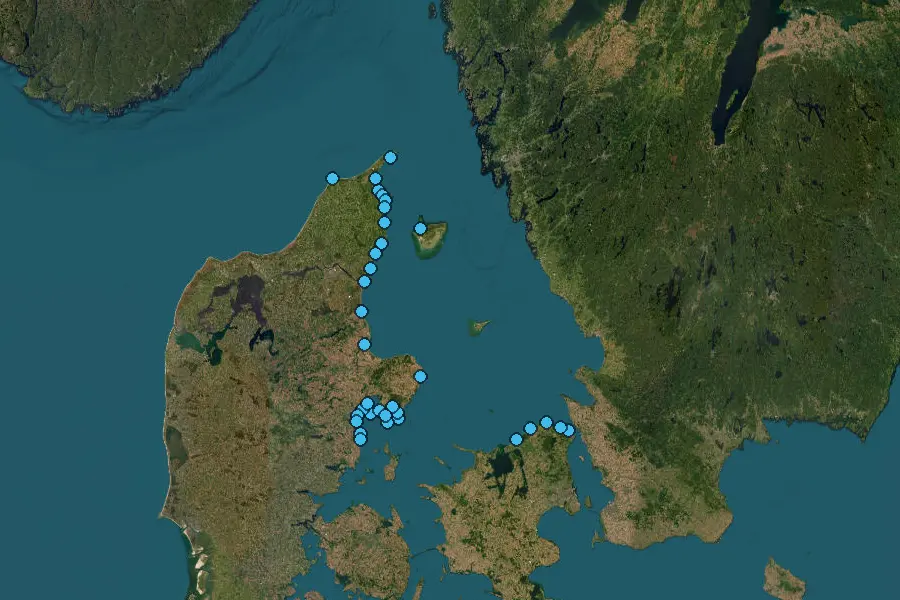
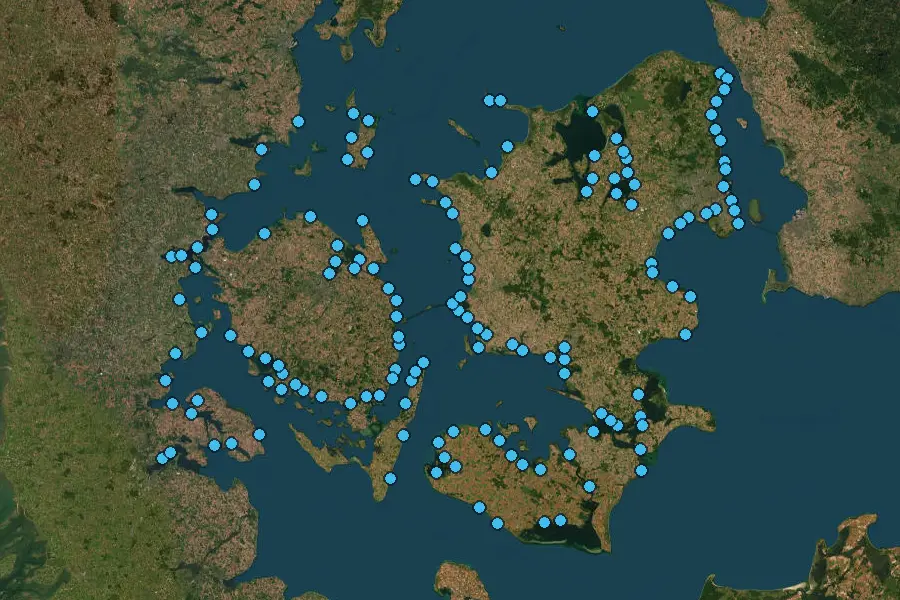
A listed spot is not a guarantee of a catch.
Sea of Marmara
Season and suitable conditions
Recorded all year round in this region; no distinct fishing season shows.
Black Sea
Season and suitable conditions
Recorded all year round in this region; no distinct fishing season shows.
Aegean Sea
Season and suitable conditions
Recorded all year round in this region; no distinct fishing season shows.
Mediterranean
Season and suitable conditions
Recorded all year round in this region; no distinct fishing season shows.
Ligurian Sea
Season and suitable conditions
Check the season information for the region you chose.
Peak months: Mar, Apr, May, Sep, Oct
Sardinian Sea
Season and suitable conditions
Check the season information for the region you chose.
Peak months: Mar, Apr, May, Sep, Oct
Tyrrhenian Sea
Season and suitable conditions
Check the season information for the region you chose.
Peak months: Mar, Apr, May, Sep, Oct
Adriatic
Season and suitable conditions
Check the season information for the region you chose.
Peak months: Mar, Apr, May, Sep, Oct
Ionian Sea
Season and suitable conditions
Check the season information for the region you chose.
Peak months: Mar, Apr, May, Sep, Oct
Strait of Sicily
Season and suitable conditions
Check the season information for the region you chose.
Peak months: Mar, Apr, May, Sep, Oct
Mediterranean
Season and suitable conditions
Check the season information for the region you chose.
Peak months: Mar, Apr, May, Sep, Oct
Alboran Sea
Season and suitable conditions
Check the season information for the region you chose.
Peak months: Mar, Apr, May, Sep, Oct
Strait of Gibraltar
Season and suitable conditions
Check the season information for the region you chose.
Peak months: Mar, Apr, May, Sep, Oct
Cantabrian Sea
Season and suitable conditions
Check the season information for the region you chose.
Peak months: Feb, Mar, Apr, Aug, Sep
Atlantic Ocean
Season and suitable conditions
Check the season information for the region you chose.
Peak months: Feb, Mar, Apr, Aug, Sep
Balearic Sea
Season and suitable conditions
Check the season information for the region you chose.
Peak months: Mar, Apr, May, Sep, Oct
Gulf of Cádiz
Season and suitable conditions
Check the season information for the region you chose.
Peak months: Mar, Apr, May, Sep, Oct
Black Sea
Season and suitable conditions
Recorded all year round in this region; no distinct fishing season shows.
Black Sea
Season and suitable conditions
Check the season information for the region you chose.
Peak months: May, Jun, Jul, Aug
South coast
Season and suitable conditions
Check the season information for the region you chose.
Peak months: May, Jun, Jul, Aug, Sep, Oct
West coast
Season and suitable conditions
Check the season information for the region you chose.
Peak months: May, Jun, Jul, Aug, Sep, Oct
South coast
Season and suitable conditions
Check the season information for the region you chose.
Peak months: May, Jun, Jul, Aug, Sep, Oct
West coast
Season and suitable conditions
Check the season information for the region you chose.
Peak months: May, Jun, Jul, Aug, Sep, Oct
North Sea
Season and suitable conditions
Check the season information for the region you chose.
Peak months: May, Jun, Jul, Aug, Sep, Oct
Kattegat and Skagerrak
Season and suitable conditions
Check the season information for the region you chose.
Peak months: May, Jun, Jul, Aug, Sep, Oct
Baltic Sea
Season and suitable conditions
Check the season information for the region you chose.
Peak months: May, Jun, Jul, Aug, Sep, Oct
Season information is no guarantee of a catch.
Best spots in November
By month
Average monthly score of the spots in Turkey (0–100).
- 29 Jan
- 29 Feb
- 65 Mar
- 73 Apr
- 73 May
- 71 Jun
- 68 Jul
- 67 Aug
- 69 Sep
- 72 Oct
- 73 Nov
- 62 Dec
The best spot in each Turkish province, by this month’s score.
- Ayvalık Belediyesi Plaj İşletmesi Ayvalık, Balıkesir 80/100 Very good
- Güzelyalı Feribot İskelesi Kıyısı Mudanya, Bursa 80/100 Very good
- Kadırga Koyu Sahili Ayvacık, Çanakkale 80/100 Very good
- Aya Nikola Halk Plajı Adalar, İstanbul 80/100 Very good
- Ayıbalığı Plajı Karaburun, İzmir 80/100 Very good
A 0–100 score from season, water temperature, habitat and local records; a general trend, not a guarantee.
Best times of day
When in the day it bites best, month by month.
- Active day and night
- Limited at night
In November
-
Dawn Best 80
0.5 h before sunrise → 2.5 h after
-
Midday 70
1 h before midday → 2 h after
-
Dusk 75
2.5 h before sunset → 0.5 h after
Not productive at night
Moon phase
Effect of the moon on night fishing; the scores compare the phases.
- New moon 15
- First quarter 15
- Full moon 20
- Last quarter 15


Best phase: No clear effect
Windows across 12 months
| Best times of day | JJan | FFeb | MMar | AApr | MMay | JJun | JJul | AAug | SSep | OOct | NNov | DDec |
|---|---|---|---|---|---|---|---|---|---|---|---|---|
| Dawn | 50 | 50 | 75 | 75 | 75 | 85 | 85 | 85 | 80 | 80 | 80 | 50 |
| Midday | 85 | 85 | 70 | 70 | 70 | 50 | 50 | 50 | 70 | 70 | 70 | 85 |
| Dusk | 60 | 60 | 75 | 75 | 75 | 80 | 80 | 80 | 75 | 75 | 75 | 60 |
| Night | 30 | 30 | 30 | 30 | 30 | 30 |
Windows follow sunrise and sunset; clock times change with place and date. Scores are relative within the month: 100 is the best window of the day.
7 sources · confidence medium
Habitat
Where it lives and in what kind of water: ranges compiled by the research.
Depth
1–96 m
mostly 1–50 m
Water temperature
6.3–33.8 °C
ideal 9.4–20.3 °C
Salinity
Also enters brackish water
3.6–40 ‰
Shore types
- Sandy beach
- Delta / alluvial shore
- Cove / inner bay
- Breakwater / jetty
- Pier / quay
- Around marinas
- River / stream mouth
- Lagoon / weir mouth
- Inside harbours
- Tidal flat / marsh
- Reclaimed shore
Bottom
Lives close to the bottom
- Sand
- Seagrass
- Seaweed
Ranges from FishBase, AquaMaps and the literature; a general tendency, not a hard limit.
Confidence: shore type high, temperature medium
Bait and tackle suggestions
Recorded baits and fishing techniques.
Bait by month
Baits documented for shore fishing, month by month and by water clarity.
In November
Processed bait (all year)
- Chicken
- Beef
By water clarity
Rock / bottom omnivore — Picks up crustaceans, worms and weed. Wary; relies on smell and a natural look.
- Clear Visibility: over 8 m
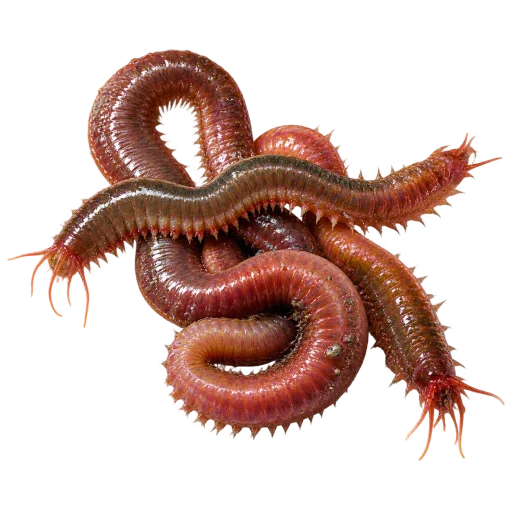
- Natural first, lures also work First natural bait: Ragworm · Very suitable Usually in this water: Live shrimp, tube worm, mud shrimp, mussel; thin line, small hidden hook; little chum. First lure: LRF micro soft plastic · Very suitable Usually in this water: LRF micro soft plastic, imitation shrimp; very small, slow. Colour: Clear, Natural brown, Red
- Slightly coloured Visibility: 4–8 m
- Natural first, lures also work First natural bait: Ragworm · Very suitable Usually in this water: Shrimp, worm, mussel; normal pieces. First lure: LRF micro soft plastic · Very suitable Usually in this water: LRF/micro soft plastic, imitation shrimp. Colour: Pink, White, Red
- Moderately coloured Visibility: 2–4 m
- Natural bait First natural bait: Ragworm · Very suitable Usually in this water: Mussel, crab, sardine pieces with chum (crushed mussel or bread). First lure: Metal jig · Very suitable Usually in this water: Scented soft plastic (Isome/Gulp type); slow, on the bottom. Colour: Fluorescent, Pink
- Murky Visibility: 1–2 m
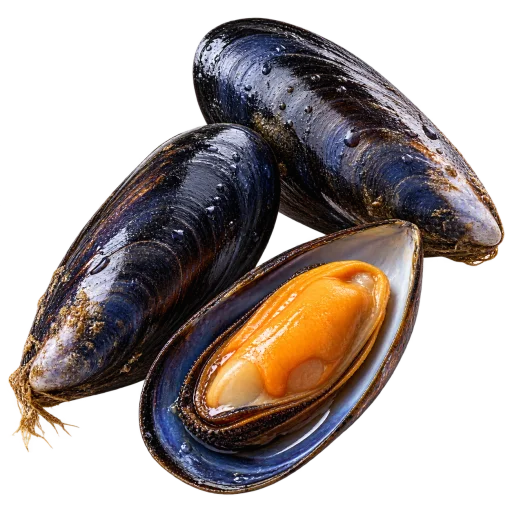
- Natural bait First natural bait: Mussel · Suitable Usually in this water: Crab, mussel, razor clam; bottom rig; strong scent. First lure: Scented soft plastic · Suitable Usually in this water: Weak; scented soft plastic only. Colour: Dark silhouette
- Very murky Visibility: under 1 m
- Natural bait First natural bait: Mussel · Suitable Usually in this water: Mussel, crab, cut bait; big pieces. First lure: Scented soft plastic · Weak Colour: Dark silhouette
12-month bait calendar
- January
- Natural baits: Mussel, Ragworm Lures: LRF micro soft plastic, Scented soft plastic, Metal jig, Hard minnow
- February
- Natural baits: Mussel, Ragworm Lures: LRF micro soft plastic, Scented soft plastic, Metal jig, Hard minnow
- March
- Natural baits: Mussel, Ragworm Lures: LRF micro soft plastic, Scented soft plastic, Metal jig, Hard minnow
- April
- Natural baits: Mussel, Ragworm Lures: LRF micro soft plastic, Scented soft plastic, Metal jig, Hard minnow
- May
- Natural baits: Mussel, Ragworm Lures: LRF micro soft plastic, Scented soft plastic, Metal jig, Hard minnow
- June
- Natural baits: Mussel, Ragworm Lures: LRF micro soft plastic, Scented soft plastic, Metal jig, Hard minnow
- July
- Natural baits: Mussel, Ragworm Lures: LRF micro soft plastic, Scented soft plastic, Metal jig, Hard minnow
- August
- Natural baits: Mussel, Ragworm Lures: LRF micro soft plastic, Scented soft plastic, Metal jig, Hard minnow
- September
- Natural baits: Mussel, Ragworm Lures: LRF micro soft plastic, Scented soft plastic, Metal jig, Hard minnow
- October
- Natural baits: Mussel, Ragworm Lures: LRF micro soft plastic, Scented soft plastic, Metal jig, Hard minnow
- November
- Natural baits: Mussel, Ragworm Lures: LRF micro soft plastic, Scented soft plastic, Metal jig, Hard minnow
- December
- Natural baits: Mussel, Ragworm Lures: LRF micro soft plastic, Scented soft plastic, Metal jig, Hard minnow
This is the usual pattern; the water and weather on the day can change it. Colour is fine-tuning: bait type, size and action come first. Confidence: natural medium, lures high. Colour and presentation guide
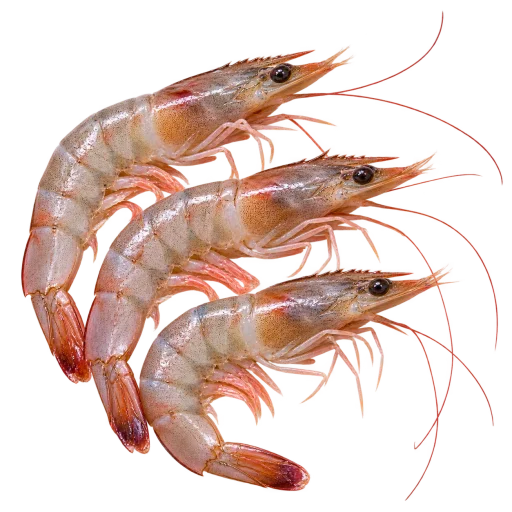
In this region · Sea of Marmara
- Natural bait:
- worm, shrimp, mussel; regional support: European anchovy / Atlantic horse mackerel / shrimp
- Lure:
- micro soft plastic
- Technique:
- Bolognese
In this region · Black Sea
- Natural bait:
- worm, shrimp, mussel; regional support: European anchovy / European sprat
- Lure:
- micro soft plastic
- Technique:
- Bolognese
In this region · Aegean Sea
- Natural bait:
- worm, shrimp, mussel; regional support: European sardine / mamun / sülünez
- Lure:
- micro soft plastic
- Technique:
- Bolognese
In this region · Mediterranean
- Natural bait:
- worm, shrimp, mussel; regional support: European sardine / European squid / shrimp
- Lure:
- micro soft plastic
- Technique:
- Bolognese
Fishing rules
The regulation holds no separate minimum size or closed season entry for this species. The provisions for Türkiye as a whole apply.
Before you go, check local area and method restrictions.
How to recognise the black goby
Where does it live, and how?
Why “kaya balığı” is not a single species
Species profile

- Scientific name
- Gobius niger
- Family
- Gobiidae
- Order
- Gobiiformes
- Water type
- Saltwater
- Seas
- Sea of Marmara, Black Sea, Aegean Sea, Mediterranean
- Other names
- Kaya balığı, Kara gobi
Frequently asked questions
Which seas is Black goby found in?
In our records Black goby appears in these seas: Black Sea, Sea of Marmara, Aegean Sea, Mediterranean, Ligurian Sea — Italy, Tyrrhenian Sea — Italy, Adriatic — Italy, Ionian Sea — Italy, Strait of Sicily — Italy, Sardinian Sea — Italy, Atlantic Ocean — Spain, Mediterranean — Spain, Cantabrian Sea — Spain, Balearic Sea — Spain, Alboran Sea — Spain, Gulf of Cádiz — Spain, Strait of Gibraltar — Spain, Black Sea — Bulgaria, Black Sea — Romania, South coast — Norway, West coast — Norway, West coast — Sweden, South coast — Sweden, North Sea — Denmark, Kattegat and Skagerrak — Denmark, Baltic Sea — Denmark.
In which months is Black goby at its peak?
Peak periods by sea: Sea of Marmara all year; Black Sea all year; Aegean Sea all year; Mediterranean all year; Ligurian Sea — Italy March, April, May, September, October; Sardinian Sea — Italy March, April, May, September, October; Tyrrhenian Sea — Italy March, April, May, September, October; Adriatic — Italy March, April, May, September, October; Ionian Sea — Italy March, April, May, September, October; Strait of Sicily — Italy March, April, May, September, October; Mediterranean — Spain March, April, May, September, October; Alboran Sea — Spain March, April, May, September, October; Strait of Gibraltar — Spain March, April, May, September, October; Cantabrian Sea — Spain February, March, April, August, September; Atlantic Ocean — Spain February, March, April, August, September; Balearic Sea — Spain March, April, May, September, October; Gulf of Cádiz — Spain March, April, May, September, October; Black Sea — Bulgaria all year; Black Sea — Romania May–August; South coast — Norway May–October; West coast — Norway May–October; South coast — Sweden May–October; West coast — Sweden May–October; North Sea — Denmark May–October; Kattegat and Skagerrak — Denmark May–October; Baltic Sea — Denmark May–October.
Which bait is Black goby caught with?
Baits and lures on record: worm, shrimp, mussel, European anchovy, Atlantic horse mackerel, micro soft plastic, European sprat, European sardine, mamun, sülünez, European squid.
How big does the black goby grow?
The sources do not give the same upper limit. FishBase lists a maximum length of 25.3 centimetres total length; MarLIN says the species grows to 17 centimetres, and Kovačić and colleagues give the known adult size as about 15–18 centimetres. The 331 fish Kırdar and İşmen measured in the Sea of Marmara ranged from 6.2 to 14.2 centimetres in total length, averaging 10.28 centimetres. FishBase gives the maximum reported age as 5 years; the Marmara sample was made up of age groups 0–4.
Is every “kaya balığı” the same species?
No. Among the Turkish names FishBase records for Türkiye, the bare “kaya balığı” or “kayabalığı” is given to more than thirty species of the family Gobiidae. This page covers only Gobius niger; FishBase calls it “kömürcü kayabalığı” and WoRMS “kömürcü kaya balığı”. To tell it apart, look for the marks listed by FishBase and by Kovačić and colleagues: the black spot at the front of each dorsal fin, and the long, pointed first dorsal fin of mature males.
Does the black goby live only among rocks?
For Gobius niger the sources say no. FishBase describes it in estuaries, lagoons and inshore waters, over sand or mud, in seagrass or among algae. MarLIN also says the species prefers sand and mud, and that the similar Gobius paganellus is the one that lives in rocky areas. According to Kovačić and colleagues, it is found mostly on sheltered or muddy bottoms and in coastal lagoons.
Similar species