









Sea fish
Greater weever
Trachinus draco
Get to know the species, pick your region, find your spot.
Other names: Çarpan balığı

- Habitat
- Sandy bottom
- Method
- Bottom fishing · LRF
- Family
- Trachinidae
Choose your region
The information changes with the region you choose.
Where is Greater weever caught?
Explore the regions or go straight to the map.
Sardinian Sea fishing spots
19Sea of Marmara fishing spots
10Black Sea fishing spots
156Aegean Sea fishing spots
23Mediterranean fishing spots
21North Aegean & Thrace fishing spots
95Central & South Aegean fishing spots
131Ionian Sea fishing spots
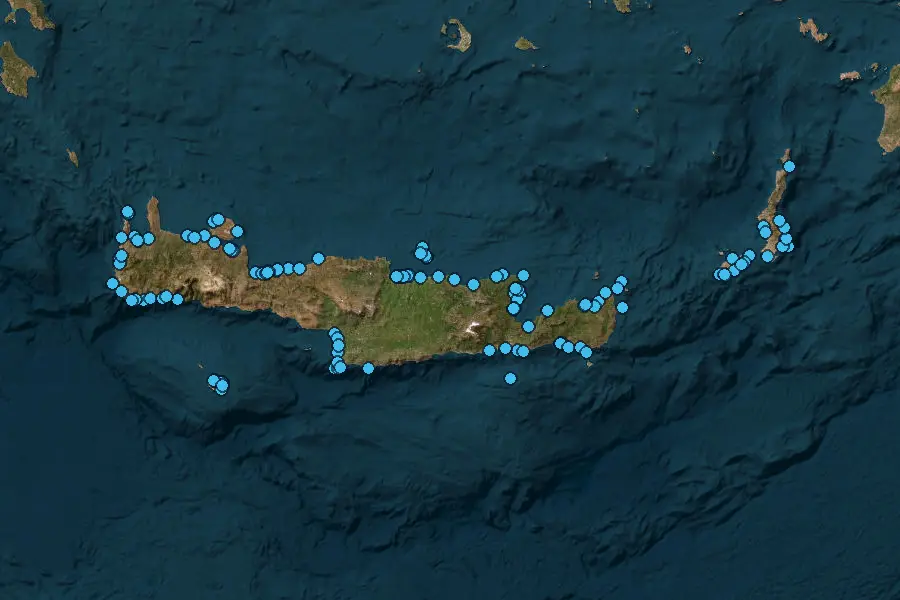
73Crete & Libyan Sea fishing spots
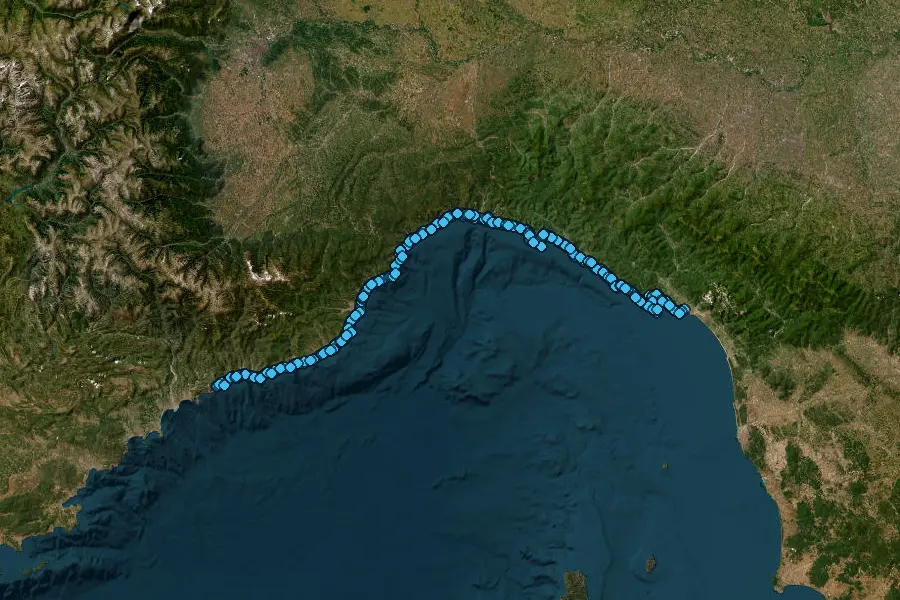
35Ligurian Sea fishing spots
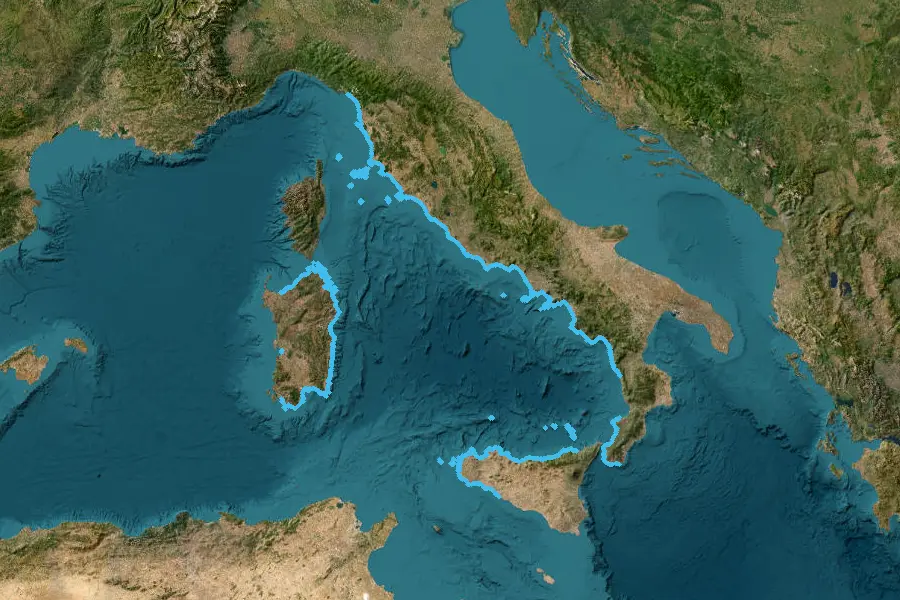
12Tyrrhenian Sea fishing spots
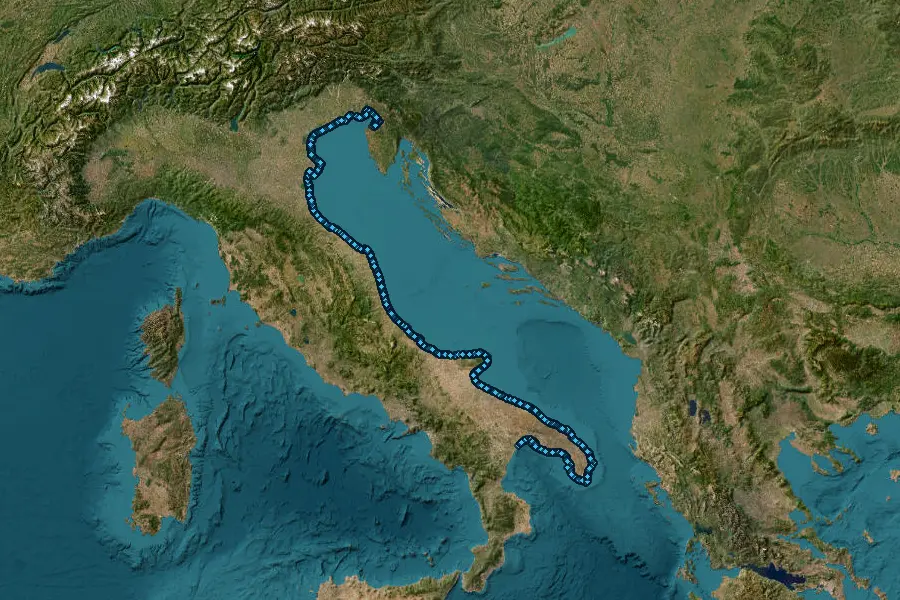
95Adriatic fishing spots
45Strait of Sicily fishing spots
14Ionian Sea fishing spots
10Mediterranean fishing spots
36Alboran Sea fishing spots
12Strait of Gibraltar fishing spots
3Gulf of Cádiz fishing spots
10Cantabrian Sea fishing spots
14Atlantic Ocean fishing spots
17Balearic Sea fishing spots
35Black Sea fishing spots
49Black Sea fishing spots
28South East coast fishing spots
26South coast fishing spots
98South West coast fishing spots
131North Sea fishing spots
64North Sea fishing spots
1219 fishing grounds
10 fishing grounds
156 fishing grounds
23 fishing grounds
21 fishing grounds
95 fishing grounds
131 fishing grounds
73 fishing grounds
35 fishing grounds
12 fishing grounds
95 fishing grounds
45 fishing grounds
14 fishing grounds
10 fishing grounds
36 fishing grounds
12 fishing grounds
3 fishing grounds
10 fishing grounds
14 fishing grounds
17 fishing grounds
35 fishing grounds
49 fishing grounds
28 fishing grounds
- Beltinge Beach Kent · Canterbury
- Clacton Pier Essex · Tendring
- Connaught Bay Essex · Tendring
- Crab Bay Kent · Dover
- Deal Beach Kent · Dover
- Dovercourt Bay Essex · Tendring
- Dover shore fishing spot Kent · Dover
- Furze Bay Essex · Tendring
- Albion Groyne Brighton and Hove
- Aldwick Beach West Sussex · Arun
- Arish Mell Dorset
- Barton on Sea Hampshire · New Forest
- Bembridge Beach Isle of Wight
- Bexhill Beach East Sussex · Rother
- Bincleaves Groyne Dorset
- Birling Gap Beach East Sussex · Wealden
- Albert Pier Cornwall
- Bagalow Beach Cornwall
- Beacon Beach Devon · South Hams
- Blackstone Beach Devon · North Devon
- Bolijack Cornwall
- Booby's Bay Cornwall
- Boscastle Harbour Cornwall
- Bossington Beach Somerset
64 fishing grounds
12 fishing grounds
No fishing ground or region matches your search.
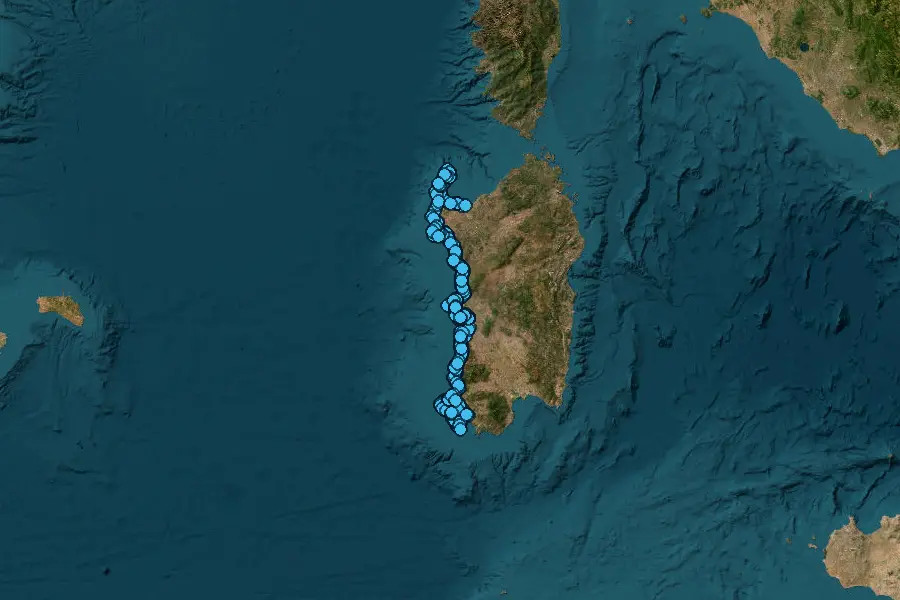


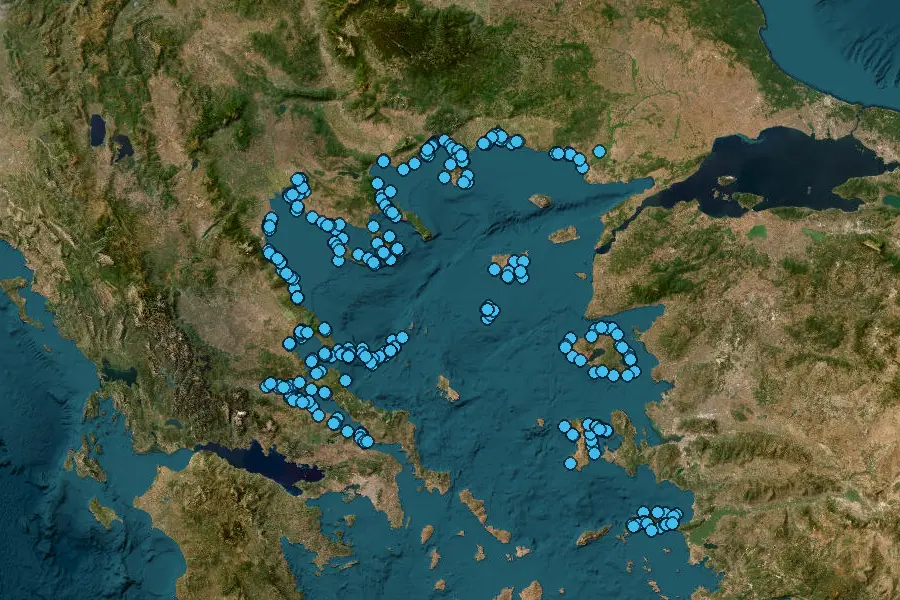
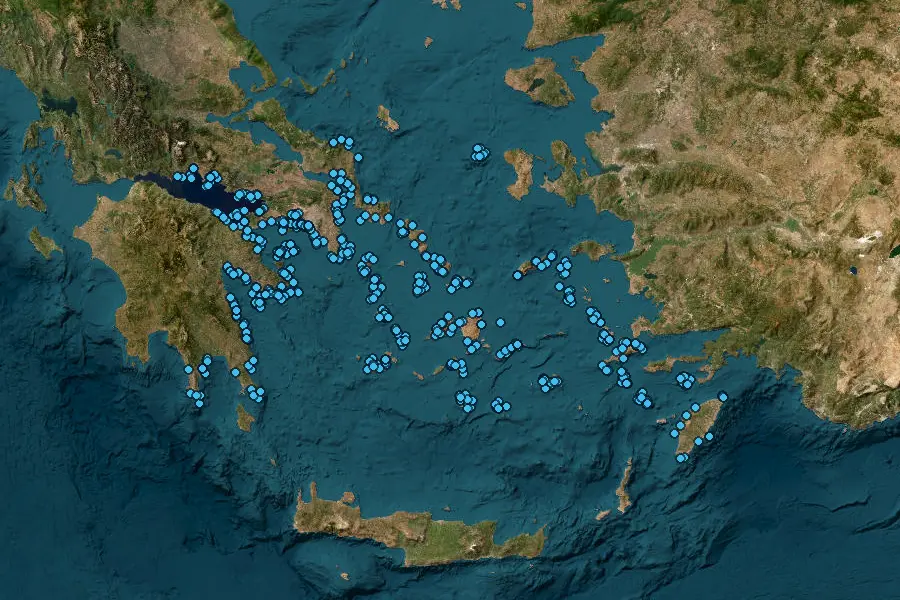
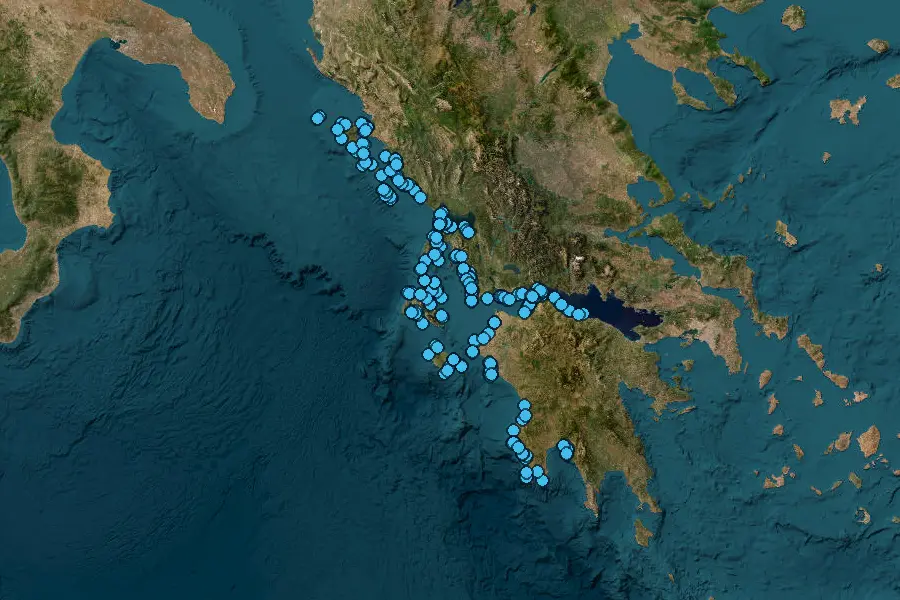
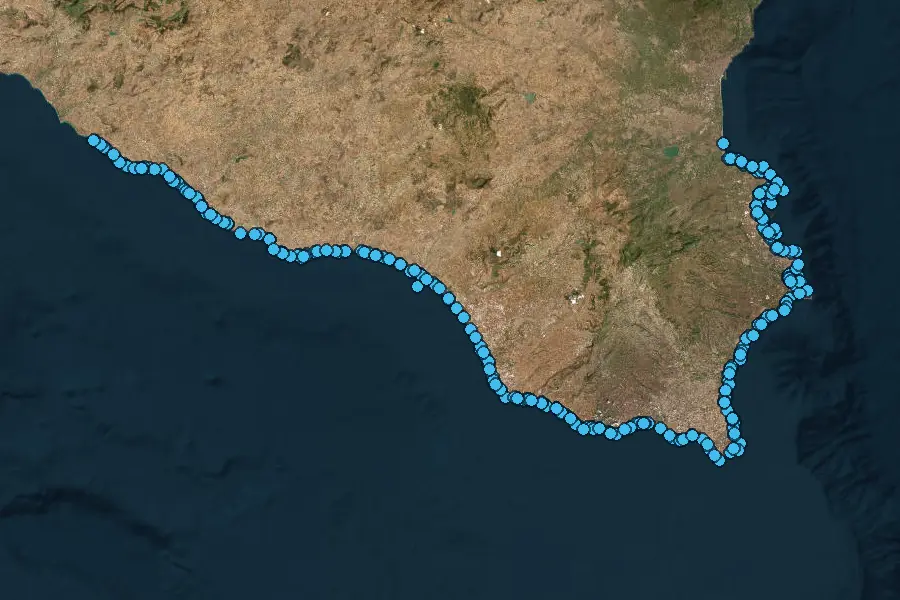
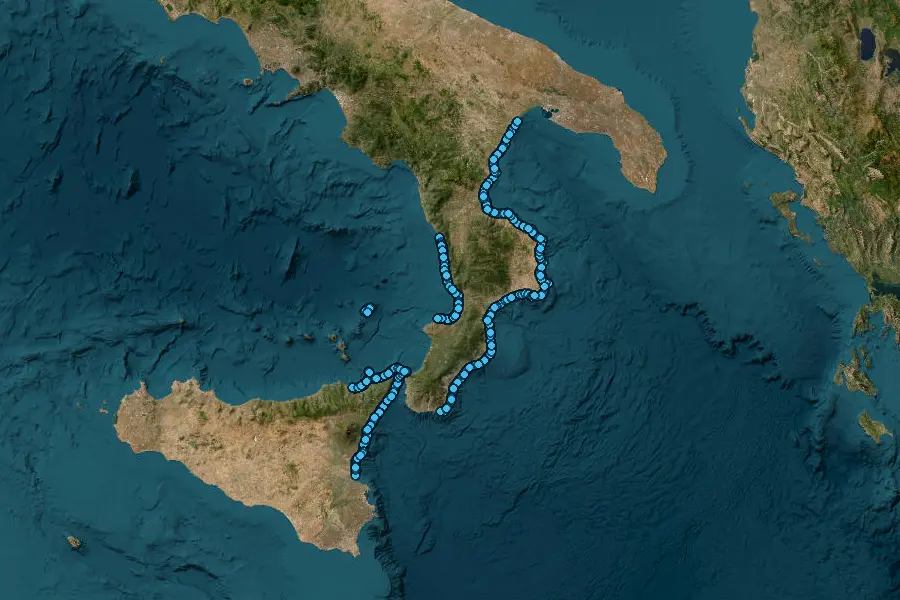
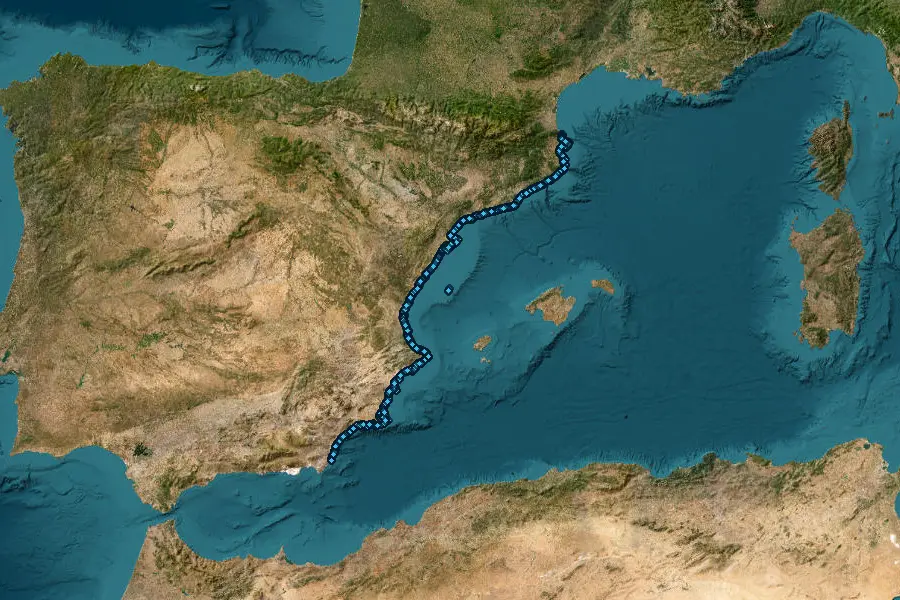
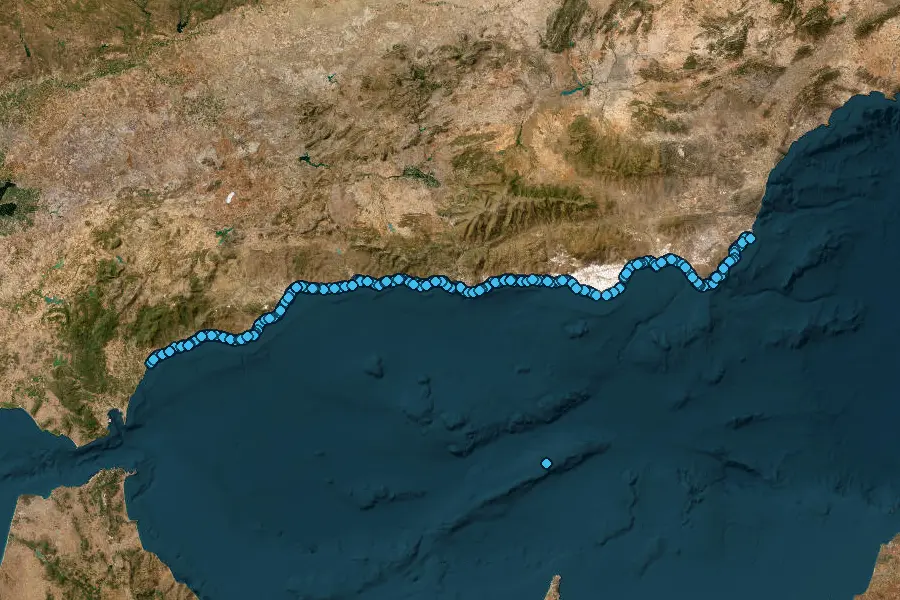
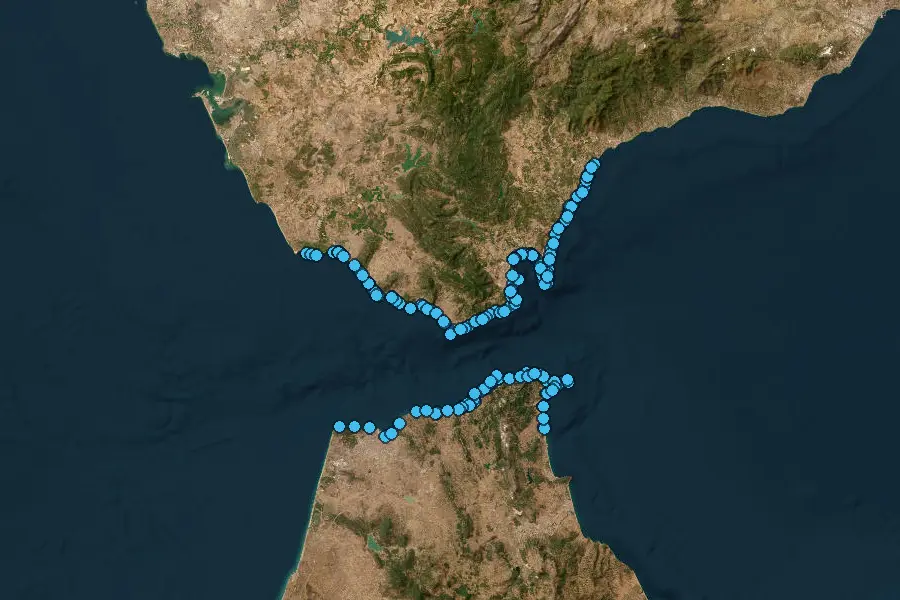
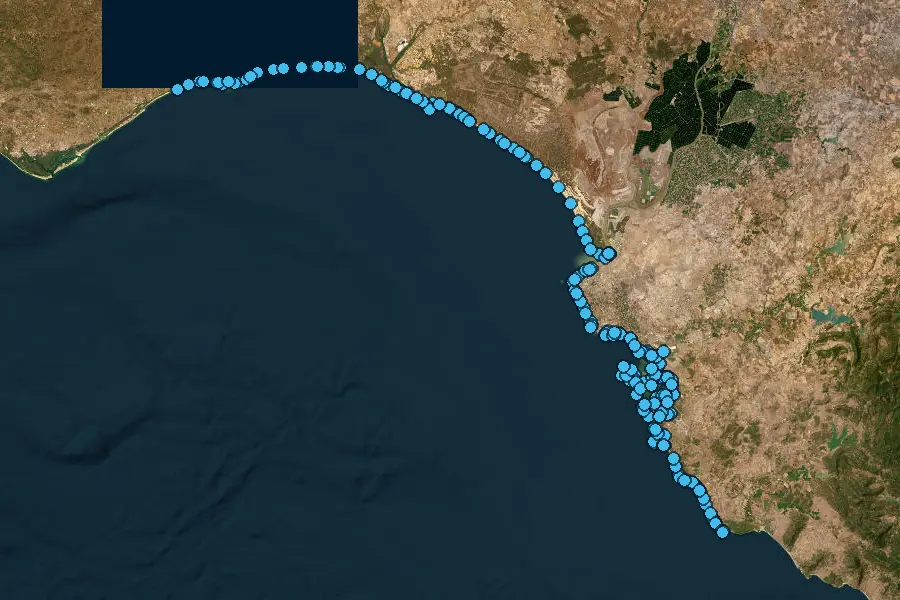
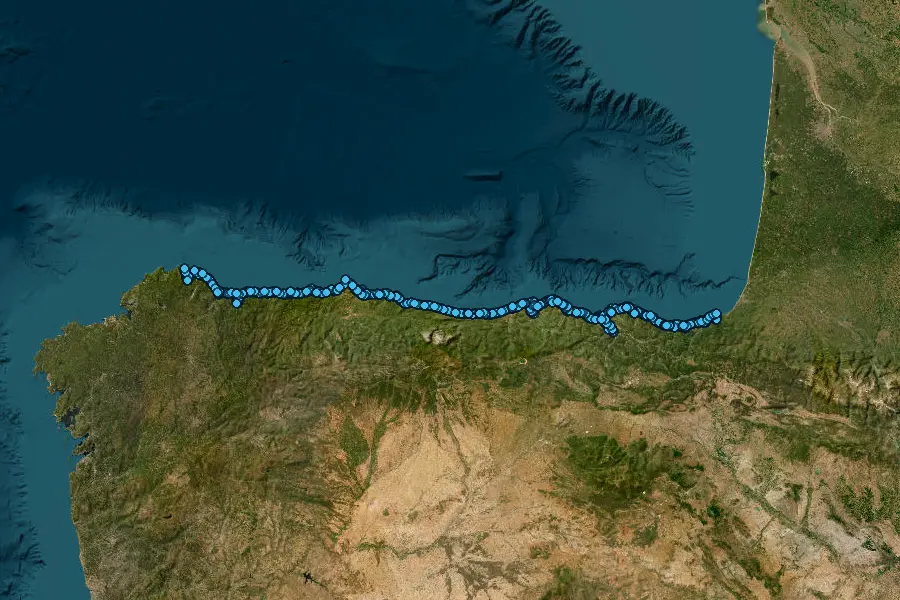
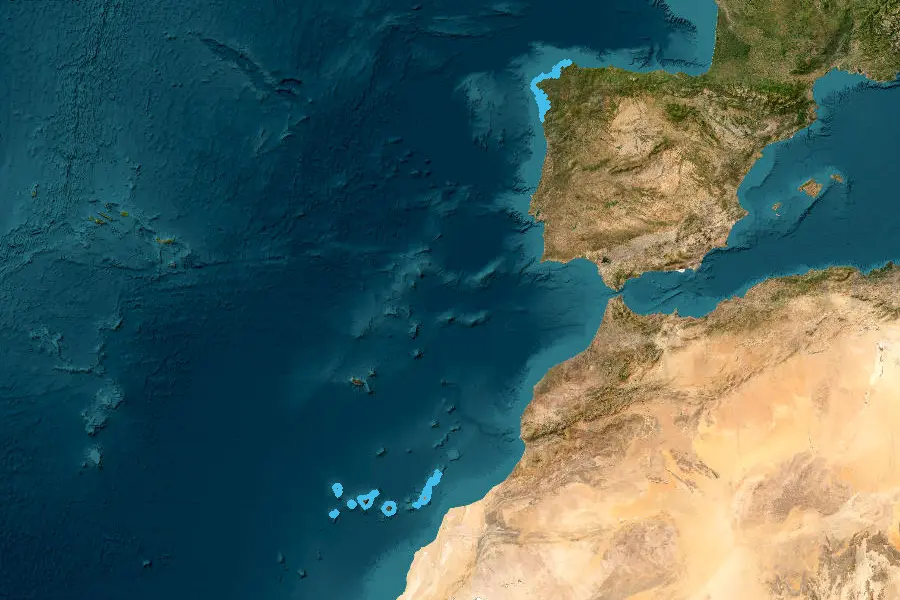
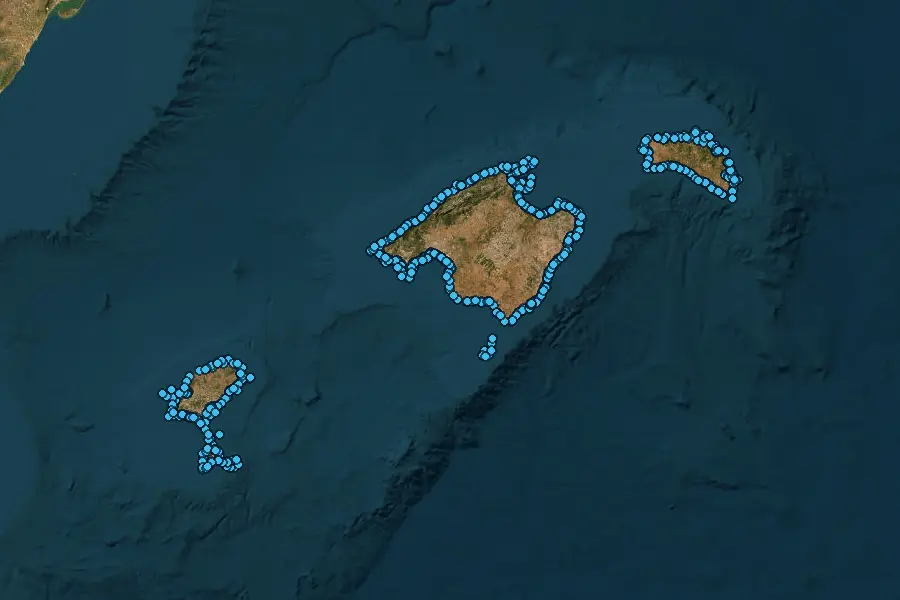
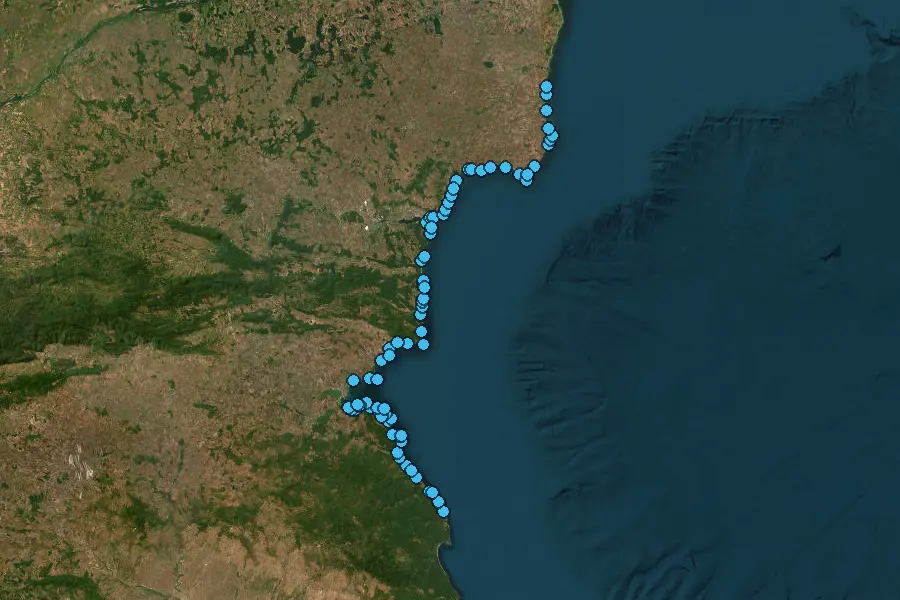
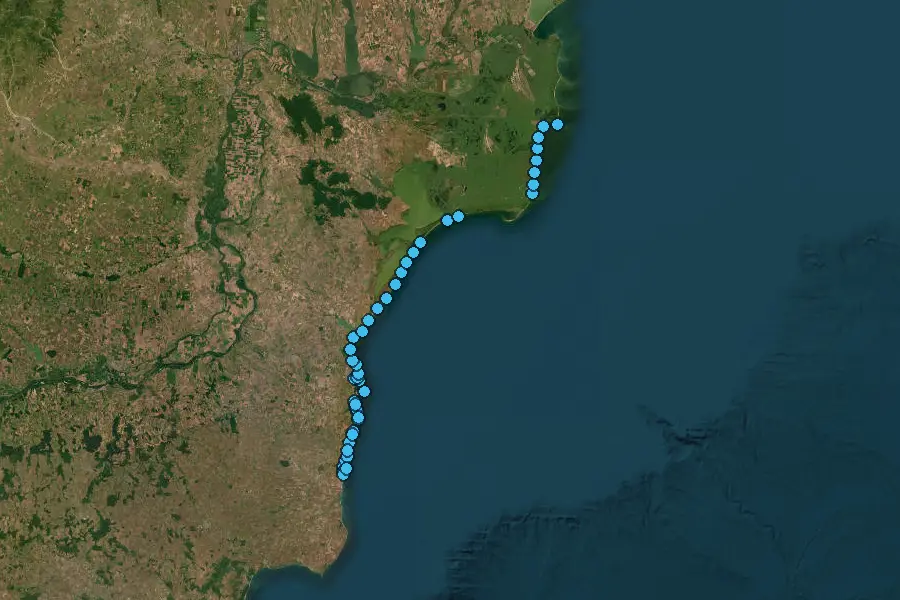
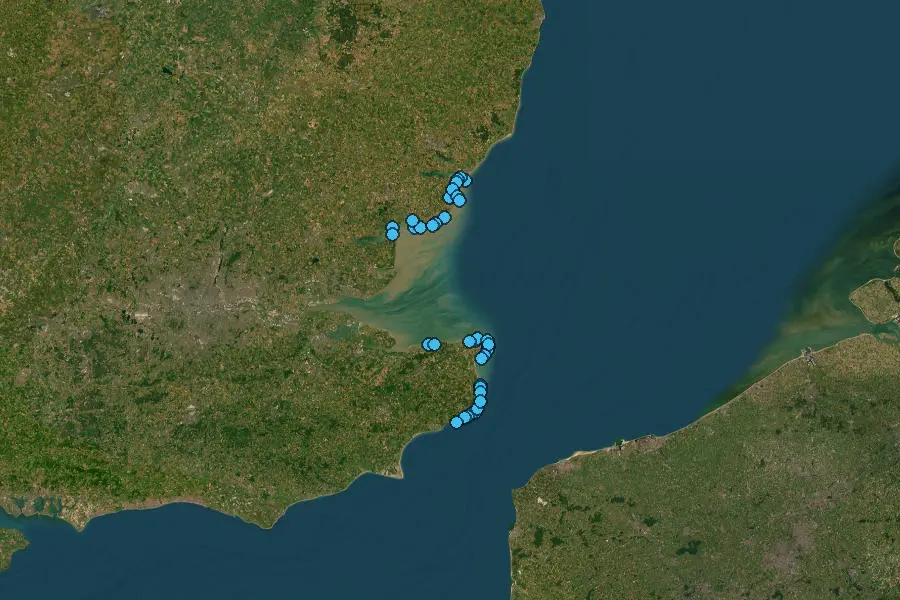
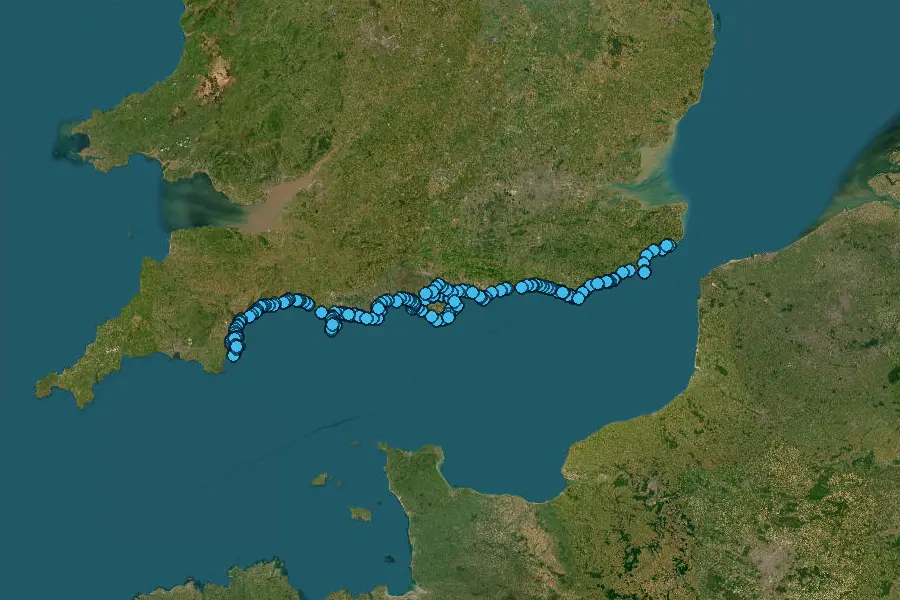
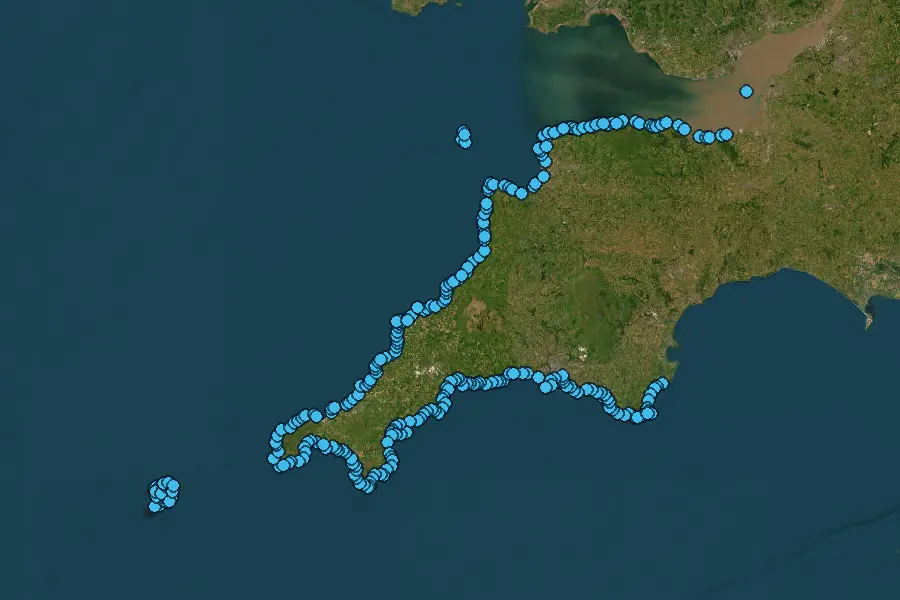
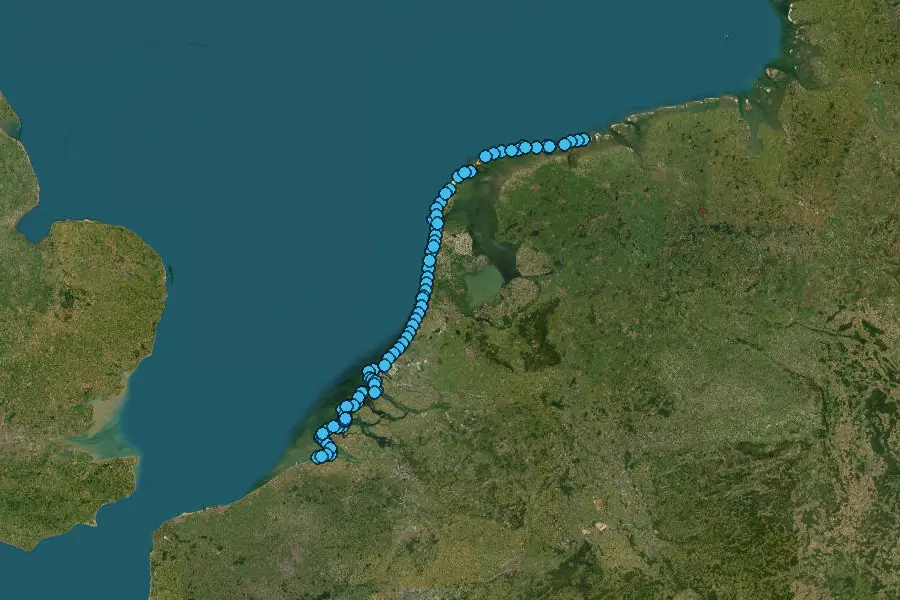
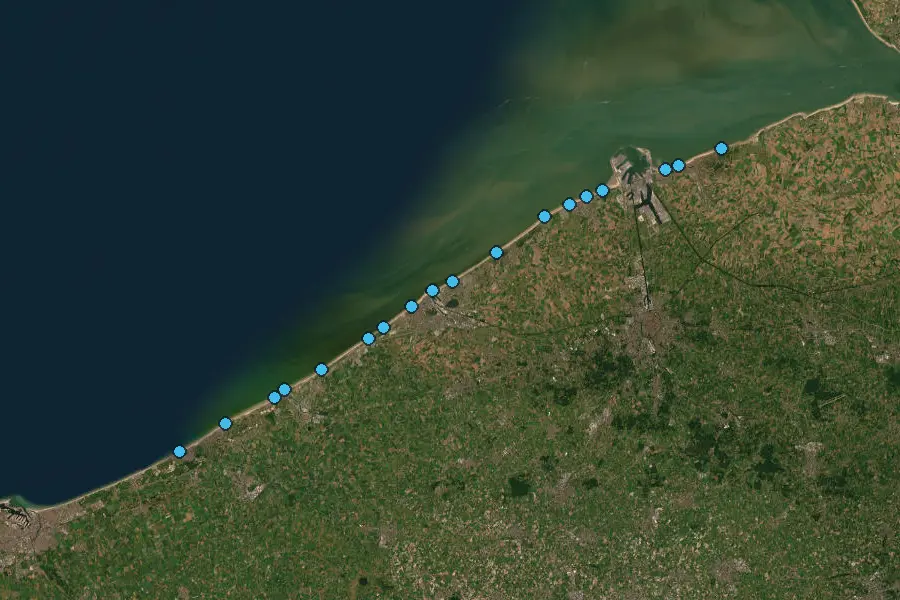
A listed spot is not a guarantee of a catch.
Sardinian Sea
Season and suitable conditions
Check the season information for the region you chose.
Peak months: May, Jun, Jul, Aug, Sep
Sea of Marmara
Season and suitable conditions
Recorded all year round in this region; no distinct fishing season shows.
Black Sea
Season and suitable conditions
Recorded all year round in this region; no distinct fishing season shows.
Aegean Sea
Season and suitable conditions
Recorded all year round in this region; no distinct fishing season shows.
Mediterranean
Season and suitable conditions
Recorded all year round in this region; no distinct fishing season shows.
North Aegean & Thrace
Season and suitable conditions
Check the season information for the region you chose.
Peak months: Jan, Feb, Mar, Apr, Oct, Nov, Dec
Central & South Aegean
Season and suitable conditions
Check the season information for the region you chose.
Peak months: Jan, Feb, Mar, Apr, Oct, Nov, Dec
Ionian Sea
Season and suitable conditions
Check the season information for the region you chose.
Peak months: Jan, Feb, Mar, Apr, Oct, Nov, Dec
Crete & Libyan Sea
Season and suitable conditions
Check the season information for the region you chose.
Peak months: Jan, Feb, Mar, Apr, May, Jun, Sep, Oct, Nov, Dec
Ligurian Sea
Season and suitable conditions
Check the season information for the region you chose.
Peak months: May, Jun, Jul, Aug, Sep
Tyrrhenian Sea
Season and suitable conditions
Check the season information for the region you chose.
Peak months: May, Jun, Jul, Aug, Sep
Adriatic
Season and suitable conditions
Check the season information for the region you chose.
Peak months: May, Jun, Jul, Aug, Sep
Strait of Sicily
Season and suitable conditions
Check the season information for the region you chose.
Peak months: May, Jun, Jul, Aug, Sep
Ionian Sea
Season and suitable conditions
Check the season information for the region you chose.
Peak months: May, Jun, Jul, Aug, Sep
Mediterranean
Season and suitable conditions
Check the season information for the region you chose.
Peak months: May, Jun, Jul, Aug, Sep
Alboran Sea
Season and suitable conditions
Check the season information for the region you chose.
Peak months: May, Jun, Jul, Aug, Sep
Strait of Gibraltar
Season and suitable conditions
Check the season information for the region you chose.
Peak months: May, Jun, Jul, Aug, Sep
Gulf of Cádiz
Season and suitable conditions
Check the season information for the region you chose.
Peak months: May, Jun, Jul, Aug, Sep
Cantabrian Sea
Season and suitable conditions
Check the season information for the region you chose.
Peak months: Apr, May, Jun, Jul, Aug
Atlantic Ocean
Season and suitable conditions
Check the season information for the region you chose.
Peak months: Apr, May, Jun, Jul, Aug
Balearic Sea
Season and suitable conditions
Check the season information for the region you chose.
Peak months: May, Jun, Jul, Aug, Sep
Black Sea
Season and suitable conditions
Check the season information for the region you chose.
Peak months: Jun, Jul, Aug, Sep, Oct
Black Sea
Season and suitable conditions
Check the season information for the region you chose.
Peak months: Jun, Jul, Aug, Sep
South East coast
Season and suitable conditions
Check the season information for the region you chose.
Peak months: Jun, Jul, Aug, Sep
South coast
Season and suitable conditions
Check the season information for the region you chose.
Peak months: Jun, Jul, Aug, Sep
South West coast
Season and suitable conditions
Check the season information for the region you chose.
Peak months: Jun, Jul, Aug, Sep
North Sea
Season and suitable conditions
Check the season information for the region you chose.
Peak months: Jun, Jul, Aug, Sep
North Sea
Season and suitable conditions
Check the season information for the region you chose.
Peak months: Jun, Jul, Aug, Sep
Season information is no guarantee of a catch.
Best spots in October
By month
Average monthly score of the spots in Turkey (0–100).
- 32 Jan
- 32 Feb
- 32 Mar
- 61 Apr
- 61 May
- 52 Jun
- 47 Jul
- 39 Aug
- 49 Sep
- 63 Oct
- 59 Nov
- 61 Dec
The best spot in each Turkish province, by this month’s score.
- Kumla Halk Plajı Gemlik, Bursa 84/100 Very good
- Aya Nikola Halk Plajı Adalar, İstanbul 84/100 Very good
- Karşıyaka Sahil Parkı Başiskele, Kocaeli 84/100 Very good
- Selimandıra Deresi Yalova Merkez, Yalova 84/100 Very good
- Ayaz Beach Burhaniye, Balıkesir 80/100 Very good
A 0–100 score from season, water temperature, habitat and local records; a general trend, not a guarantee.
Best times of day
When in the day it bites best, month by month.
- Active at night
- Good at night
In October
-
Dawn 65
1.5 h before sunrise → 1 h after
-
Midday 40
1 h before midday → 1 h after
-
Dusk Best 85
1 h before sunset → 2 h after
-
Night 85
0.5 h after sunset → 2 h before sunrise
Moon phase
Effect of the moon on night fishing; the scores compare the phases.
- New moon 60
- First quarter 55
- Full moon 50
- Last quarter 55


Best phase: New moon
Windows across 12 months
| Best times of day | JJan | FFeb | MMar | AApr | MMay | JJun | JJul | AAug | SSep | OOct | NNov | DDec |
|---|---|---|---|---|---|---|---|---|---|---|---|---|
| Dawn | 65 | 65 | 65 | 65 | 65 | 65 | 65 | 65 | 65 | 65 | 65 | 65 |
| Midday | 40 | 40 | 40 | 40 | 40 | 40 | 40 | 40 | 40 | 40 | 40 | 40 |
| Dusk | 85 | 85 | 85 | 85 | 85 | 85 | 85 | 85 | 85 | 85 | 85 | 85 |
| Night | 85 | 85 | 85 | 85 | 85 | 85 | 85 | 85 | 85 | 85 | 85 | 85 |
Windows follow sunrise and sunset; clock times change with place and date. Scores are relative within the month: 100 is the best window of the day.
3 sources · confidence medium
Habitat
Where it lives and in what kind of water: ranges compiled by the research.
Depth
1–150 m
mostly 1–30 m
Water temperature
-1.9–23.1 °C
ideal 10.3–20.3 °C
Salinity
Full-strength seawater
15–39.3 ‰
Shore types
- Sandy beach
- Cove / inner bay
- Shingle shore
- Inside harbours
- Harbour mouth
Bottom
Lives close to the bottom
- Sand
- Sand and gravel
- Gravel
Ranges from FishBase, AquaMaps and the literature; a general tendency, not a hard limit.
Confidence: shore type medium, temperature medium
Bait and tackle suggestions
Recorded baits and fishing techniques.
Bait by month
Baits documented for shore fishing, month by month and by water clarity.
In October
Natural baits
By water clarity
Bottom ambush predator — Hides on the bottom and grabs whatever passes in front. Movement and the lateral line matter; a scented strip works well too.
- Clear Visibility: over 8 m
- Natural first, lures also work First natural bait: Little cuttlefish · Very suitable Usually in this water: A live small fish or shrimp, or a thin fillet strip; near the bottom. First lure: Tenya / inchiku · Suitable Usually in this water: Jighead + soft plastic (shad/creature); hop it along the bottom. Colour: Natural brown, Red
- Slightly coloured Visibility: 4–8 m
- Lure first, natural also works First natural bait: Little cuttlefish · Very suitable Usually in this water: Fresh fillet strip, shrimp. First lure: Metal jig · Very suitable Usually in this water: Jighead + soft plastic, imitation shrimp or creature. Colour: Pink
- Moderately coloured Visibility: 2–4 m
- Lure first, natural also works First natural bait: Sardine · Very suitable Usually in this water: Scented strip (squid/mackerel), or strip and soft plastic together (tipped jighead). First lure: Tenya / inchiku · Very suitable Usually in this water: Scented soft plastic, tipped jighead; slow. Colour: Pink
- Murky Visibility: 1–2 m
- Natural first, lures also work First natural bait: Sardine · Suitable Usually in this water: Scented strip or fillet; bottom rig; little movement. First lure: Jighead + soft swimbait · Very suitable Usually in this water: Scented soft plastic; rattle. Colour: Dark silhouette, Pink
- Very murky Visibility: under 1 m
- Natural bait First natural bait: Sardine · Suitable Usually in this water: A big scented chunk; on the bottom. First lure: Jighead + soft swimbait · Weak Colour: Dark silhouette
12-month bait calendar
- January
- Natural baits: Little cuttlefish, Razor clam, Sardine Lures: Metal jig, Jighead + soft swimbait, Tenya / inchiku
- February
- Natural baits: Little cuttlefish, Razor clam, Sardine Lures: Metal jig, Jighead + soft swimbait, Tenya / inchiku
- March
- Natural baits: Little cuttlefish, Razor clam, Sardine Lures: Metal jig, Jighead + soft swimbait, Tenya / inchiku
- April
- Natural baits: Little cuttlefish, Razor clam, Sardine Lures: Metal jig, Jighead + soft swimbait, Tenya / inchiku
- May
- Natural baits: Little cuttlefish, Razor clam, Sardine Lures: Metal jig, Jighead + soft swimbait, Tenya / inchiku
- June
- Natural baits: Little cuttlefish, Razor clam, Sardine Lures: Metal jig, Jighead + soft swimbait, Tenya / inchiku
- July
- Natural baits: Little cuttlefish, Razor clam, Sardine Lures: Metal jig, Jighead + soft swimbait, Tenya / inchiku
- August
- Natural baits: Little cuttlefish, Razor clam, Sardine Lures: Metal jig, Jighead + soft swimbait, Tenya / inchiku
- September
- Natural baits: Little cuttlefish, Razor clam, Sardine Lures: Metal jig, Jighead + soft swimbait, Tenya / inchiku
- October
- Natural baits: Little cuttlefish, Razor clam, Sardine Lures: Metal jig, Jighead + soft swimbait, Tenya / inchiku
- November
- Natural baits: Little cuttlefish, Razor clam, Sardine Lures: Metal jig, Jighead + soft swimbait, Tenya / inchiku
- December
- Natural baits: Little cuttlefish, Razor clam, Sardine Lures: Metal jig, Jighead + soft swimbait, Tenya / inchiku
This is the usual pattern; the water and weather on the day can change it. Colour is fine-tuning: bait type, size and action come first. Confidence: natural medium, lures high. Colour and presentation guide
Natural baits
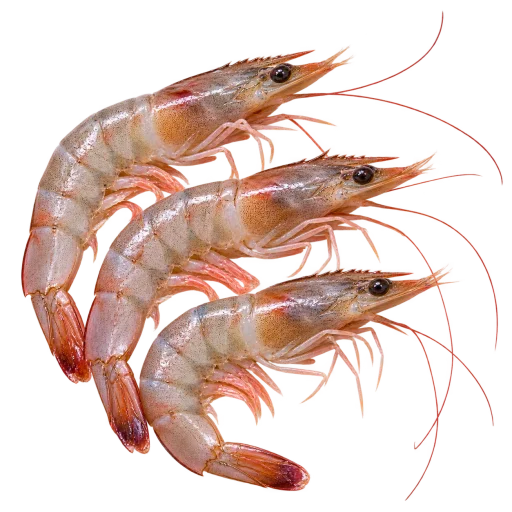
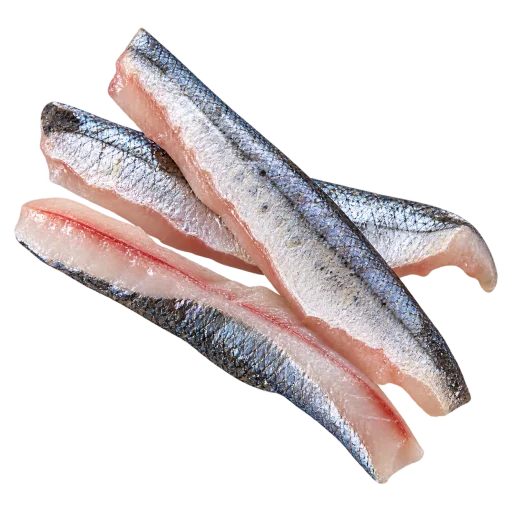
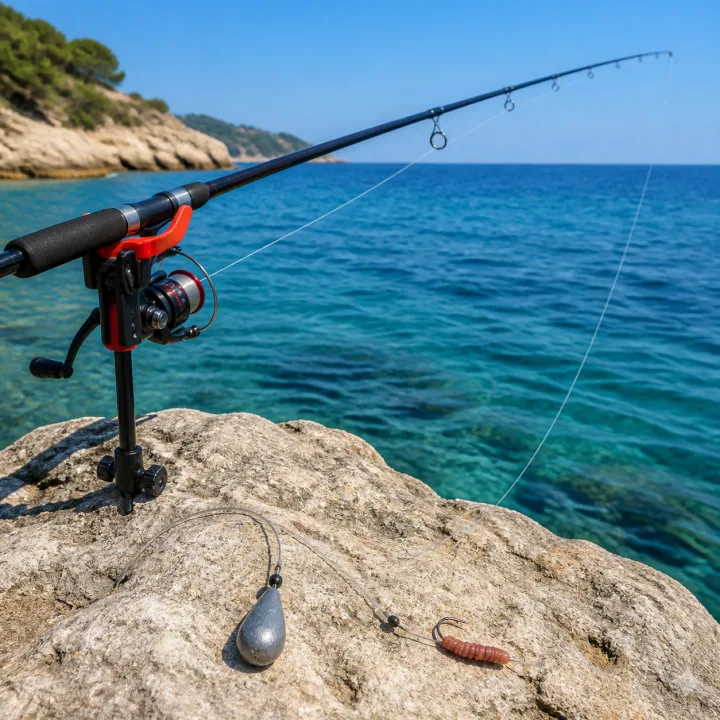
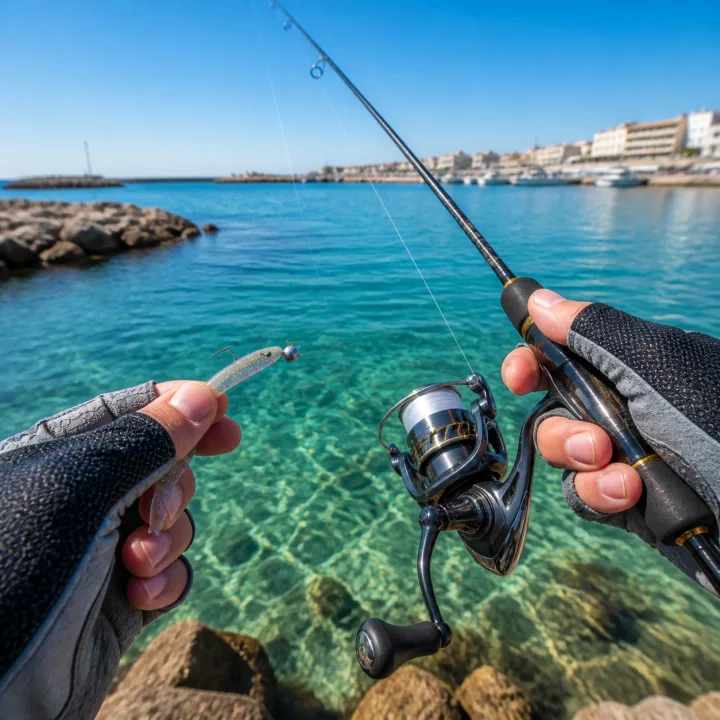
In this region · Sea of Marmara
- Natural bait:
- shrimp, fish flesh; regional support: European anchovy / Atlantic horse mackerel / shrimp
- Lure:
- soft plastic, micro jig
- Technique:
- Bottom Fishing
In this region · Black Sea
- Natural bait:
- shrimp, fish flesh; regional support: European anchovy / European sprat
- Lure:
- soft plastic, micro jig
- Technique:
- Bottom Fishing
In this region · Aegean Sea
- Natural bait:
- shrimp, fish flesh; regional support: European sardine / mamun / sülünez
- Lure:
- soft plastic, micro jig
- Technique:
- Bottom Fishing
In this region · Mediterranean
- Natural bait:
- shrimp, fish flesh; regional support: European sardine / European squid / shrimp
- Lure:
- soft plastic, micro jig
- Technique:
- Bottom Fishing
Fishing rules
The regulation holds no separate minimum size or closed season entry for this species. The provisions for Türkiye as a whole apply.
Before you go, check local area and method restrictions.
Why is the greater weever considered dangerous, and where exactly are its spines?
What do you do when a greater weever comes up on the line, and what does the law say?
What do you do if a spine goes in? (general information)
Why are hot water and folk remedies not on this page?
Is the greater weever good to eat, and how big does it get?
Species profile

- Scientific name
- Trachinus draco
- Family
- Trachinidae
- Order
- Perciformes
- Water type
- Saltwater
- Seas
- Sea of Marmara, Black Sea, Aegean Sea, Mediterranean
- Other names
- Trakonya, Çarpan balığı
Frequently asked questions
Which seas is Greater weever found in?
In our records Greater weever appears in these seas: Black Sea, Sea of Marmara, Aegean Sea, Mediterranean, North Aegean & Thrace — Greece, Central & South Aegean — Greece, Ionian Sea — Greece, Crete & Libyan Sea — Greece, Ligurian Sea — Italy, Tyrrhenian Sea — Italy, Adriatic — Italy, Ionian Sea — Italy, Strait of Sicily — Italy, Sardinian Sea — Italy, Atlantic Ocean — Spain, Mediterranean — Spain, Cantabrian Sea — Spain, Balearic Sea — Spain, Alboran Sea — Spain, Gulf of Cádiz — Spain, Strait of Gibraltar — Spain, South East coast — England, South coast — England, South West coast — England, Black Sea — Bulgaria, Black Sea — Romania, North Sea — Netherlands, North Sea — Belgium.
In which months is Greater weever at its peak?
Peak periods by sea: Sardinian Sea — Italy May–September; Sea of Marmara all year; Black Sea all year; Aegean Sea all year; Mediterranean all year; North Aegean & Thrace — Greece October–April; Central & South Aegean — Greece October–April; Ionian Sea — Greece October–April; Crete & Libyan Sea — Greece September–June; Ligurian Sea — Italy May–September; Tyrrhenian Sea — Italy May–September; Adriatic — Italy May–September; Strait of Sicily — Italy May–September; Ionian Sea — Italy May–September; Mediterranean — Spain May–September; Alboran Sea — Spain May–September; Strait of Gibraltar — Spain May–September; Gulf of Cádiz — Spain May–September; Cantabrian Sea — Spain April–August; Atlantic Ocean — Spain April–August; Balearic Sea — Spain May–September; Black Sea — Bulgaria June–October; Black Sea — Romania June–September; South East coast — England June–September; South coast — England June–September; South West coast — England June–September; North Sea — Netherlands June–September; North Sea — Belgium June–September.
Which bait is Greater weever caught with?
Baits and lures on record: shrimp, fish flesh, European anchovy, Atlantic horse mackerel, soft plastic, micro jig, European sprat, European sardine, mamun, sülünez, European squid.
Is the greater weever still dangerous after it dies?
Yes — the venom does not depend on the fish being alive. A Mediterranean source writes that the spines of a dead fish are a hazard even in the kitchen; an emergency-medicine page reports that the toxin can stay active in a dead animal for hours. In practice this means the same care is needed at every stage: bucket to cool box, cool box to counter.
Does the flesh of the greater weever carry venom?
We came across no record reporting venom in the muscle tissue; the venom organs named in the sources are the spines and the glands that go with them. FishBase treats the fish as a species used for food. So the place to be careful is not the plate but the stage where the fish is handled.
Are there species the greater weever can be confused with?
The weever family is not a single species. Besides Trachinus draco, the GBIF database also lists observations of Trachinus radiatus, Trachinus araneus and Echiichthys vipera for Türkiye; these are not a measure of abundance, only of the existence of records. FishBase gives radiatus a maximum of 50 centimetres total length, so taking a large individual to be draco automatically would be wrong. In any case, telling them apart changes nothing in practice: the habit of not touching the spiny regions holds for all of them.
Is there a risk when you walk barefoot in shallow water?
According to the peer-reviewed review, part of the stings come from the fish being trodden on while it lies hidden on the bottom in the shallow tidal zone; the same source notes that Echiichthys vipera comes very close to shore in the warm months. An English-language reference page advises shuffling your feet along the bottom when walking in sandy, muddy coastal water. The measure counts not only against the weever but against the other species that sit on the bottom as well.
Similar species