Sea fish
Bluespotted cornetfish
Fistularia commersonii
Get to know the species, pick your region, find your spot.
Other names: Çomak balığı · Kornet balığı

- Family
- Fistulariidae
Choose your region
The information changes with the region you choose.
Where is Bluespotted cornetfish caught?
Explore the regions or go straight to the map.
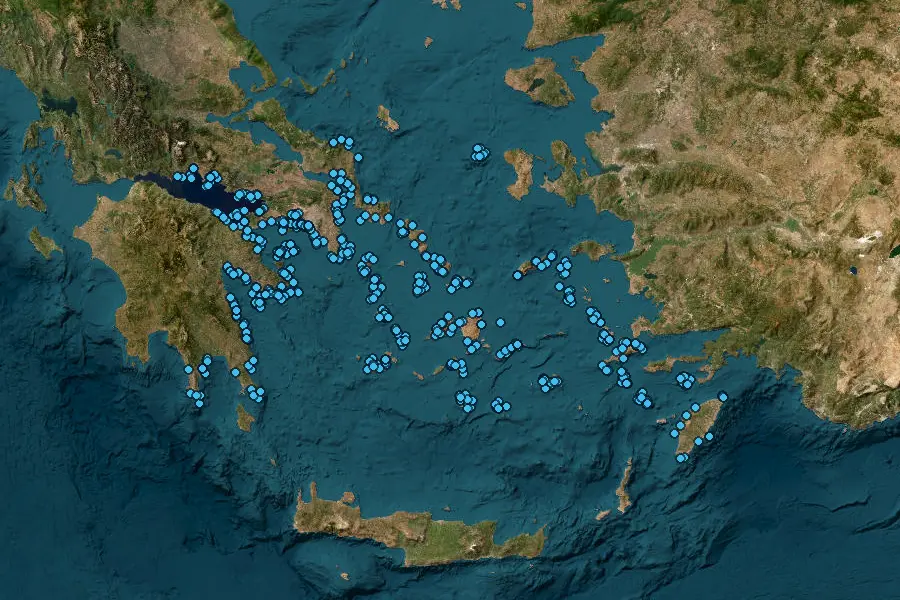
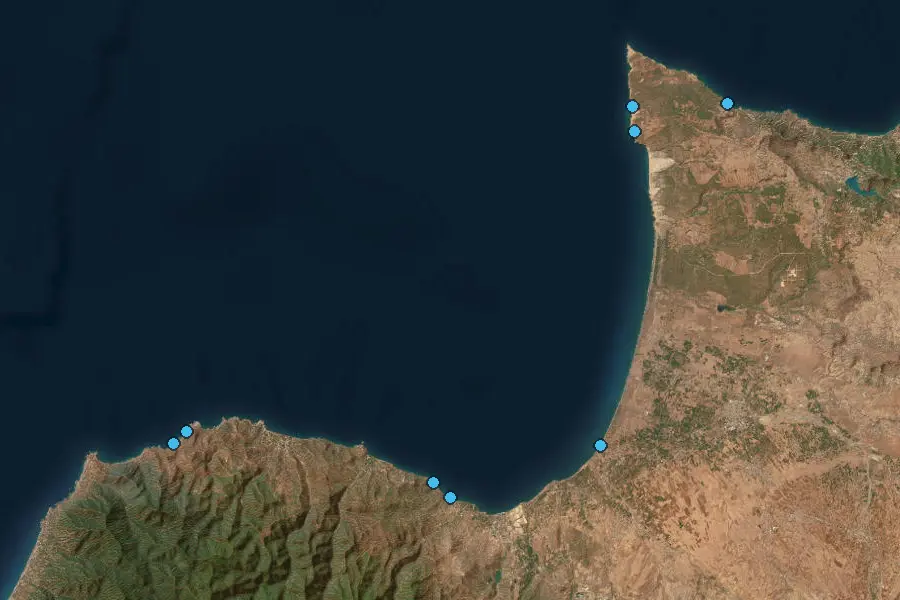
Aegean Sea fishing spots
Mediterranean fishing spots
Central & South Aegean fishing spots
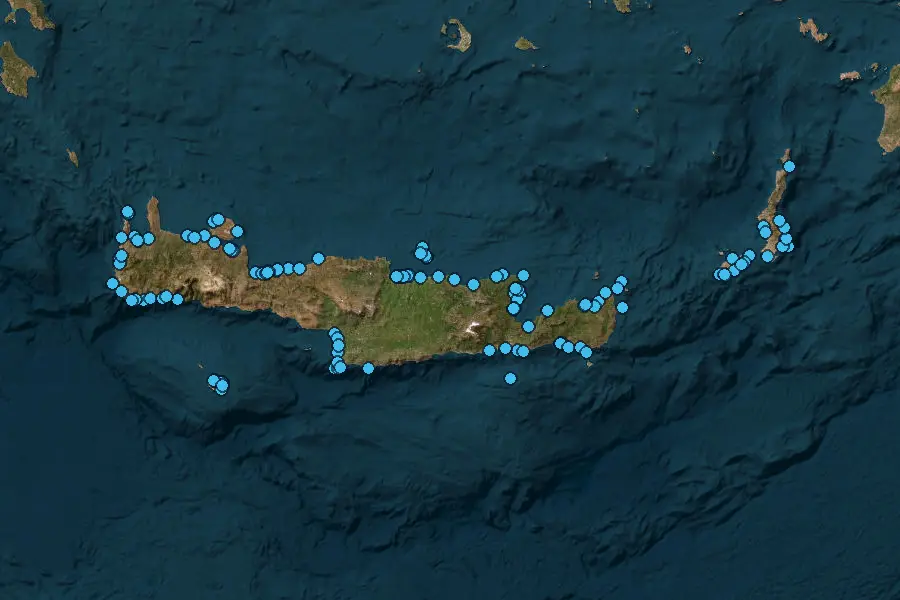
290Crete & Libyan Sea fishing spots
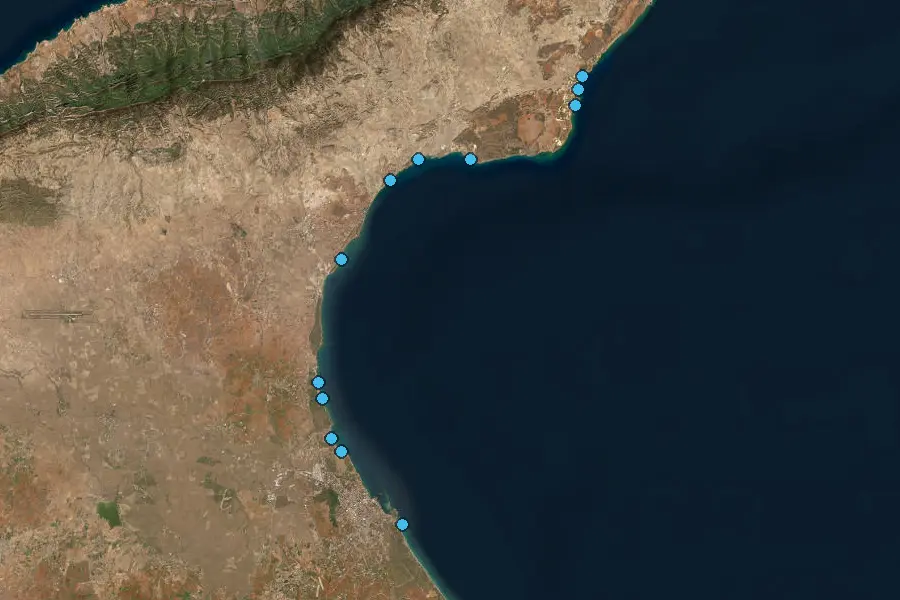
55Famagusta–İskele fishing spots
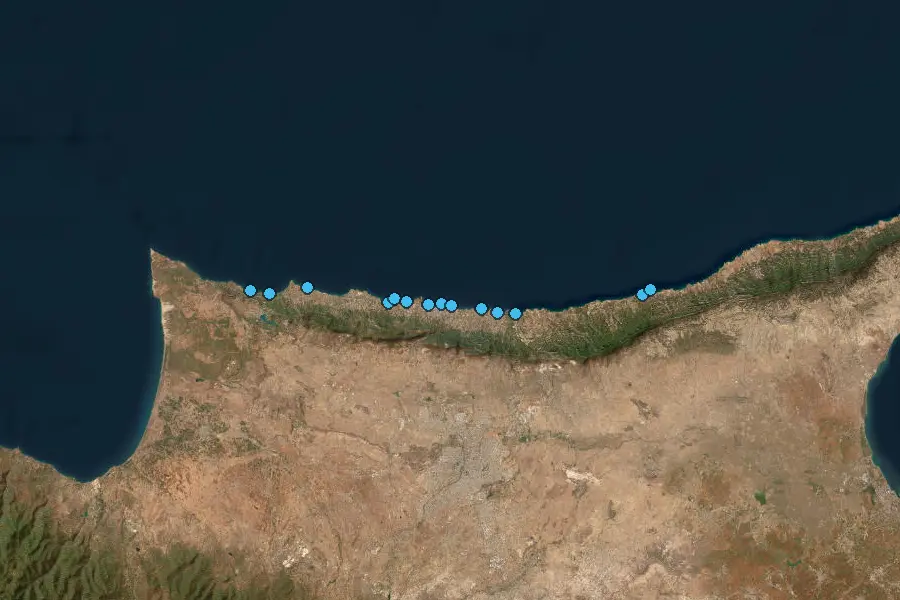
12Güzelyurt Bay fishing spots
8Kyrenia north coast fishing spots
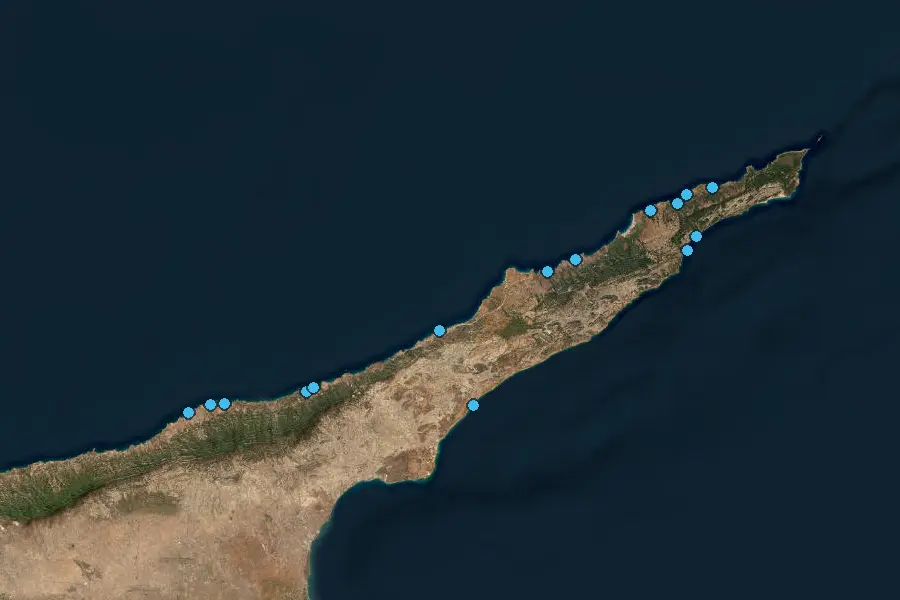
14Karpas Peninsula fishing spots
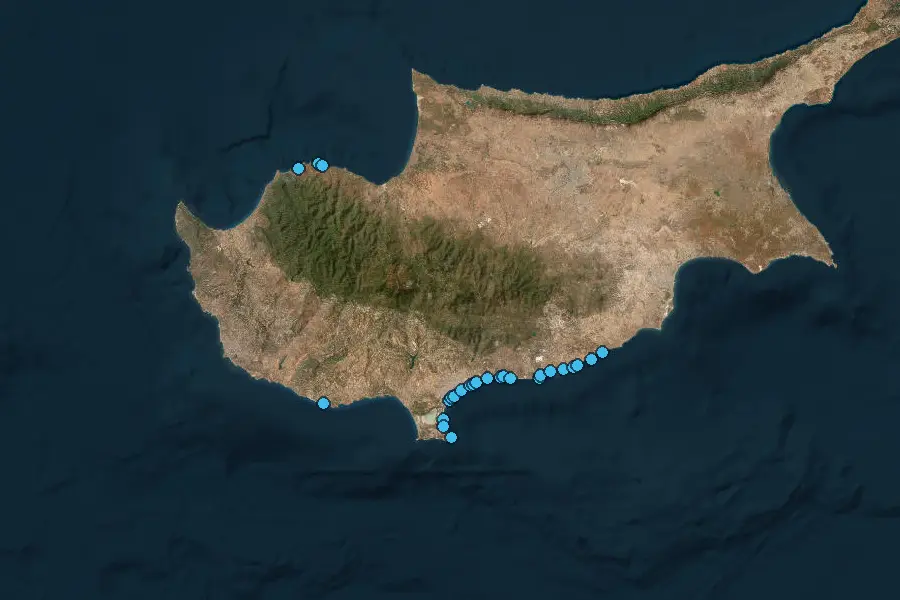
15Paphos–Limassol south coast fishing spots
26Ayia Napa–Protaras fishing spots
16Akamas–Paphos west coast fishing spots
32Larnaca southeast coast fishing spots
18No site-level records in this region; the information is at region level.
No site-level records in this region; the information is at region level.
- Acandia Harbor Rhodes
- Adamas · harbour Milos
- Ágios Ioánnis Serífou Milos · Serifos
- Agios Kirykos · harbour Ikaria
- Anafi Port Thira · Anafi
- Astypalaia · harbour Kalymnos · Astypalaia
- Athinios · harbour Thira
- Avláki Kos · Nisyros
- Agios Nikolaos · harbour Lasithi · Agios Nikolaos
- Fókia Chania · Gavdos
- Karavé Chania · Gavdos
- Karave Gavdos Chania · Gavdos
- Kira Panagia Karpathos-Kasos · Karpathos
- Limanaki Makry-Gialou Lasithi · Ierapetra
- Móchlos Lasithi · Sitia
- Seïtán Limáni Chania
12 fishing grounds
8 fishing grounds
14 fishing grounds
15 fishing grounds
26 fishing grounds
16 fishing grounds
32 fishing grounds
18 fishing grounds
No fishing ground or region matches your search.


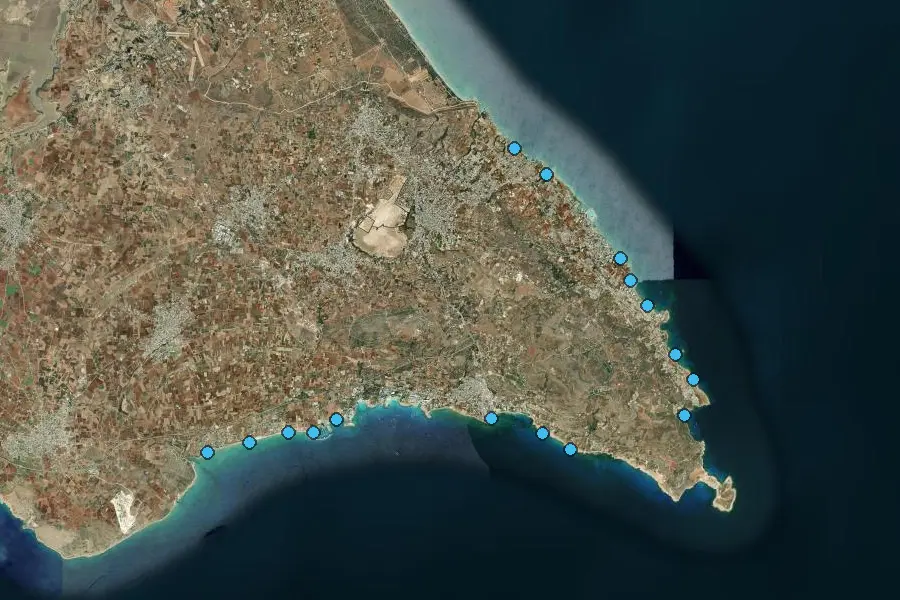
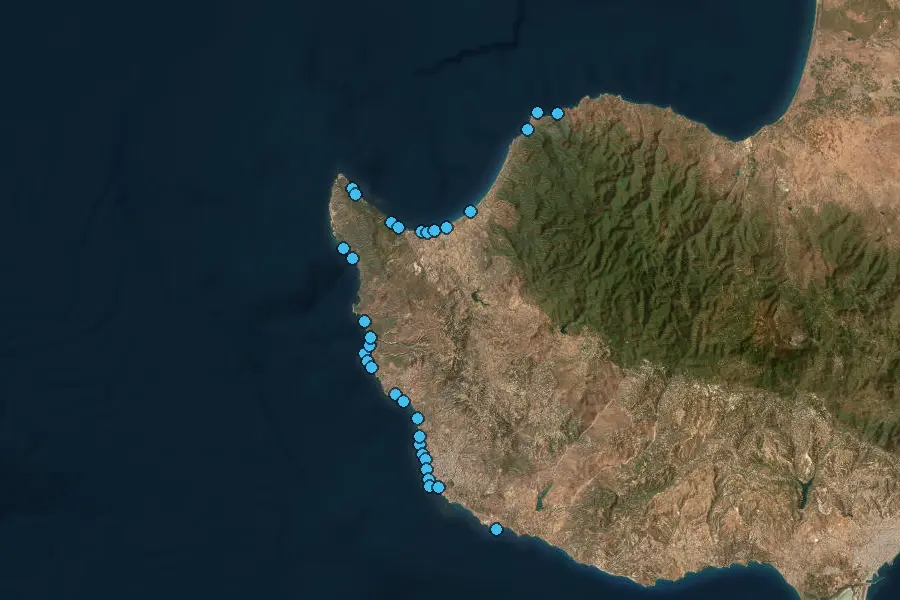
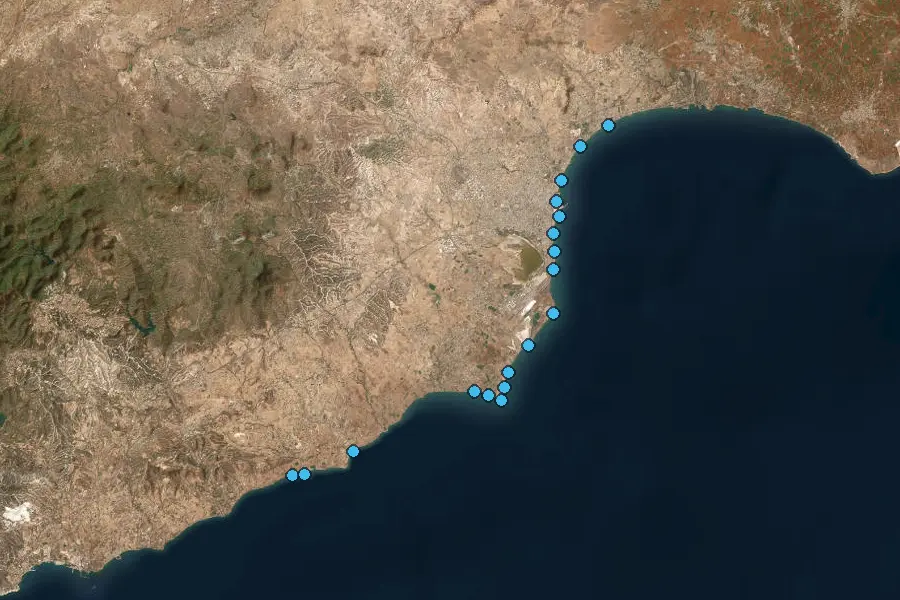
A listed spot is not a guarantee of a catch.
Aegean Sea
Season and suitable conditions
Check the season information for the region you chose.
There is no season data for this species yet.
Missing data does not mean an unproductive period.
Mediterranean
Season and suitable conditions
Check the season information for the region you chose.
There is no season data for this species yet.
Missing data does not mean an unproductive period.
Central & South Aegean
Season and suitable conditions
Check the season information for the region you chose.
Peak months: Apr, May, Aug, Sep, Oct, Nov
Crete & Libyan Sea
Season and suitable conditions
Check the season information for the region you chose.
Peak months: Apr, May, Jun, Jul, Aug, Sep, Oct, Nov
Famagusta–İskele
Season and suitable conditions
Recorded all year round in this region; no distinct fishing season shows.
Güzelyurt Bay
Season and suitable conditions
Recorded all year round in this region; no distinct fishing season shows.
Kyrenia north coast
Season and suitable conditions
Recorded all year round in this region; no distinct fishing season shows.
Karpas Peninsula
Season and suitable conditions
Recorded all year round in this region; no distinct fishing season shows.
Paphos–Limassol south coast
Season and suitable conditions
Recorded all year round in this region; no distinct fishing season shows.
Ayia Napa–Protaras
Season and suitable conditions
Recorded all year round in this region; no distinct fishing season shows.
Akamas–Paphos west coast
Season and suitable conditions
Recorded all year round in this region; no distinct fishing season shows.
Larnaca southeast coast
Season and suitable conditions
Recorded all year round in this region; no distinct fishing season shows.
Season information is no guarantee of a catch.
Best spots in October
By month
Average monthly score of the spots in Turkey (0–100).
- 0 Jan
- 0 Feb
- 0 Mar
- 43 Apr
- 58 May
- 74 Jun
- 72 Jul
- 70 Aug
- 71 Sep
- 73 Oct
- 58 Nov
- 0 Dec
The best spot in each Turkish province, by this month’s score.
- Enez Limanı Dış Kıyısı Enez, Edirne 80/100 Very good
- Karaincir Beach Bodrum, Muğla 80/100 Very good
- Sülüklü Plaji Demre, Antalya 79/100 Very good
- Ayaz Beach Burhaniye, Balıkesir 77/100 Very good
- Mersin Limanı Yolcu Salonu Akdeniz, Mersin 77/100 Very good
A 0–100 score from season, water temperature, habitat and local records; a general trend, not a guarantee.
Best times of day
When in the day it bites best, month by month.
- Active at dawn and dusk
- Poor at night
In October
-
Dawn 85
1 h before sunrise → 2 h after
-
Midday 45
1 h before midday → 1 h after
-
Dusk Best 90
2 h before sunset → 0.5 h after
Not productive at night
Moon phase
Effect of the moon on night fishing; the scores compare the phases.
- New moon 15
- First quarter 15
- Full moon 20
- Last quarter 15


Best phase: No clear effect
Windows across 12 months
| Best times of day | JJan | FFeb | MMar | AApr | MMay | JJun | JJul | AAug | SSep | OOct | NNov | DDec |
|---|---|---|---|---|---|---|---|---|---|---|---|---|
| Dawn | 70 | 70 | 80 | 80 | 80 | 90 | 90 | 90 | 85 | 85 | 85 | 70 |
| Midday | 55 | 55 | 45 | 45 | 45 | 40 | 40 | 40 | 45 | 45 | 45 | 55 |
| Dusk | 70 | 70 | 80 | 80 | 80 | 90 | 90 | 90 | 90 | 90 | 90 | 70 |
| Night |
Windows follow sunrise and sunset; clock times change with place and date. Scores are relative within the month: 100 is the best window of the day.
11 sources · confidence medium
Habitat
Where it lives and in what kind of water: ranges compiled by the research.
Depth
0–132 m
mostly 1–30 m
Water temperature
17.1–33.1 °C
ideal ≥ 22 °C
Salinity
Full-strength seawater
28.1–39 ‰
Shore types
- Sandy beach
- Rocky shore
- Breakwater / jetty
- Pier / quay
- Mixed shore
- Inside harbours
- Harbour mouth
- Reclaimed shore
- Shoal / reef
Bottom
Lives close to the bottom
- Sand
- Rock
- Sand, gravel and rock
- Seagrass
Ranges from FishBase, AquaMaps and the literature; a general tendency, not a hard limit.
Confidence: shore type high, temperature medium
Bait and tackle suggestions
Recorded baits and fishing techniques.
Bait by month
Baits documented for shore fishing, month by month and by water clarity.
In October
Lures
By water clarity
Inshore / reef predator — Semi-pelagic; ambushes and chases. Good eyesight and a strong lateral line; takes both kinds of bait.
- Clear Visibility: over 8 m
- Lure First lure: Hard minnow · Very suitable Usually in this water: Natural-coloured soft shad/minnow, LRF, slim hard lure; slow and natural. Colour: Clear, White
- Slightly coloured Visibility: 4–8 m
- Lure First lure: Hard minnow · Very suitable Usually in this water: Hard minnow, jighead + shad, stickbait. Colour: White, Clear
- Moderately coloured Visibility: 2–4 m
- Lure First lure: Jighead + shad · Very suitable Usually in this water: Paddle-tail shad, vibe, spinner; vibration first. Colour: White, Glow (UV)
- Murky Visibility: 1–2 m
- Lure First lure: Jighead + shad · Very suitable Usually in this water: Rattling vibe, scented soft plastic; near the bottom, slow. Colour: Dark silhouette, Glow (UV), White
- Very murky Visibility: under 1 m
- Lure First lure: Jighead + shad · Weak Usually in this water: Not recommended; if you must, scented and rattling. Colour: Dark silhouette, Glow (UV)
12-month bait calendar
- January
- Out of season
- February
- Out of season
- March
- Out of season
- April
- Lures: Jighead + shad, Hard minnow
- May
- Lures: Hard minnow, Jighead + shad
- June
- Lures: Jighead + shad, Hard minnow
- July
- Lures: Hard minnow, Jighead + shad
- August
- Lures: Jighead + shad, Hard minnow
- September
- Lures: Jighead + shad, Hard minnow
- October
- Lures: Jighead + shad, Hard minnow
- November
- Lures: Jighead + shad, Hard minnow
- December
- Out of season
This is the usual pattern; the water and weather on the day can change it. Colour is fine-tuning: bait type, size and action come first. Confidence: natural low, lures high. Colour and presentation guide
Fishing rules
The regulation holds no separate minimum size or closed season entry for this species. The provisions for Türkiye as a whole apply.
Before you go, check local area and method restrictions.
How to identify the bluespotted cornetfish
Where did it come from, and where does it live?
What does it eat, and why did it spread so fast?
Species profile

- Scientific name
- Fistularia commersonii
- Family
- Fistulariidae
- Order
- Syngnathiformes
- Water type
- Saltwater
- Seas
- Aegean Sea, Mediterranean
- Other names
- Külah balığı, Çomak balığı, Kornet balığı
Frequently asked questions
Which seas is Bluespotted cornetfish found in?
In our records Bluespotted cornetfish appears in these seas: Aegean Sea, Mediterranean, Central & South Aegean — Greece, Crete & Libyan Sea — Greece, Güzelyurt Bay — Northern Cyprus, Kyrenia north coast — Northern Cyprus, Famagusta–İskele — Northern Cyprus, Karpas Peninsula — Northern Cyprus, Akamas–Paphos west coast — Southern Cyprus, Paphos–Limassol south coast — Southern Cyprus, Larnaca southeast coast — Southern Cyprus, Ayia Napa–Protaras — Southern Cyprus.
In which months is Bluespotted cornetfish at its peak?
Peak periods by sea: Central & South Aegean — Greece April, May, August, September, October, November; Crete & Libyan Sea — Greece April–November; Famagusta–İskele — Northern Cyprus all year; Güzelyurt Bay — Northern Cyprus all year; Kyrenia north coast — Northern Cyprus all year; Karpas Peninsula — Northern Cyprus all year; Paphos–Limassol south coast — Southern Cyprus all year; Ayia Napa–Protaras — Southern Cyprus all year; Akamas–Paphos west coast — Southern Cyprus all year; Larnaca southeast coast — Southern Cyprus all year.
Is the bluespotted cornetfish poisonous?
According to FishBase, it has no spines at all in its dorsal and anal fins. The same source records reports of ciguatera poisoning under ‘threat to humans’; the study it relies on was carried out in Rarotonga, in the Cook Islands in the Pacific. The FishBase glossary defines ciguatera as a poisoning resulting from eating ciguatoxic fishes. The CIESM Atlas, for its part, records the species as a fish of some commercial relevance in eastern Mediterranean countries.
How big does the bluespotted cornetfish get?
The sources do not give the same upper limit. FishBase lists a maximum length of 160 centimetres total length and a common length of 100 centimetres; the CIESM Atlas gives a common size of 20–100 centimetres and a maximum of 150. In a study published by Vitale and colleagues in the Italian Journal of Zoology in 2016, 23 fish examined south of Sicily measured 69–104 centimetres excluding the tail filament, weighed 155–798 grams and were aged at 3 to 5 years.
How did the bluespotted cornetfish reach the Mediterranean?
From the Red Sea through the Suez Canal. Golani’s note from 2000 reports the first three Mediterranean specimens from the coast of Israel and attributes their presence to migration from the Red Sea via the canal. Citing a 2013 study by Bariche and colleagues that documented an old capture in Lebanon, the CIESM Atlas also notes that isolated introductions may have happened earlier. According to Bernardi and colleagues, it took the species about 130 years to enter the Mediterranean; once there, it spread across the whole basin, from Israel to Spain, by 2007.
Similar species