Piscatorium
2 min read
Which wind is best for fishing?
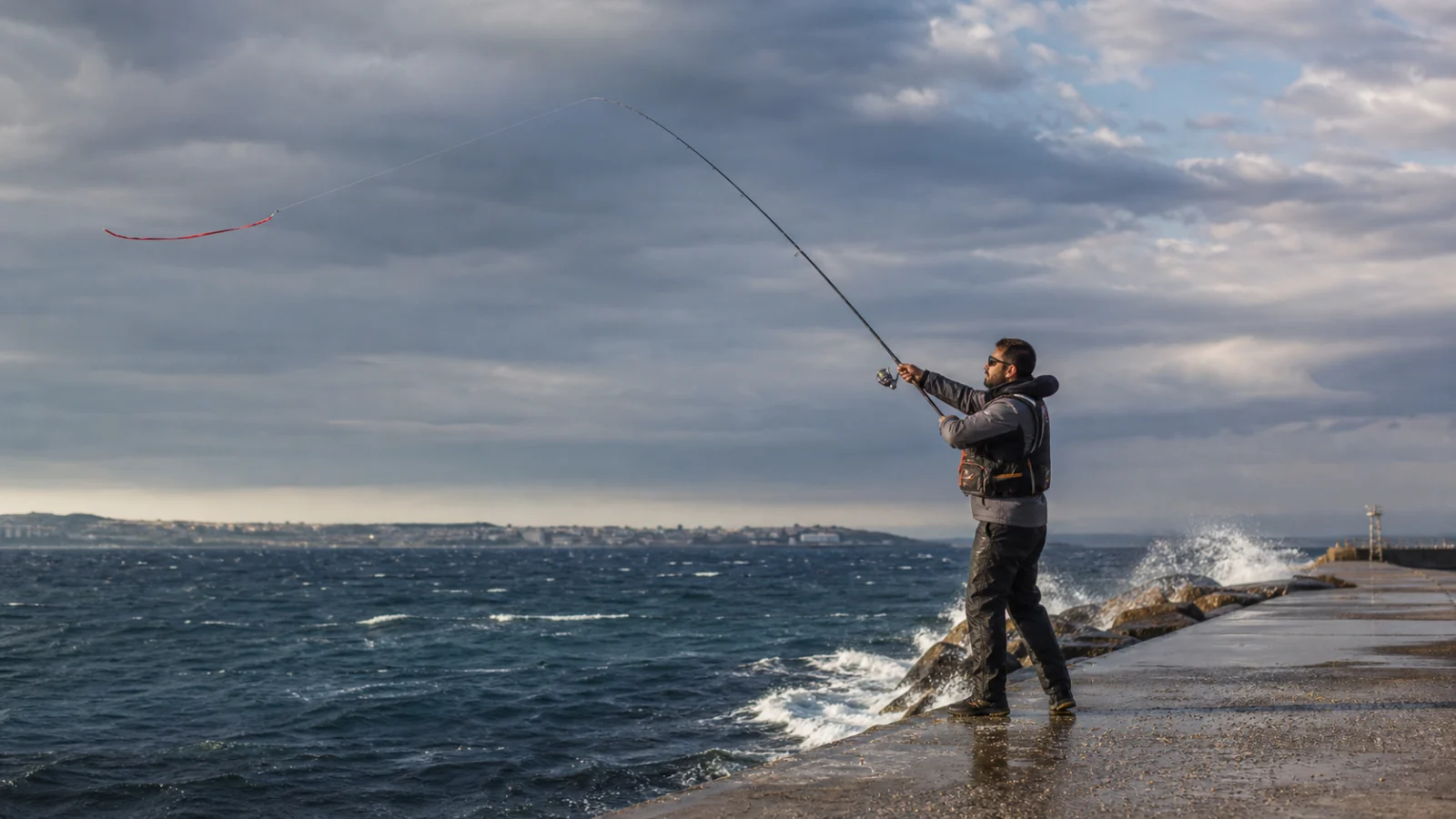
One of the oldest arguments among anglers. There is no hard rule, but once you understand what the wind is doing it gets easier to guess.
What is the wind actually doing?
Three things: it stirs the water, it drives the baitfish and it changes the water temperature. How the fish respond is shaped by the combination of those three.
- Onshore wind — stirs the water up, drives the baitfish towards the shore and brings the predators in behind them. Usually good.
- Offshore wind — the water clears and the fish move out and down. Your cast reaches further, but the fish are further away.
- Wind parallel to the shore — creates a current; it can concentrate fish at headlands and the ends of breakwaters.
By their local names
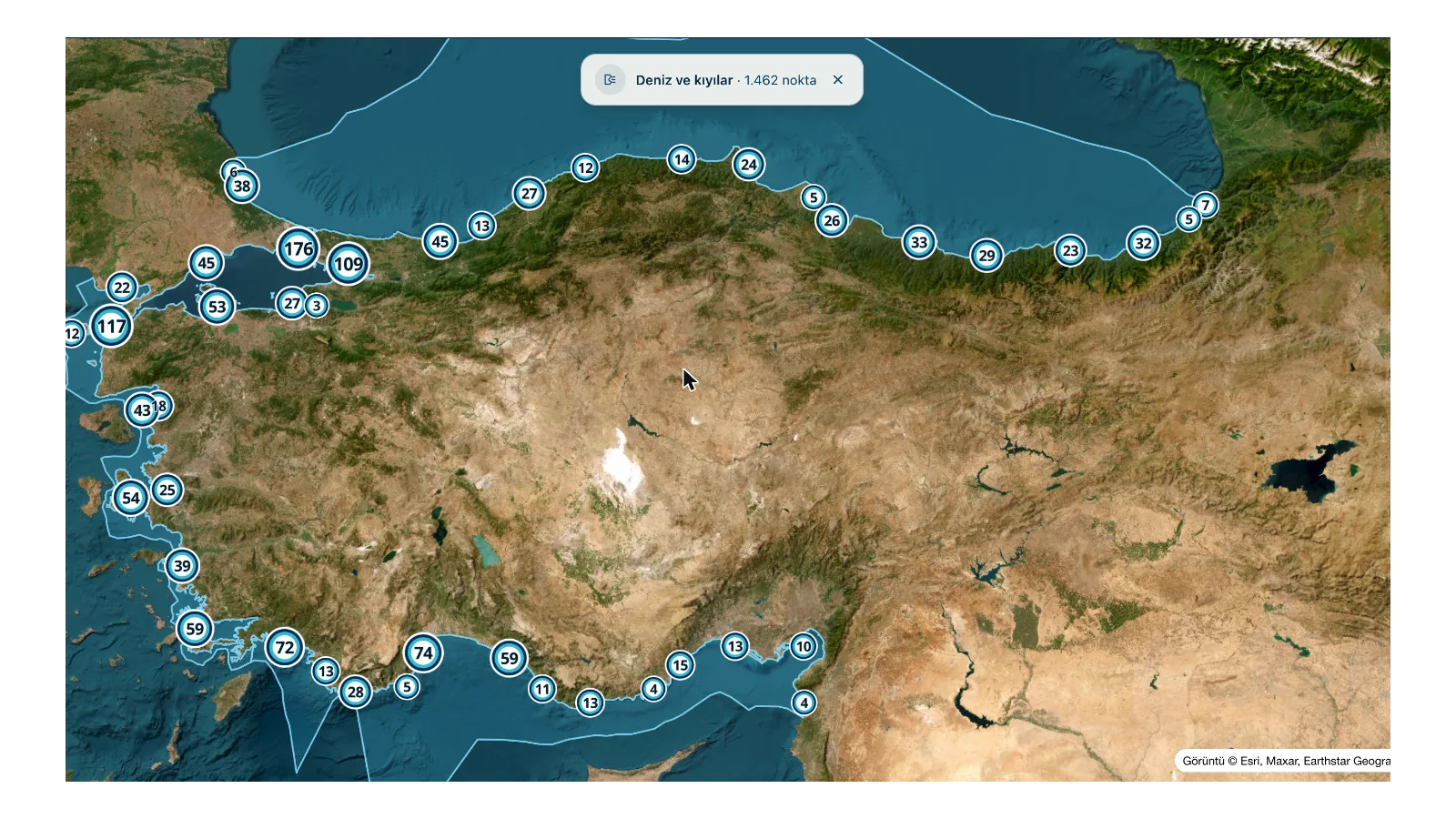
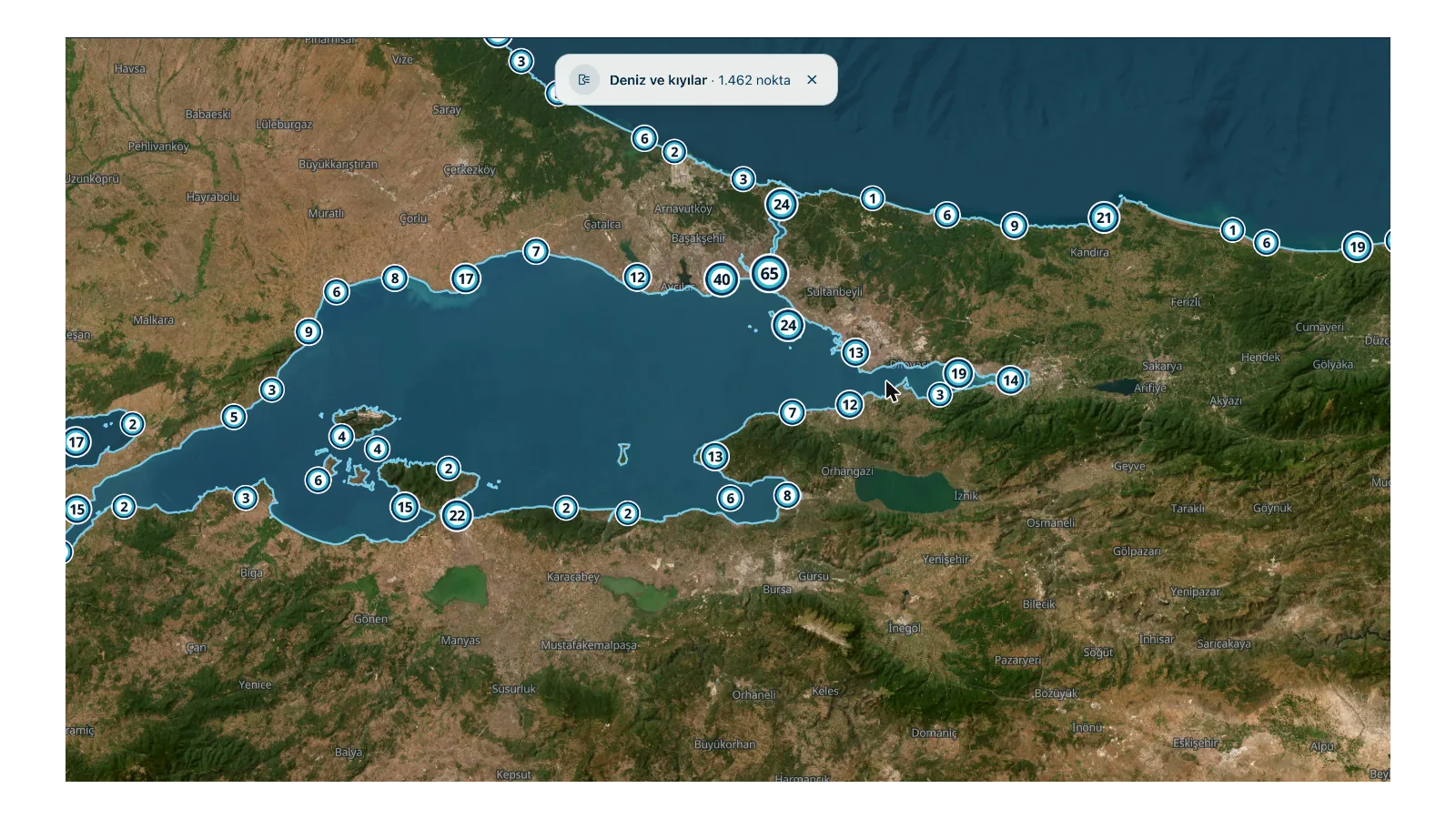
On the coasts of Türkiye the winds are known by the names of their directions and their effects vary from shore to shore:
- Poyraz (northeast) — builds the waves fast on the Black Sea coast. Cools the water in the Sea of Marmara.
- Lodos (southwest) — warms and clouds the water in the Sea of Marmara; when it hardens it whips the sea up.
- Yıldız (north) — raises waves quickly on the exposed northern shores.
- Keşişleme (southeast) — humid, mild air in the Aegean and the Mediterranean.
Up to how many m/s can you go?
For shore fishing 8 m/s is a practical upper limit. Above it casting gets hard, the line is thrown about and the waves start to build. On a rocky shore wet stone turns slippery — even with the wind under the limit, spray from the waves can be dangerous.
Wind alone is not enough
Looking at the wind and not at the waves is a common mistake. Even when the wind drops the swell can run on for hours. When you decide, read all three together: wind, wave and pressure trend.
The information here may not be used for navigation. If you are putting out in a boat, consult the official meteorological sources.