


















4 min read
Which fish is caught in which month in the Sea of Marmara?
Peak species month by month in the Sea of Marmara: 44 species in January, 61 in October. Where the season opens and where it closes.
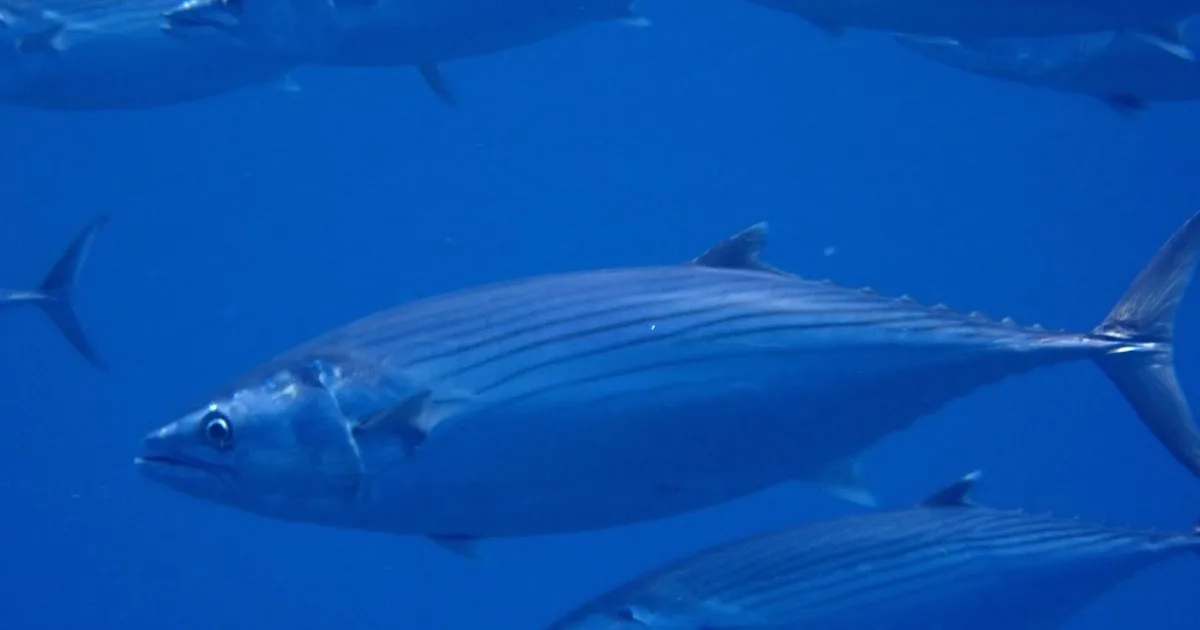
The Marmara is a small sea, but because it is fed by two straits, species traffic is heavy: fish heading out to the Black Sea and fish coming down to the Aegean both pass through here. That is why the answer to "which fish can you catch in which month?" shifts a little every month. Our catalogue has month-by-month productivity data for Marmara Sea fish; the numbers and the calendar below come from it, covering which fish you can catch in each month and what to look for in each season.
The short answer: there is no fishless month in the Marmara. Even in the weakest month 44 fish species are recorded, and in the strongest 61. What changes is which fish comes close to shore in which month, and which one is under a fishing ban.
How many species through the year? Month-by-month table
| Month | Productive species | Standouts that month |
|---|---|---|
| January | 44 | Whiting, European hake, common sole, Atlantic mackerel |
| February | 45 | Turbot and Pontic shad start |
| March | 46 | Shi drum, piper gurnard |
| April | 55 | Red mullet, common pandora, common dentex, comber start |
| May | 53 | Atlantic chub mackerel arrives; whiting pulls out |
| June | 47 | Red mullet, common pandora, Atlantic chub mackerel |
| July | 47 | Atlantic chub mackerel, common dentex, summer species |
| August | 48 | Atlantic bonito shows up |
| September | 53 | Atlantic mackerel, European hake, shi drum return |
| October | 61 | The peak of the year: whiting and turbot start too |
| November | 56 | Bluefish and Atlantic bonito at the top of their season |
| December | 47 | Atlantic bonito, Atlantic mackerel, whiting |
What stands out is this: even the worst month has 44 species. In the Marmara, a "no fish" day is usually not a lack of species but the wrong species meeting the wrong method.
Winter months: January, February, March
Winter is when the water cools and the fishing moves down to the bottom and into deeper water. January and February are the time for whiting, European hake, common sole, black scorpionfish and shore rockling; all of them start in autumn and last until spring. Atlantic mackerel is recorded until the end of January. In February turbot and Pontic shad join the list, and in March shi drum and piper gurnard are added. Atlantic horse mackerel, flathead grey mullet and European seabass, which stay all year round, remain the regular fish of the piers and river mouths in winter too.
Spring: April, May, June
March and April are a transition period; with 55 species April is the second peak of the year. While the winter species have not yet pulled out, warm-water fish such as red mullet, common pandora, common dentex, comber and red scorpionfish start. In May and June Atlantic chub mackerel and damselfish arrive; whiting and shore rockling, followed by turbot, common sole and Pontic shad, drop off the list.
Spring is also when fishing bans begin. Atlantic bonito may not be caught between 1 April and 14 August, and turbot between 15 April and 15 June; a fish that comes up by mistake is released back into the water.
Summer: July and August
In summer the species count stays steady at 47–48. Because the water is warm, fishing gets squeezed into the early morning hours and sunset. The fish of the summer months are Atlantic chub mackerel, red mullet, common pandora and common dentex; coastal species such as gilthead seabream, common two-banded seabream, white seabream and picarel are also sought all summer. In August Atlantic bonito starts to show up, but since the ban ends on 14 August, the season effectively opens in the middle of the month.
Autumn: September, October, November
The Marmara's real season is autumn. In September Atlantic mackerel, European hake and shi drum come back, and the species count rises to 53. In September and October, while the summer fish have not yet left, winter species such as whiting, turbot and common sole start too; that is why October is the peak of the year with 61 species. In November and December bluefish and Atlantic bonito reach the top of the season, and Atlantic bonito lasts into the final months of the year. In December red mullet, common pandora and common dentex drop off the list and the winter pattern sets in again.
The fish that define the season
Bluefish
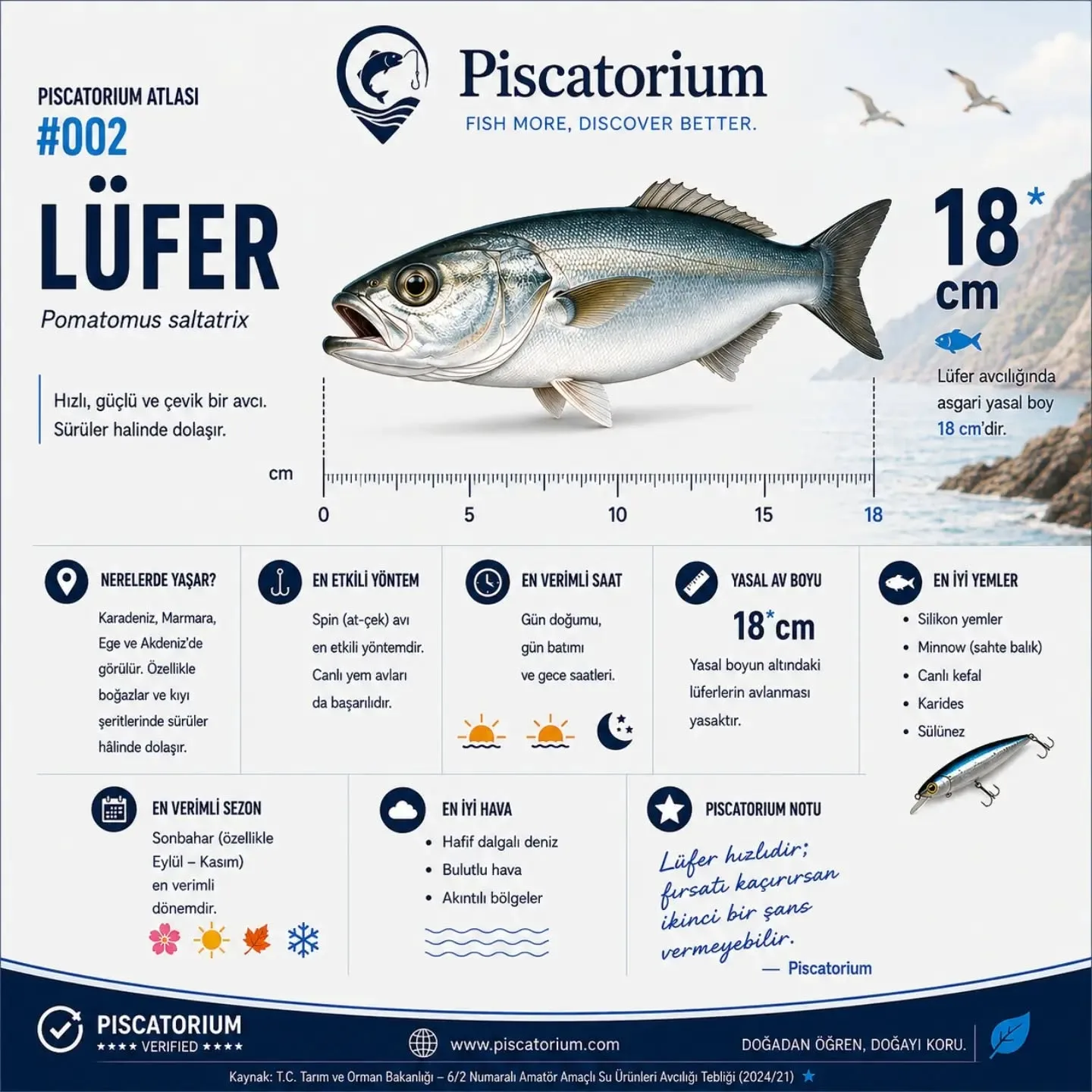
Bluefish is recorded in all twelve months of the year, but its size changes: snapper bluefish in summer, bluefish in autumn, and the large "kofana" as winter approaches. September to November is the classic period. The minimum legal size is 18 cm, the daily limit 5 kg.
Atlantic bonito
Atlantic bonito is there from August to December. It moves in schools; one week it is everywhere, the next week nowhere. That is why the question "has it passed yet?" is asked in the Marmara every year. The minimum legal size is 25 cm.
Gilthead seabream and European seabass
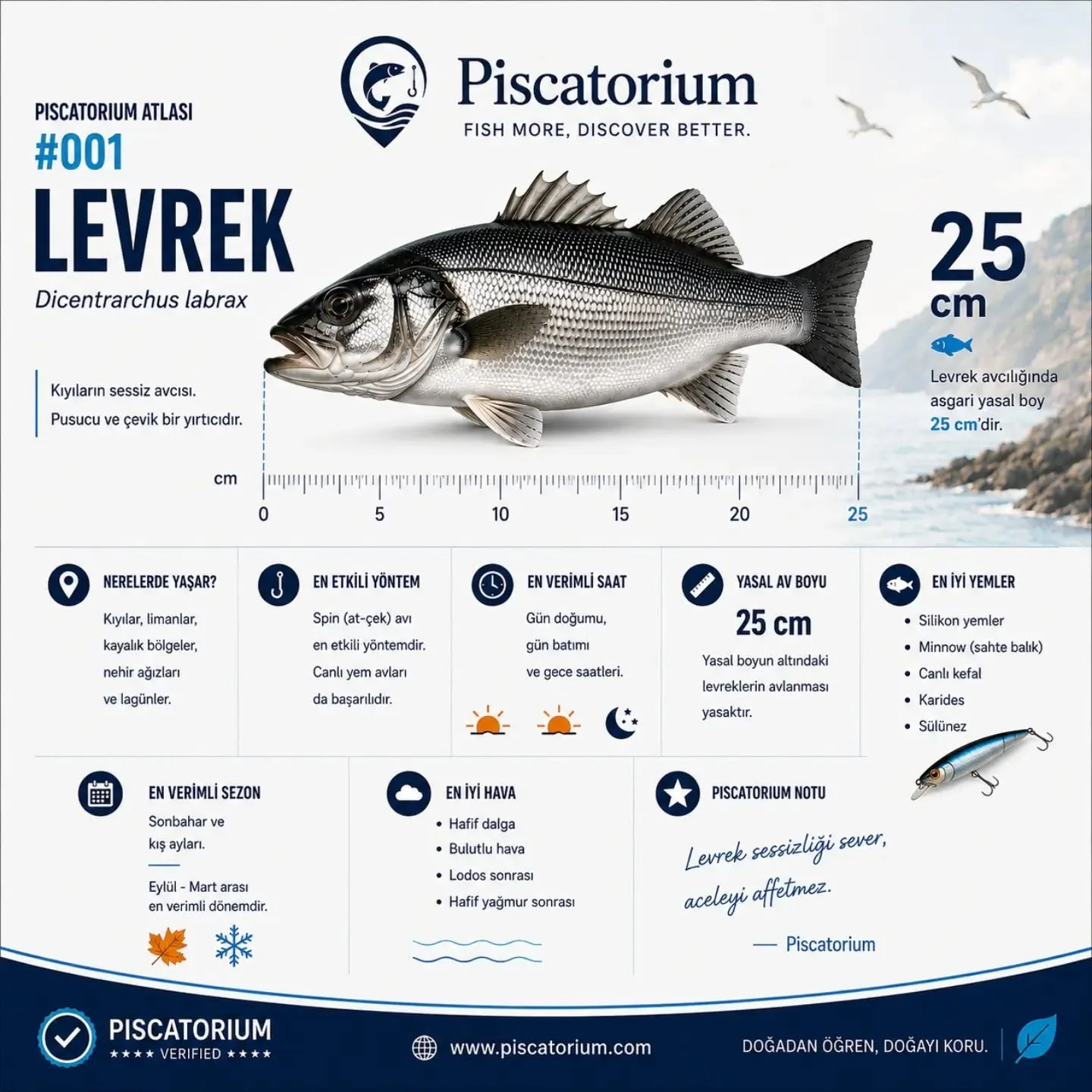
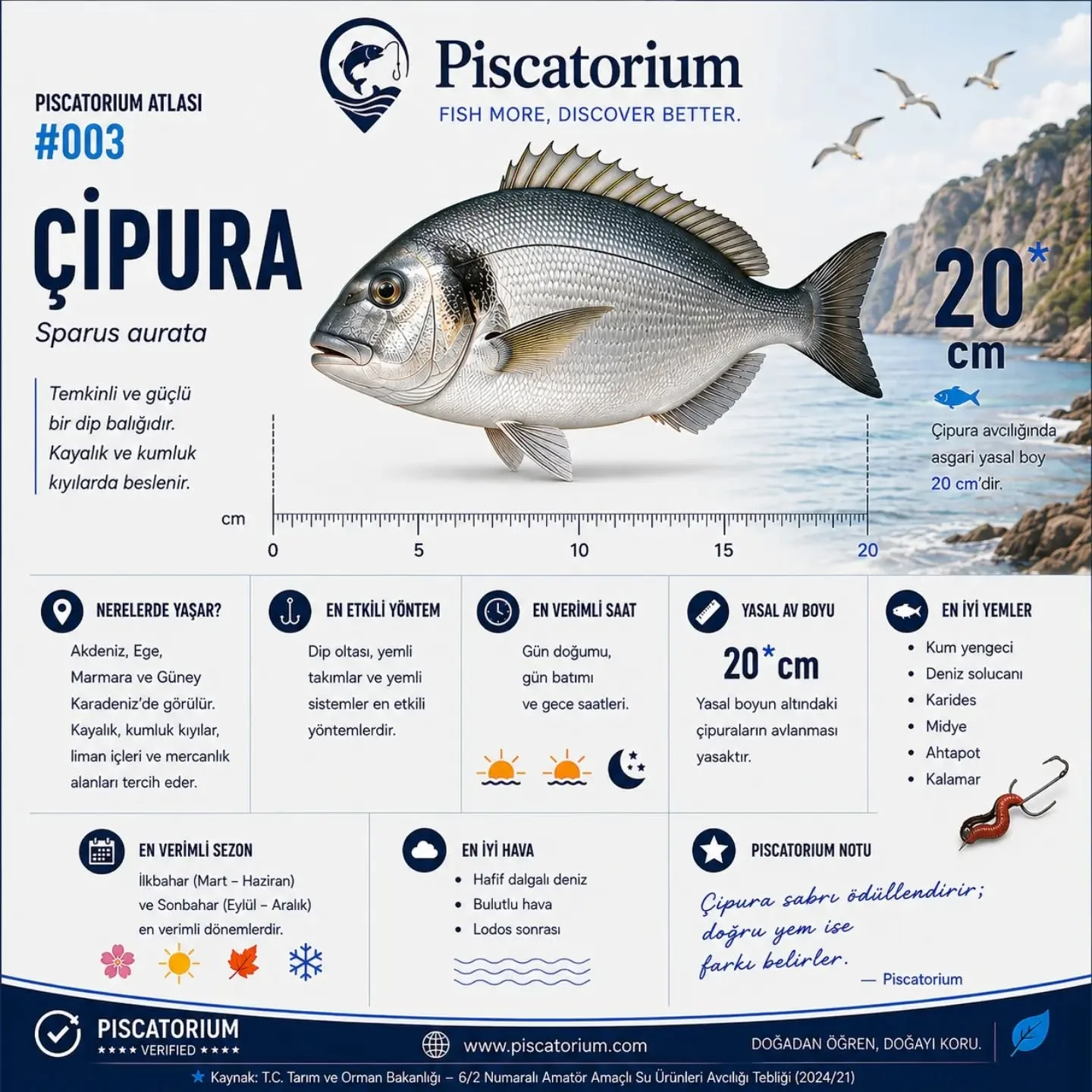
Gilthead seabream and European seabass are recorded across all twelve months. They are fish that have no season, only technique: shallow shore, river mouths and patience. The minimum legal size is 20 cm for gilthead seabream and 25 cm for European seabass.
Whiting and turbot
Whiting is caught on sandy bottom from October to April; its minimum legal size is 13 cm. Turbot is recorded from February to May and from October to December, its minimum legal size is 45 cm, and only one fish a day may be kept.
Fish caught all year round
In the Marmara, 33 species show up as productive in all twelve months. The best known are: Atlantic horse mackerel, flathead grey mullet, picarel, common two-banded seabream, white seabream, annular seabream, striped red mullet, big-scale sand smelt, European squid, European anchovy, European sardine, gilthead seabream, European seabass, bluefish and garfish.
For a beginner this is the right list. You can learn without chasing seasons, by focusing on a single technique; the minimum legal size of Atlantic horse mackerel and striped red mullet is 12 cm (13 for Mediterranean horse mackerel).
Conditions, not the calendar
The fish calendar is a rough frame; choosing fish by season is only the first step. In the same October, a day with a lodos (southwesterly) and a day with a poyraz (northeasterly) turn out completely differently; the article which wind is good for fishing explains this difference. The species pages hold each fish's wind, water temperature and pressure ranges, and the map shows the values measured at that moment. For all sizes and ban periods, you can check the which fish are banned table.